
ArticleGame Discovery Now
What 'Long Tail' Should You Expect for Your PC Game in 2026?
21 Jul 20261 pages~11 min full read
The primary objective is to provide developers with realistic benchmarks for the long-term revenue and sales performance of PC games on Steam. By analyzing a cohort of approximately 5,000 games released between July 2023 and July 2025—specifically those with at least 1,000 units sold in their first month—the analysis establishes clear multipliers for predicting cumulative performance based on initial launch success.
The findings indicate that for a typical game, the median cumulative sales by the end of the second year reach approximately 3.32 times the volume of its first-week sales. However, the data reveals a notable decline in the "long tail" compared to 2021, with year-one sales multipliers dropping by roughly 20%—from 3.05x to 2.46x. This trend is attributed to the increasing number of new game releases on the platform, which continues to outpace overall revenue growth.
Several key variables influence these outcomes. Games priced at $10 or higher demonstrate a stronger long-term performance, achieving a 2.7x multiplier in year-one unit sales compared to 2.32x for lower-priced titles. Furthermore, initial launch success is a strong predictor of future longevity; games that sell over 100,000 copies in their first week exhibit a significantly higher median multiplier of 4.64x by the end of the first year. Additionally, the inclusion of co-op features serves as a major performance driver, with such titles achieving a 3.53x year-one sales multiplier, significantly outperforming the median. These insights emphasize that while residual revenue remains a critical component of a game's lifecycle, the market has become increasingly competitive, necessitating strategic design choices like co-op integration to sustain long-term interest.

Newzoo · 2026
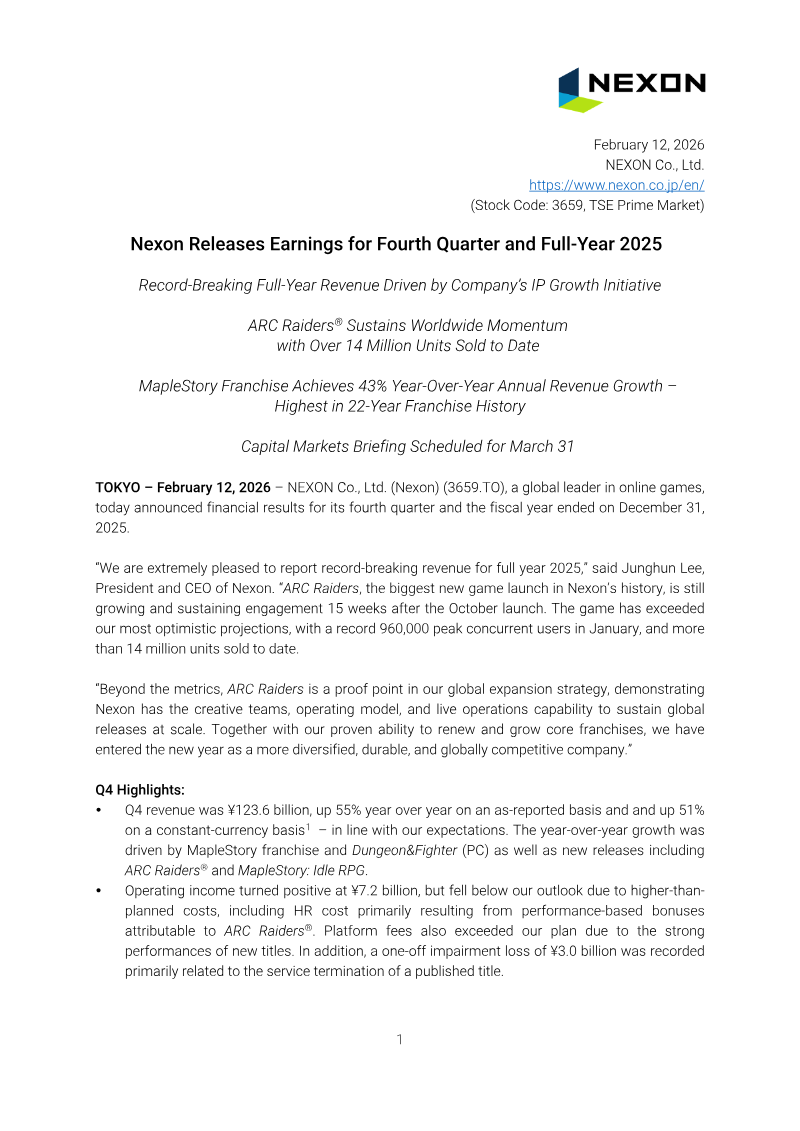
NEXON Co. · 2026
Aream & Co · 2026

Epyllion · 2026
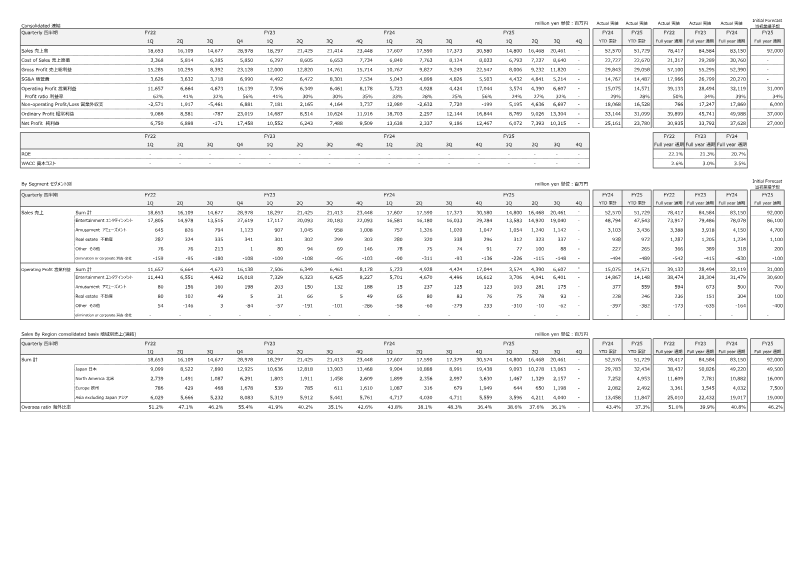
Koei Tecmo · 2025

Newzoo · 2025
Rokky · 2025
PlayWay · 2025

Meridian Play · 2025

Niko Partners · 2025

Aldora · 2024
Nacon · 2023