ArticleGame Discovery Now
Hearth & Hamlet’s ~100k & the Rise of the Bite-Sized Clicker
28 Aug 20261 pages~9 min full read
The gaming industry is currently witnessing a significant shift toward "bite-sized" incremental games, a trend characterized by low price points, strong progression loops, and finite, accessible gameplay. This movement responds to a growing player demand for low-effort, high-reward experiences that serve as an alternative to the increasingly common 50-hour-plus game titles. These games, often developed by solo or small teams, prioritize immediate engagement and "number-go-up" mechanics, effectively distilling complex genres into highly playable, distilled loops.
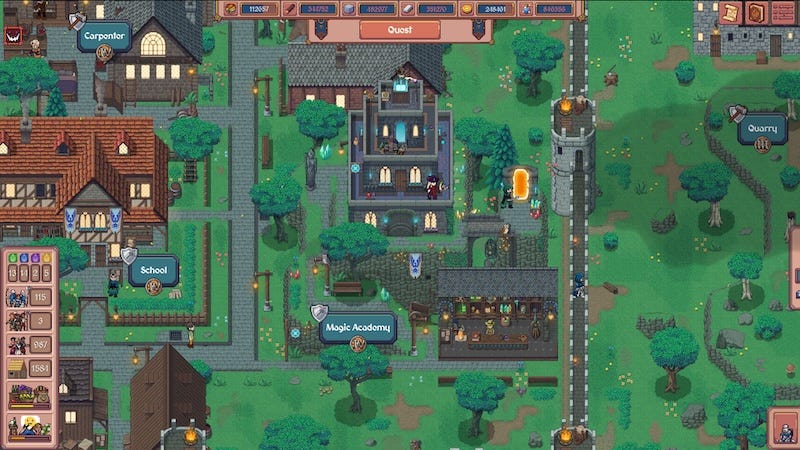
The analysis centers on the recent success of Hearth & Hamlet, a medieval city-builder clicker that achieved over 200,000 wishlists by launch and strong initial sales. Data from the title indicates that while it is marketed as a relaxing incremental experience, its success is driven by a blend of resource management and upgrade trees that encourage active play rather than passive idling. Regional performance for the game is diverse, with the United States leading at 23% of units, followed by China at 14.5% and Germany at 13%. Despite some friction from players expecting a more traditional, complex city-builder, the game maintains a 79% positive user rating on Steam.
This trend is supported by broader industry observations of other incremental hits, such as Sir, We Have An Orc Problem and Bills Must Be Paid, which have seen substantial unit sales with relatively short development cycles. The rise of these titles suggests that modern consumers, fatigued by large backlogs, are increasingly drawn to games that offer immediate satisfaction without the barrier of steep learning curves. This shift highlights a strategic opportunity for developers to capture market share through focused, affordable, and highly engaging "hypercasual" PC experiences.
Game Discovery Now · 2026
Game Discovery Now · 2026
Game Discovery Now · 2026

Game Discovery Now · 2026
Game Discovery Now · 2026
Game Discovery Now · 2026
Game Discovery Now · 2026
Game Discovery Now · 2026
Game Discovery Now · 2026

Game Discovery Now · 2026
Game Discovery Now · 2026
Game Discovery Now · 2026
Rokky · 2025

VG Insights · 2025
Video Game Insights · 2025

Video Game Insights · 2025
PlayWay · 2018
PlayWay · 2017
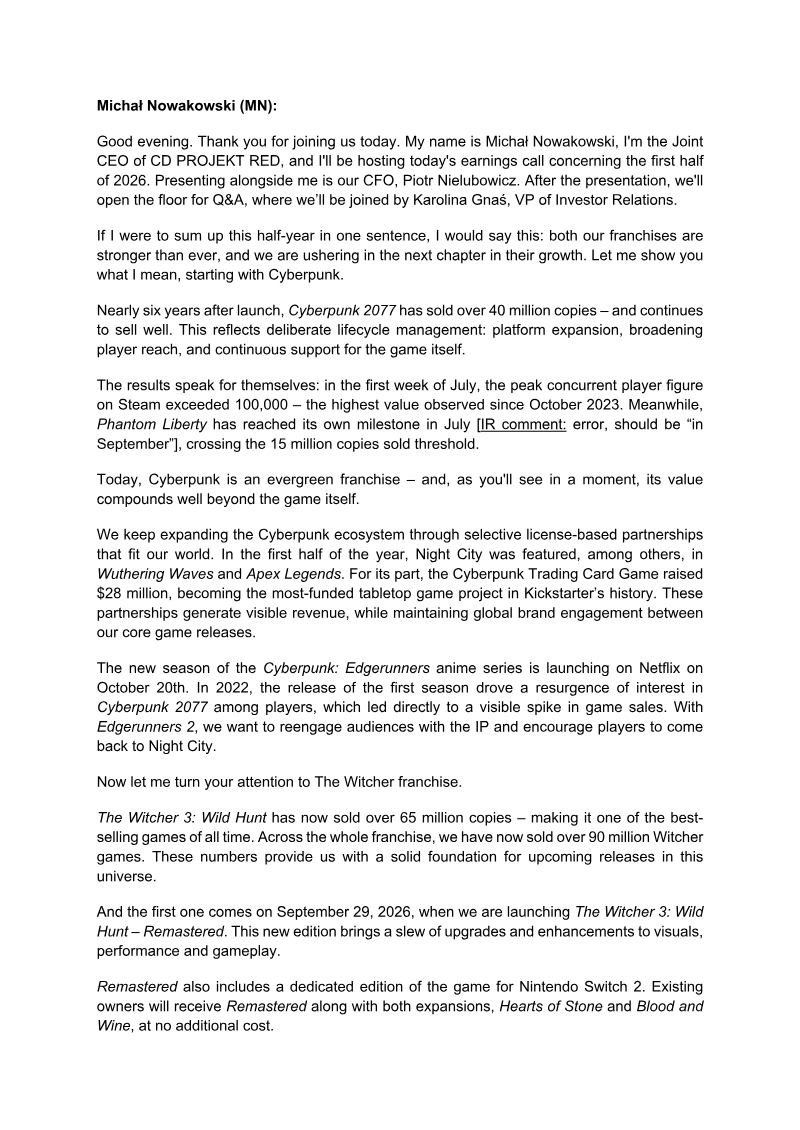
CD Projekt · 2026
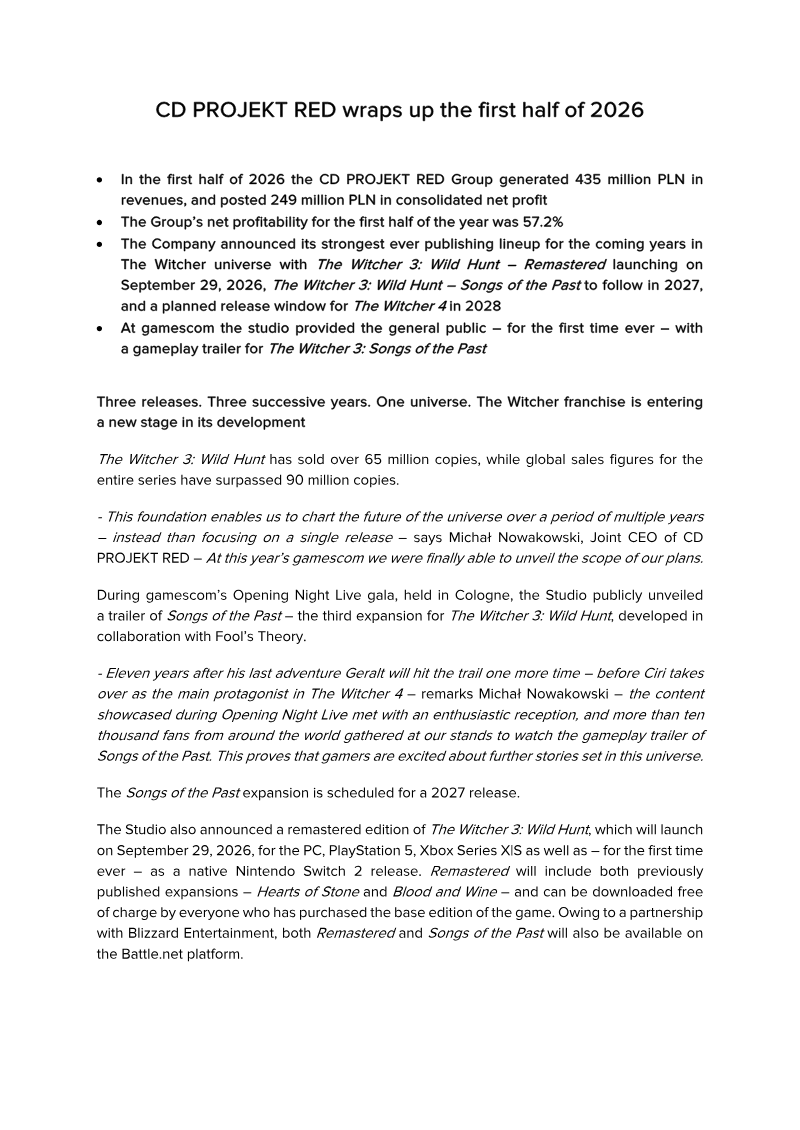
CD Projekt · 2026
CD Projekt · 2026

Newzoo · 2026
Ubisoft · 2026
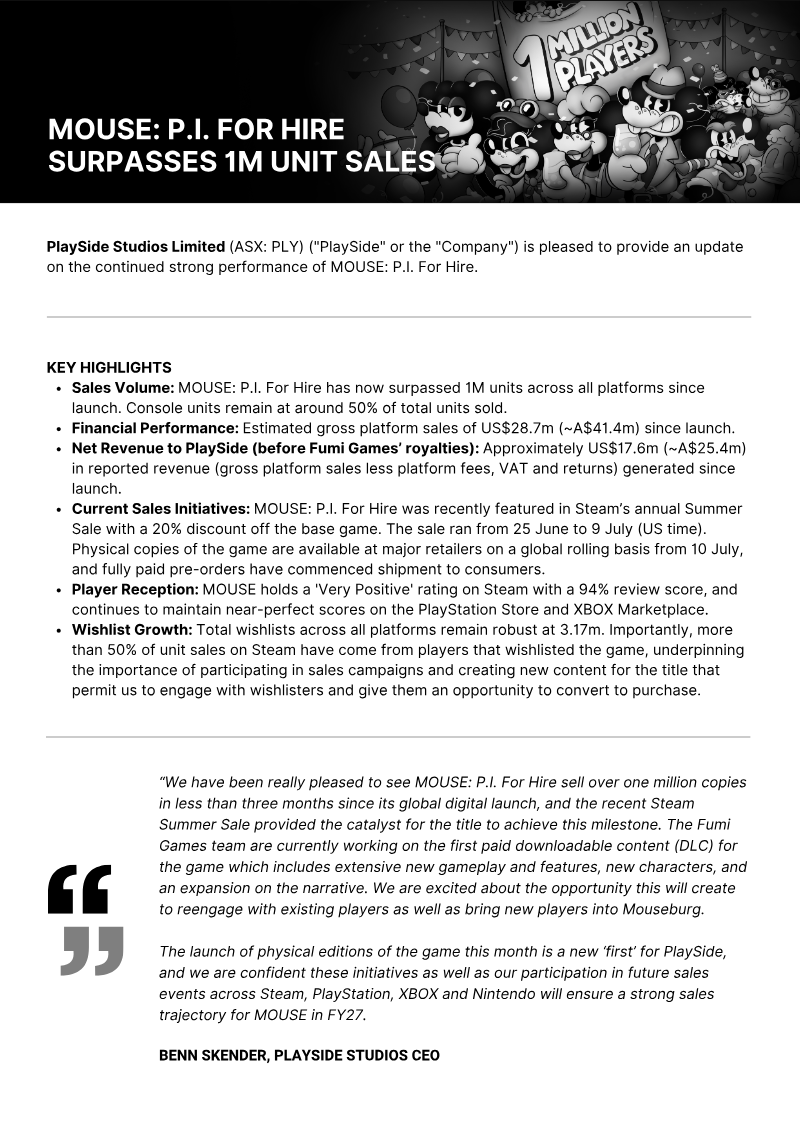
PlaySide Studios Limited · 2026