1 free read left. Create a free account for unlimited reading + AI research.
Create free accountArticle Overwolf
1 free read left. Create a free account for unlimited reading + AI research.
Create free accountArticleOverwolf
Reaching the 18–25 demographic requires a multi-channel strategy that acknowledges the decline of linear television. Effective media planning must treat distinct platforms as specialized touchpoints in the consumer journey.
Reaching the 18–25 demographic requires a multi-channel strategy that acknowledges the decline of linear television and the fragmentation of audience attention across digital environments. Rather than seeking a single replacement for traditional TV, effective media planning must treat distinct platforms—including YouTube, TikTok, Twitch, Spotify, and in-game environments—as specialized touchpoints that serve unique roles in the consumer journey.
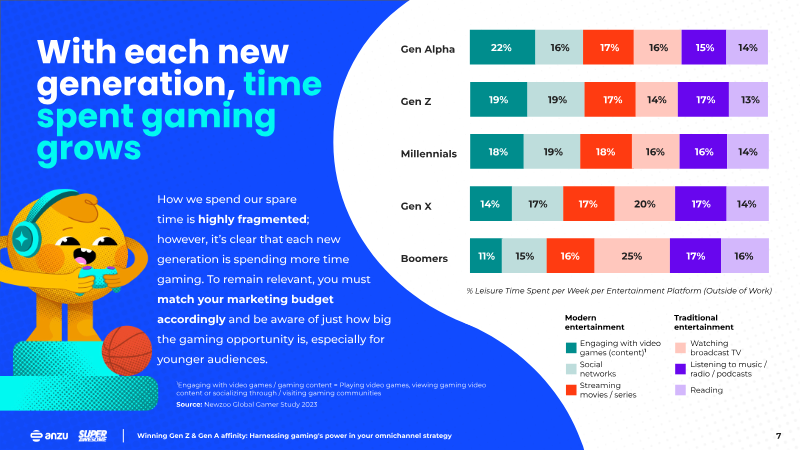
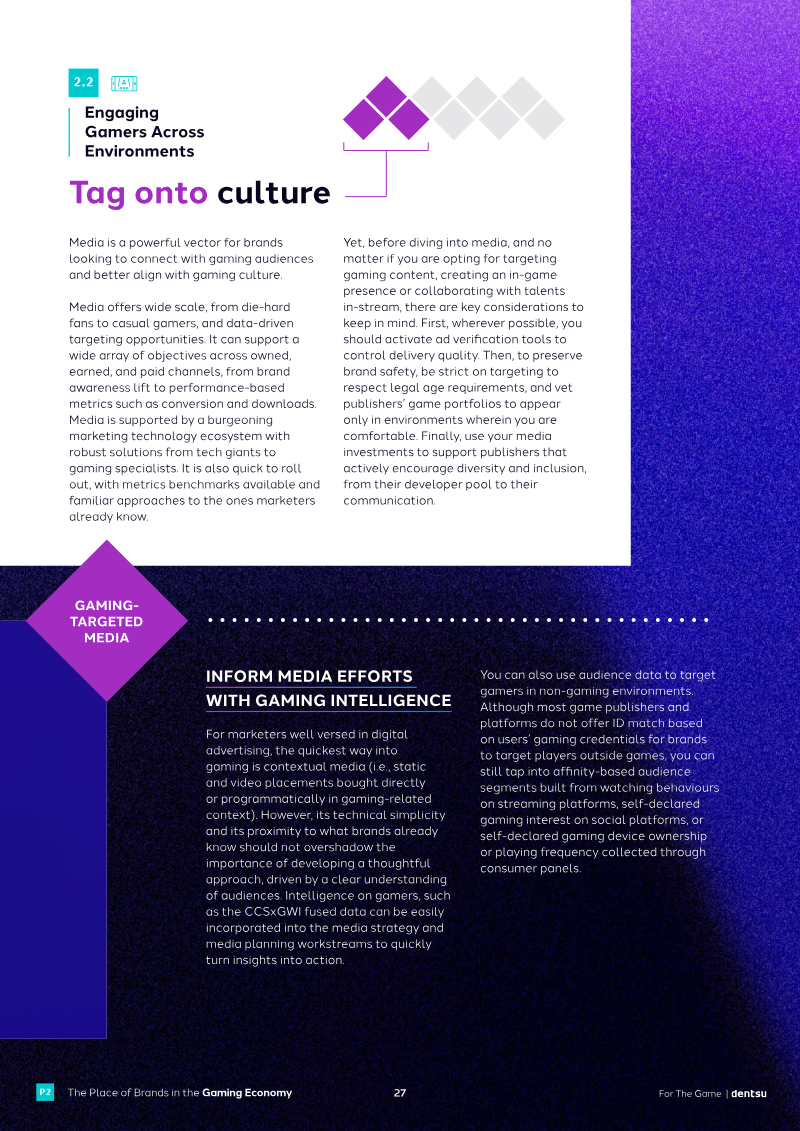
Data indicates that Gen Z spends an average of 7.2 hours per week in PC and console gaming environments, making these spaces essential for capturing deep, uninterrupted engagement. Platforms like Overwolf Ads consolidate this fragmented ecosystem, reaching over 113 million monthly gamers. By serving ads during natural gameplay pauses, such as loading screens or post-match lobbies, these environments achieve high performance metrics, including an institutional average of 90% ad viewability and an 85% video completion rate.
The analysis emphasizes that gaming should be treated as a premium, measurable media channel rather than an experimental sponsorship. By utilizing programmatic standards—such as verified viewability and third-party brand-lift studies—advertisers can effectively reach young adults who are otherwise unreachable through traditional networks. Successful campaigns, such as those executed by Universal Pictures, demonstrate that aligning brand messaging with the player’s immediate gaming state fosters significant resonance.
Ultimately, the most effective media mix for this demographic balances cultural discovery on platforms like YouTube and TikTok with the high-impact, clutter-free attention found in gaming. By assigning each channel a specific operational role and auditing for standardized metrics, planners can overcome the challenges of audience fragmentation and deliver consistent, high-quality engagement across the digital landscape.
Overwolf · 2026
Overwolf · 2026
Overwolf · 2026
Overwolf · 2026
Overwolf · 2026
Overwolf · 2026
Overwolf · 2026
Overwolf · 2026

Overwolf · 2026
Overwolf · 2026
Overwolf · 2026
Overwolf · 2026
Naavik · 2026