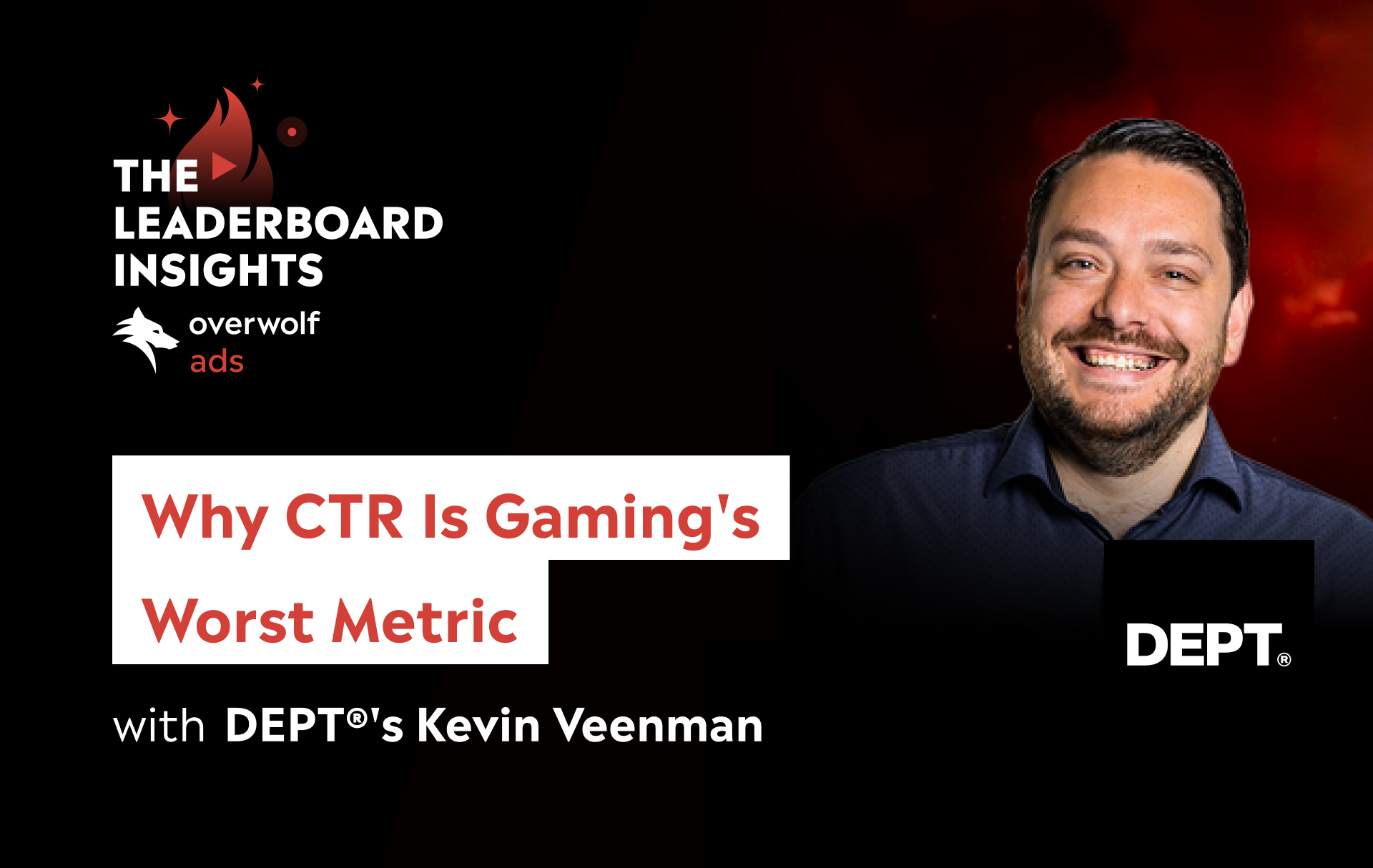
The gaming advertising industry faces a significant challenge in measuring campaign effectiveness, specifically regarding the over-reliance on click-through rate (CTR). Industry experts argue that CTR provides a false sense of accomplishment and fails to capture the true impact of gaming-based marketing. Instead, advertisers are encouraged to prioritize accountability and measurable outcomes that align with deeper consumer engagement, such as hardware ownership and behavioral shifts.
A key case study highlights the limitations of traditional metrics by demonstrating that a campaign executed by the agency DEPT® achieved hardware ownership lifts significantly higher than initial expectations. This result underscores the necessity of breaking gaming audiences into specific behavioral sub-segments, particularly for tech brands, rather than relying on broad, superficial engagement data. By shifting focus toward these tangible performance indicators, brands can better justify their presence within the gaming ecosystem.
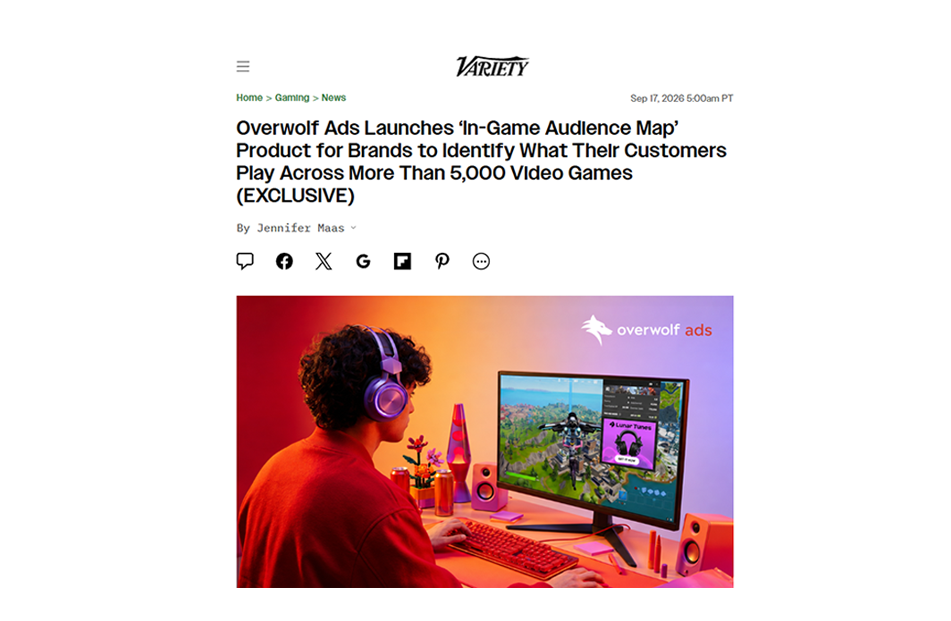
The broader context of this discussion reveals a persistent disconnect between gaming consumption and advertising investment. While 67% of Americans engage with gaming on a weekly basis, only 2.4% of total media spend is currently allocated to the sector. To bridge this gap, industry stakeholders are increasingly adopting advanced tools, such as in-game audience mapping, to identify where target demographics play across thousands of titles. This transition toward more sophisticated, data-driven strategies is essential for brands aiming to improve the accountability and efficacy of their gaming advertising investments.
Overwolf · 2026
Overwolf · 2026
Overwolf · 2026

Overwolf · 2026

Overwolf · 2026

Overwolf · 2026

Overwolf · 2026

Overwolf · 2026
Overwolf · 2026

Overwolf · 2026

Overwolf · 2026

Overwolf · 2026

SocialPeta · 2026

Moloco · 2026

SocialPeta · 2026

SocialPeta · 2025
SocialPeta · 2025

SocialPeta & Reforged Labs · 2025

SocialPeta · 2024

SocialPeta · 2021

GEEIQ · 2026
Gamesight · 2026
SocialPeta · 2026

Anzu · 2026