1 free read left. Create a free account for unlimited reading + AI research.
Create free accountArticle Overwolf
1 free read left. Create a free account for unlimited reading + AI research.
Create free accountArticleOverwolf
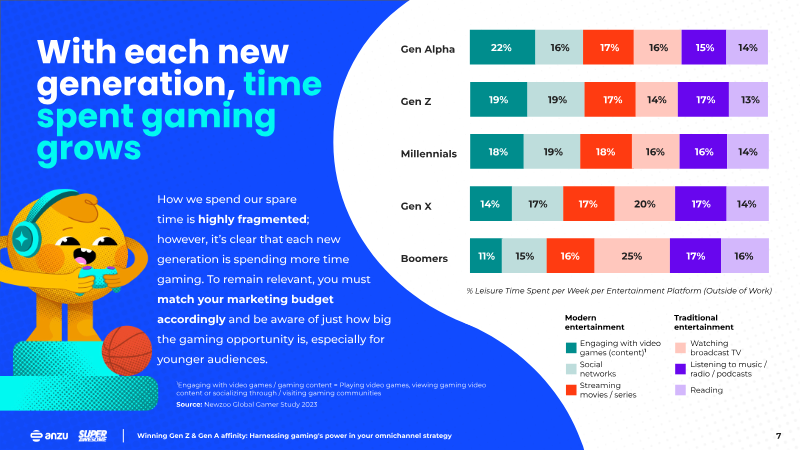
These gamers spend between 6 and 12 hours per week playing. This makes gaming a critical channel for reaching the demographic.
The primary objective of this analysis is to outline effective strategies for brands to engage Gen Z audiences within the gaming ecosystem. The central thesis posits that because Gen Z gamers frequently utilize ad blockers and reject intrusive advertising, brands must shift toward contextual, non-disruptive messaging that aligns with natural gameplay pauses to achieve meaningful engagement.
The gaming landscape serves as a critical channel for reaching this demographic, as nine in ten Gen Z respondents identify as gamers, spending between 6 and 12 hours per week playing. However, traditional advertising faces significant resistance, with 67% of Gen Z users skipping ads that lack relevance and 63% citing intrusive formats as the primary driver for installing ad blockers. To counter this, the platform utilizes a proprietary infrastructure that monitors in-game events—such as respawns, level completions, and wins—to trigger brand messaging at moments of peak player attention. This approach is supported by a network reaching over 113 million monthly gamers across popular titles like Minecraft, Fortnite, and League of Legends.
Methodologically, the platform functions as an owned-and-operated ad tech network, leveraging first-party data to segment audiences based on hardware specifications, geographic location, and session behavior. By offering diverse formats, including rewarded achievements, branded mods, and gamified activations, the platform transforms advertising into a value-add experience rather than an interruption. The sustainability of this ecosystem is reinforced by significant financial investment in the creator community, which totaled $300 million in 2025 to support the development of the apps and mods that facilitate these ad placements. Ultimately, the findings suggest that successful brand integration in gaming requires respecting player focus by aligning promotional content with high-emotion, native gameplay milestones.
Overwolf · 2026
Overwolf · 2026
Overwolf · 2026
Overwolf · 2026
Overwolf · 2026
Overwolf · 2026
Overwolf · 2026
Overwolf · 2026

Overwolf · 2026
Overwolf · 2026
Overwolf · 2026
Overwolf · 2026
Naavik · 2026