1 free read left. Create a free account for unlimited reading + AI research.
Create free accountArticle Overwolf
1 free read left. Create a free account for unlimited reading + AI research.
Create free accountArticleOverwolf
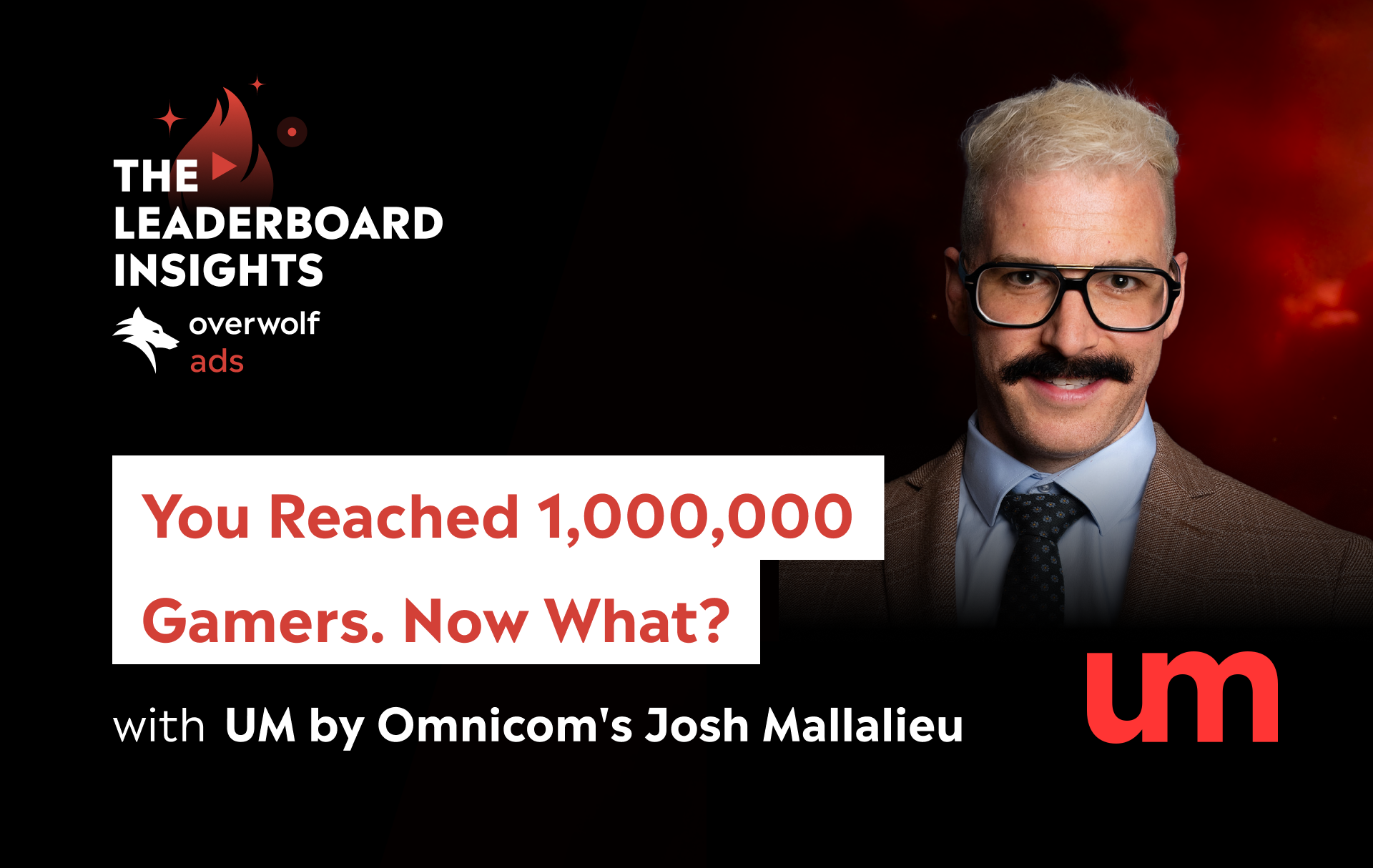
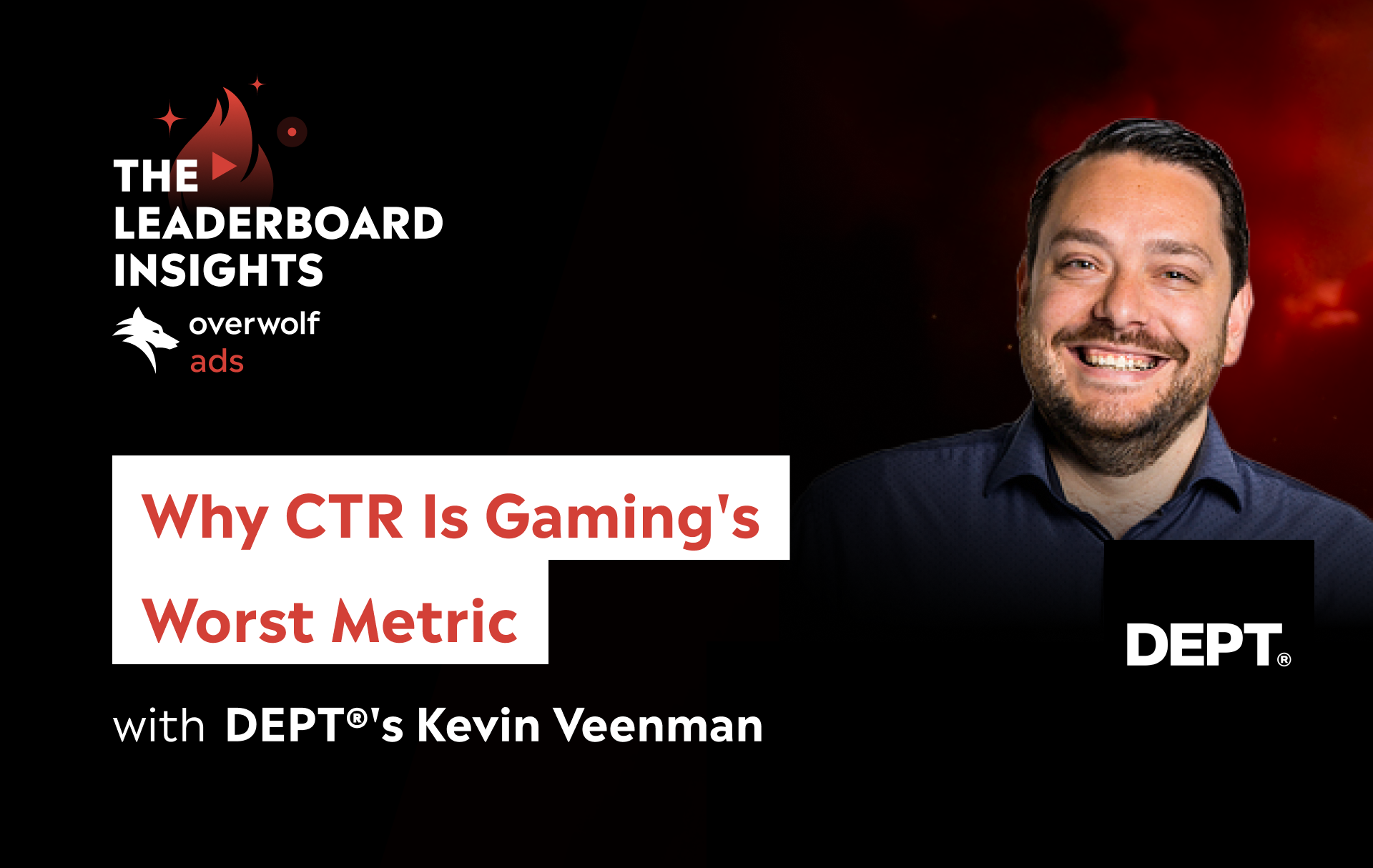
The advertising industry faces a significant challenge in effectively engaging the gaming audience, primarily due to outdated strategic approaches that treat gaming as a niche segment rather than a broad, high-attention media environment. The core thesis posits that brands struggle to capitalize on gaming because they rely on single-title planning and narrow definitions of the gaming demographic, which prevents them from reaching the diverse consumer base present across thousands of titles and platforms.
To address these shortcomings, the industry must shift toward more holistic planning strategies that integrate gaming into broader media briefs. By moving away from the restrictive "gamer" label, advertisers can better leverage gaming as a scalable, high-engagement channel. The analysis emphasizes that successful brand integration requires moving beyond experimental, one-off campaigns toward comprehensive, 360-degree strategies that encompass ads, creator partnerships, and custom game experiences.
The scope of this perspective covers the global gaming advertising landscape as of late 2026, with a focus on the UK market and international brand partnerships. The insights are informed by industry-wide observations regarding the transition of gaming from an experimental "innovation budget" item to a core component of modern marketing. Overwolf, which supports over 113 million monthly gamers, serves as a primary data source and industry participant, providing the scale and technical framework necessary to validate these strategic shifts. Ultimately, the findings suggest that while brands recognize the potential of the gaming audience, they must refine their execution to achieve consistent return on investment and meaningful consumer reach.
Overwolf · 2026
Overwolf · 2026
Overwolf · 2026
Overwolf · 2026
Overwolf · 2026
Overwolf · 2026
Overwolf · 2026
Overwolf · 2026
Overwolf · 2026
Overwolf · 2026
Overwolf · 2026
Overwolf · 2026
The Game Business · 2026