ArticleOverwolf
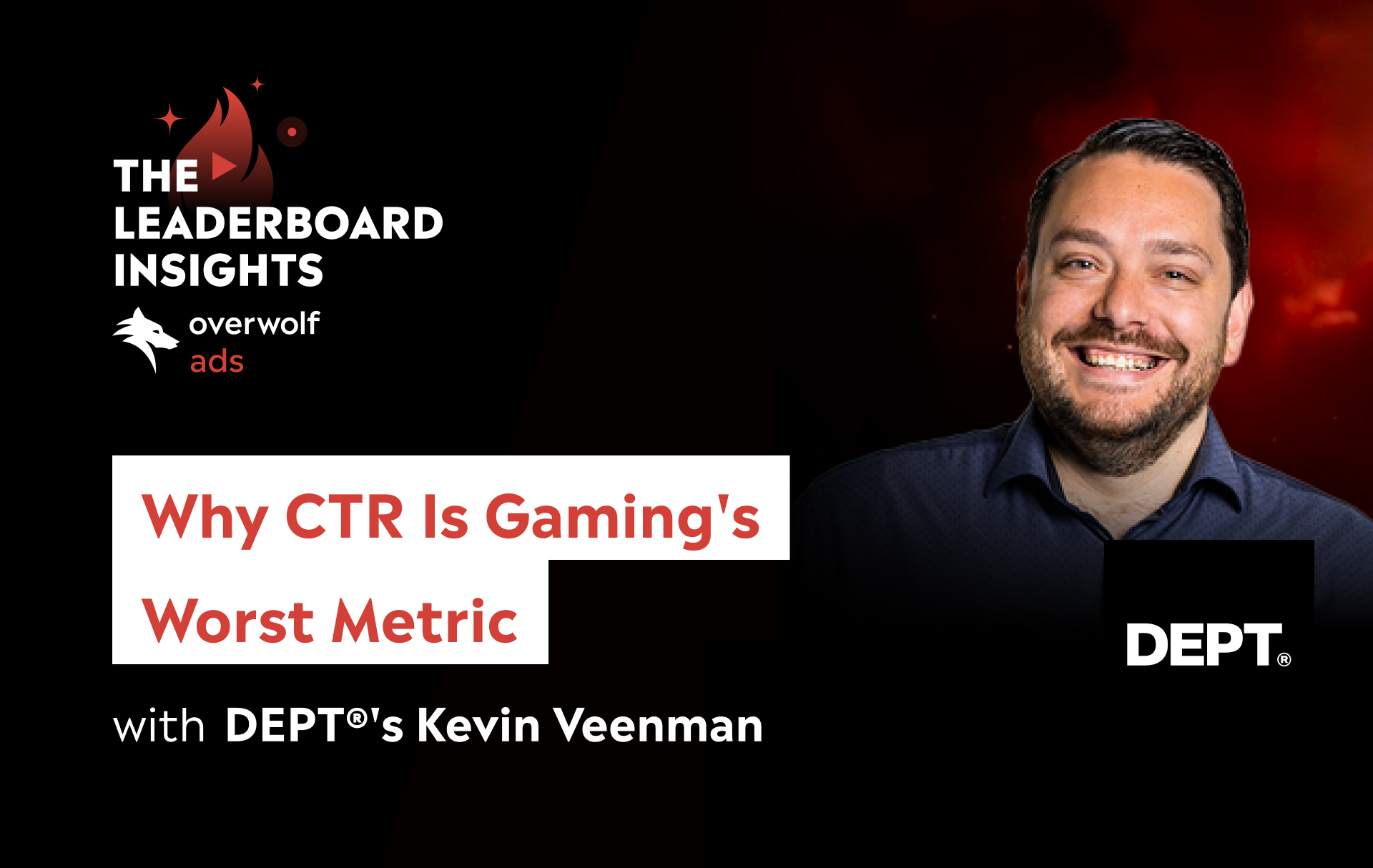
How Do You Prove Gaming Drove Incremental Lift, Not Just Impressions?
17 Aug 20261 pages~8 min full read
The gaming industry faces a persistent challenge in proving the causal impact of advertising spend, often relegating it to experimental budgets due to a lack of rigorous measurement. The primary thesis is that gaming media must move beyond raw impression tracking toward incrementality testing—specifically geo holdout experiments—to align with the analytical standards of CTV and social media. By isolating test and control markets, brands can determine whether advertising drives genuine incremental sales or merely captures existing demand.
Data indicates that while incrementality testing is a powerful tool, only 39% of organizations currently integrate it into their broader measurement models. When executed correctly, these tests are highly effective; a dataset of 225 experiments revealed a median incremental return on ad spend of 2.31, with 88.4% of tests achieving statistical significance. These results are essential for calibrating Marketing Mix Models (MMM), providing a real-world anchor that corrects historical projections.
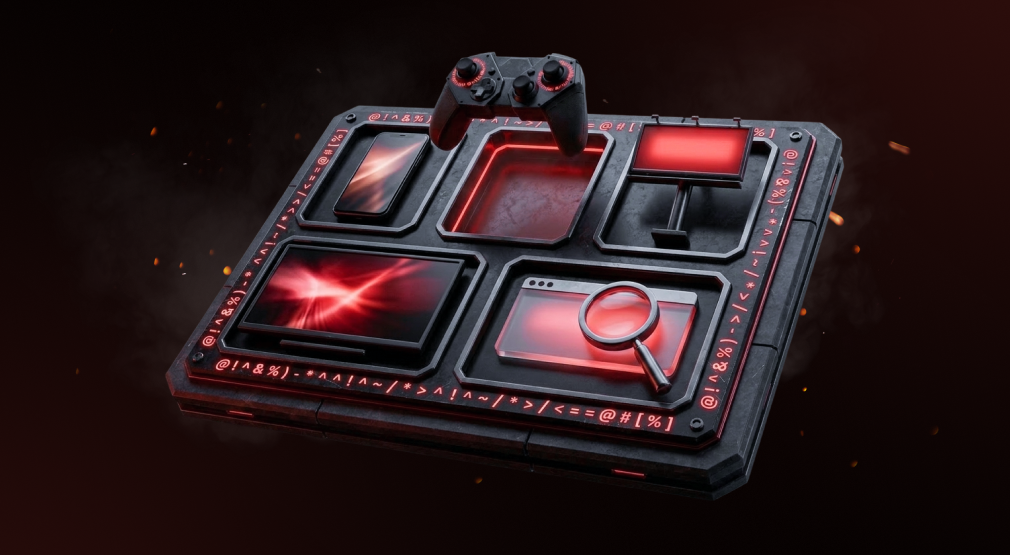
Historically, gaming has been difficult to measure due to fragmented inventory across various publishers and platforms, which complicates the creation of clean control groups. To address this, consolidated operational infrastructures allow brands to manage reach across thousands of titles and websites through a single point of control. This centralization minimizes the risk of cross-channel contamination during holdout tests.
To successfully integrate gaming into a modern measurement stack, media planners should treat it with the same rigor as other digital channels. This involves running quarterly geo holdout tests, ensuring high-quality inventory through verified viewability and completion metrics, and utilizing deterministic audience-targeting technologies. By adopting these standardized practices, brands can validate gaming as a high-attention, performance-driven channel rather than an experimental line item.
Overwolf · 2026
Overwolf · 2026
Overwolf · 2026
Overwolf · 2026
Overwolf · 2026

Overwolf · 2026

Overwolf · 2026

Overwolf · 2026
Overwolf · 2026
Overwolf · 2026
Overwolf · 2026
Overwolf · 2026

Moloco · 2026

SocialPeta · 2021

Gamesight · 2026

SocialPeta · 2026

SocialPeta · 2026

SocialPeta · 2025

SocialPeta · 2025

Kochava · 2025

SocialPeta & Reforged Labs · 2025

SocialPeta · 2024

SocialPeta · 2024

Liftoff · 2024