
Gaming has emerged as a superior channel for capturing Gen Z attention, outperforming major social media platforms like Instagram, TikTok, and Facebook on third-party attention metrics. While social platforms excel at generating raw reach, they are structurally designed for rapid, passive scrolling. In contrast, gaming environments foster high-intent, task-locked focus, which leads to significantly higher recall and engagement. Despite this, gaming remains substantially under-indexed in global media budgets, accounting for less than 5% of total investment even as nearly 60% of the U.S. population engages with digital games.
The effectiveness of gaming as an advertising medium is supported by data indicating that 41% of U.S. gamers respond positively to reward-based advertisements, a format that aligns with the active, goal-oriented nature of gameplay. By utilizing deterministic data—such as session length, hardware specifications, and genre preferences—advertisers can target audiences with greater precision than the interest-based inferences typically used on social media. This approach allows brands to move beyond mere impressions and secure meaningful, high-quality attention.
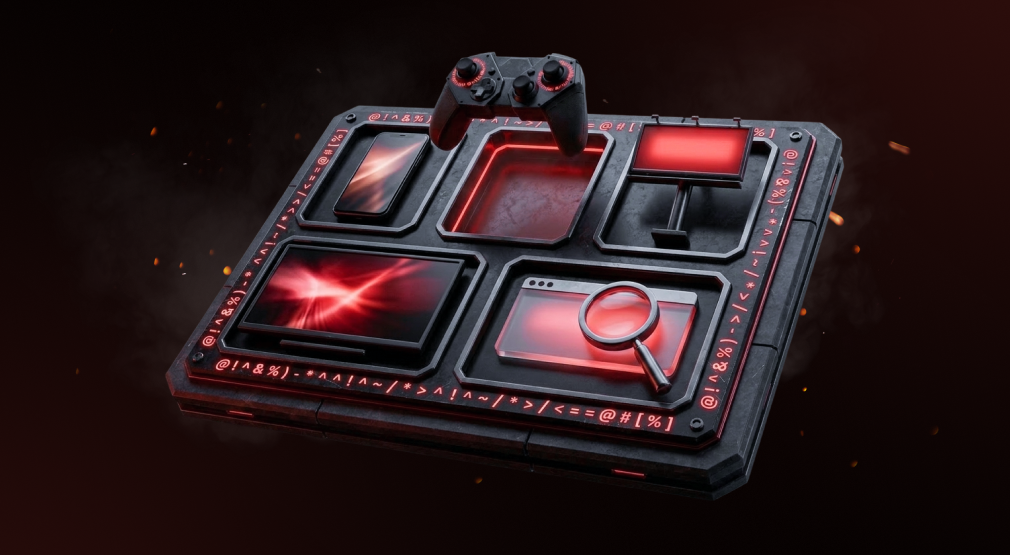
For media planners, the most successful strategies involve integrating gaming alongside social and connected TV rather than treating it as a siloed alternative. By shifting a portion of budgets from reach-heavy social channels to high-attention gaming inventory, brands can improve campaign performance in terms of both recall and conversion. Ultimately, the industry is shifting toward a model where attention quality is prioritized as a critical metric, positioning gaming as an essential component of a modern, data-backed media strategy for reaching younger demographics.
Overwolf · 2026
Overwolf · 2026
Overwolf · 2026
Overwolf · 2026
Overwolf · 2026

Overwolf · 2026

Overwolf · 2026

Overwolf · 2026
Overwolf · 2026
Overwolf · 2026
Overwolf · 2026

Overwolf · 2026
Anzu · 2026

InvestGame
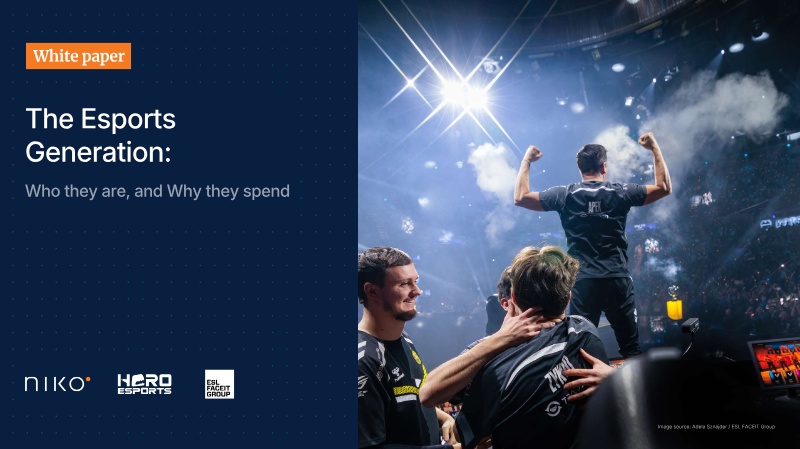
Niko Partners · 2026

Newzoo · 2025

Sensor Tower · 2025

Sensor Tower · 2025
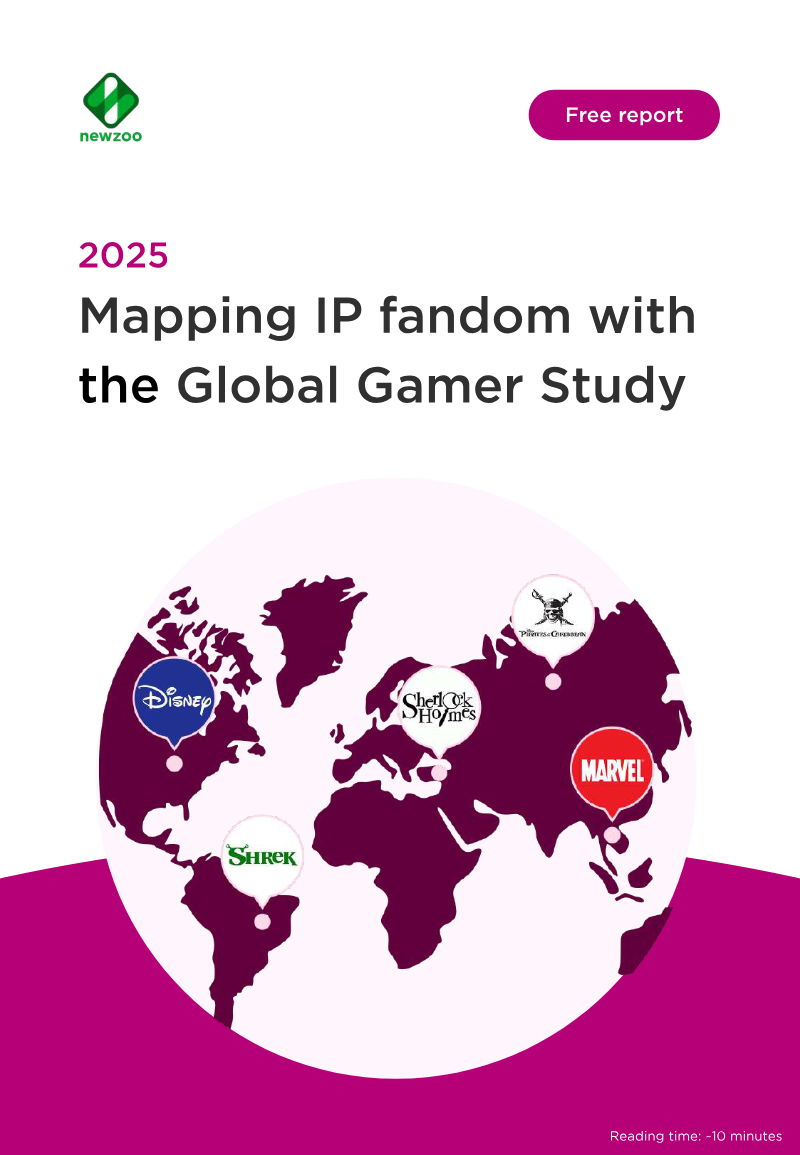
Newzoo · 2025
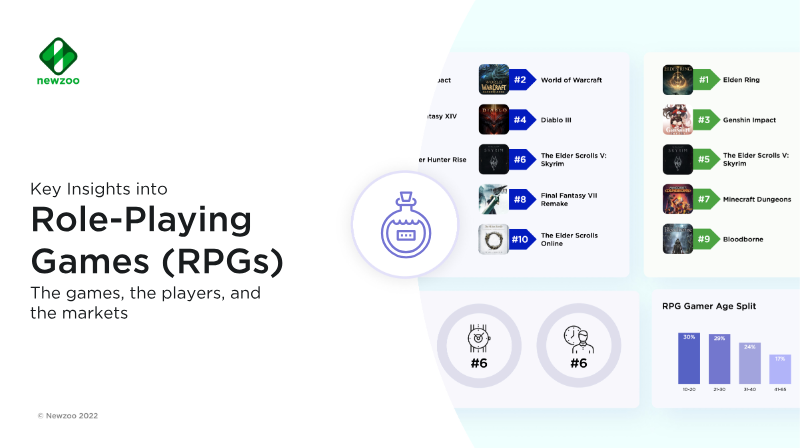
Newzoo · 2025

Video Games Europe · 2025

Newzoo · 2025
Newzoo · 2024

Fandom · 2024