1 free read left. Create a free account for unlimited reading + AI research.
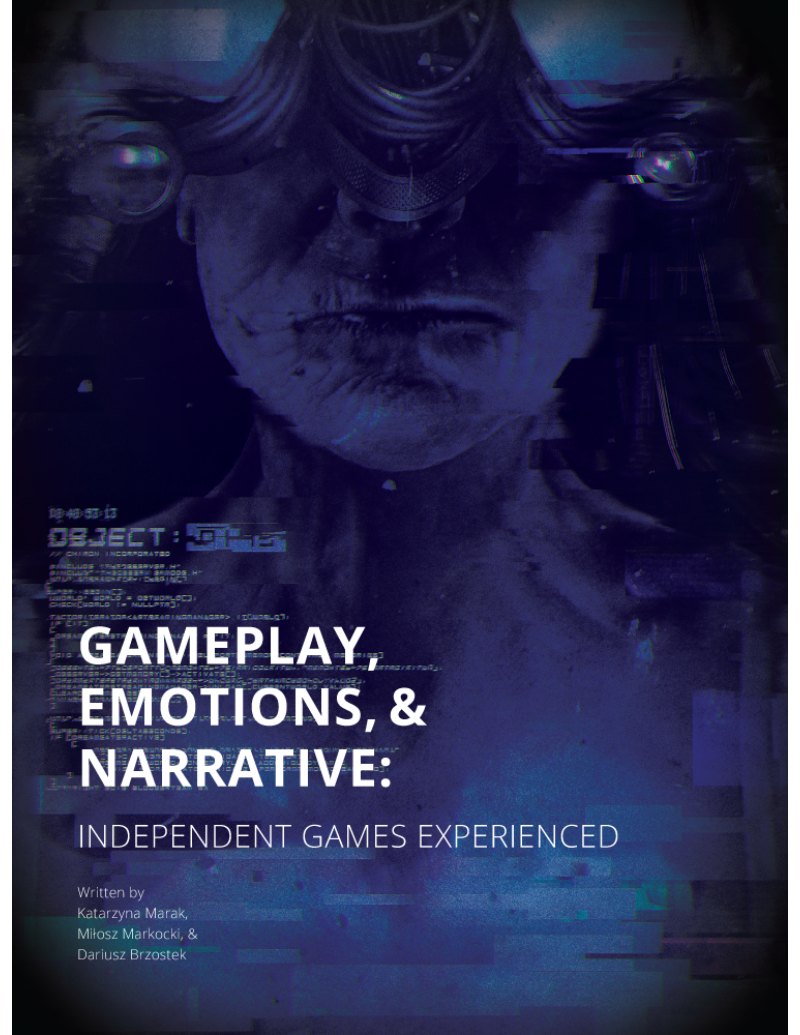
Create free accountReportETC Press
The book frames its argument around a media landscape where smartphone adoption has reached over six billion users. Audiences increasingly skim rather than read in depth.
Context. Smartphone adoption has reached over six billion users, and traditional outlets have declined sharply.
Caio Sampaio's book "Level Up: How Video Games Can Make You a Better Journalist" argues that journalists facing fierce competition for audience attention in a content-saturated, smartphone-driven media environment can learn powerful storytelling techniques from video game design. Drawing on roughly a dozen interviews with game creators and a series of case studies, the book contends that interactivity, environmental storytelling, branching narratives, and procedural rhetoric can make journalism more engaging, informative, and emotionally resonant. Its framing rests on a media landscape in which smartphone adoption has reached over six billion users, traditional outlets have declined sharply, and audiences increasingly skim rather than read in depth.
The book's central examples come from well-regarded titles. BioShock's opening and audio diaries illustrate how in medias res structure and fragmented, optional storytelling can hold attention, while Dishonored 2's layered sound design and diegetic information show how immersive worlds can be built with restraint. This War of Mine is presented as the strongest model of procedural journalistic argument, using scarcity-driven choices to make an anti-war case, and The Walking Dead demonstrates how morally ambiguous branching choices create emotional investment. The author also examines cautionary cases such as JFK Reloaded, whose simulation may have strengthened belief in the conspiracy it aimed to debunk, and Six Days in Fallujah, whose narrative approach undercut its aims.
Beyond technique, the book stresses that these methods carry ethical obligations. Factual accuracy, avoidance of fabricated quotes, and neutrality are treated as essential, given VR's persuasive power to leave false impressions. The book also acknowledges significant barriers: documentary-style games are costly, gaming culture has been slow to embrace nonfiction, and newsgames have not yet become an established genre. Its case study of 1979 Revolution: Black Friday and its proposed documentary about Brazilian journalist Tim Lopes's investigation suggest that the approach is most promising for truthful, human-centered storytelling, though the author concludes that sustained industry investment and regular release cadence will be needed before such work becomes routine.
ETC Press · 2021
European Conference on Games Based Learning (ECGBL) · 2025