Heavy Rain
2 documents in the library are about Heavy Rain, from writers such as Extra Credits and Game Developers Conference, the newest from 2019. Each has a summary and key insights with the page they come from.

Heavy Rain is a cinematic psychological thriller from game developer Quantic Dream exclusively for the PlayStation 3. Dealing with a range of adult themes, the game revolves around a sophisticated plot and strong narrative threads that explore a complex moral proposition. You assume the role of multiple characters with very different backgrounds, motivations, and skills in a world where each player decision affects what will follow.
- Released
- Feb 18, 2010
- Developer
- Quantic Dream
- Publisher
- Sony Computer Entertainment
- Genres
- Adventure
- Platforms
- PlayStation 3, PlayStation 4, PC (Microsoft Windows)
- Links
- Wikipedia
Game data from IGDB.com
Documents about Heavy Rain
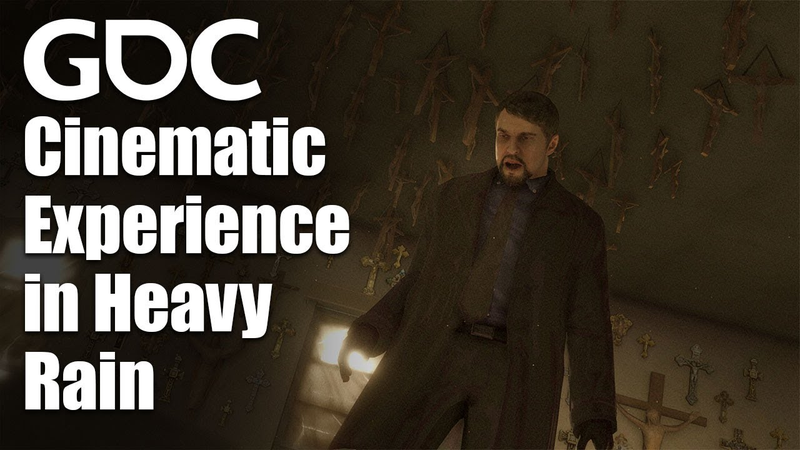
How Art Was Used to Create a Unique Cinematic Experience in Heavy Rain
Heavy Rain functions as a pioneering interactive drama that prioritizes emotional resonance and mature narrative depth over conventional gaming tropes like boss battles or traditional failure states.
- The development team prioritized a grounded, cinematic aesthetic by modeling environments after Philadelphia’s industrial landscape rather than using the exaggerated, oversized spaces typical of the era.
- Visual storytelling was achieved through 'invisible' methods, embedding character history directly into environmental clutter to maintain immersion without relying on cutscenes.
- Character fidelity was maintained under a strict 20,000-polygon budget, utilizing 3D scanning and a modular motion capture system that decoupled facial and body animation.
Choices vs Consequences - What Player Decisions Mean in Games - Extra Credits
Game design often conflates the concepts of choice and consequence, yet these two mechanics serve distinct psychological and narrative functions.
- Choice-based design focuses on the player's internal conflict by presenting dilemmas without clear numerical solutions, forcing them to weigh personal values in real-time.
- Consequence-based design relies on retrospective analysis, where the impact of a player's past actions is revealed later to prompt reflection on previous behavior.
- Effective consequence-based systems, as seen in Chrono Trigger, require a clear causal link between minor actions and narrative outcomes to prevent players from feeling unfairly punished.