1 free read left. Create a free account for unlimited reading + AI research.
Create free accountOther ETC Press
1 free read left. Create a free account for unlimited reading + AI research.
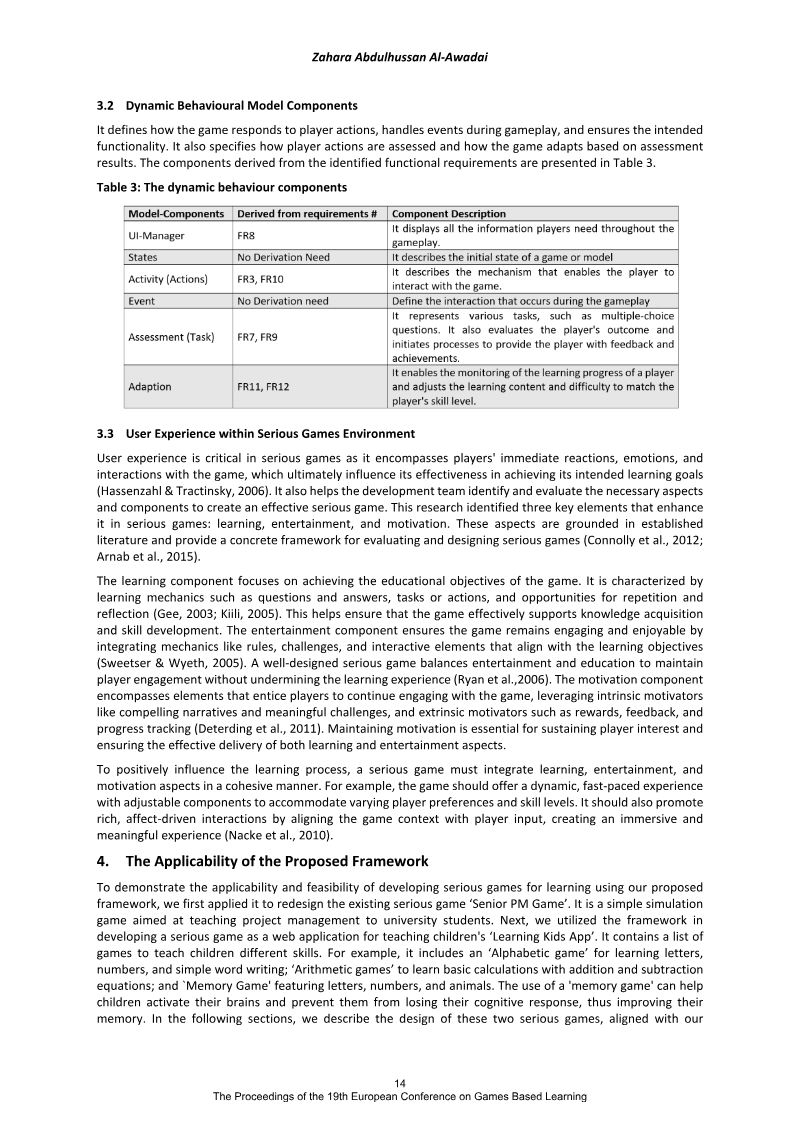
Create free accountOtherETC Press
The collection assembles 21 syllabi from university game-education courses, published by ETC Press at Carnegie Mellon.
"Teaching the Game" is a collection of 21 syllabi from university game-education courses, published by Carnegie Mellon's ETC Press with the aim of giving educators concrete, comparable models for building game courses. Its central argument is that game pedagogy has matured into a collaborative discipline, yet instructors still lack shared, detailed examples of how courses actually succeed or fail. Each syllabus is accompanied by reflective best-practices notes, so the collection functions both as a template resource for new course designers and as a historical snapshot of what game education was teaching at the time.
The courses span business and economics, humanities, communication and rhetoric, media studies, and history, and they come from institutions across North America, Europe, Asia, and Oceania, including Illinois State, Marist College, the University of Utah, Cologne Game Lab, Noroff University College, UCLA, and the Auckland University of Technology. The collection focuses on undergraduate and some graduate offerings, with materials that cover game history, industry structure, ethics, music and audio, procedural rhetoric, interactive narrative, and game design prototyping in tools such as Unity, Twine, RPG Maker, and Ren'Py. Its editors acknowledge gaps in coverage, including esports, accessibility, and extended reality, and they pose open questions about free versus commercial games, gamification, and the teaching role of streaming platforms like Twitch and Discord.
Recurring pedagogical themes run across the syllabi. Many instructors favor discussion-driven, student-centered classrooms, low-cost or free games and readings to reduce barriers for diverse students, and assessments that emphasize applied analysis, creative projects, and reflection over traditional exams. Several authors report that single-game-centered courses produce stronger analytical continuity than fragmented curricula, and that the transition to online delivery during the pandemic was largely workable with adaptations such as breakout rooms and asynchronous materials. The collection repeatedly cautions instructors to play assigned games themselves, to scope projects realistically, and to handle sensitive content with care.
Each row is a game or company this document names, each column a document, oldest first. A mark means that document names it. Select a row to see those documents.
ETC Press · 2023
ETC Press · 2022
ETC Press · 2022
ETC Press · 2021

ETC Press · 2021
ETC Press · 2020

ETC Press · 2020
ETC Press · 2020
ETC Press · 2020
ETC Press · 2020
ETC Press · 2020
ETC Press · 2019
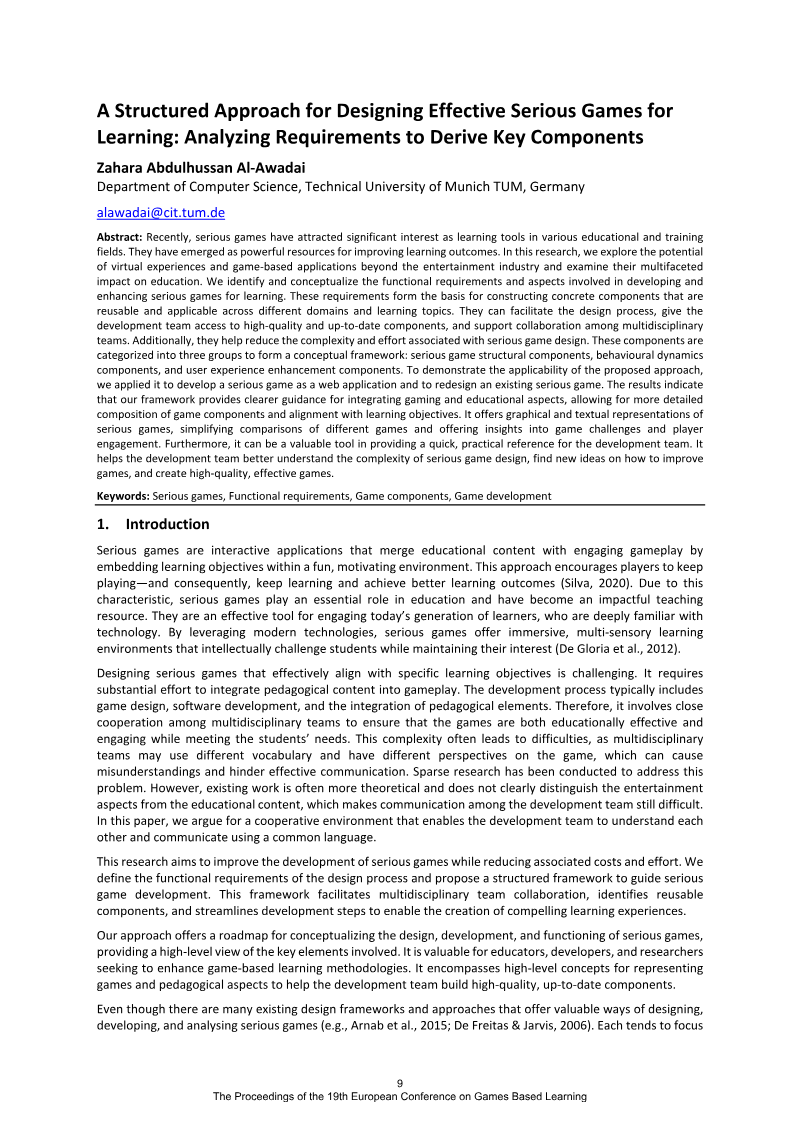
European Conference on Games Based Learning (ECGBL) · 2026