1 free read left. Create a free account for unlimited reading + AI research.
Create free accountWhitepaper ETC Press
1 free read left. Create a free account for unlimited reading + AI research.
Create free accountWhitepaperETC Press
The intersection of ethics and video games reveals that playing well extends far beyond traditional metrics of skill, completion, or instrumental goal-seeking. By examining titles such as Disco Elysium, Vampyr, and Prey, the analysis posits that games function as sophisticated training grounds for moral development. These environments force players to navigate complex, ambiguous dilemmas that destabilize traditional expectations, effectively transforming gameplay into a practice of virtue ethics. Rather than merely reacting to binary choices, players engage in a process of political subjectivization and self-reflection, where the act of playing becomes a rehearsal for real-world character and moral decision-making.
The research highlights that game design—including mechanics like "dark play," trophy systems, and metagame interventions—serves as a critical tool for incentivizing reflective engagement. By structuring experiences that require a balance between risk and ethical responsibility, developers can encourage players to move beyond simple reward-seeking behaviors. Even when games provide a "Ring of Gyges" effect, granting freedom from real-world consequences, players frequently demonstrate restraint and empathy, suggesting that virtual actions are deeply informed by a player’s intrinsic values and established ethical dispositions.
Covering a broad spectrum of digital and tabletop experiences, the investigation emphasizes that the boundaries between virtual and physical identity are increasingly permeable. Whether through the "psychomachia" of risk-based board games or the narrative weight of choice-driven RPGs, the act of playing reveals significant insights into human character. Ultimately, the findings conclude that ethical gameplay is a distributed responsibility, where the interaction between a game’s systemic design and the player’s personal moral imagination creates a unique space for cultivating virtues like courage, empathy, and intentionality.
Each row is a game or company this document names, each column a document, oldest first. A mark means that document names it. Select a row to see those documents.

ETC Press · 2023
ETC Press · 2023

ETC Press · 2022

ETC Press · 2022
ETC Press · 2022
ETC Press · 2021
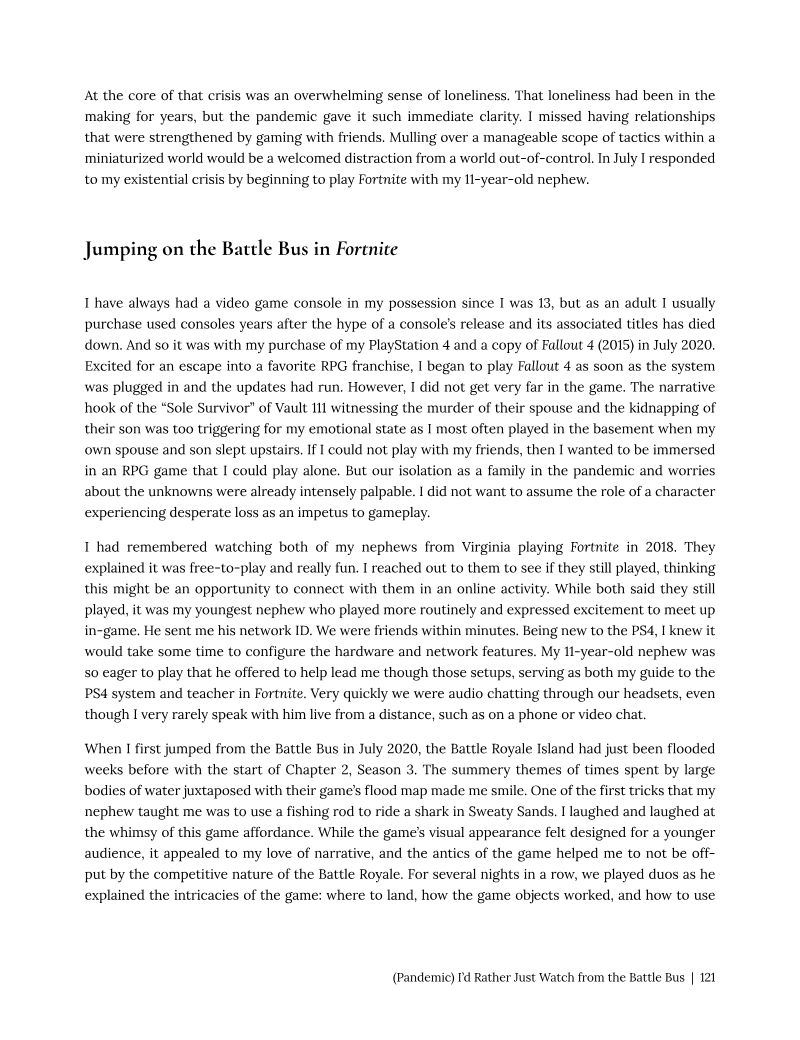

ETC Press · 2021

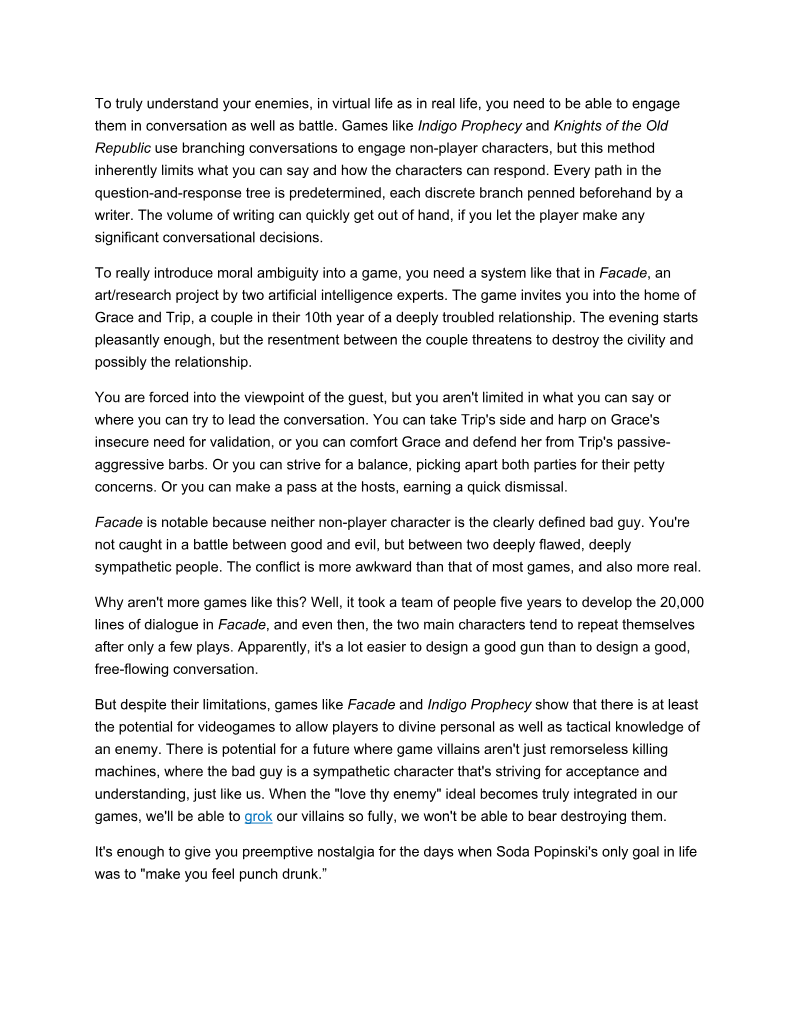

ETC Press · 2021
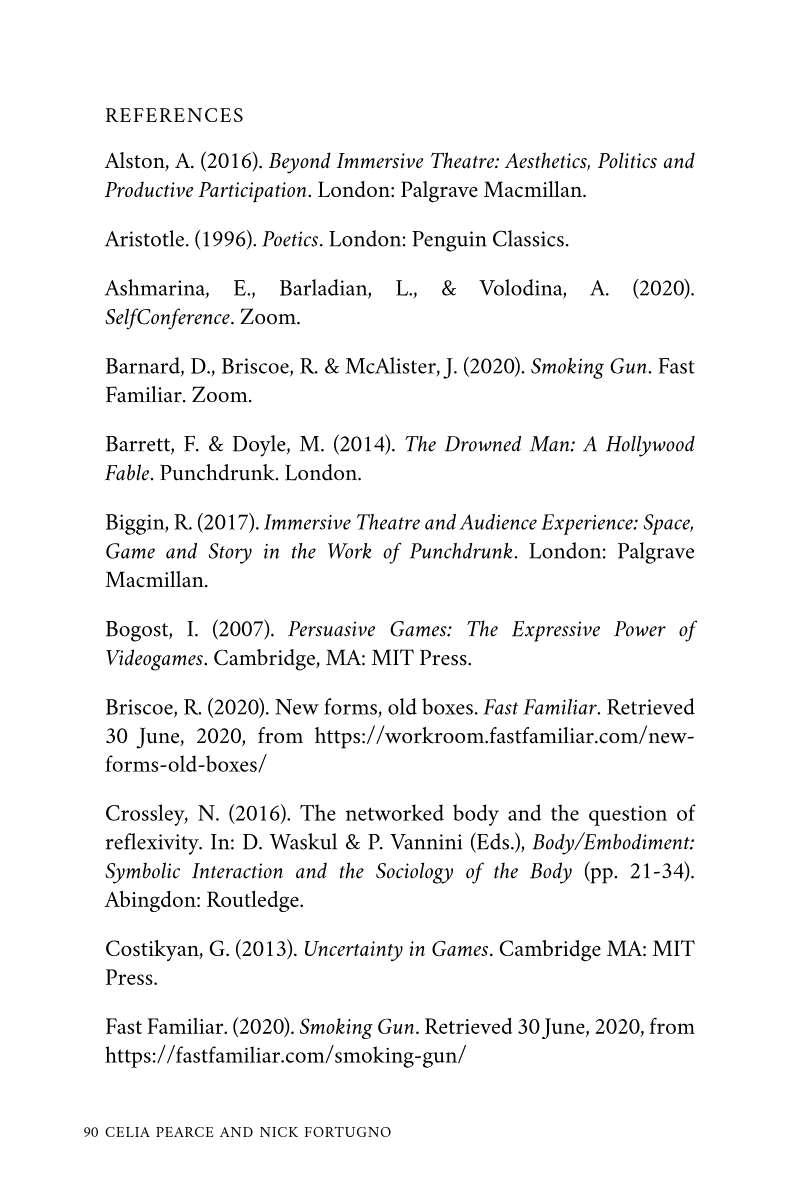
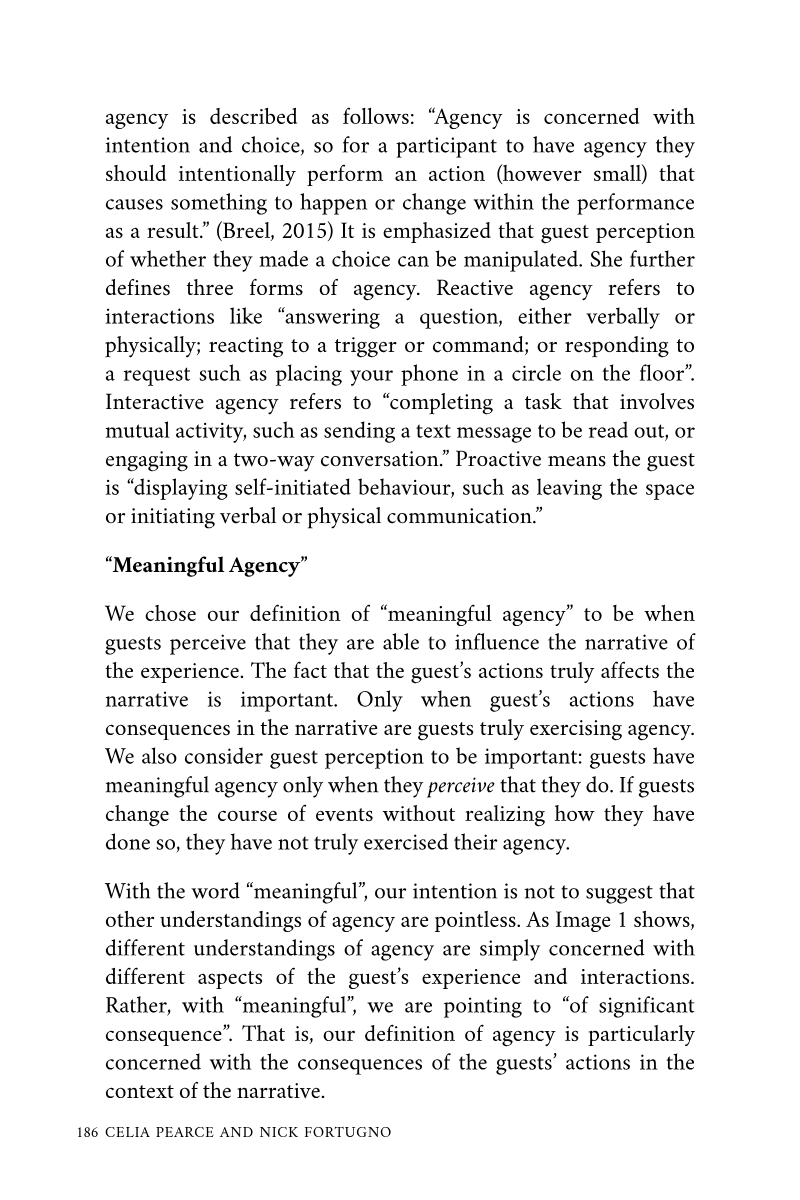

ETC Press · 2021
ETC Press · 2021
ETC Press · 2020


ETC Press · 2020
Replay. The Polish Journal of Game Studies · 2026