Loading the document
More from University of York
View allWhitepaper
What We Talk About When We Talk About Agency: A Systematic Review of Agency in Video Games
University of York · 2026
Whitepaper
Seeing Your Own Mind Playing Out on the Screen: A Constructivist Grounded Theory of Video Games as Dynamic Coping Systems
University of York · 2026
Whitepaper
Doing Game Design in Theatre
Association for Computing Machinery · 2026
Whitepaper
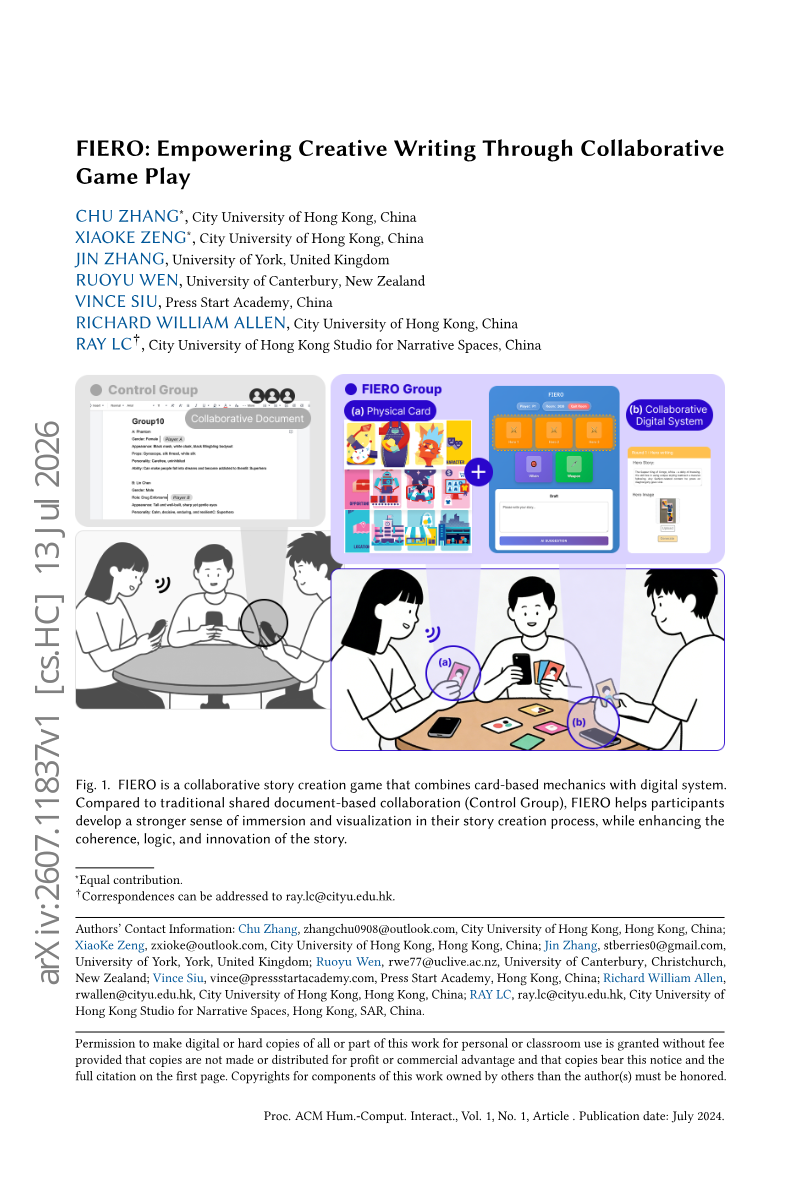
FIERO: Empowering Creative Writing Through Collaborative Game Play
City University of Hong Kong · 2026
Whitepaper
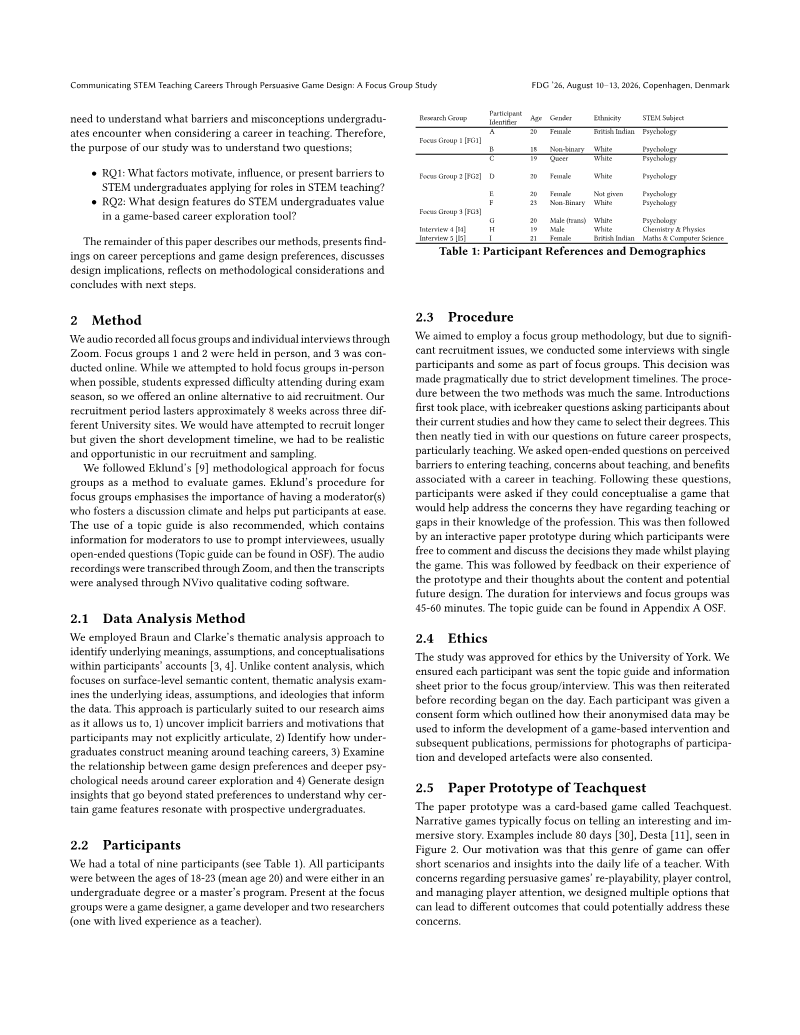
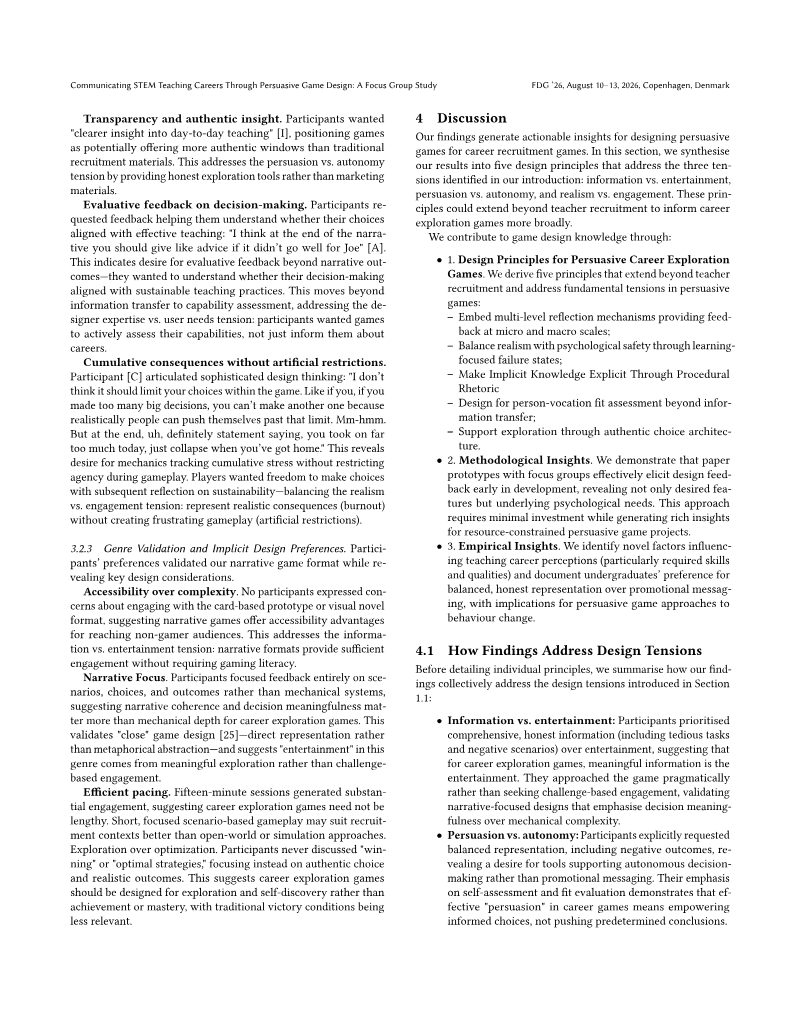
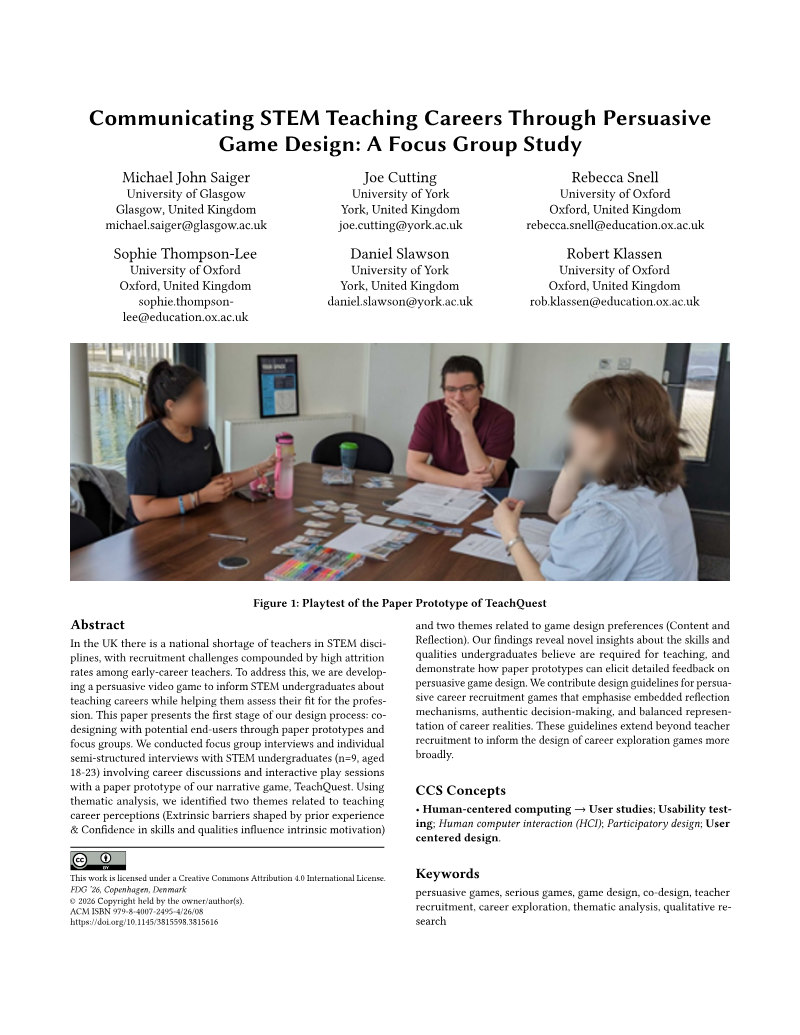
Communicating STEM Teaching Careers Through Persuasive Game Design: A Focus Group Study
University of Glasgow · 2026
Whitepaper
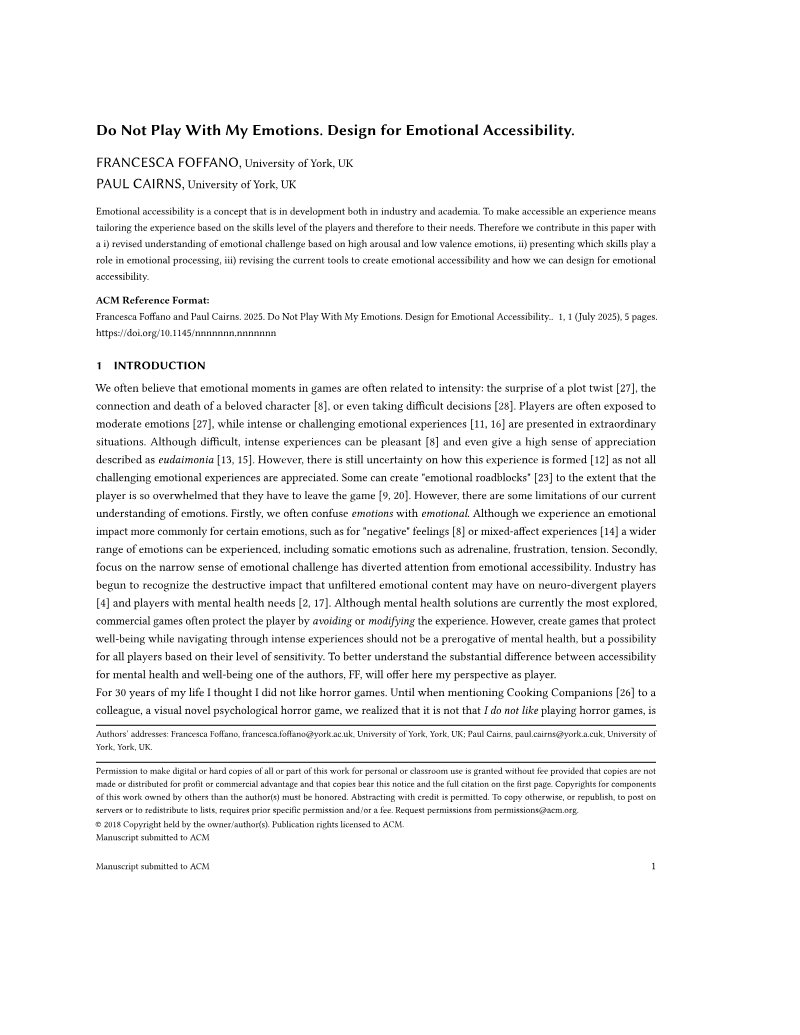
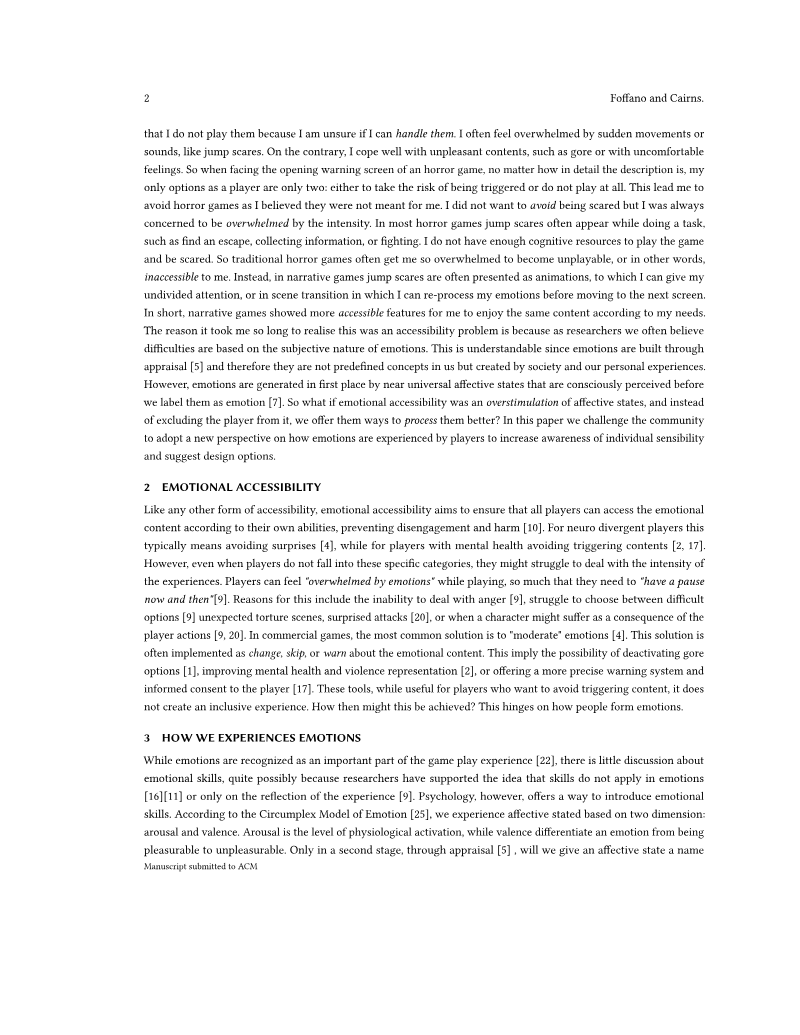
Do Not Play With My Emotions: Design for Emotional Accessibility
University of York · 2025
Whitepaper
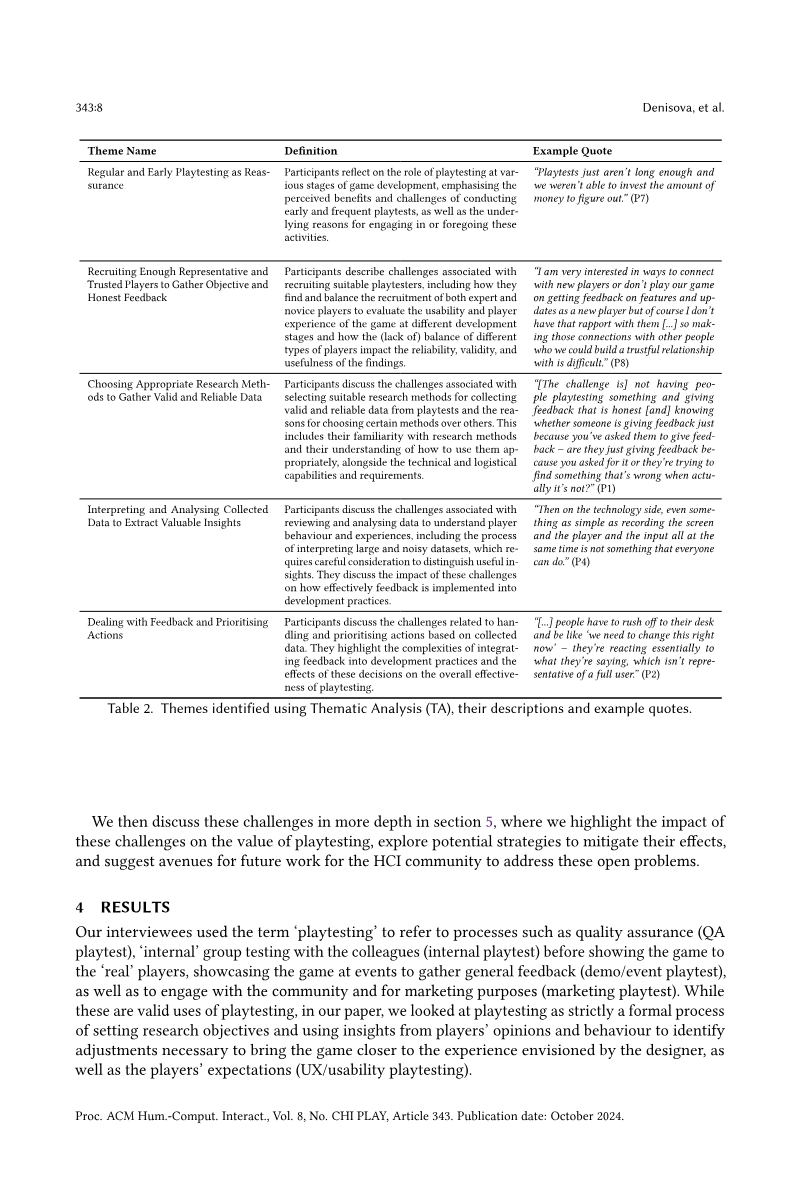
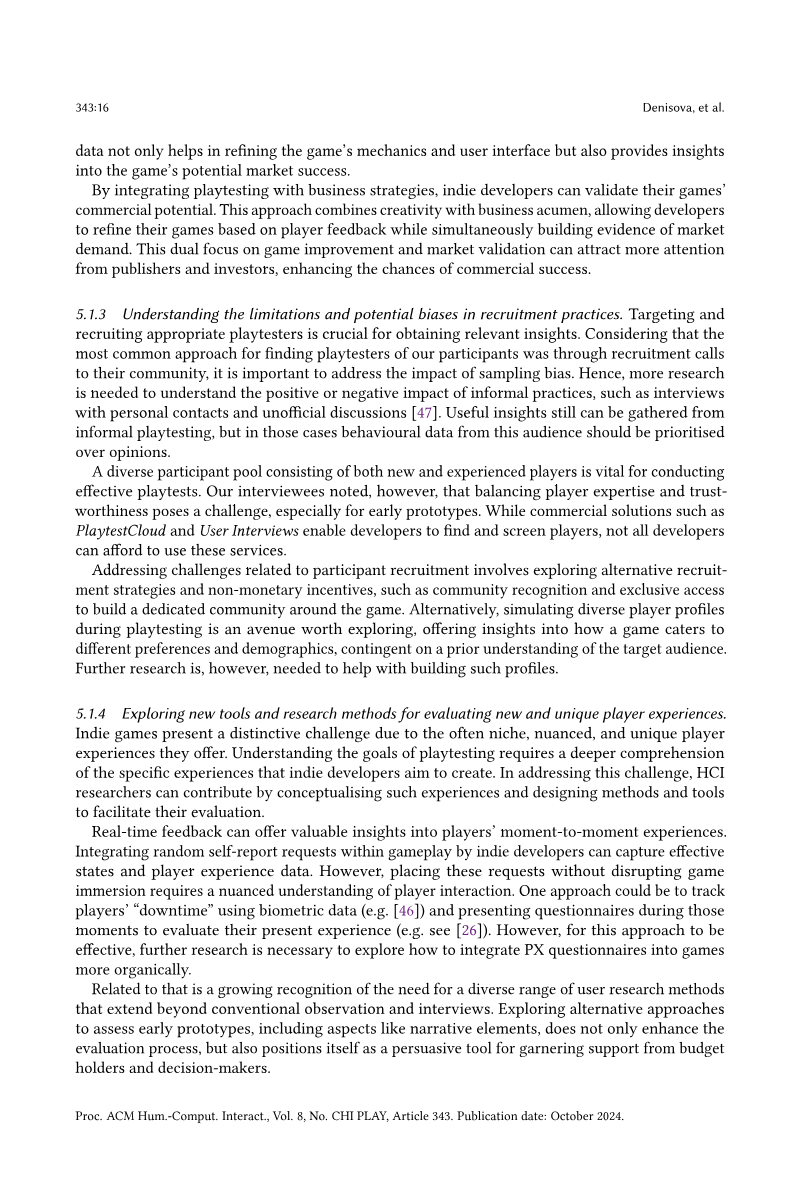
Towards Democratisation of Games User Research: Exploring Playtesting Challenges of Indie Video Game Developers
Association for Computing Machinery · 2024
Whitepaper
How Boardgame Players Imagine Interacting With Technology
ACM CHI PLAY · 2024
Whitepaper
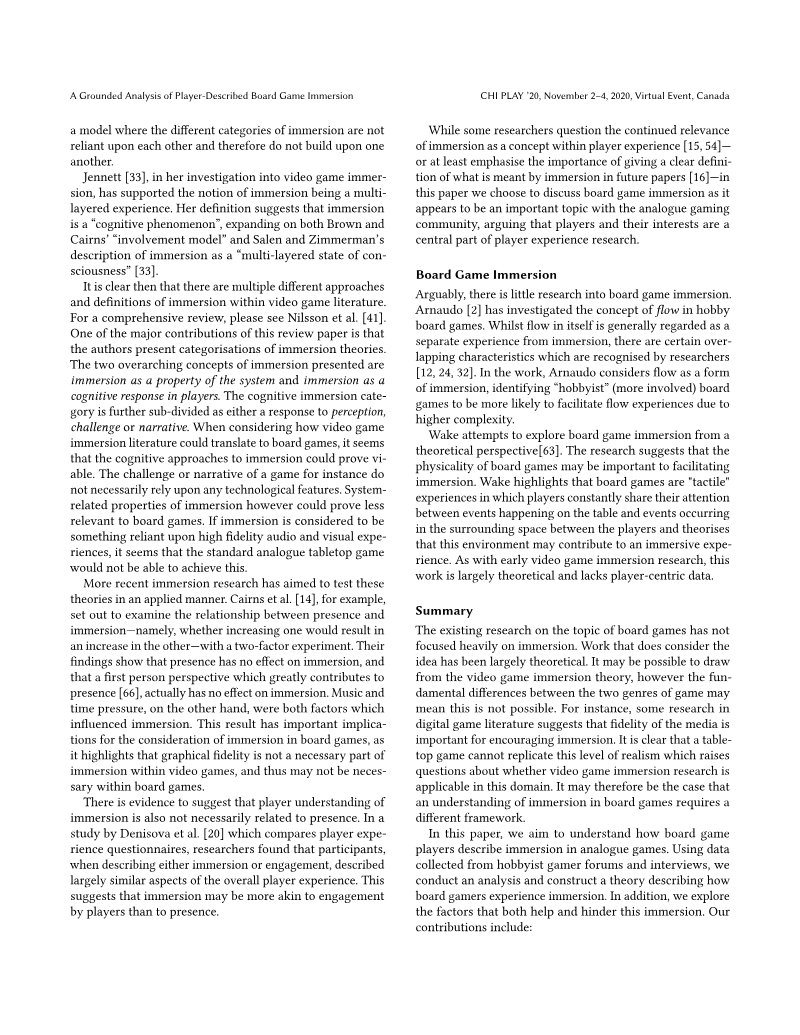
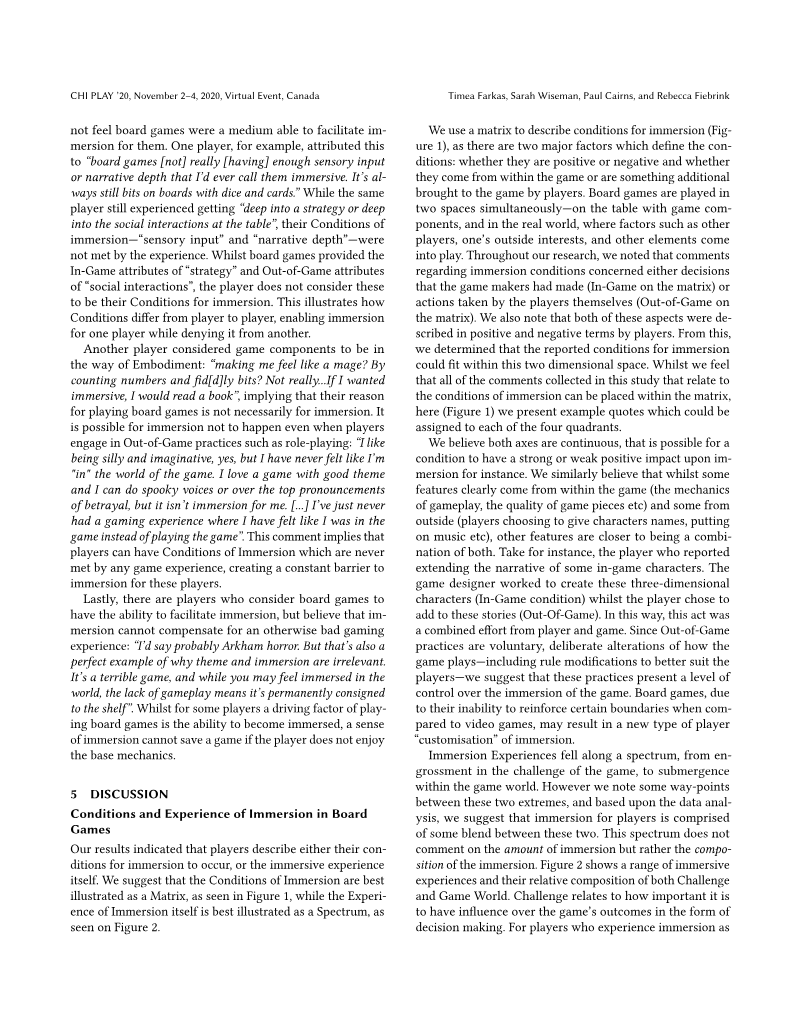
A Grounded Analysis of Player-Described Board Game Immersion
Association for Computing Machinery · 2020