1 free read left. Create a free account for unlimited reading + AI research.
Create free accountArticle Journal of Games Criticism
1 free read left. Create a free account for unlimited reading + AI research.
Create free accountArticleJournal of Games Criticism
Distilling the key insights…
Video games increasingly employ metalepsis—the transgression of boundaries between narrative levels—to dismantle the traditional fourth wall and foster a sense of ontological disorientation. By analyzing titles such as Pony Island and Doki Doki Literature Club, it becomes clear that these games utilize both diegetic and interactional techniques to collapse the distance between the player’s reality and the digital environment. This narrative strategy transforms the standard cybernetic relationship between user and software into a site of tension, where the game’s artificiality is not merely a background element but a central component of the horror experience.
These titles effectively manipulate nondiegetic machine acts, such as mimicking operating system notifications or forcing the player to interact directly with game files, to blur the lines between fiction and the player's external environment. By intentionally incorporating designed jank and moments of forced inaction, these games strip away traditional player agency, compelling users to act as metaphorical programmers. This shift forces players to engage with the underlying code to resolve narrative conflicts, thereby challenging conventional notions of authorship and the structural integrity of the game world.
Ultimately, the use of metaleptic devices serves as a powerful narrative tool to evoke uncertainty and heighten awareness of the game’s cybernetic structure. By treating the boundary between the player and the software as a dynamic, permeable membrane, these games expose the artifice of the medium. This analytical framework highlights how modern interactive media can transcend traditional storytelling by integrating the player’s own reality into the narrative, effectively turning the act of playing into a confrontation with the system itself.
Each row is a game or company this document names, each column a document, oldest first. A mark means that document names it. Select a row to see those documents.
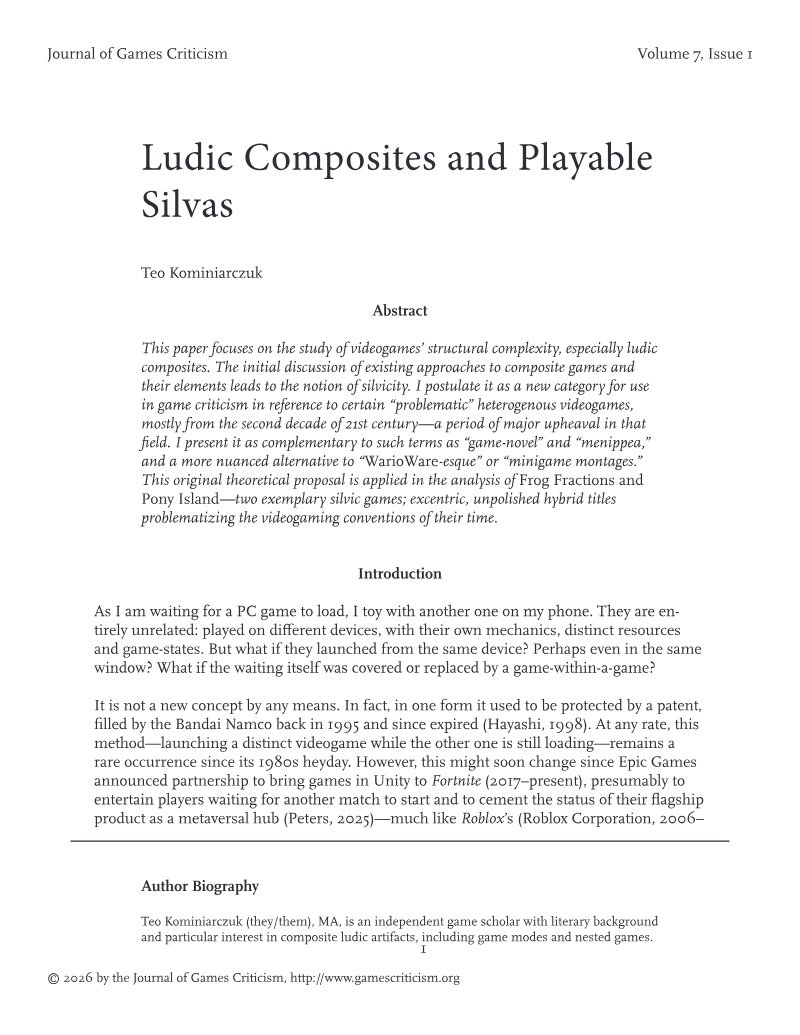
Journal of Games Criticism · 2026
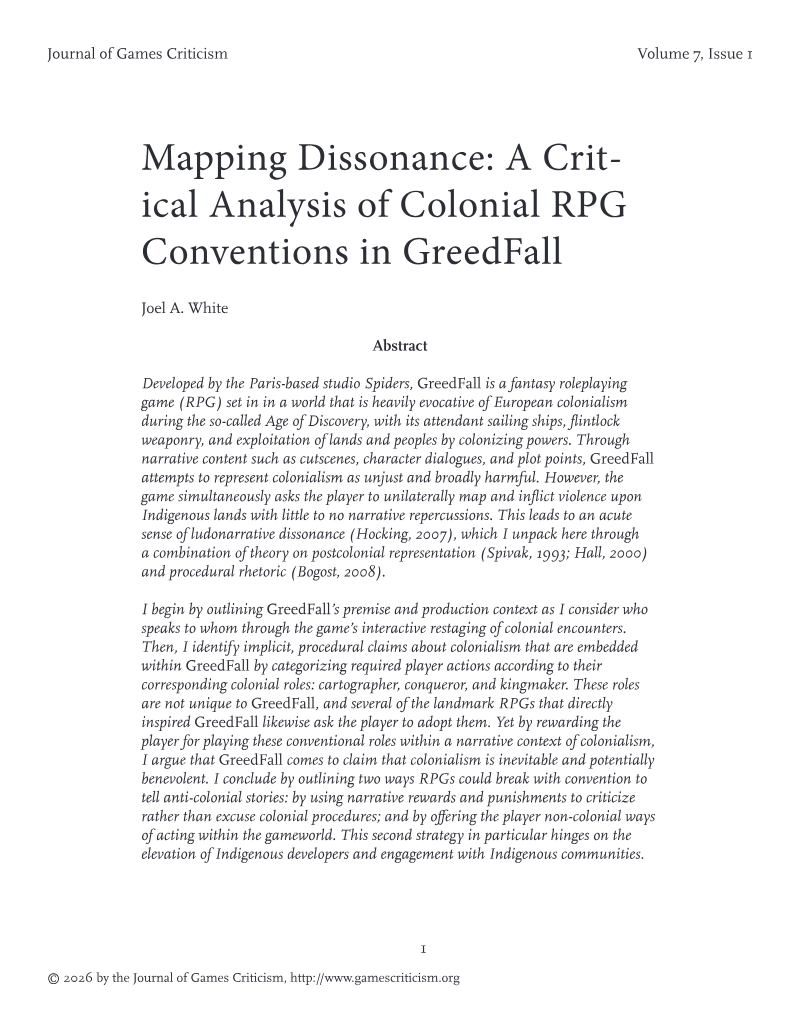
Journal of Games Criticism · 2026
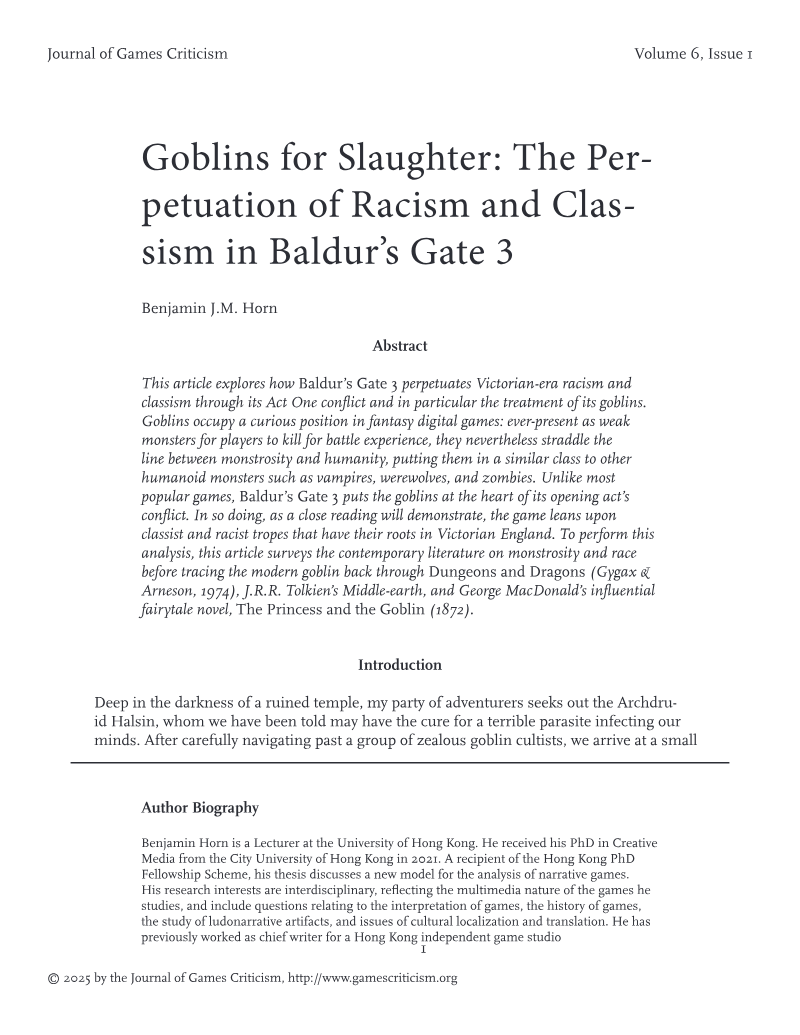
Journal of Games Criticism · 2025
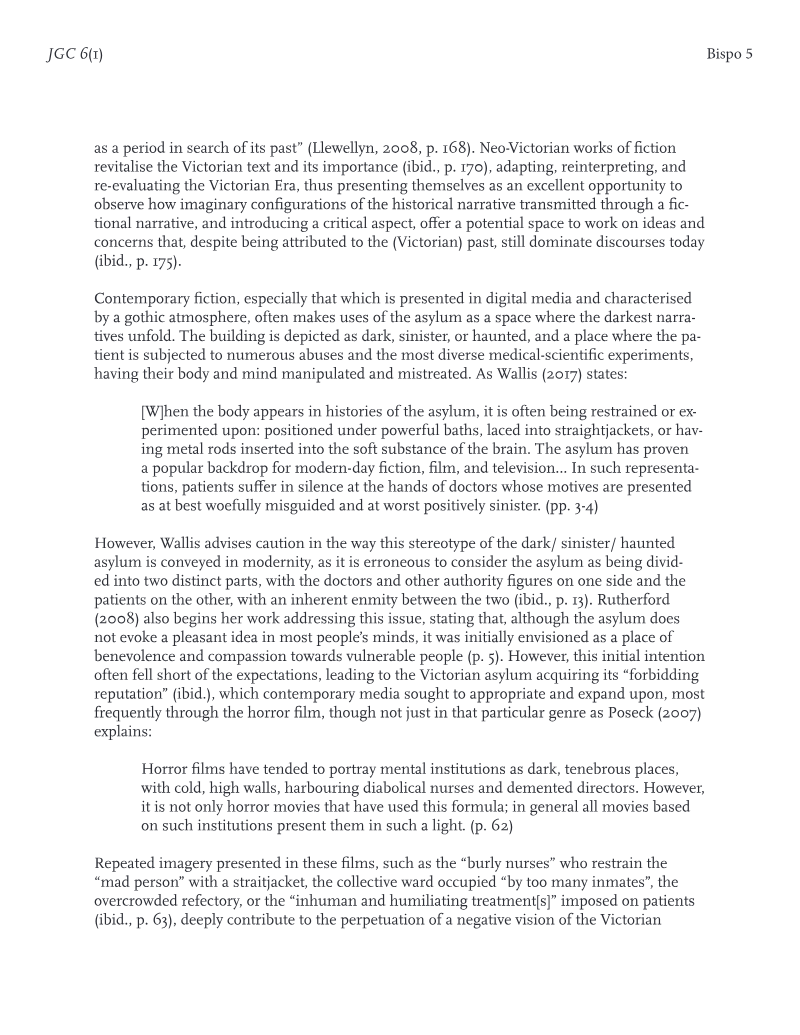
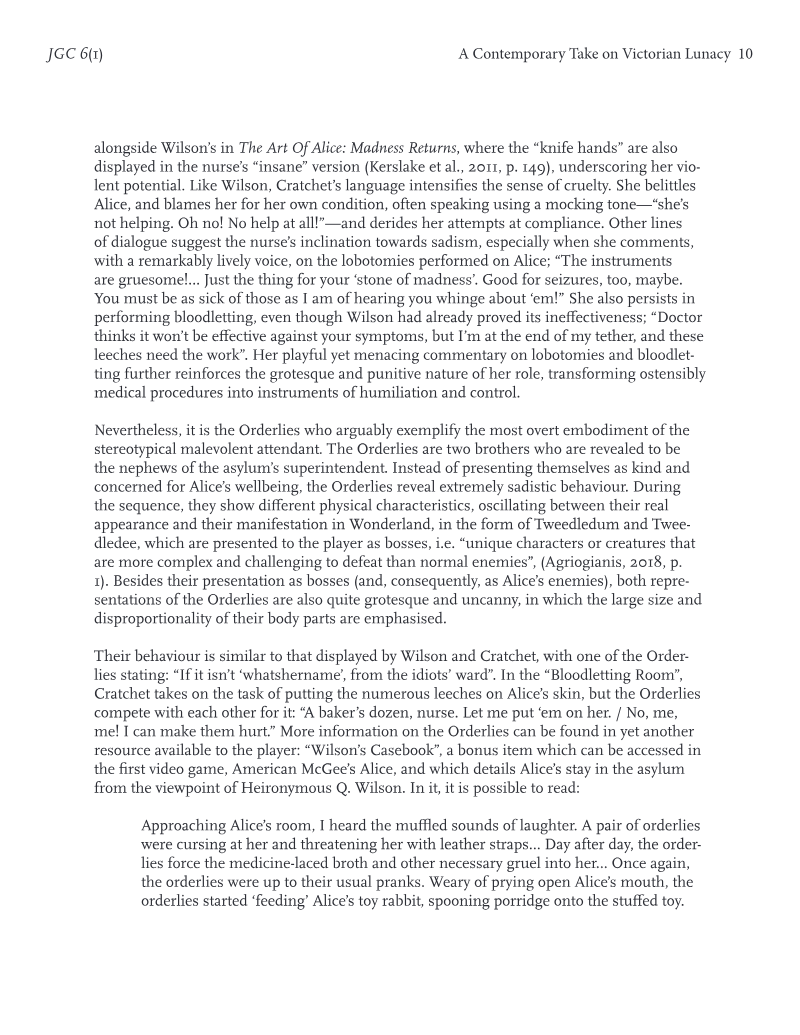
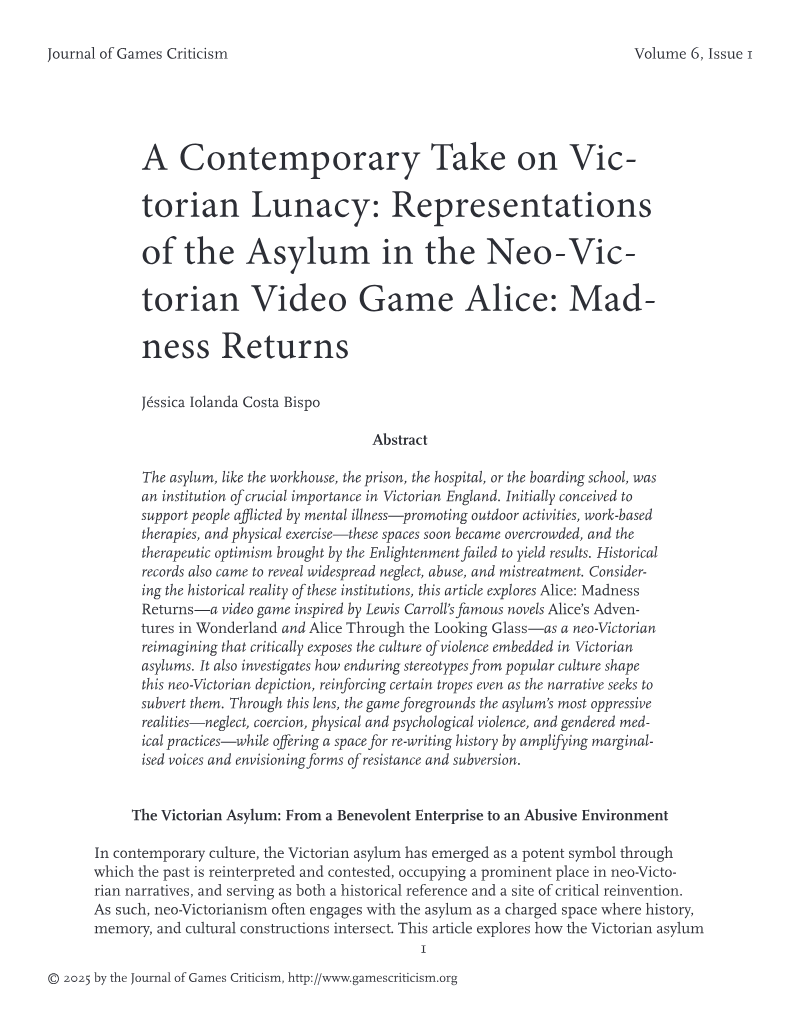
Journal of Games Criticism · 2025
Journal of Games Criticism · 2025
Journal of Games Criticism · 2025

Journal of Games Criticism · 2024
Journal of Games Criticism · 2024
Journal of Games Criticism · 2024
Journal of Games Criticism · 2024
Journal of Games Criticism · 2024

Journal of Games Criticism · 2024
UIN Syarif Hidayatullah Jakarta · 2023