1 free read left. Create a free account for unlimited reading + AI research.
Create free accountWhitepaper DiGRA
1 free read left. Create a free account for unlimited reading + AI research.
Create free accountWhitepaperDiGRA
It examines how cultural proximity, developer origin, genre, and narrative appeal shape reception across borders.
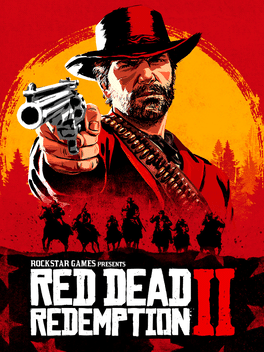
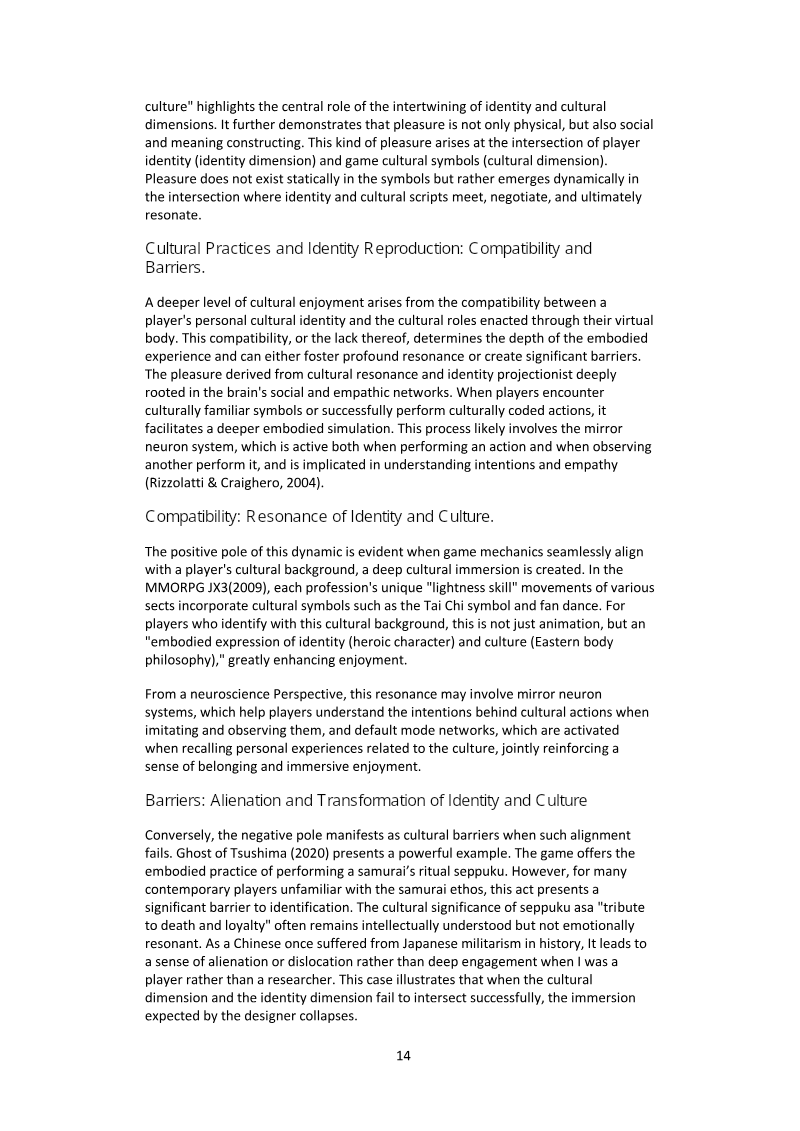
This study compares how players from Chinese, Japanese, and English-speaking communities respond to four culturally distinct video games: Black Myth: Wukong and Total War: THREE KINGDOMS (both with Chinese cultural themes), Ghost of Tsushima (Japanese culture), and Red Dead Redemption 2 (American culture). Using Steam player reviews collected between 2019 and mid-2025 and analyzed through co-occurrence network analysis in KH Coder, the research examines how cultural proximity, developer origin, genre, and narrative appeal shape cross-cultural reception and the potential for cultural dissemination through games.
The central finding is that Chinese and Japanese players engage most deeply with culturally familiar or proximate narratives, attending closely to historical background, mythology, and cultural detail, while still valuing gameplay. Chinese reviewers expressed strong cultural pride in Black Myth: Wukong, and Japanese reviewers praised the respectful portrayal of samurai culture in Ghost of Tsushima. English-speaking players, by contrast, concentrated overwhelmingly on universal gameplay elements such as combat, story, and game systems, with culturally specific terms appearing less centrally, except where the depicted culture was highly familiar, as with Red Dead Redemption 2.
The review corpus is substantial for most titles, though it is uneven: Chinese reviews of Black Myth: Wukong were restricted to a January to June 2025 window, and Japanese review counts were comparatively small across all games. Analysis was conducted in each review's original language to preserve linguistic and emotional nuance. Across groups, excellent character development and storytelling, particularly Arthur's narrative in Red Dead Redemption 2, emerged as a shared point of emotional engagement that appears to cross cultural boundaries.
The authors acknowledge that the study's limited sample of four games and uncontrolled genre differences constrain its conclusions. They propose future work combining qualitative interviews and broader quantitative surveys to examine perceptions of cultural authenticity and the role of developer origin more directly.
DiGRA · 2026
DiGRA · 2007