1 free read left. Create a free account for unlimited reading + AI research.
Create free accountWhitepaper DiGRA
1 free read left. Create a free account for unlimited reading + AI research.
Create free accountWhitepaperDiGRA
The authors argue that the optional "Kurosawa Mode" draws on the prestige of the director's estate-endorsed style. They say it leaves out late works and contemporary-set films.
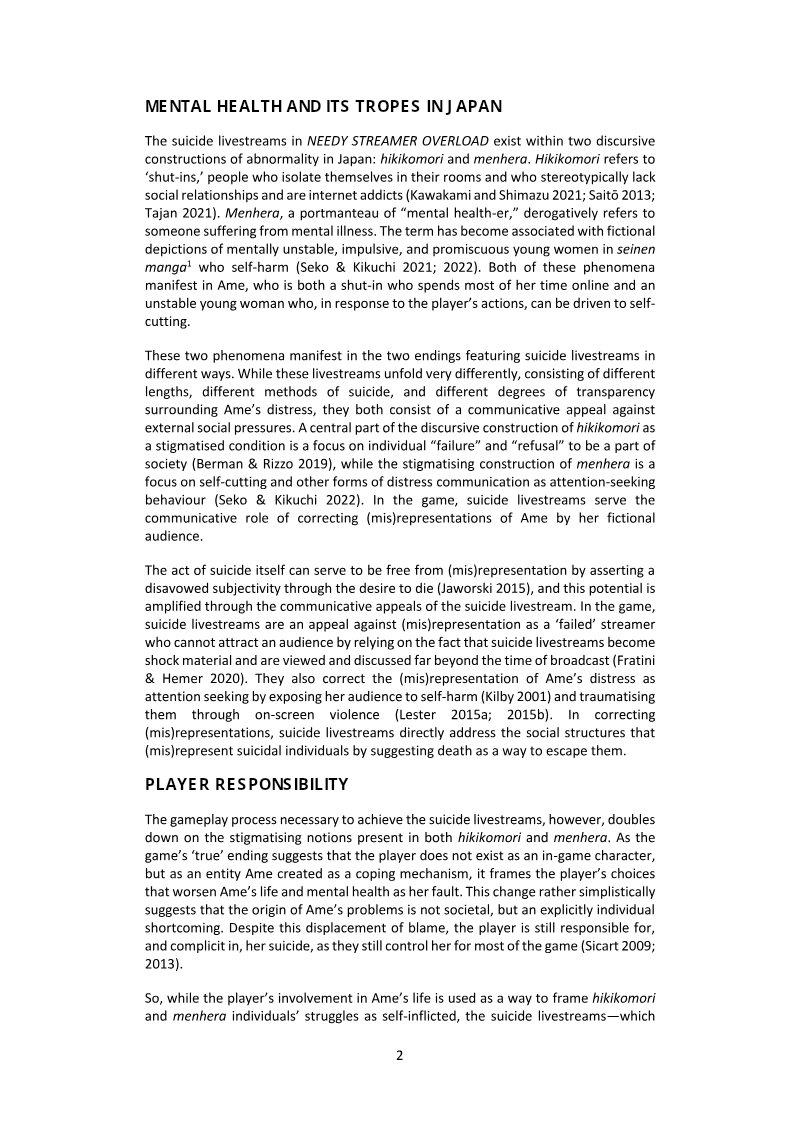
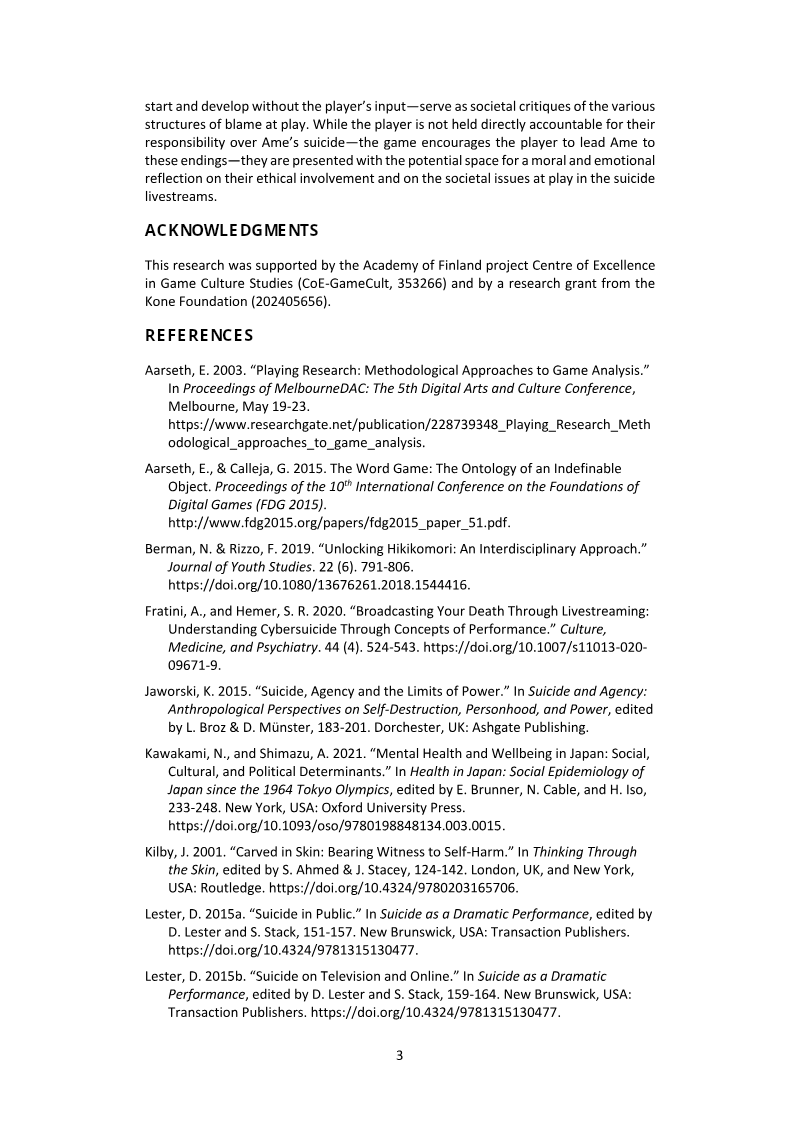
This analysis examines how Ghost of Yōtei remediates Japanese cinema and history, with particular attention to its optional "Kurosawa Mode," which draws on the prestige of the director's estate-endorsed style. The authors argue that this mode offers a narrow, samurai-focused reading of Kurosawa's output, excluding major late works such as Ran (1985), which employed vivid color, as well as contemporary-set and anti-nuclear films like I Live in Fear (1955) and Rhapsody in August (1991). Rather than grounding its authenticity in historical research, as titles like Assassin's Creed do, the game embraces an openly ahistorical cinematic pastiche of mid-twentieth-century Japanese film.
The central claim is that the game remediates Kurosawa's cinematography, including pathetic fallacy, choreographed violence, and Rashomon-style fractured memory, alongside Western frontier tropes. Its treatment of the Ainu combines authentic cultural details with reductive "noble native" representations shaped by American Indian stereotypes and by the scarcity of Ainu-authored sources. The game also frames Ezo as a colonial frontier, anachronistically depicting Japanese colonization in 1603, decades before assimilation policies took hold in the Meiji era. Partial counterpoints appear in its emphasis on forced assimilation and its reference to the 1669 Ainu revolt.
Across the analysis, the authors conclude that the game's portrayal of Ainu history is constrained by its limited source base and its reliance on familiar frontier narratives, with economic marginalization, language loss, and surviving artefacts largely unaddressed. Nonetheless, the title, including its "Watanabe Mode" soundtrack referencing Samurai Champloo, is presented as a fertile case for future historical game studies, and the scholarship cited situates it within broader debates on game history and remediation.
DiGRA · 2026
DiGRA · 2026