1 free read left. Create a free account for unlimited reading + AI research.
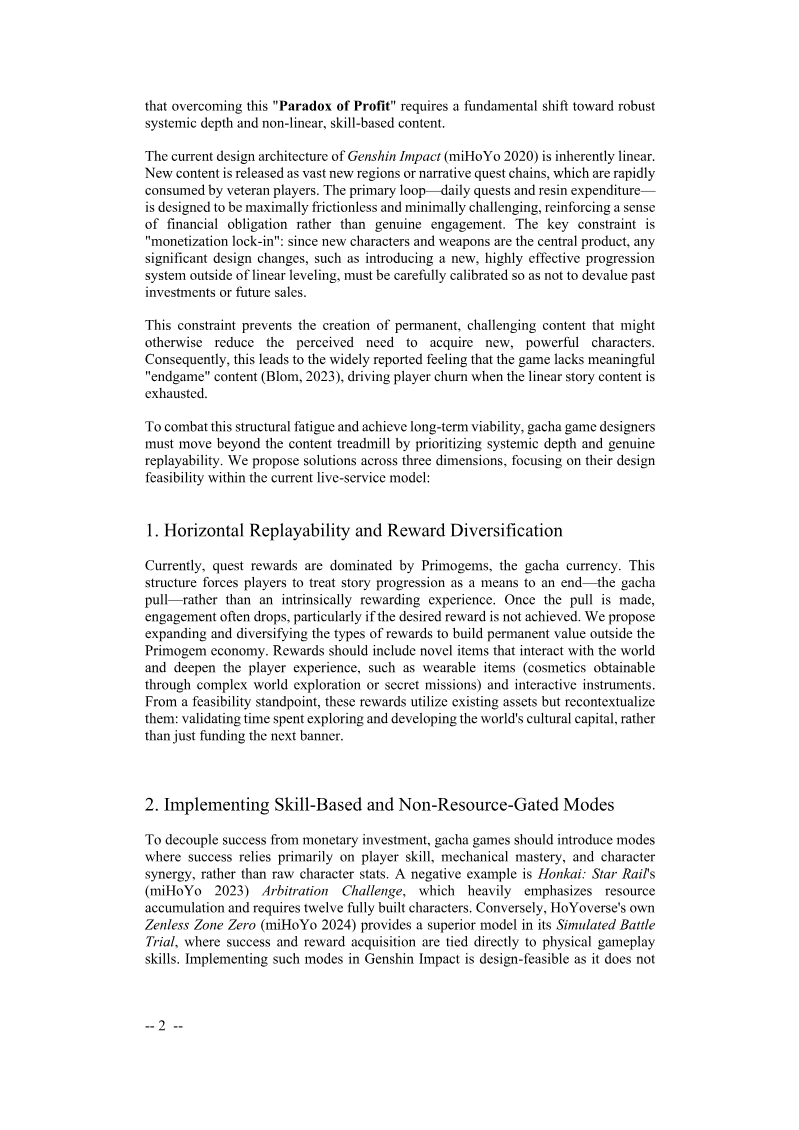
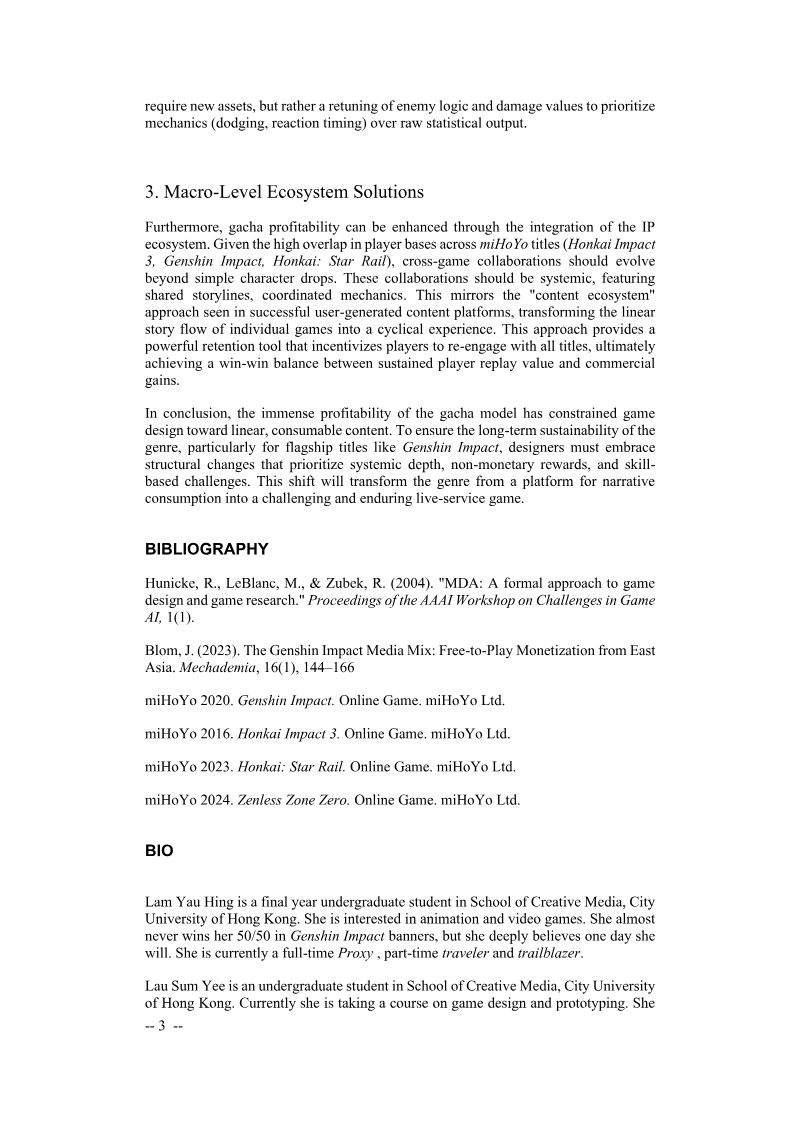
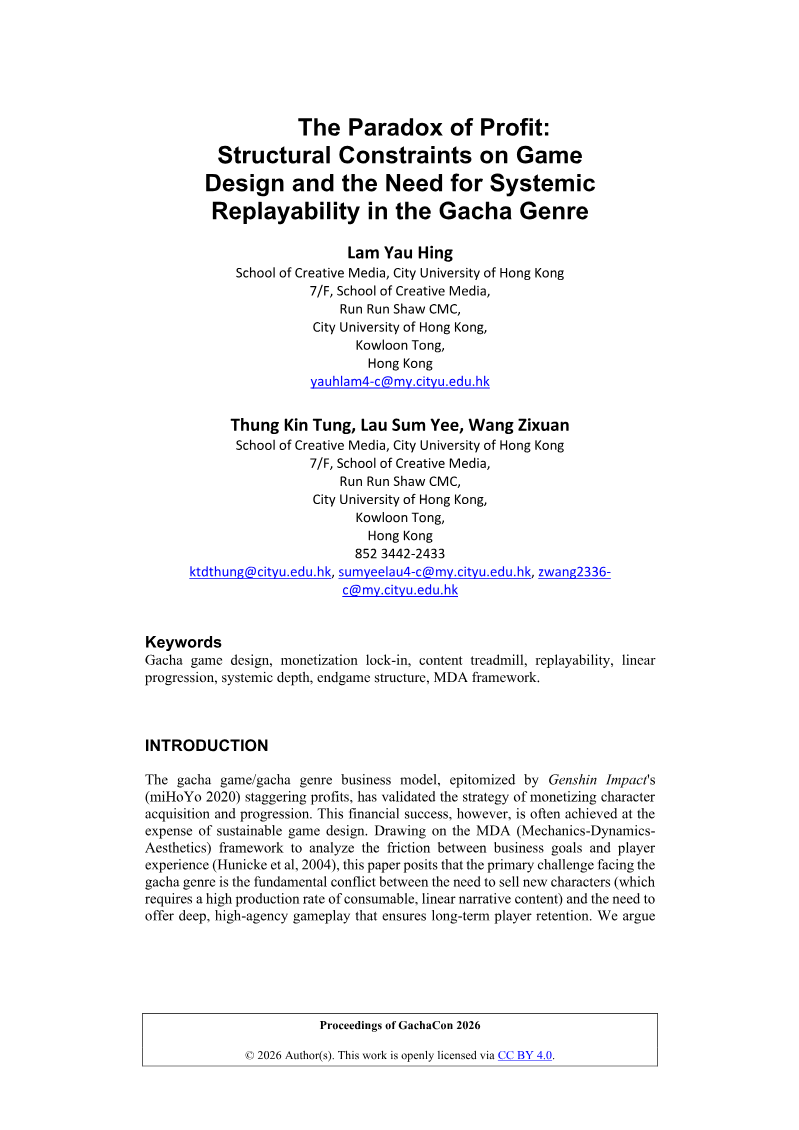
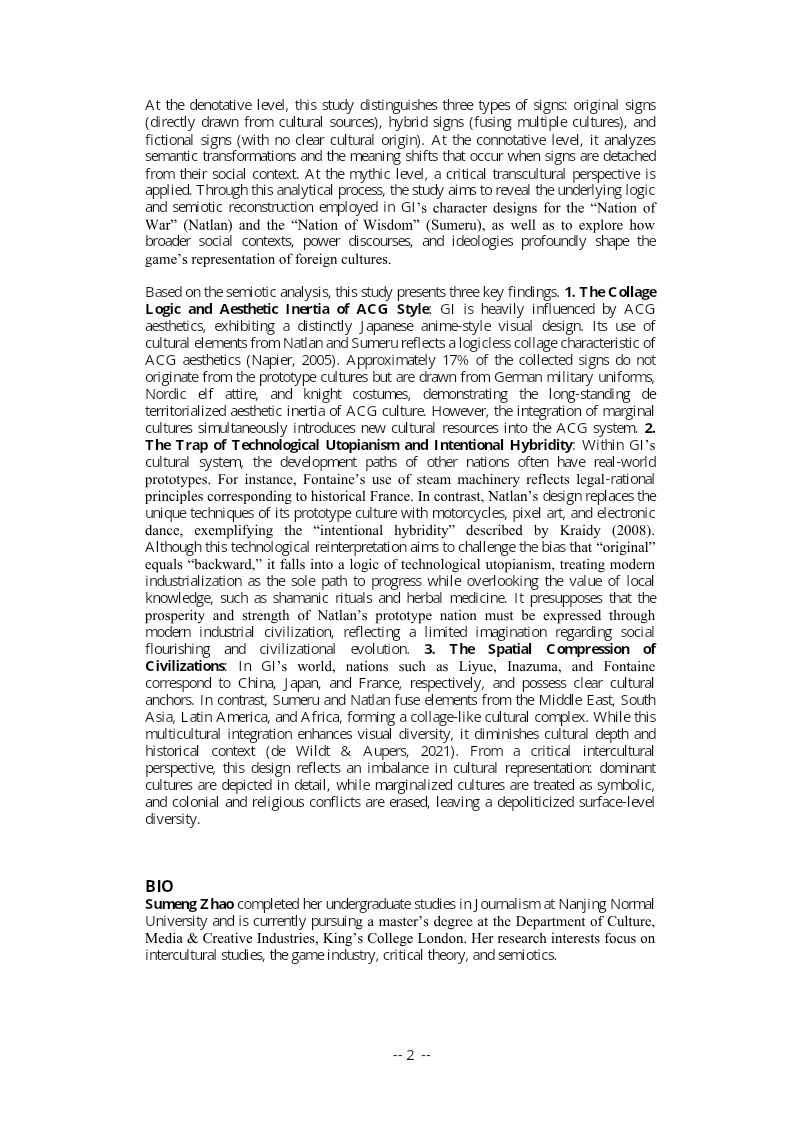
Create free accountWhitepaper DiGRA
1 free read left. Create a free account for unlimited reading + AI research.
Create free accountWhitepaperDiGRA
The study argues that these games are significant, if largely unintentional, carriers of Chinese cultural heritage in the digital age.
This study examines how Chinese horror games represent cultural heritage, organizing its analysis around two dimensions: "Tangible (Perceptible Heritage)" and "Terrifying (Affective Heritage)." Its central argument is that these games act as significant, if largely unintentional, carriers of Chinese cultural heritage in the digital age. The author draws on Xenia Zeiler's classification of heritage-related games and Laurajane Smith's view of heritage as a meaning-making process, while acknowledging that scholars have not yet reached a unified definition of "Chinese-style horror." Chinese horror games are broadly defined here as titles developed in Mandarin, Cantonese, or Hokkien and aimed primarily at Chinese-speaking players.
The analysis centers on three case studies: Paranormal HK, Detention, and Firework. Each is examined for how it reconstructs recognizable material spaces and embeds folk customs, symbols, and rituals to make perceptible heritage tangible. The horror mechanism then uses these elements as triggers that amplify affective heritage. The study identifies three such affective strands: Hong Kong's urban spatial oppression and local ghost lore, Taiwan's historical political trauma and surveillance anxiety, and the rural social reflections and collective melancholy accompanying China's early-2000s modernization.
The findings indicate that these games transform perceptible heritage into interactive experiences, with the horror genre serving as the key link between tangible and affective heritage. They reveal collective memories, anxieties, and reflections rooted in Chinese culture, and they function as unintentional digital archives while offering social commentary on modernization and regional development. The paper also observes that the cultural heritage embedded in Chinese digital games remains underexplored in existing scholarship, positioning Chinese horror games as a valuable addition to research on heritage representation in digital media.
 NetEaseCompany · China · founded 2001 · 241 documents
 Game ScienceCompany · China · founded 2014 · 15 documents
 Tencent HoldingsCompany · China · founded 2003 · 856 documents
 Honor of KingsGame · TiMi Studio Group · 2015 · 332 documents
 Black Myth: WukongGame · Game Science · 2024 · 73 documents
Each row is a game or company this document names, each column a document, oldest first. A mark means that document names it. Select a row to see those documents.
DiGRA · 2026
DiGRA · 2026