1 free read left. Create a free account for unlimited reading + AI research.
Create free accountWhitepaper DiGRA
1 free read left. Create a free account for unlimited reading + AI research.
Create free accountWhitepaperDiGRA
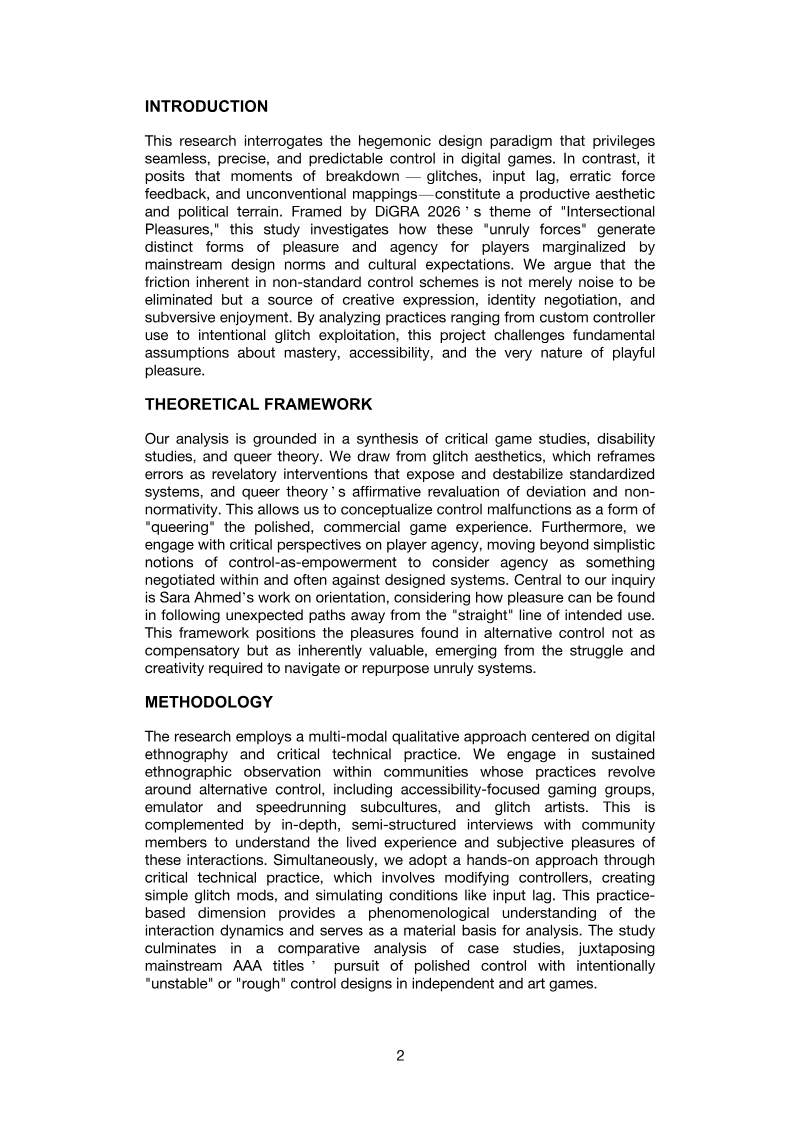
Genshin Impact: Cultural Hybridisation, Localisation and Contra-Flow of Cultural Production in China's Open-World Role-Playing Game examines how miHoYo's open-world title operates as a case of Chinese cultural production reshaping the global games industry. The study argues that the game's blend of Chinese motifs, Japanese anime aesthetics, American open-world mechanics, and global mythologies represents a multidirectional "contra-flow" that challenges the long-standing dominance of US and Japanese publishers. Its commercial scale anchors this argument, with the game generating roughly $3 billion in mobile revenue within a single month and around 70 percent of that income coming from outside China.
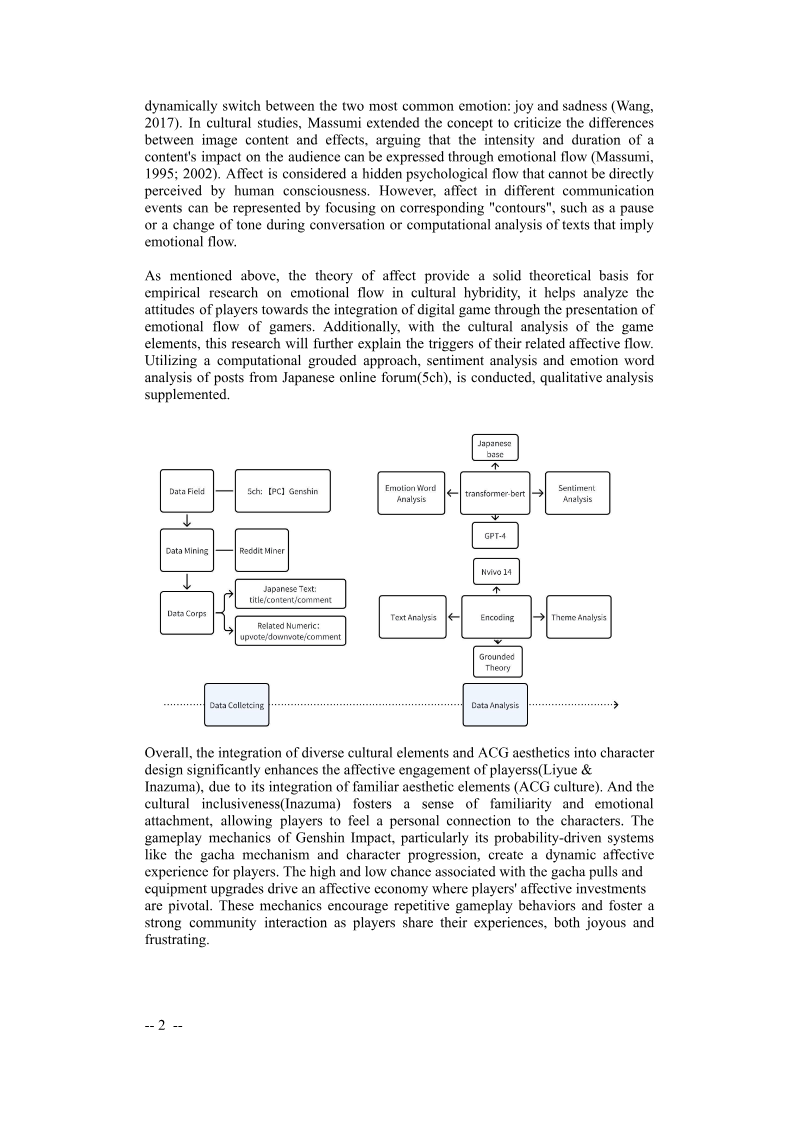
The analysis rests on qualitative methods, combining participant observation, textual analysis, and thematic analysis of roughly 800 reviews and social media posts drawn from English and Chinese platforms, including Reddit, Weibo, Baidu, and the official Miyoushe forum. Character design, particularly the figure of Zhongli, serves as a central case for showing how Confucian, Mohist, and Daoist thought is embedded in the game's narrative and aesthetics, while the authors caution that such framing can slide into reductive or commodified portrayals of these traditions. Festival adaptations such as Moonchase and Lantern Rite are similarly read as strategies that broaden global appeal at some cost to cultural meaning.
The study's most distinctive contribution lies in its localisation analysis, which finds that English translations often flatten culturally loaded terms and that voice acting and characterisation, especially for figures such as Baal, Sara, and Xiao, generate substantial player criticism. The authors conclude that these localisation gaps reveal a persistent tension between commercial globalisation and cultural fidelity, and that they weaken the game's transcultural appeal. The controversies surrounding representation, including the Hilichurl design and Sumeru skin-tone debates, further underline the ethical stakes of hybrid cultural production in a transnational market.
Each row is a game or company this document names, each column a document, oldest first. A mark means that document names it. Select a row to see those documents.

DiGRA · 2026

DiGRA · 2026



DiGRA · 2026



DiGRA · 2026



DiGRA · 2026



DiGRA · 2026



DiGRA · 2026



DiGRA · 2026

DiGRA · 2026



DiGRA · 2026



DiGRA · 2026

DiGRA · 2026
DiGRA · 2026