IFIP International Federation for Information Processing
6 reports, presentations and talks by IFIP International Federation for Information Processing in the Game Industry Library, the newest “Learning Success, Engagement and Fun: Evaluating an Educational Game in Higher Education” (2025).
Documents
Learning Success, Engagement and Fun: Evaluating an Educational Game in Higher Education
The educational game Welten der Werkstoffe serves as a viable alternative to traditional homework assignments within higher education materials science curricula.
- Replacing traditional homework with the educational game 'Welten der Werkstoffe' (WdW) maintained academic standards, with the experimental group achieving a 60.3% pass rate and a 2.76 average grade, compared to 59.3% and 2.89 in the control group.
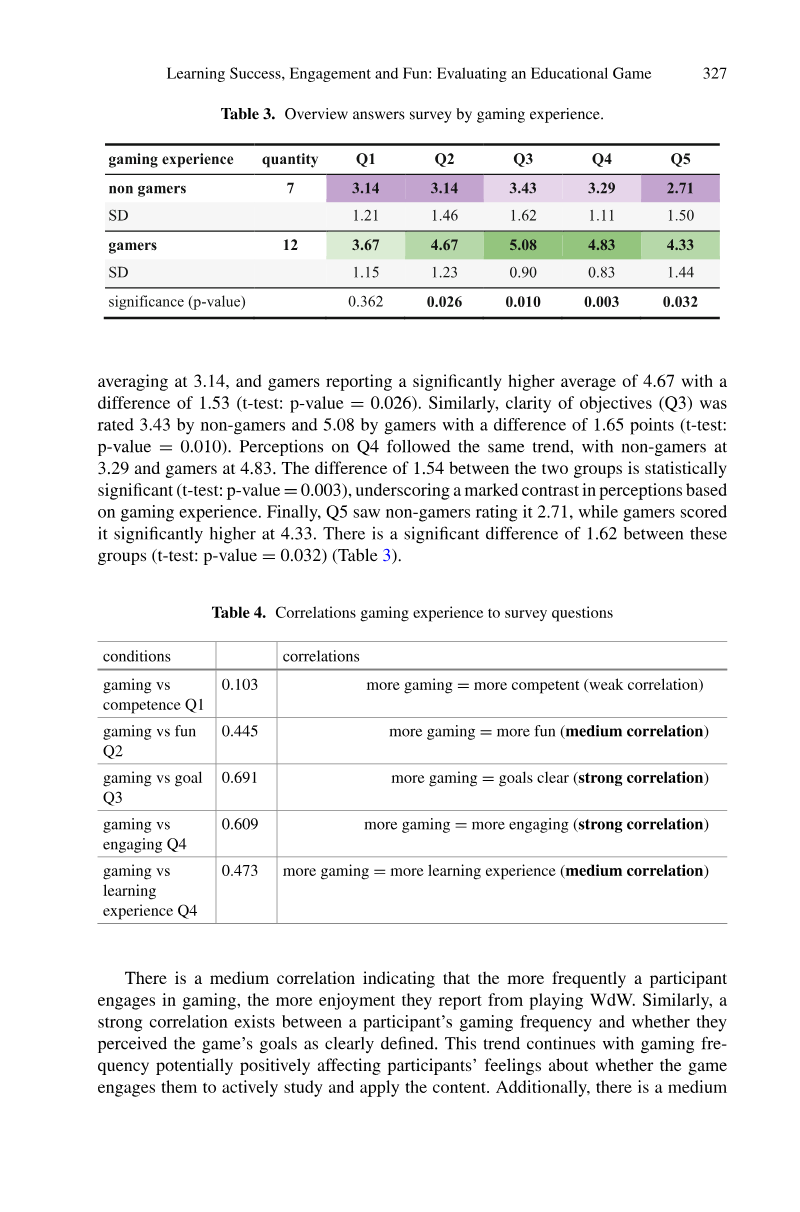
- Gaming experience significantly impacts student perception, as gamers rated game clarity and engagement substantially higher than non-gamers, with statistically significant differences (p < 0.05) across all survey metrics.
- There is a strong correlation between gaming frequency and the perceived clarity of game objectives (0.691) and engagement (0.609), indicating that non-gamers require additional onboarding support to navigate educational games effectively.
Are Aesthetics and Accessibility Conflicting Aspects in Serious Games Design?
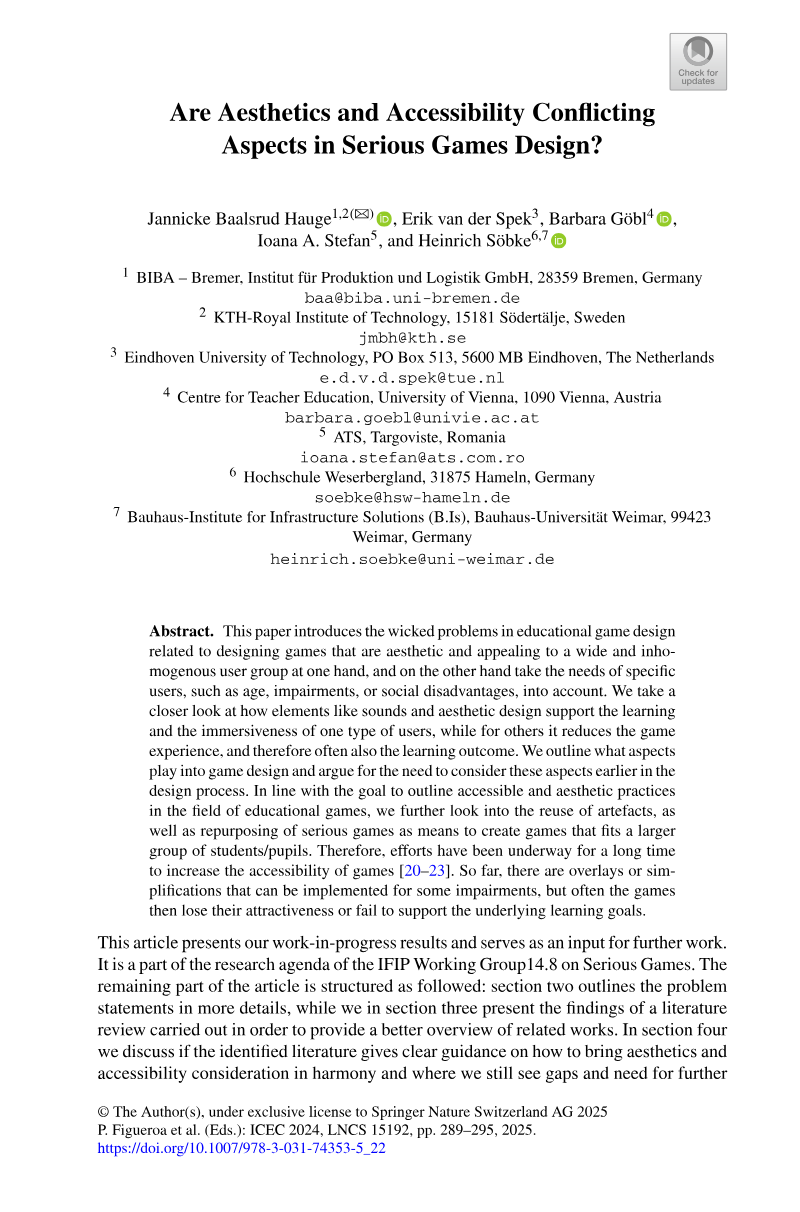
This research explores the tension between aesthetic design and accessibility in the development of serious games.
- Serious games developers must integrate accessibility features early in the development lifecycle rather than treating them as secondary modifications to avoid compromising aesthetic appeal and learning efficacy.
- Current accessibility frameworks are often too abstract or impairment-specific, lacking a holistic, generalizable approach for the serious games industry.
- There is a critical lack of empirical research regarding how specific accessibility modifications directly impact the aesthetic and immersive quality of games.
Identifying the Impact of Game Music both Within and Beyond Gameplay
This research explores the multifaceted impact of game music, challenging the traditional view that its function is limited to the gameplay experience.
Social Gaming Patterns During a Pandemic Crisis: A Cross-cultural Survey
The COVID-19 pandemic fundamentally altered digital interaction, prompting a shift away from social gaming toward solitary play among adult populations in Europe and the Indian subcontinent.
- Contrary to industry assumptions of increased communal activity, the pandemic triggered a shift toward solitary gaming among adult populations in Europe and the Indian subcontinent.
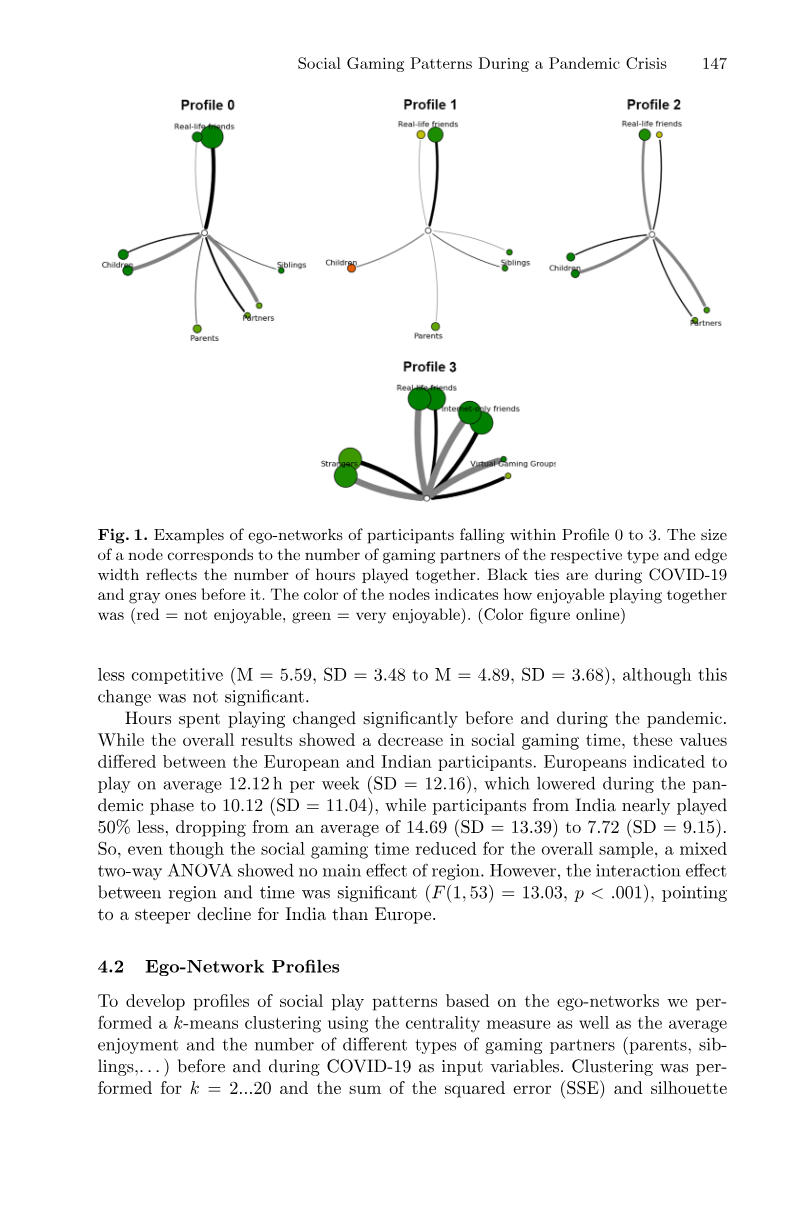
- Data indicates a contraction in social gaming time and a reduction in network centrality, suggesting that crises can drive players toward individualistic habits rather than digital connection.
- Cultural context significantly dictates gaming behavior, with Indian participants experiencing a sharper decline in active gaming partners and enjoyment compared to European players.
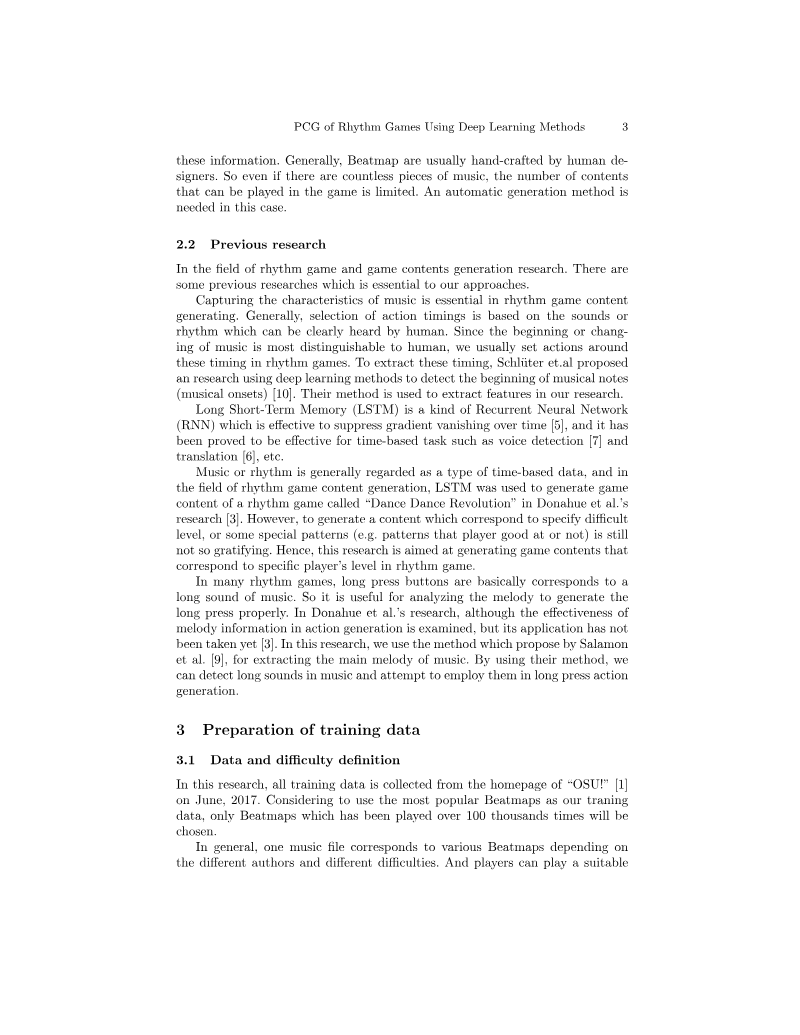
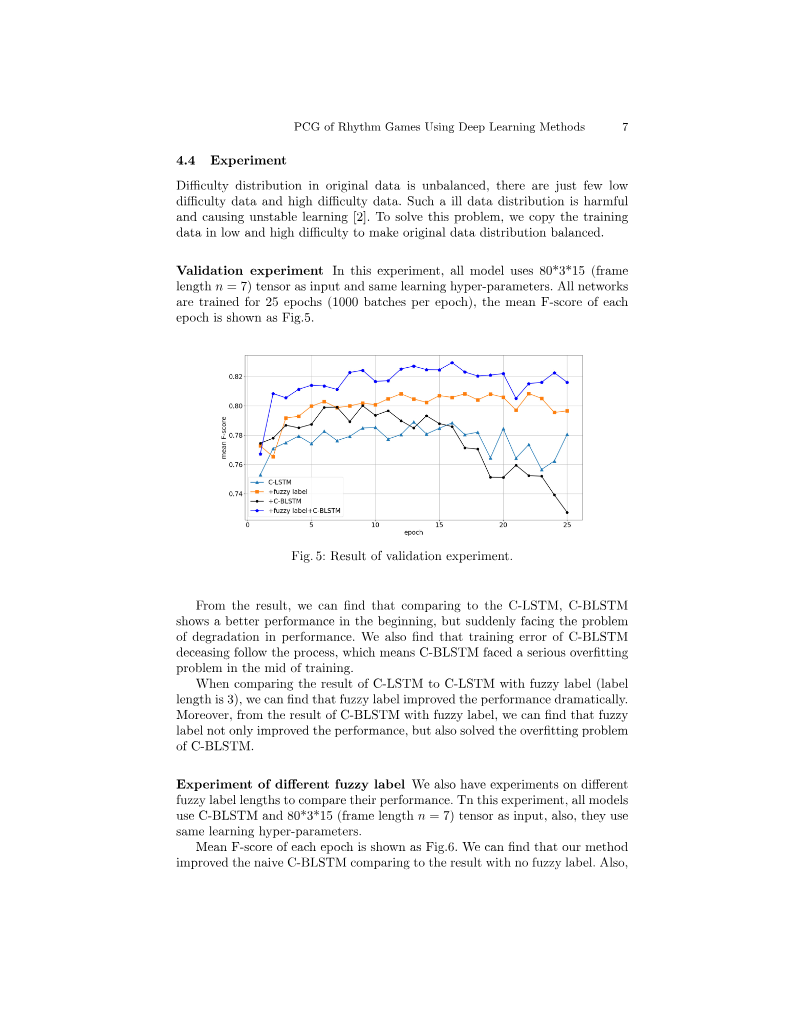

Procedural Content Generation of Rhythm Games Using Deep Learning Methods
This research addresses the challenge of automating the creation of rhythm game content, which is traditionally hand-crafted by human designers.
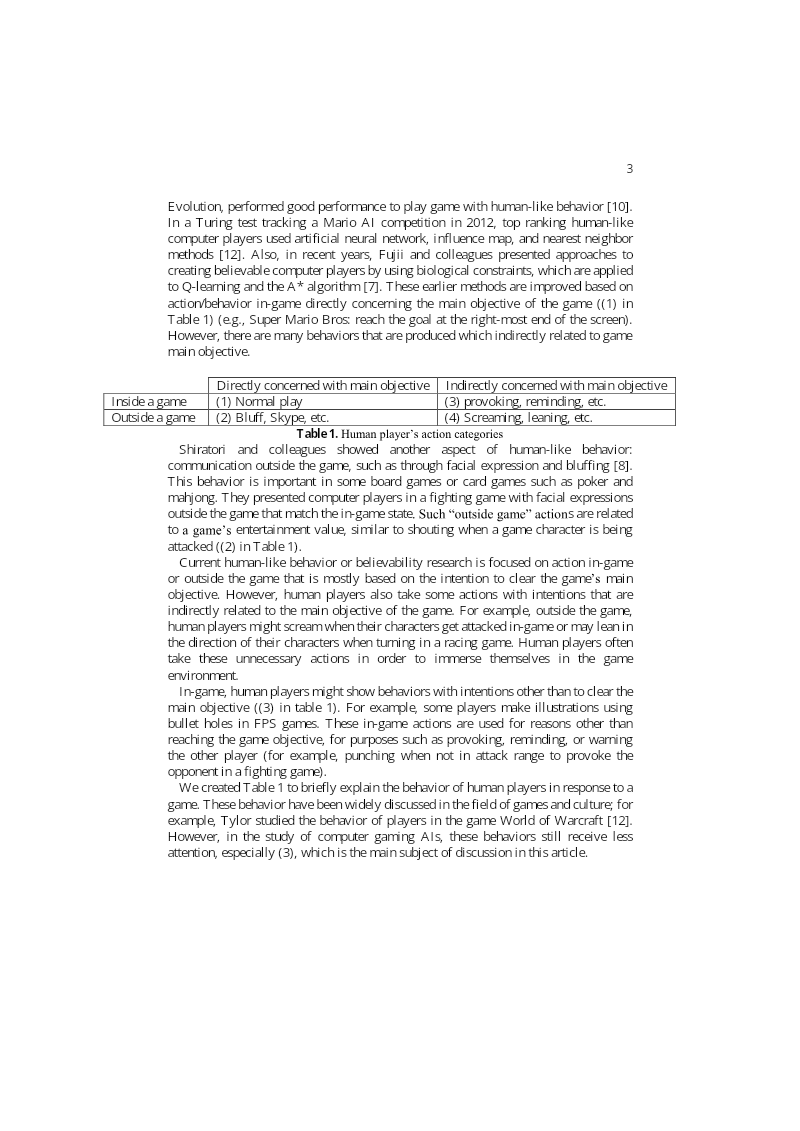
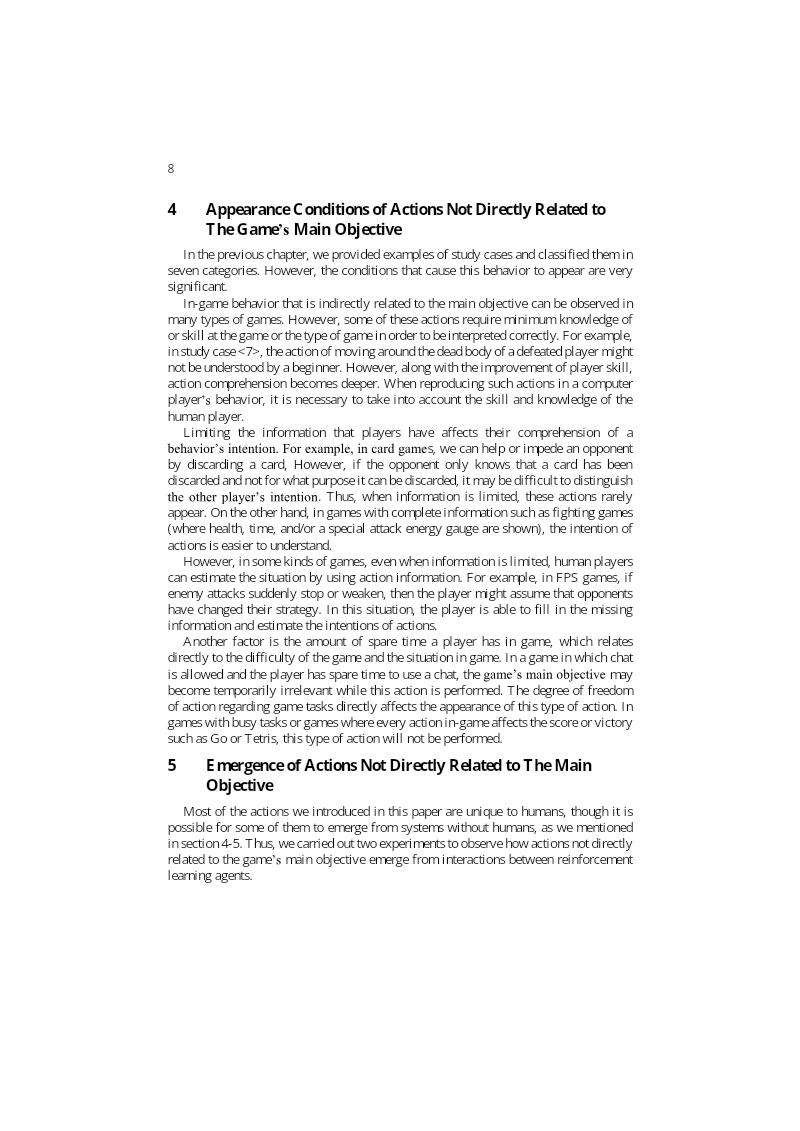

Survey of How Human Players Divert In-game Actions for Other Purposes: Towards Human-Like Computer Players
Achieving true believability in artificial intelligence requires moving beyond the optimization of primary game objectives to incorporate the nuanced, non-functional actions characteristic of human players.
Do you work at IFIP International Federation for Information Processing? Get a free report of how these documents are read and cited here.