1 free read left. Create a free account for unlimited reading + AI research.
Create free accountWhitepaper Springer
1 free read left. Create a free account for unlimited reading + AI research.
Create free accountWhitepaperSpringer
Deep df-pn functions as an advanced iteration of the proof-number search algorithm, specifically engineered to resolve the seesaw effect that frequently degrades performance in game-tree searches. This phenomenon occurs when an algorithm oscillates inefficiently between subtrees of comparable size, leading to redundant computations. By replacing static proof and disproof values with a depth-dependent function governed by two adjustable parameters, the algorithm gains the flexibility to modulate search behavior between broad and deep exploration. This mechanism allows the search process to maintain focus and consistency, effectively mitigating the instability inherent in standard proof-number search implementations.
Empirical testing within the domain of Connect6 confirms that Deep df-pn significantly outperforms both standard df-pn and the established 1+epsilon trick. Across various test positions, the algorithm demonstrates a substantial reduction in the number of nodes visited and a marked improvement in overall search efficiency. Furthermore, the integration of a relevance-zone-oriented approach ensures that the search remains concentrated on critical game states. The stability of these results suggests that the algorithm is highly robust and well-suited for complex decision-making environments.
The optimization of the algorithm is facilitated by a hill-climbing method, which reliably identifies ideal parameters with minimal computational overhead. This approach achieves performance levels nearly identical to theoretical best-case scenarios, underscoring the practical utility of the method. While current findings are centered on Connect6, the success of this depth-dependent parameterization suggests potential for broader application. Future research should focus on validating these improvements across more balanced game trees and further refining the parameter optimization process to ensure consistent performance across diverse strategic contexts.

Springer · 2026

Springer · 2025


Springer · 2024
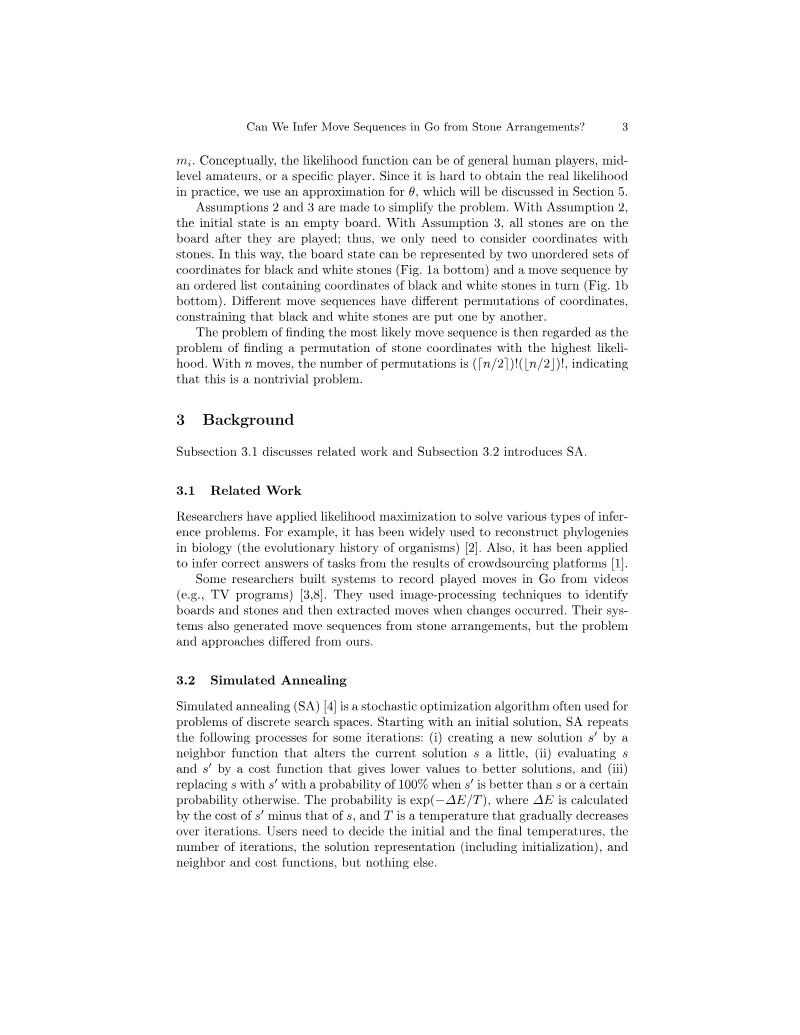
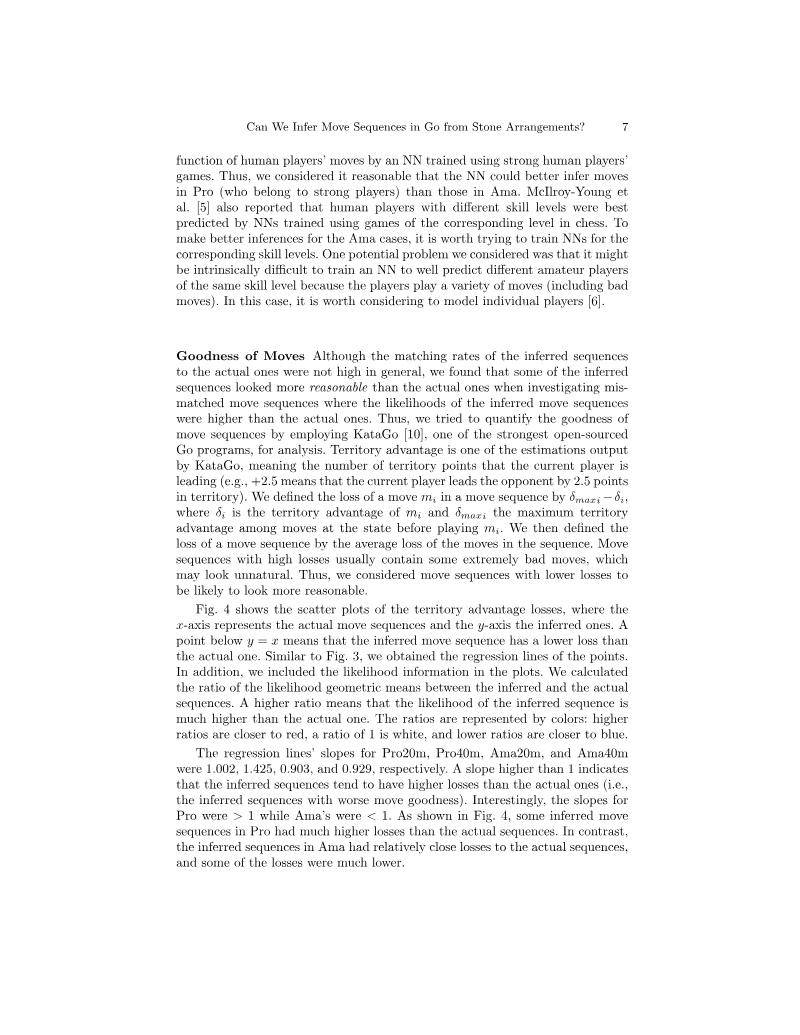

Japan Advanced Institute of Science and Technology · 2024


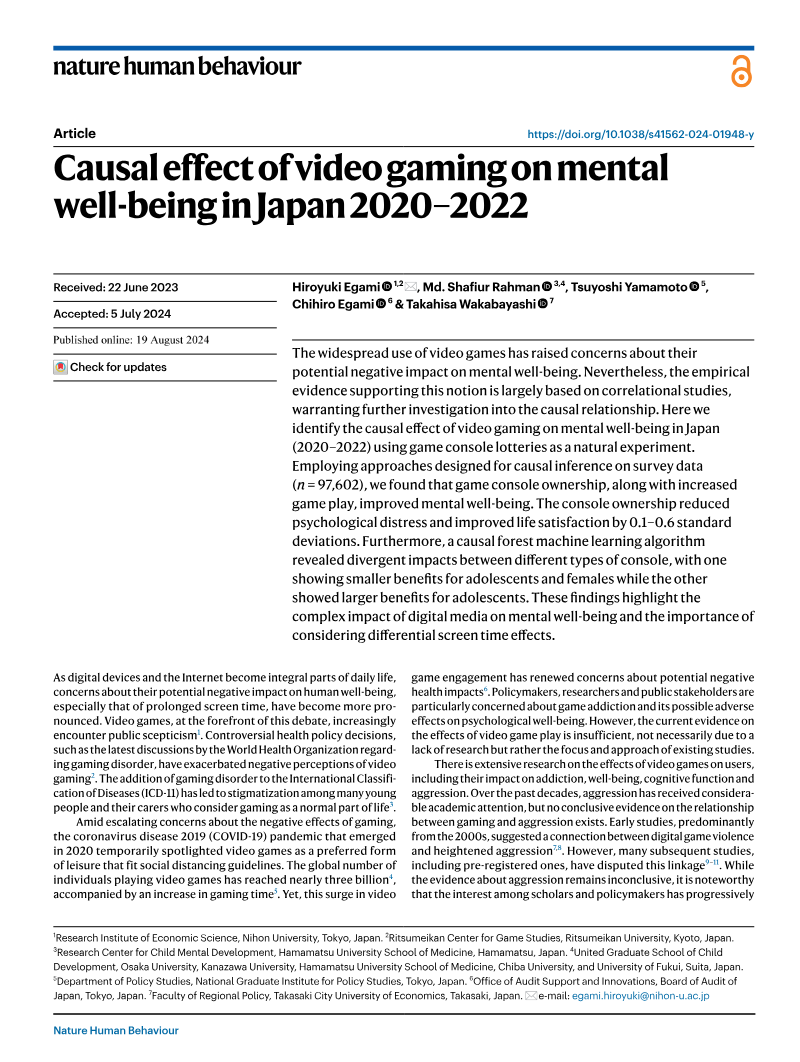
Springer Science and Business Media LLC · 2024
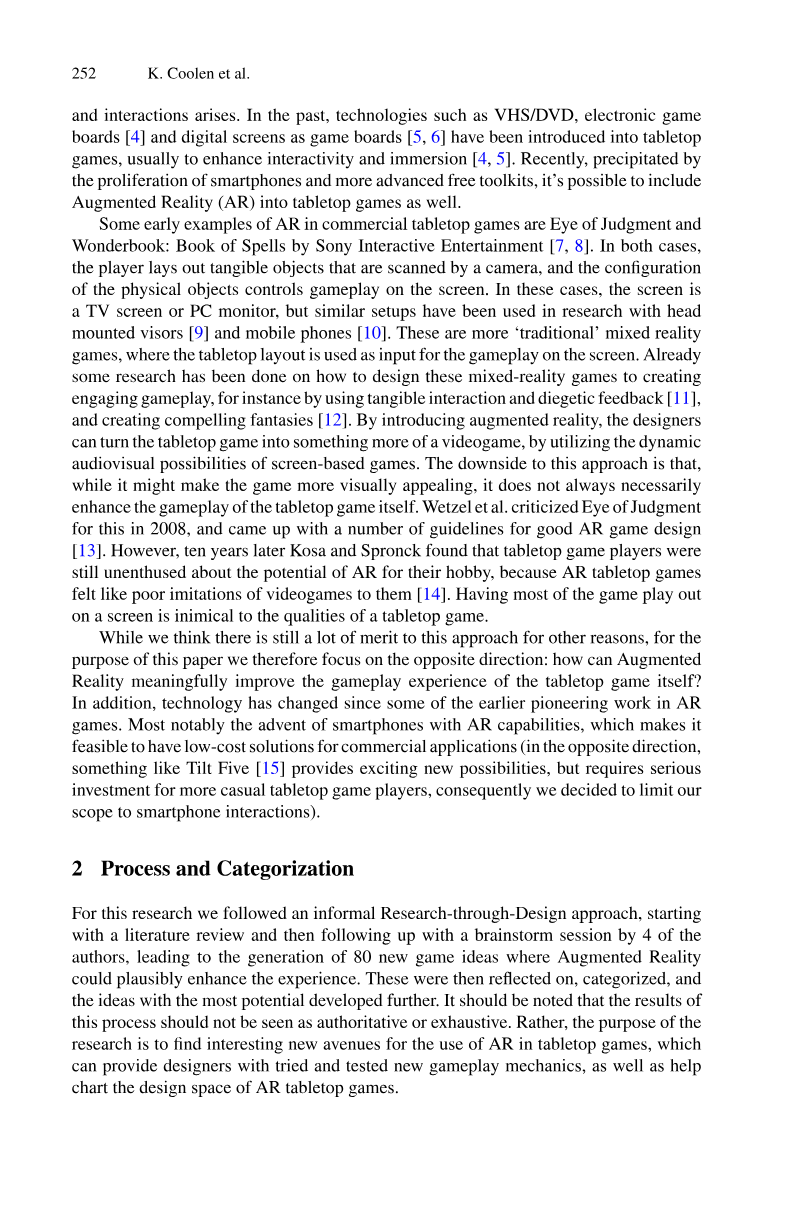

Springer · 2023

Springer Nature · 2022

Springer · 2021

Springer · 2020

Springer · 2020

Springer · 2018

IFIP International Federation for Information Processing · 2017
European Conference on Games Based Learning (ECGBL) · 2026