The intersection of sports, gender politics, and global technology trends highlights a transformative period for international entertainment and digital markets. The 2019 Women’s World Cup serves as a primary case study for how athletic competition elevates discussions on equality. Observations of the final match between the United States and the Netherlands suggest that the absence of theatrical fouls and dives, potentially a byproduct of lower financial stakes due to the gender pay gap, creates a more amicable and authentic viewing experience. This tournament transcended sport to become a cultural manifesto for gender equality and political expression.
Beyond the pitch, the global gaming and technology sectors are undergoing significant structural shifts. In China, the industry is maturing as major incumbents like Tencent adopt age-rating systems to align with government oversight. Simultaneously, a geopolitical "electronics exodus" is underway as trade tariffs and market complexities drive hardware giants like Microsoft, Dell, and HP to reconsider their manufacturing presence in the region. These shifts coincide with the rise of new gaming genres, such as auto battlers, which demonstrate the power of live streaming in shaping consumer tastes and establishing mainstream crossover appeal.
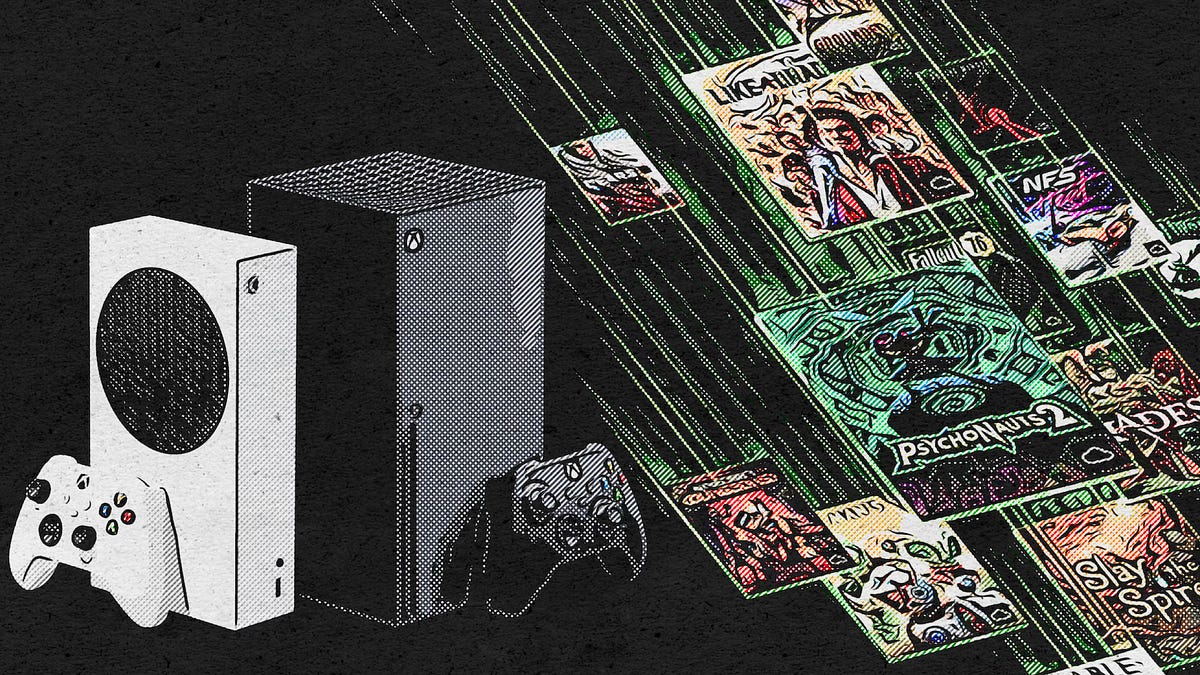
The evolution of distribution models further defines the current landscape. Companies are increasingly leveraging gaming intellectual property for non-endemic platforms, evidenced by Netflix’s adaptation of indie hits and the integration of games into automotive interfaces. While cloud gaming remains a central point of speculation for firms like Google and Nintendo, strategies vary between aggressive content acquisition and a continued reliance on dedicated portable hardware. Ultimately, the convergence of these trends suggests that whether through social progress in sports or technological innovation in software, the industry is moving toward a more integrated, globalized, and politically conscious future.