1 free read left. Create a free account for unlimited reading + AI research.
Create free accountWhitepaper Breda University of Applied Sciences
1 free read left. Create a free account for unlimited reading + AI research.
Create free accountWhitepaperBreda University of Applied Sciences
The authors used Ingress, a commercial game not designed for tourism, as a test bed for location-based AR games in urban tourism.
This study proposes a conceptual engagement framework for designing location-based augmented reality games (LBARGs) that enhance on-site tourist experiences in urban settings. Its central argument is that commercial games such as Ingress, which were not built for tourism, can serve as a test bed for improving how such games connect players, the game itself, and the tourism context. The framework is organised around six engagement traits: emotional, ludic, narrative, spatial, social, and mixed reality engagement, drawing on the engagement model of O'Brien and Toms (2008).
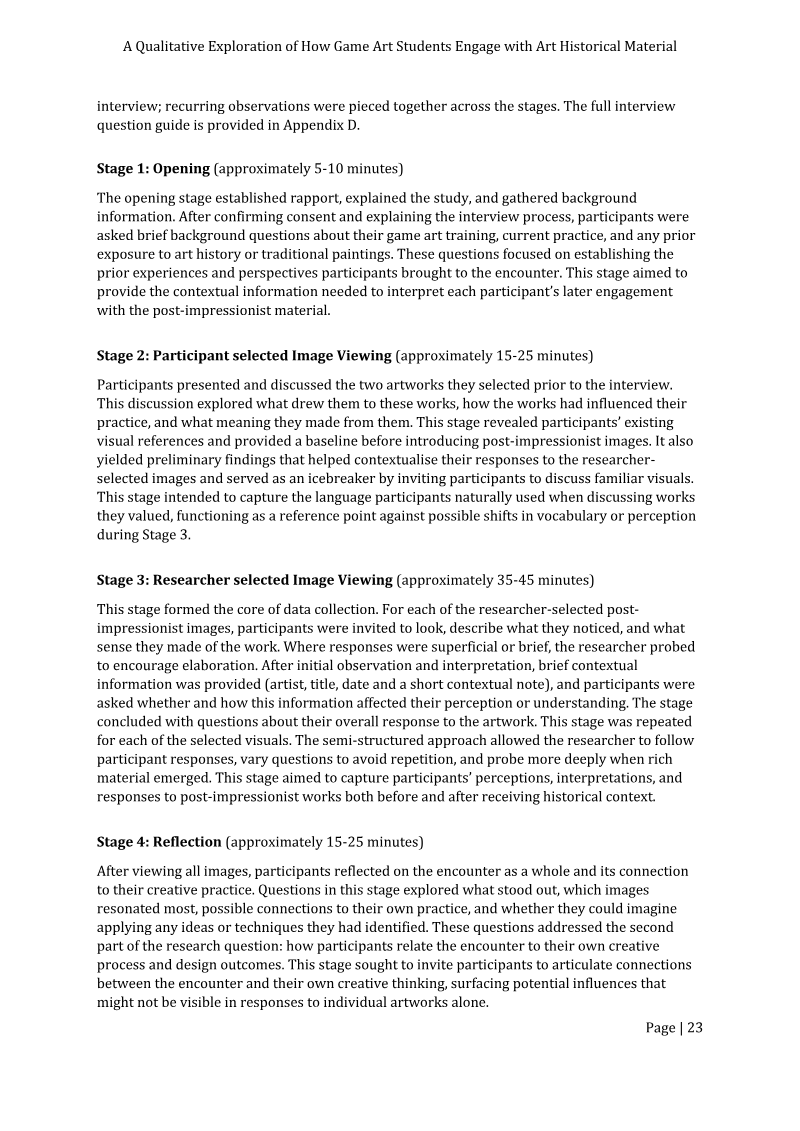
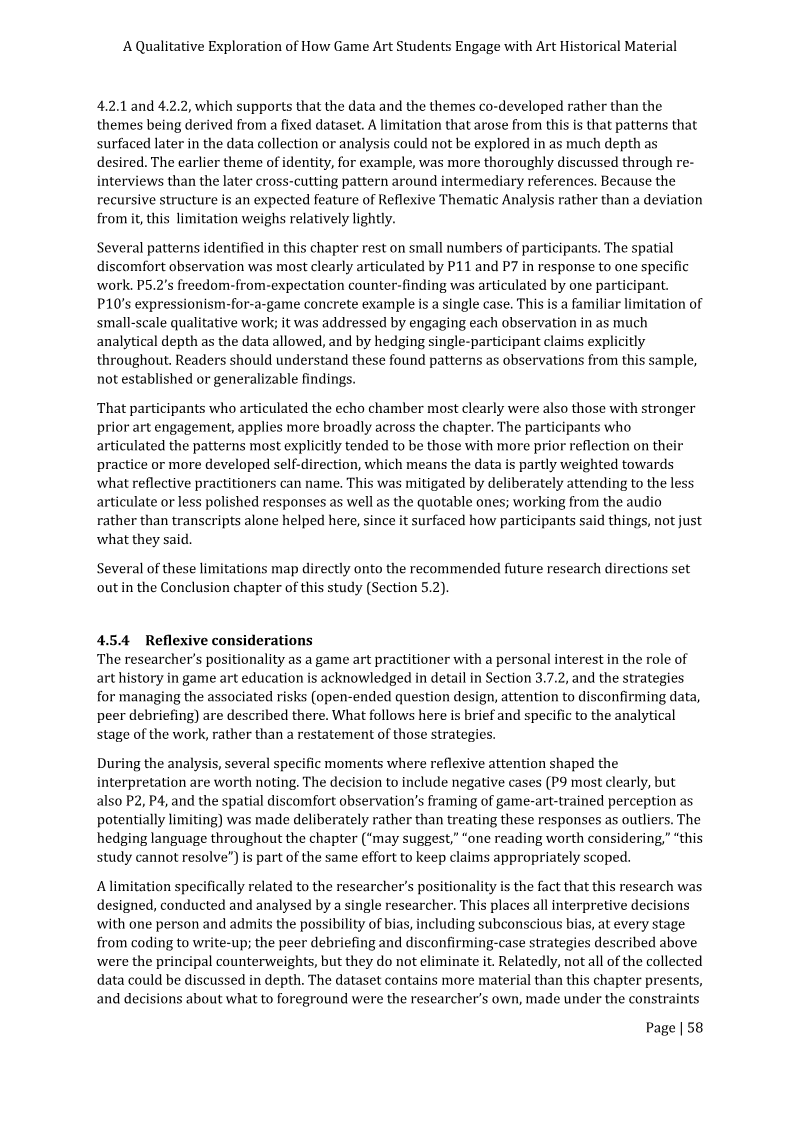
The qualitative exploratory study used play tests in Bournemouth city centre and surrounding parks during summer 2014, with eleven participants of varied nationalities aged 12 to 36 playing Ingress on Android devices. Data came from mobile interviews, contextual observation, and game logs, analysed thematically through method triangulation. The authors acknowledge that the sample is small, the single-game focus limits transferability, and the aim was richer understanding rather than validated generalisation.
Findings indicate that participants responded strongly with excitement during discovery and challenge completion, and that spatial exploration led to heightened awareness of unfamiliar locations. However, play locations were often randomly assigned to landmarks without supporting information, leaving tourists struggling to connect places to meaning. Participants also found feedback insufficient, interactions hard to master, and the smartphone screen distracting from surrounding environments, while showing a clear preference for social play with companions. The study concludes that tourism-oriented LBARGs need stronger feedback, narrative and informational depth, mixed reality cues such as augmented reality, and multiplayer design to deepen engagement.
Each row is a game or company this document names, each column a document, oldest first. A mark means that document names it. Select a row to see those documents.
Breda University of Applied Sciences · 2026
Breda University of Applied Sciences · 2026
Breda University of Applied Sciences · 2026



Breda University of Applied Sciences · 2026
Breda University of Applied Sciences · 2026
Breda University of Applied Sciences · 2026



Breda University of Applied Sciences · 2026
Breda University of Applied Sciences · 2026
Breda University of Applied Sciences · 2026
Breda University of Applied Sciences · 2026
Breda University of Applied Sciences · 2026
Breda University of Applied Sciences · 2026
Game Developers Conference · 2021