1 free read left. Create a free account for unlimited reading + AI research.
Create free accountWhitepaper Ludic Language Pedagogy
1 free read left. Create a free account for unlimited reading + AI research.
Create free accountWhitepaperLudic Language Pedagogy
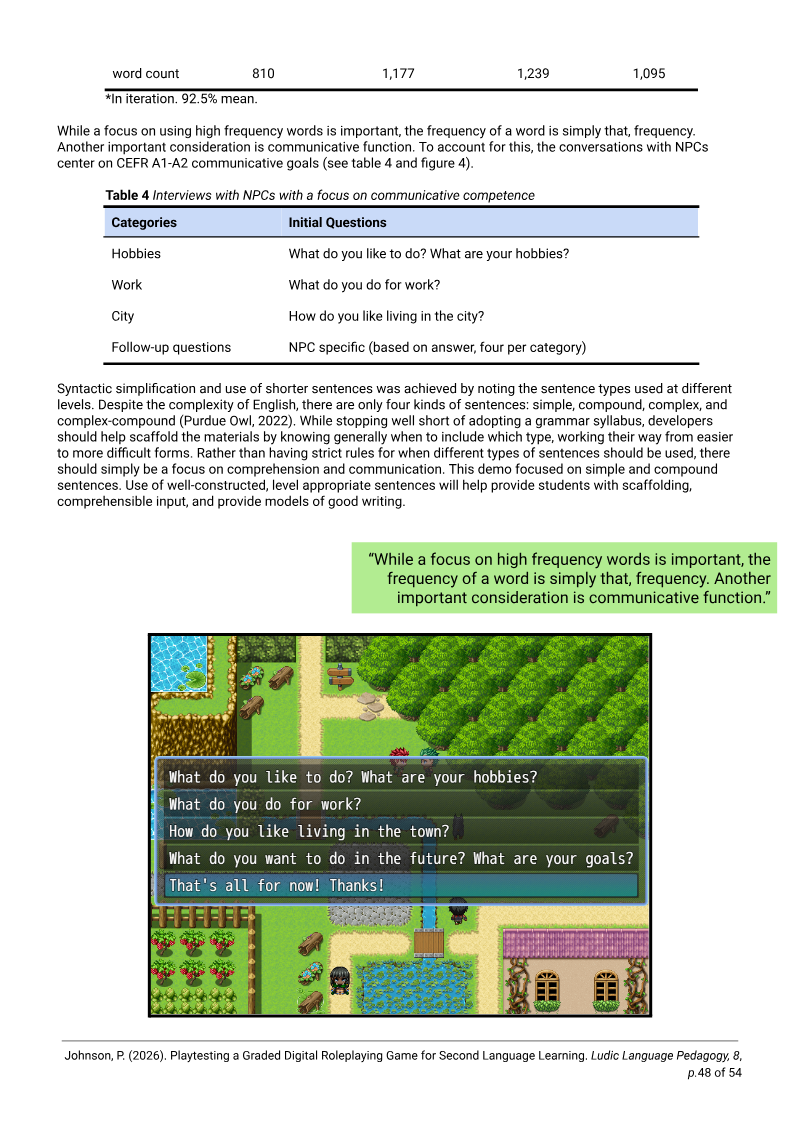
The use of the card game Dobble in language education serves as a highly effective, low-pressure pedagogical tool for vocabulary acquisition and reinforcement. By leveraging the game’s fast-paced, visual-matching mechanics, educators can facilitate repeated exposure to target language in a dynamic, simultaneous-play environment. This approach shifts the focus from passive memorization to active, enthusiastic participation, helping learners of varying proficiency levels—ranging from CEFR A1 to C1—recognize, retrieve, and pronounce new vocabulary with increased confidence.
The methodology centers on the customization of game decks using freely available online generators. Teachers can tailor these decks to specific thematic units or linguistic goals, integrating them as warm-up activities or as scaffolding for more complex tasks, such as interactive fiction or business communication exercises. Because the game requires no waiting for turns, it maintains high levels of student engagement and ensures that all participants are consistently exposed to the target lexicon throughout each five-minute round.
Evidence suggests that when game-based learning is purposefully aligned with clear linguistic objectives and supported by teacher mediation, it significantly enhances student motivation. By utilizing copyright-free image resources and structured glossaries, educators can adapt the game to diverse classroom contexts, from small-group reviews to larger, competitive sessions. Ultimately, the integration of such ludic elements bridges the gap between engagement and academic development, proving that simple, adaptable game mechanics can outperform traditional drills in fostering a supportive and effective language-learning environment.
Ludic Language Pedagogy · 2026
Ludic Language Pedagogy · 2026
Ludic Language Pedagogy · 2026
Ludic Language Pedagogy · 2026
Ludic Language Pedagogy · 2026
Ludic Language Pedagogy · 2026
Ludic Language Pedagogy · 2026
Ludic Language Pedagogy · 2026
Ludic Language Pedagogy · 2026
Ludic Language Pedagogy · 2026
Ludic Language Pedagogy · 2026



Ludic Language Pedagogy · 2026
Serious Games Society · 2025