1 free read left. Create a free account for unlimited reading + AI research.
Create free accountWhitepaper DiGRA
1 free read left. Create a free account for unlimited reading + AI research.
Create free accountWhitepaperDiGRA
The approach follows the games with a purpose tradition.
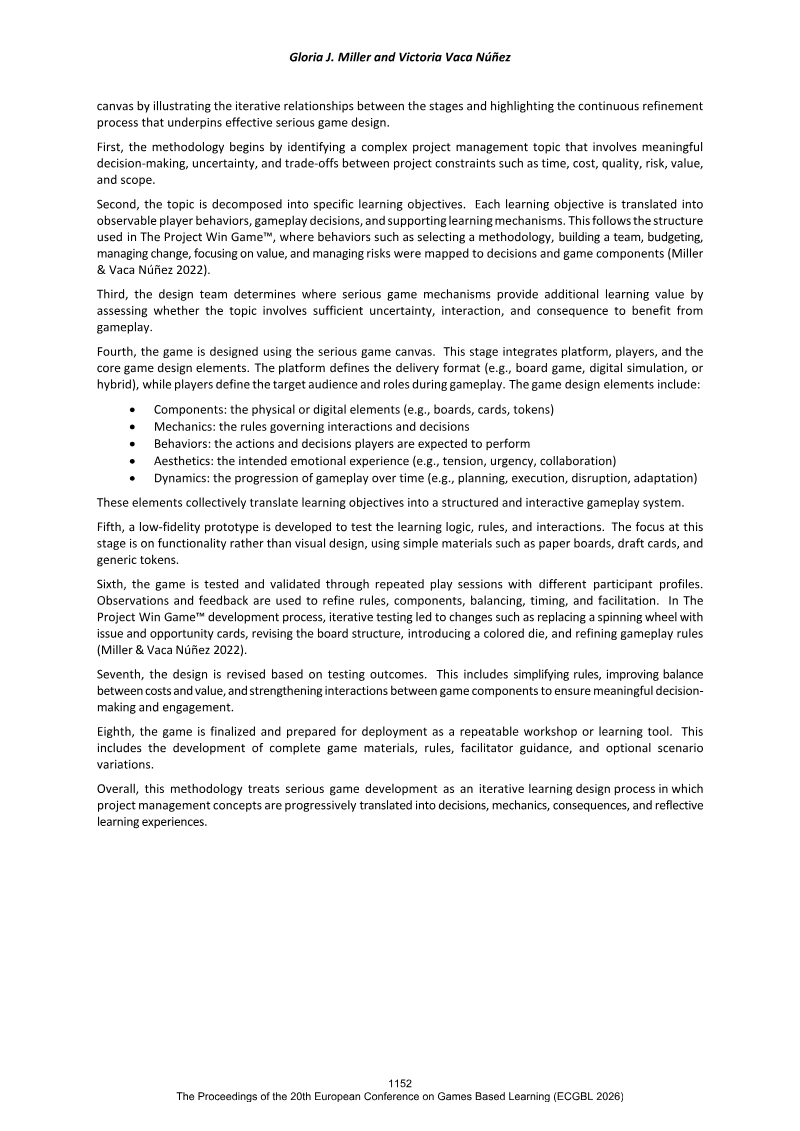
This work-in-progress paper describes a playful, web-based simulation game designed to crowdsource route data for energy-efficient automotive navigation in the context of electromobility. Players select a local area they know well, adopt a fictive driver role such as a parcel courier or mobile nursing service worker, and complete randomly generated routes whose difficulty shifts with context factors like weather, daytime, and holiday periods. The authors position the game within the "games with a purpose" tradition, arguing that it can both gather usable data and encourage players to reflect on energy-efficient driving, while addressing the limited cruising range that makes efficient routing especially important for electric vehicles.
The proposed system relies on a semantic enrichment pipeline in which route waypoints are augmented with geographic and topographic information, including altitude, drawn from services such as LinkedGeoData, OpenStreetMap, GeoNames, and Topocoding. The enriched route model, together with a record of the simulated car's movement, feeds an energy-efficiency calculator that also determines the game's highscore. Game mechanics include competition between players in the same area, head-to-head challenges, unlockable car models and driver roles, a randomized disaster mode, and planned Facebook sharing to encourage social competition. The paper identifies sustaining player engagement as the central design challenge.
The paper presents no empirical evaluation, user study, or quantitative results; it is explicitly a work-in-progress description of the prototype's concept and architecture. Planned future work includes integrating the simulation into a life-size driving simulator built around a real Volkswagen Golf IV with a large-scale projection and realistic 3D environment, comparing results across the two simulation modes to refine the energy-efficiency model, and measuring the game experience across different user groups.

DiGRA · 2026

DiGRA · 2026



DiGRA · 2026



DiGRA · 2026



DiGRA · 2026



DiGRA · 2026



DiGRA · 2026



DiGRA · 2026



DiGRA · 2026

DiGRA · 2026



DiGRA · 2026



DiGRA · 2026



European Conference on Games Based Learning (ECGBL) · 2025
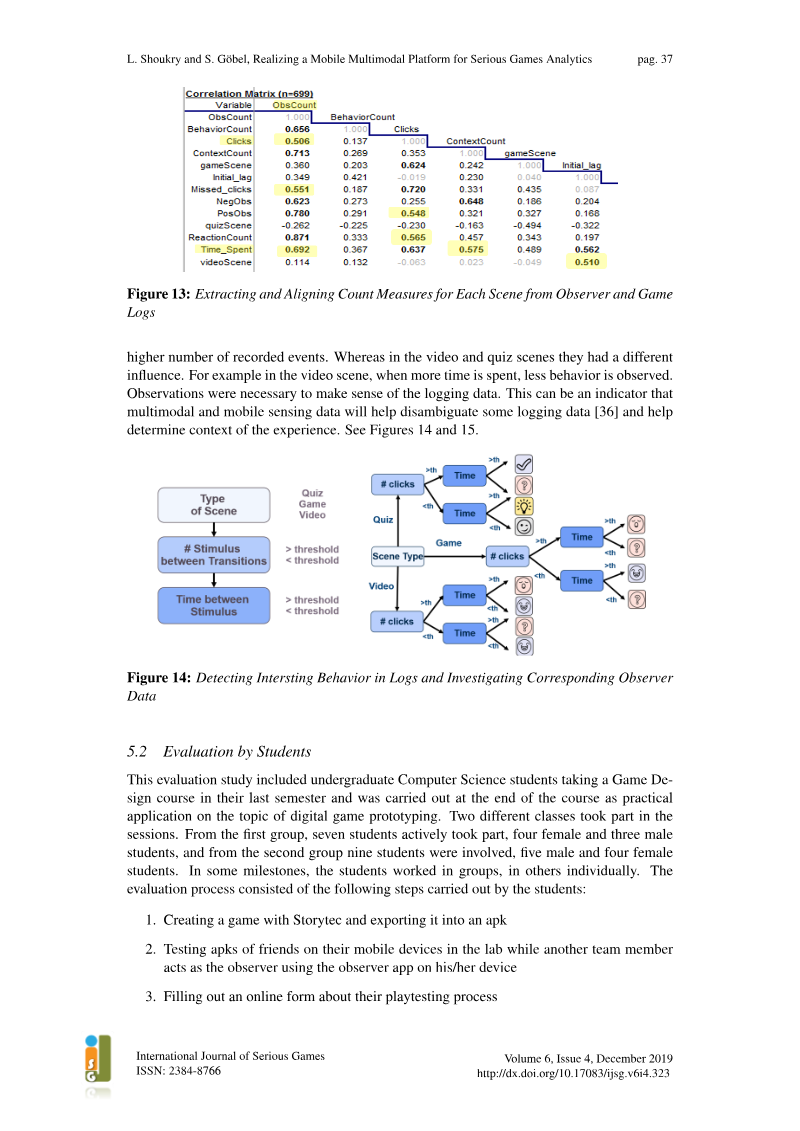
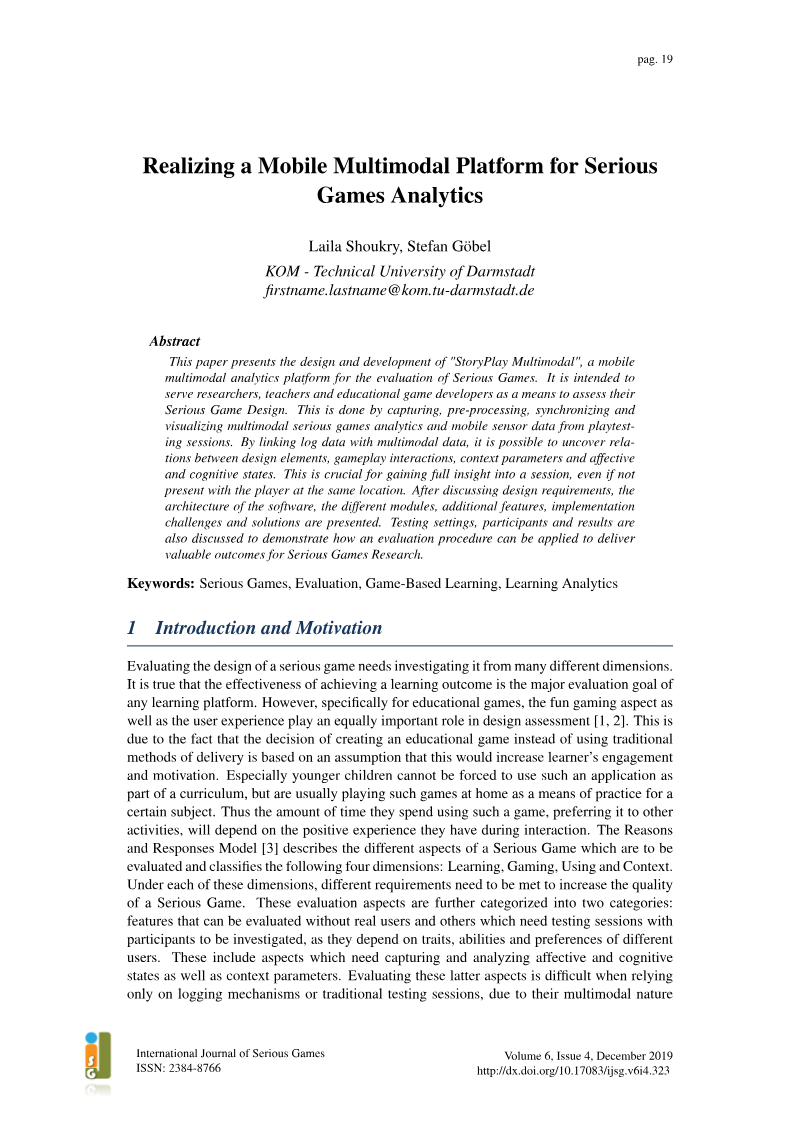
Technical University of Darmstadt · 2019
DiGRA · 2009