1 free read left. Create a free account for unlimited reading + AI research.
Create free account
Selling live games – A new strategic option for studios
Key insights
6 takeaways- 01Studios must categorize assets by lifecycle stage—pre-launch, actively growing, or post-peak—to effectively monetize projects while maintaining organizational independence.
- 02Selling live game assets provides a strategic alternative to corporate acquisitions, allowing studios to raise capital or divest from titles without equity dilution or full-scale restructuring.
- 03Asset viability for sale is primarily determined by data transparency and the predictability of revenue streams, which buyers use to forecast long-term profitability.
- 04Successful asset transfers require a rigorous operational audit that covers infrastructure, ad-buying accounts, revenue-sharing obligations, and personnel management.
- 05Developers should target specialized investors familiar with the live service market rather than generalist venture capital funds to better align with specific return profiles.
- 06When internal infrastructure is insufficient for live service operations, studios must bridge the gap by acquiring specialized talent or partnering with third-party service providers.
Ask AI about this video
Transcript
[Music] [Music] anyway so we're not gonna post you were talking about selling live games has anyone here actually done this app either sold or transferred alive alright so we have one person this is about the exact reason that I ought to do this
talk is kind of because the app is as usual an outlier the situation might be aware of is that you know you see these headlines around so anyway hopefully bowls with how do
you actually do it and if you have questions without having answer them because there's no sure we have a little bit of extra time so feel free to fire questions as small audience and so my company put plus you may or may not have heard of we are actually a Silicon Valley startup so we were founded here in Silicon Valley in 2010 the reason that you may think courage I use a company if you've heard of us because we didn't ask that scale of our own we sold our advocated position to a Chinese company for dollars in 2016 we did not sell the company we just sold the business this is an example in our own history of the type of transactions I'm talking about and why itself depends I'm now giving these talks to her to explain you know
why we're not a Chinese company so the company is going from finger startup raising two rounds the funding of 85 million dollars total now being completely independent that's a nice artifact of selling in our category of studio was an order of inter investor's exited the company the net transaction so we are now under percent independent company with no outside investors and no debt so we have offices I sell I actually joined after fun posted this deal but I have done stairwell asset sales one outbound gain sale and one inbound game purchase I'm familiar with this this kind of transaction type so just to get into what I'm talking about what do we mean when we say expel a lot of game it is technically in the native parlance and a Scottsdale and what that means is what that means is you're
essentially carving off you're describing a particular aspect of yours and you want to sell us to another company and/or with Maya and so you know in an M&A deal that will reset of blogs on the left there's a lot of things that the initial buyer of a company or ask to have to kind of keep track of one with the red arrow a transaction character this is essentially where if you read up on asset sales you'll hear about it is kind of traditional parlance is that the function of an M&A deal it you know it doesn't have to be you know like structured that way I mean is the difference is essentially point number three they're in and in the navy or you're selling the equity of your company and they are taking the entire liability of all of your history everything you've ever done it is now becoming there's an asset sale you're just describing that one thing and then you are selling that off or you are buying it it sounds simple it's actually
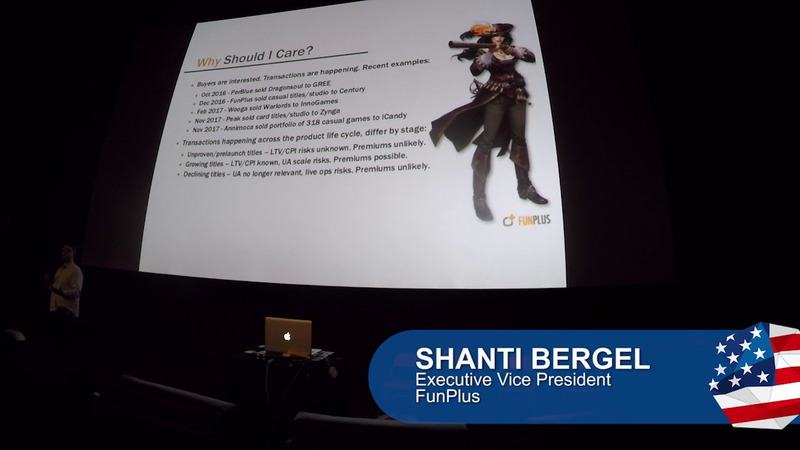
a little bit complicated but like I said the opportunity to do this has not always been around so we you know you know the industry a long time the opportunity to just sell a franchise like you've seen it you know like I think epic stole they're like you're the war to Microsoft but people are like now you see it a lot more and part of the reason is is that these games last a lot longer the last necessarily actually scale but they last anyways that give them a very nice uncomfortable resident profile so you can look recently so I was actually angry that first trans actually seen October 2016 I did that deal we call dragons will
permit us developer and brought it over degree which is a Japanese company but there are lots on so go through that example German company is over there titles you know probably here in San Francisco all of the peak deal where they go purchased the as well part in business of a company in Turkey called peak so these transactions are happening and so you know it it is a new type of opportunity and the types of opportunities that roughly pocketed in two to three and each have different characteristics sorry this means better so there's basically you know games that are pre launch from the buyers perspective they are unproven so there's limited metrics without them there's a lot of scammers in this hard to understand like what will actually happen with this game is is actually
there's titles that are actually out in the market and are like growing so these are proven to some degree so these are games that are you know kind of liable and the developer is pushing them in the marketplace they spend they are actively growing and then the third category is games that are effectively like erat you know kind of saturation or past peak and you can no longer as the publisher of those games actively spend against them profitably it's a lot of an audience in them they probably have characteristics to last a long time but you can't profitably spend money against any new players in the game the opportunity spaces around these for these types of games look quite different from the buyers perspective the first one is asparagus because it's hard to
understand in the game business as we all know if something is going to be it early data does not necessarily mean you know the game is going to be like a monster and it's hard to agree you know depending on where you sit what that might look like you know it's a success case the failed case very much depends on your conviction as the developer as the buyer of this game it is not the easiest conversation to have where's the second of the third cases are quite a lot simpler and a lot more rewarding for both sides in that there's a lot of data and so you don't have to really need you know kind of convinced people too much to kind of agree on because it is that just what needs to run this game I run my kind of events like this it produces these packs or results I spend like many money like this this kind of a return pattern and I can show you what that means in this country I can show you what that means in painstaking detail and that is a very
easy conversation for both sides to kind of digest because they have a lot of shared context around kind of what this actually is from a data perspective the third category of games that are in a past be very similar even more sitive to be honest because from a premium perspective like what does it mean to sell one of these aims you most likely be able to experience the premium scenario in the middle as the developer and the seller that's because the upper limit case is harder to set along whereas the upper limit case for a game was any kind of you know it kind of a speaker decline like clearly you know like that's already known that shows it and so like you can have a conversation with a partner around okay I've participated I will look to so in now I was going to get overcast now or
something else whatever the reason might be you can basically kind of Bank that money down and apply it to a teacher' cognition going forward that's the reason to have these types of conversations what's good about them what's bad about them so what's good about them is like I said heat of mine now and like that can be a very strategically interesting conversation in that you know the deal that I referenced with green and bad stole this the stood in place of an equity round so that offer was looking for equity financing from DC's could find it we started the terms they wanted when we approached them with the opportunity to basically sell this title they had never even heard of that as the possibility and it took them a while to socialize it with their board and to get to a point where like everyone around
the table understood it enough that they could then they got excited because it meant as a management team do not experience the resolution we sell this asset out it's not an equity deal they would basically be able to without having to have changed the corporate structure or change anything about the way they operate except for this game so another one potentially is that it can actually enable boaters if you have this new area that you want to go into VR a are encrypted or whatever it might be and you have this asset it probably over the long term they're not going to be able to continue to invest in teaching over you know like then this can actually be able to ship your team in a way that enables focus that can be a really good reason for judging the downside of course is that but there can be some
existential questions they come as well meaning that if you were like the company known or game X and you just hold it now they're not the game expert anymore so the other stuff you know like opportunity cost and time consumption like these deals like an M&A deal or a big deal they can take a long time you have to share a lot of information basically there's a full transparency required cause this one game franchise it's engaging a lot of these conversations and really start your time it's not terrible and so like if you're going to engage in one of them I would say you know like dude with high intends
pick out your partner carefully and probably yeah organizational effects recovered so evaluation of the asset and the operational impacts of the transition plan these are just kind of the three buckets I picked out or kind of attempting to capture everything that's associated with the way these things it is a lot and so this is not a comprehensive evaluation I would say the key thing in determining kind of whether or not a deal can be done is all in revenue and what I mean by that is how predictable is moving the game that you're trying to sell to somebody so if you have a one sweet potato and you know I could look at it as the puppet the buyer and I can easily see like okay every one day there's a like this
there's only month the data what happens in the month has been 10 years worth is very stable and it's very predictable but that's essentially high quality remember it's easier for the buyer to understand you know the key thing that they want to understand which is how am I going to be able to operate this thing probably if I pay back on sorry um so key thing there the third point at the bottom of evaluation SS back there they're doing all of the information and that means everything there's nothing that would kill a deer like this faster than some lack of transparency on these points there's no reason for it and that you want to convince the owner of this title that there is a business there for them and so everything needs to be there kind of aboveboard in terms of communication you have you know like kind of type of you and you're running that isn't and just
closed and then it pops up later you know that will probably kind of have a very negative impact on the conversation you're having if you have a cousin in you know like several cousins in you know in France one of the dopey is one of our two teen girls spending $10,000 a month of the game that's probably something you should be aware of whatever the program might be in however the bad news coming in and however the marketing is being spent against that those are all key characteristics of the conversations that they're going to be you understand the operational definition of what's being sold this is really the meat of describing the aspect and trying to understand like how are we going to package it up and move it literally from one a little bit like you know picking the needle up on your old pal record player changing the records and put you back down describing like a very complicated set of services and ownership structures
that you know like if you've never operated a free-to-play game before there's a lot to them but if you are you can imagine like how would I pay off every single one of those and pass them over so just to kind of go through the water list the IP itself and the ID covers a lot so the IP includes brands include the technology including the beta that underlies it in a sense there's the how to have a ton of datas get used you know who owns what in terms of like how those have captured how do I transition that over to somebody else all the way down to not just the database but the for example the ad buying accounts for example infrastructure like are you going to
move it from there you know we go stamp yours you know are you going to we passed it over then we can sell it there's all kinds of considerations of the operational level in terms of like each of the individual pieces philia deals are particularly noteworthy in this type of scenario so you're familiar with how the ability of works is essentially you know you're giving up future revenue to a distribution partner capacity or traffic now and then you give them say percentage of revenue over time the new buyer is probably not gonna want to take that obligation that you've entered into probably has to be liquidated so these things if you're not in front of them and they can pop up later think of slowing down really a process they can create a lot of kind of the deal terms actually are so just to be aware like the description
of the asset process is very important it was spending time on it understand fully what they think they're buying and what you think is out there you're selling with my store stuff because if you get into this long form with what the lawyers around these questions like it could get really kind of acrimonious and sticky level understanding of like what it is that they're actually wanting to engage in before kind of breaking in those kind of Pekka folks because they tend to try and squeeze all this kind of equation like this there's no there's no open source and sure effect similar you know the the nature of like using something like that is the startup versus using something like that is a public company you know like that might get flagged or some IT guy like later down the road but
if you fly it first and kind of have a good long-term conversation around it over the course of the entire underpinning all of this and there's a kind of a framing problem is the transition plan also sometimes it's a little short shrift in some of the conversations to tell the end though it's really you know the key to consider is a central figure in all of the negotiation in that if you're receiving the title you're gonna walk basically assurances there's not gonna fall over as soon as you basically pick the ball and if you're selling it you want to understand what your obligation is and how many of my people for how long is this new company gonna want you know kind of on the table so to speak when can I get them off of there it's new thing about you know I thought gonna free up my entire studio and get them working on they are tomorrow it turns out he's been asking me basically run this game and that shouldn't be a
surprise something like how else but you know you make assumptions that you build into forecast you remember that you can have unfortunate conversations a lot of this is fairly obvious what you start to look at is specifically selected how will they run the game I'm gonna have to train some people what am I gonna have to bring in do they have to hire people like all these questions the last couple things liability in particular in the case of like a equity Danbury by the other viable company this is kind of part of it you know like it is a just an endemic part of it like you are undertaking the obligations of the entire company if you buy the whole company that's not true why specifically and if the operator that asked it have
done horrible blackhat things on their watch while they were running the game you know are you undertaking those liabilities to or you not how you carve off those conversations and keep them from you know kind of blowing up in something and so the question of liability again similar to the one around this transition overall is important to be realistic about up from this you're not gonna get to like a zero liability scenario or something if you built and you're kind of still somebody else and similarly for the buy side you know it is very easy so you have to have a very reasonable conversation around these common topics so you can get to a point where everybody kind of comes into the lawful or michael dox danger things with shared understanding and realistic analysis of where they're going to end up that's all I have if anybody has questions
yep I think that's super common I mean it's coming because it's close to being better than the devotional reading it now and so you know it really depends on the conversation between the seller and the buyer and the sellers you know kind of something else in the case where are you like they would literally not have doubts those people after the transaction is done it's really easy I think they would love for you to pick up at see whether or not the wire has a has room for that or you know like it's an imperative for them like absolutely the critical things like can you find us an area where they want to move those folks and you want to pick them up or is it fortunate on either
side where it's like no you're talking about my best people there's no way I could ship them over I could give you these folks over here but they've never really gained before you can start to get into different types of conversations much less satisfying it does happen where you have that perfect alignment of needs where it was basically the selling party is like look you know I'm not going to bounce with them if you do this a lot then everybody yeah yeah yeah no I said fair question I wasn't there but I mean like if you go
through and kind of read blogs on you know I kind of started companies with I'm sure Tao the earlier is kind of kind of the trade to it so any investors returned their calls often a function of like Artie visionary thing what's your background with the total addressable market sighs like is somebody else competing with you what's the nature of your pocket plan there's a lot there and so you know like it's not just as simple as you know like hey these guys are jerks and the
look relief investors are not characterized as bankers but if you our particular flavors that there's some people in crypto I don't know a lot of games investors who are right now but there are folks who are very the crypto investors who might be looking for ways to get into games so it's often the time of question of finding the right kind of have a conversation like you research the type of funds and no type of investments that they make you'll have a better shot at matching kind of these yeah my question has to do with the when
you what went in the past we see these sales happen by hole one led to the sales like a part of the sales everybody huge there are you get some folks who are
very quickly you don't have to would you say it's fairly common from an investor's standpoint I talked to a lot of developers that a lot of developers are looking for investors like pre-launch but in my experience I've found that typically investors like investors kind of look yeah and like a
lot of projects in the gaming space are not good candidates for vision because like these companies these funds are looking for a particular type of return profile that's right that's underappreciated frequently a lot of folks kind of comes to it picking like hey I just want to finish this game investors don't really think like that unless you find people in the industry who are enthusiastic about your mission
that's not a venture investor they've taken LP money to produce a set of returns of the paper every deal debated about that so that's what they're banging is this anyway so there are people who normally do call about somebody read fit for your type of game in your type of budget starting business but like if you are
capable of kind of approaching the right group with the right strategy and you know at least you're starting from the right place the next panel yeah uncharacteristic Wyatt the only one with experience nothing to say we have more questions about the syllabus yeah understand the different operating
business and then practically I think a lot of people in the mobile space services insight into the market that are pretty you know reachable by the airport analyst so it's not it's not kind of that difficult to grab in the subscription to one of those services that starts to like partially information and identifying opportunities but I think it does start with understanding your own yeast and like why is it being one of my investments and how do you mean to run them to work if you are coming to it from a dead stop then you're going to need either the buyer our solution our solution there are
companies that made it their business to support services a lot of things are filled in that said you know introducing that kind of complexity into a game is hard enough to operate impossible it's happening at OU and potentially over the line but you could make it work I would say starts with understanding what is it mine why is that [Music]
you [Music]
Summary
Selling live game assets has emerged as a sophisticated strategic alternative to traditional corporate acquisitions, allowing studios to raise capital, pivot their focus, or divest from aging titles without the friction of equity dilution or full-scale restructuring. This approach categorizes assets based on their lifecycle stage—pre-launch, actively growing, or post-peak—enabling developers to monetize specific projects while maintaining their broader organizational independence. The viability of these transactions hinges on data transparency and the predictability of revenue streams, which serve as the primary metrics for buyers to determine long-term profitability.
Executing these asset sales requires a rigorous operational audit that extends beyond simple intellectual property transfers. Successful transitions must account for the complexities of existing infrastructure, ad-buying accounts, and revenue-sharing obligations, alongside a clear strategy for personnel management and post-sale support. Because venture capital firms often seek specific return profiles, developers must target specialized investors who understand the nuances of the live service market rather than relying on generalist funds.
For studios aiming to enter or expand within the live service sector, success is predicated on aligning internal capabilities with market opportunities identified through industry analysis. When internal infrastructure is insufficient, studios must bridge the gap by acquiring specialized talent or partnering with third-party service providers to manage operational complexity. Ultimately, the transition to a live service model requires a disciplined assessment of investment goals and a commitment to the technical and operational demands inherent in maintaining a long-term, evolving digital product.















Comments