Transcript
[Music] welcome to the navic gaming podcast where it is our mission to explore the business and future of video games we bring together the industry's brightest Builders investors and thinkers to keep a pulse on current events dissect emerging Trends and games share Lessons Learned and have a great time this podcast is also part of novic growing ecosystem which ranges from free and premium research to Consulting and AD advisory services for more information visit [Music] www.nic.edu overwolf is the guild for in-game creators whether you're a gamer Creator or game studio overwolf is the ultimate destination for integrating ugc in games
for Game Studios overwolf offers curse Forge for Studios a white label solution that lets game makers and Publishers easily integrate mods safely and seamlessly into their games both existing and new at zero cost it's battle tested by triaa Studios and games including Maxis with the Sims 4 Studio wild card with Arc take to interactive and others for creators overwolf is the all-in-one platform that enables creators to build distribute and monetize in-game apps mods and Game servers in 2022 overwolf paid over $160 million to in-game creators proving that they truly value the talents and contributions of The Gaming Community you can check out everything over wolf has to offer at overwolf decom or check out the details in the show notes and with that let's jump into the episode all right what's up everyone and welcome to the novic gaming podcast I'm your host Alex and this is the interview and insight segment
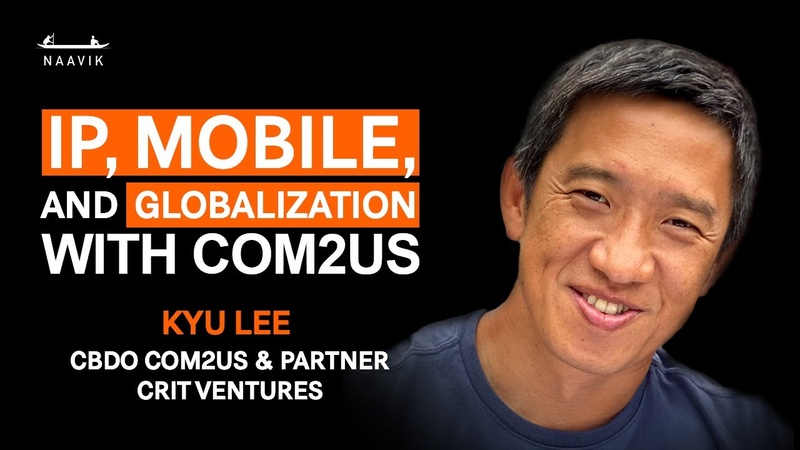
one of our missions in 2025 is to bring you more content from the Asia gaming Market operators leaders and investors that are boots on the ground in a market that's often misunderstood and kind of a hard nut to crack from the perspective of the West and earlier this year I sat down with the xso of and seesoft to discuss the company's Origins and strategic plans for 2025 as well as critical market trends in the Korean gaming scene and today we'll be getting a different perspective on that same Market from a different vantage point of another Korean gaming giant come to us so come to is a long and storyed history in games and entertainment founded in 1998 come to us was a mobile games first company from the get-go in 2014 they launched their most famous title Summoners War sky Arena a billion dollar franchise with over 200 million plus downloads that spawn multiple more titles and more recently come to us partnered with skybound to create a mobile game for The Walking Dead series has invested in multiple media and gaming companies over the past five years including KR gaming conglomerates like div sisters most famous for Cookie Run and they've also made various
metaverse and blockchain Bets albeit some are trending more successfully than others and so today we'll be talking about the history of come to us Global liveops the importance of Western IP and starting Adventure arm and more and so with that I am super excited to welcome my guest and topic expert today Q Lee Q is the chief Business Development officer at come to us Corporation where he's overseeing licensing relationships with many well-known Western Sports IP such as Major League Baseball and the NBA I'll give some more background in a moment but um Q it's such an honor to have you on air uh welcome where are you calling in from um yeah I'm calling you from home H nice to meet you Alex nice uh at home for you is uh uh it's in Palace FES uh California so um it's south of LAX uh part of LA County uh our office is located in Hollywood uh but uh since it's pretty far to the mute I I only go there SE several times a year uh
a day ah makes sense and yes as someone who's also lived in La for a couple years totally understand going four miles in Santa Monica and California can take two hours um but I'm really excited to to have to have you on air um and before we talk about the meteor topics uh I want to spend some time talking about you and your history at come to us it's um pretty rare for us to get folks who have such long tenures at companies and you are an expert on come to Us's Origins and obviously future strategic Direction so spare me some air time here but I'm going to give you a brief overview because you've just done so much so you've been a come to us before come to us actually beginning your career at game evil which most people today would know as come to us Holdings you've been there for 20 years first as the president of come to us USA where you led the incorporation of game evil USA and come to us and we're definitely going to talk about that period a bit more in our show um but during this time
you spearheaded billion dollar franchises like Summoners War and MLB 9 Innings you secured licensing deals like I mentioned before you do some strategic Investments like I bound blockchain companies like Anam Moka you raise $40 million for a blockchain platform um you're also a big part of starting crit Ventures which is the CBC arm from of come to us for our audience that might not be familiar and you've just done so much at this company and as I Was preparing for this show it was kind of hard for me to know where to start so tell me like what are your biggest three chapters that come to us like um on on a personal level or on a corporate level um maybe both actually yeah yeah yeah so yeah I can give you some background um about about the company and myself uh so uh come to come to us was originally called Gaineville kto Holdings was called originally called gameville um Gaineville actually started in in 2000 come to us which was
our biggest rival in the South Korea Market they started in 1998 uh the original CEO founder was uh her name was uh giong Park and um so we were Distributing like old feature phone games to the carriers SK Telecom ktf and LG Telecom in South Korea and um and we also expanded to the West around the same time in 2006 and I think both companies were going through their up and downs for quite a long time until the App Store really came around and uh you know our revenues started growing significantly because we weren't Distributing our titles only to one or two countries you know now we're distributed to 150 countries um through the App Store and I think at that point um we there were there were a lot of m&a discussions in the market and uh we decid to uh what if we just um merged
together so what happened was gainville actually bought um come to us and then later on changed our name to come to us Holdings so both companies were public already so uh right now the companies traded under come to us Holdings and come to us so there's two tickers in the South Korean market um myself I um the founder of come to gainville uh his name was B J song J song he was one year senior to me and and we've known each other since high school and high school we went to Soul National University same college and uh you know one day he just said like I'm starting a company so and uh my my major was physics and I always wanted to go into the computer science field and uh so I've I I was doing a lot of programming back then and so I decided um well before like maybe I was
planning to go to the US for graduate school but then I I wanted to check it check what he he was uh check check out what he was doing and uh so I started as a backend engineer for the company so I did data uh database management uh I also created a lot of web pages back then um I did I created a avatar system for the company we were doing online PC gaming too um so before 2004 we were doing online PC gaming and mobile and at 2004 um the founder James song he he made a big decision to go in 100% to to Mobile gaming and like if you think about it it was a really big bet uh because we were still four years before the App Store came around and uh but also in Korea uh there were a lot of uh Giants uh that were growing sign significantly um on online like noft and
nexo but we thought the future is going to be in your hands so so we decided to focus on mobile so I think that was a significant pivot point for the company uh absolutely when the App Store came around we are jumping our revenues jumped significantly that was another huge Pivot Point uh we were doing if you remember in the early days of the App Store we were servicing uh Standalone games you know so it wasn't really games as a service and uh so we were selling the game I think at like 1999 and then 999 599 99 C and then it became freeo play and um when we turned freet to play I think that's another that was a huge pivot point for our company too because because we were our organization was not optimized to do live operations
um but luckily there are a lot of South Korean companies who are doing live operations on PC gaming so we hired a lot of senior Executives uh at that point for us to transition our company into a service game company versus uh being a product based company so um I think that was a huge Pivot Point um obviously the acquisition of uh come to us was huge too um and um after we acquired come to us um Summoner war was born and uh so we were still doing very well back then so we we had a lot of uh number one titles on the App Store like Baseball Superstars Zenonia Cartoon Wars Air Penguin there are a lot of games that that hit the number one spot on the on the App Store App Store but I think Summoner war was a different completely different Monster uh and uh yeah so I
can't believe uh that's already been 10 years uh since the game has been serviced the game has generated more than $3 billion dollar in revenue revenue uh still averaging about a million dollars per day so um yes so it's it's been a it's a it's been a huge blessing that we we we got to create and operate uh this type of game yeah and I'm super excited actually to in our next topic will dive into a little bit about how come to us made Summoners War a very successful global Title um but it's a very storied history and it sounds like there's some critical you know inflection points um uh um gameville acquiring come to us and come to us going more or the mobile space going more freeo playay from even the premium mobile market and the release of Summoners War itself um but I have a question for you that I've just been super curious about um you know it's my
understanding that as you said um Gaineville acquired come to us right and usually the um the acquirer puts their name on top of the subsidiary um right and in this situation you guys actually change gameville into come to us Holdings in 2021 um right I guess I'm just curious like what's the why why not rename the subsidiary uh yeah so uh I I I'm not sure if this information has ever gone public but but um yeah so uh when we bought uh compas kto us was already a public company uh the owner owned um around 30% of of of the company uh and we bought their shares so we were the uh largest single majority shareholder uh but we weren't like um we we weren't yeah so so we were we were we were in control of the company but
also you know the company Al itself also had its own culture you know so it wasn't like a 100% acquisition and we also were very careful to to support the the culture that K to us already had and um and we wanted to honor that and and then Summoner war was born and Summoner war was born under the come to us brand right and long story short I think the come to us brand uh became more popular than or recognized uh than the gainville brand um and so I think it was a hard very hard decision and uh I um I I don't exactly know what was going on in in our Chairman's head uh when when he had to make that decision but uh it was it was it was a hard decision but I think it was very honorable uh decision to to respect the
culture uh of the company that we Acquired and also respect the people who are working for that brand yeah I think it's um it's pretty incredible actually because it's because it is always so often the reverse and you know I guess I would have suspected that a lot of it also has to do with the brand recognition I mean you don't want to throw out the intangible asset of the come to us brand that publish Summers War which is what consumers are familiar with versus this unknown potentially unknown um but I thought it would be interesting to to tap into your perspective there um and I guess in in similar to that vein you know and I guess what I'm gonna do is I'm G to retroactively just refer to gameville as come to us Holdings even though name has changed but so back so it's already confusing it's already confusing so come to us Holdings um back in 2006 begins to expand into into the US right and so you're at this period where you're doing Mobile gaming first um and I want to ask a question about
like what was happening internally that kind of inspired that Geographic expansion yes so back back so I I started out as a backend engineer and our company uh shifted uh its position uh to focus only on mobile in 2004 and as we were growing you know like we were servicing our games to the South Korea Market but um internationally we weren't doing anything so uh we decided um but we were we started partnering with a lot of companies back in the days so um I'm not sure if you remember uh Jam that which became EA and then there was a Hands-On mobile uh oh MMA um and uh there are there are a lot of that we also published our games through so we had some baseball games back in the days called CBS Sportsline baseball we created Barry Bond's hom rare history we
had a um we had a a game that was distributed through a a publisher called I play called skipping Stone it actually won the IGN mobile game of the year award it was a single button uh button matching uh game on the mobile feature phone so we were doing those type of publishing and the carriers were were The Gatekeepers there so they they they got to choose which games uh they were they were going to publish and we were a developer and we were relying on on Publishers that were in the US and the Publishers had so many games uh that they were also publishing and so we would we would so often put Pitch titles to the Publishers back in the days and um a lot of times those titles would never get published so um we decided we
have to build relationships directly with the carriers at least to to to publish more games is is what came across our mind and uh I I was probably the best speaking best best english- speaking person at that time at our company so and uh I I said I want to do overseas Business Development so I was doing all of those partner deals and then uh I decided to open the office in in 2006 I see okay got it so a mixture of actually so in a way a little bit of kind of frustration with the ability to break into um and distribute in the US market directly with the Telos absolutely but um also the Telos were eliminating the amount of partners that they had so it was a hard job but I eventually we got to sign with about 10 different Telos in the US and we and we
started publishing titles um more than before uh but it it wasn't easy because we had to um not only create games but also test against the 100 devices that that we didn't have you know so so buying devices was a huge part of the work testing against those devices was another uh part of the work and um when Apple Apple came around you know that actually solved all of the distribution problems and the device testing problems and and the selective publishing uh problems uh that we had so uh it was a it was it was truly a a GameChanger and gamechanging moment at that time I guess what you know you mentioned that you were a very good English speaker so it sounds like you were just nominated to do this um to do to play this role but what was it like I think being you know at the center of a large scale International expansion of a
company um you know you headquartered in the US for the first time you're working actively on hiring you know GMS for European offices you know what is the I guess if you to tell our audience like what are like one or two critical lessons to learn there um it seems like such an enormous task I guess how did you how did you think about it yeah I think well well we had a big picture and I think uh breaking those down into smaller steps was uh steps were hard but and and I didn't have all the best relationships in the industry too so um I had to hire a lot of good people to build those type of relationships uh that was one of the things that I was focused on doing um and eventually well I just have to be present you know just like we were just talking about like going to dice but I had to go to Every sing conference and then make sure that I'm visible there
one of the interesting things that I think I did back then was I created a a Korean um mobile gaming newsletter you know so I would I would just throw I would just throw like hundreds of people in the email thread and uh just blast out presentations on on what's going on in Korea so I think people um recognized who gainville was at least in the industry and uh since I I was at the conferences uh too so and I think that eventually led to um the carriers being aware of us and then also enabling uh to sign sign contracts with us awesome but um that that was also that was an interesting thing and then talking about International expansion um us was our first International office um and then for Europe uh I had to hire a good person
but I think e Europe was very strategic in our operation because so if you think about what the App Store does it it distributes the game to 150 uh countries but it doesn't do live operations uh to 15050 different countries and we we identified um around 14 different languages that were important to us so um for Europe um our office in Berlin they were covering six off uh six six different the EES uh and and Russian language uh out of uh out of Europe so after we hired the GM David which is still with us which she's still with us he he actually hired all of the localization people required um southeast Asia our approach was a little bit different um we saw that the feature phone business was dying and the smartphone business was picking up so we
reached out to one of these uh Fisher phone gaming companies who are doing mobile WAP services in in Southeast Asia in in like six different countries and we we told them like you're you're going to go out of business pretty soon and I think it's it's it's more important for you to align yourselves with uh uh with the Next Generation no smartphone gaming so we convinced the founder to sell the company to us and we automatically had had uh six different offices in Southeast Asia and then we and then and then we hired people to do uh set up our Japan office we hired person to set up our Chinese office and also our Taiwanese office so right now we have more than 10 offices around the world and that is uh the the operation the live operation layer that we built on top of the App Store and I think without this type of service layer that we created um like a truly Global hit
wouldn't have been created and I think that that that was one of the reasons why like um yeah someone when someone when a good game like someone Earth war came around we were ready to push it out globally yes right okay and honestly like this is a perfect segue into you know the next topic which is about come to us and live Ops and mobile distribution Trends and actually before we go to speaking about you know why come to us succeeded um and making a global Title which so many sometimes often you know a lot of sath GRE gaming companies have sometimes struggled to do um I actually want to talk a little bit about what your perspective is on mobile today um you know as you said come to us is mobile first but mobile has been struggling kind of across the globe um ongoing changes to mobile monetization at has put Mobile gaming companies in the West in a pretty hard position and so do you think mobile is as attractive as it was
five years ago to come to us given some of these head wins that the app store has actually put on the space yeah uh absolutely I think uh mobile mobile is still the biggest Market uh globally it's in every single person's uh hand um I think we're kind of uh we're so used to the IM massive amount of growth uh that we were experienc seeing year of year over year that um and now we're at a phase where almost everybody has has a mobile device and probably so the the amount of growth that we're seeing aren't as big also if you look at the cell the devices devices were AB it was so much more inferior to the compared to the P PCS back then but year over year like now I think we've come so close to um all the personal
computers uh that we're carrying around so if not stronger than the personal computers uh in a lot of underdeveloped countries like if you go to the underdeveloped countries the mobile devices are way way powerful than than their outdated PCS that they might have so so um I think mobile uh is still the the most important device Uh u in in the world uh but I think just like Innovations might have just flattened a little bit because um the devices haven't been changing year over year I think EV like looking back I I used to change my device every time a new I still do I I I still CH change my device every year just to make sure that I'm up to date but when I look around you know I still see a lot of i iPhone 13s 14s so like that means they haven't changed their device uh in the past two or three years
so um and I think that's one of the reasons why we were also looking to find what's next because you know we were lucky to be uh the one of the successful companies in Mobile because we were we were ahead of time back then we were on mobile before everyone else and I think that was that's also one of the reasons why we there's there's two different um ways that we're looking we're currently looking at the market one is the blockchain industry that we're looking you you briefly mentioned but we we went into the blockchain industry around 2021 uh by purchasing shares in the third largest crypto Exchange in Korea called coin one and we launched uh a layer one blockchain called XA and we've invested into more than 3 40 companies in the space uh so and
we're continu to continuing to uh try to grow in that space that's one of the ways that we looked at the market the other way that we looked at the market was um by growing um in in IP so um I think gaming is one of the most advanced formats of uh presenting an IP uh to to the to the users um it it not only plays uh introduces gameplay but it also tells a story to the users too but there there are many ways to tell the story of the IP to the users so TV films animations um yeah like podcasts like this uh too so uh we decided that we're gonna start investing more into IP and we wanted to learn how I companies are are built you know so obviously there's a huge IP
company that almost everybody interacts with every day called Disney but on a on a smaller scale I thought skybound was very interesting and that was uh one of the reasons why I invest invested to them they they were the creators of Walking Dead and Invincible but um and they started out as a comic book series but eventually moved on to um be becoming one of the top TV shows in the world also becoming the number one game for scopely back in the day you know uh too so and so they so we we were thinking not we were a Korean company a small Korean company servicing our games to 150 different countries around the world and we became a global company and if if this can if this happened to gaming before um Netflix is now Netflix
YouTube Spotify is now enabling this for like TV films uh music Etc so why don't we in why don't we invest into uh Korean TV film animation web tune uh music companies got because they're all yeah it's going to be we're now in the new generation where all of these IPS can grow signific dealing at an extremely F fast pace so and all of these Korean assets look so undervalued to us uh if you and the big there's a huge le le lever uh called Global that we wanted to um I see insert insert into so um that that's another big expansion uh axis uh uh at our company too so got it well you jumped ahead of me a little on on the importance of of P for to you guys um
and uh you know I think you mentioned why it's such a key part to secure these licenses um for for come to us for the future for you this is the future proofing of trying to be ahead in the same way that you were ahead in the mobile space um and I guess uh we'll go back to Summoners War in a second but since we're on the topic of Western sorry of Ip I'd be curious how you're thinking about the importance of specifically Western IP um you know you talked about some of the Korean being undervalued but um you know come to us as a baseball title that's upcoming upcoming and will actually be releasing on PC and I was curious like you know why baseball um what specific characteristics are you looking for in a western IP um and how important is Western IP to the overall strategy versus you know maybe IP in Korea so as much as we uh love creating gaming it's so so hard to cre create successful games uh year over year and year and it costs a
lot of uh money to do that too and um so when we had Summoners War um when when it became successful all of our attention became uh were became focused on like how do we continue this this success with this uh with this with this gain and so we were adding more and more and more modes to the game so we increase the meta significantly from the game compared to where it originally was but you're also face then you also face this dilemma of like are we like throwing too much at the users and like now we're um setting a huge entry barrier to brand new users who are joining years later you know because like there's so much that the other gamers have already built um ahead of me
and why would I want to start investing into this game where I'm going to be doing catchup for for the longest period of amount of time so so we have to think about like how how we can make th this type of um IP or brand um Evergreen and I think like if if you if you crack that code I think uh um I think one of the I think Major League Baseball is a great example uh MLB has been around for more than 100 years and uh so like I think you have to look at like how how they've been doing it you know so um they they have and there's a lot to learn from that I think there's like 30 different teams you're playing more than 150 games a year um you have a big All-Star Game in the middle and then you have a World Series at the end so so and um so I think there
there was a lot of um things that we also tried to learn uh from from uh from baseball like baseball was one of my favorite sports growing up I collected a lot of baseball cards and and I used to like uh translate a lot of uh Major League Baseball articles uh that were in English into Korean and I would post it on boards uh in Korean language back back in the days uh when I was in high uh high school and college I remember but anyways I think there's so much to learn from Major League Baseball too and like so for Summoners War we also have a Esports event we have like we have constant e um we have a tour of America where we travel all around America and um city by City And we make sure that the uh fans gather and then that they get to get together and celebrate the
game and uh and also get to meet um the developers we do that in Europe Asia uh Al also um we have a um an annual Summoners War championship event that we've been running for I think past six years or so too um and uh so uh like all of our efforts are into like how do we make games that are ever buring you know and we're also a public company we we have to show sustainable Revenue continuous growth I think the best way to do that is by creating Evergreen companies and so Summoners War we're trying to make that into a Evergreen Major League Baseball already a Evergreen IP IP and we and and we and we had a baseball engine and baseball is not the E yes and and baseball is not the easiest game to develop in my thought you know and there
was a reason why back in the day when EA was doing every different type of sports annually year over year say I don't see any baseball titles so and um yeah and 2K like like there's not a lot of uh companies that are challenging them because yeah because they built so much and nobody's going to be able to copy their success within a year so and we've been developing baseball games uh since 2002 so we've developed we've been we have a baseball game engine that's almost like 24 years old it's not the same engine but uh sure but but yeah I think I I think we've created a a huge entry barrier I know there are a lot of other baseball games entering the market but I think there's also a reason why our baseball game has always been do doing better than the others too yeah I think that's interesting actually
because um so earlier this not this year but in 2024 I had the founder of dream game studios um and they're they're under the house of dream which also has this like dream 11 not dream the mobile Studio but the other dream um and they were building a lot of cricket titles and I think one of the things that they were like didn't understand is no one in triple a no EA no 2K has tackled cricket cricket is one of the biggest like most phenomenal Sports in India and it's also very popular in the US um and they basically are saying that you know they misunderstand how to make a good cricket game because it's just not something that's part of the culture um to some extent and I thought that was really interesting because you're right like there is potentially a huge Market opportunity if someone were to tackle it but as you're mentioning you know it's hard to make a baseball game you know we could dig into the reasons for why but perhaps that's probably too deep for deep for today but um I was curious because it's also like I know that I've watched enough kramas to know that baseball is also a very popular sport in
Korea as well so it's it's a western IP Western sport but also very popular in Asia and so I think that blends well I think with the approach of baseball being something that's not only appeals not only a way for come to us to have a presence in the west but also something that's going to be popular in the East um okay interesting yeah yeah so I think um I think still um like the perum baseball um they call it kbo the kbo games are are are bigger in in South Korea and um Japan has their organization called npb mpb games are bigger than MLB but I think MLB is uh is the only one uh that's that's cross borders and also has been penetrating significantly Al to the Korean market and the Japanese market so our MLB titles uh do extremely well um
globally uh um one of them H for one of them their biggest Market is the US market but for another um uh Japan is actually uh the biggest Market uh globally so it's very interesting to see like where your audiences are uh for every single game that you create and and you really understand the cultural differences so yeah yeah too yeah yeah and that actually might take us into you know you know you talked about you know this one MLB game is bigger in the west but this MLB game is bigger in Japan um and you know anchoring this also in the topic of you know Summoners War becoming a global Title um you know it's my understanding that you guys took a lot of different approaches to Summoners War you know in distinct markets the West in Korea in Japan um can you tell me about some of those different approaches and even using the MLB example you know how did you treat Japan differently than how you treated the West oh so actually um
there there's a lot of companies who who service their their games uh differently in each of the market uh like where their games would be separate builds but for for us we've always been a one built company so um so it's actually it's actually one buil uh that's uh servicing globally but um we will do different type of local events on top so we would celebrate like every national holiday differently in each of the markets but but yeah it's always been one game so I think like we yeah we we I think it it it it it requires a lot of U effort to manage a lot of different builds and I think of like mobile if you remember maybe mobile teams Origins are all were always smaller in in to a certain degree
and so we always kept kept it one build global distribution strategy uh and um that may be diff that's completely different from company to company but we also think that a lot a lot of our users talk with other people uh around the globe you know so if you're on Reddit for instance you're not only getting the US users you're you might be getting users from and then they might be talking about like how come this this build gives this to us and how come that bill gives that to them you know so there's um and I think we didn't want to we wanted to minimize that as much as possible but add as much local flavor as much possible too and that's where I think each of our regional Branch offices um really kicks in and then shows shows their power so they they
will be managing their communities separately they would be managing their Cup players uh separately um as I told you we have we hold a lot of offline events uh and uh so they I think communities are significantly important uh especially when you're trying to maintain a franchise for more than a decade and uh so um yeah it's a it's a lot of uh local people's effort on the ground um however it's still one game right okay um and this is obviously intergame you know within the same build of an MLB game or within Summoners War um and I discussed this actually this question in my in an earlier episode on the Korean gaming Market but a big consumer difference that I've observed um is a shift kind of towards casualization in the west you know cozy games Co-op more coll collaborative and relaxing experiences you know more just like this
is a place and that I hang out with my friends I could just be standing there in Roblox doing nothing and that's a gaming experience for a lot of what gen what gen ZZ would consider to be gaming um however the East is known for its competitive and skill gaming culture um so how has come to us thinking about this are you pursuing strategies to pounce on both Trends are you observing casualization Trends in the Korean gaming Market as well or in your mind is it's still very much the same like hardcore Esports um and it hasn't really caught that um that new gaming symptom that the maybe the West is moving towards yeah yeah so I think like now our company has grown um to like more than thousands of employees uh so I think and each of their Studios have their own heads and I think the studio heads really get to decide what type of game that they're going to velop and what type of approach that they are going to have um in general I think like
given that the majority of our developers are based in South Korea I think we we are still very good at creating more more like intense um hard midcore hardcore type of games uh however Our Roots being in Mobile there are still a lot of casual driven teams within the company but but but that's one of the things that I really find interesting um when when you talk about the East and the West I think the Eastern Market a lot of these Eastern developers they focus on their own Market first and when they focus on their own Market meaning like if I'm a Korean developer I'll focus on Korean market if I'm a Chinese developer I'll focus on a Chinese market and if I'm a Japanese market then I'll focus on the Japanese market and when you focus on your own Market what happens is like if
you want to hit a certain amount of Revenue that means you have to make so much more off of each user so the the the average revenue per user becomes significantly higher where your daily active user uh Max is CA so I think and that means if you want to increase your average revenue per user that means basically your your meta becomes much more bigger than the game and so if the meta becomes much more bigger than the game then it becomes hardcore is what I think has happened whereas like if you're like a lot of the western developers or um I think they look at the global market as as their user base so they won't develop a game that's focused on like one two million people I think a lot of the developers focus on developing games that are that
I I want to make a game that service to 10 million users and so there's there's U two different ways to make aund million a year like you could you could service to 10 million users and only get $10 off of them or you can service to one million users and get $100 off of each I think a lot of the Eastern developers um do the other way and I think a lot of the western developers tend to uh you look at um at a look at a broader user base but I I don't think any approach is any easier uh than the other honestly and I think I think what's most important is what type of game the producer wants to make and what he's the most comfortable with and where his Ambitions lie at the end of the day I think like the founder of the company can't dictate that and I think um the
the the the the chief creative mind has to make that that type of decision yeah that's a that's a pretty interesting observation um I hadn't I mean the math obviously working out that way but I didn't necessarily think about the fact that you know for a lot of Eastern Studios they're just they're playing in their they're basically trying to maximize what's in their smaller backyard um and then that metag game becomes the game itself s to basically like stack on top versus going wide and actually really interesting um to to think about it why but you see you see more and more like Studios graduating out of that and now yeah so like now there's ton of unicorns coming out from South Korea from China from Japan you know so like now they're a lot of them are playing in the in the global playground for so to speak say to speak but but I think their origin were in their backyard as you mentioned
right um okay so and I I want to shift to our our last topic which is you know investing and thirdparty Publishing uh you know we spoke on the on the when we spoke on the phone one of the things you mentioned that you're most excited about for 2025 for the company was third party publishing um and so what's upcoming and and why are you excited about this I you know I think I think it like like in Ideal World I think every um publisher would want to publish their games first party you know but I think um I think it there's a very like cyclical uh nature to this industry too like uh where um sometimes you have less cash uh you have more developers available uh so sometimes you have more cash you have less developers available and depending on those type of combinations the company's strategies
change is is the way that I look at it and so I think it's it's important to see what's happening in South Korea so I think um I think a lot of uh big studios have become so so big and that and a lot of these big Studio the bigger Studio problems are that um their number one two three titles are making so much money like they're making money in the billions that um even a creative Force within the company when they try to make a game and the game is only making like10 million do a year they would take it as a failure and they would kill those titles so there's a lot of frustration also to the creative minds in in the big com companies so a lot of them actually decide you know what I want to I'm I'm just going to leave the company and then I'm going to start my own company and I'm a name industry it's
easy for me to get funding and um uh so a lot of that is actually happening in South Korea the way that I observe it during this particular time uh so that's been happening because like you you can name all the companies like ncof Nexon Crafton these companies have been like giants for such a long time and so and there's a lot of mature senior EX Executives uh that are totally capable of running their own Studios and they want to make they want to make them next next on they want to make the next craft done so I think it it's become a very a great opport uh opportunistic playground for investors like us you know there's not a lot of gaming PCs that look into the south care market and it's also hard to know who's who's legit who's good like unless you're your your person there so but I
think uh crit Ventures and come to us have been has been very successful uh recently in capturing these type of opportunities and we're very excited to publish uh games that are coming out of uh these new newly born Studios and uh I think that that could fuel our company to to go to um our next step I see so oh it sounds like from your description and I guess we were also going to talk about crit ventures in a moment that these two things are connected for you um the third party publishing and the in investment um so tell me a little bit about how crit Ventures ties into come to us Holdings yes uh so you mentioned about centur before but it's uh some of it is not um 100% correct actually so uh centur technically is not a CVC um it's it's a it's a separate company uh the our former CEO um Jason song who who is
actually the younger brother of uh James song um our chairman um he he decided to create C Ventures a couple of years back and um so C come to us is a is a shareholder of cryp Ventures however CP Ventures is not a CVC so CP Ventures um is focused on doing investments in the gaming space uh to to maximize um uh its returns and um it doesn't have to align with come to us at all I see okay uh sometimes coincidentally uh it will align align yes but but because if it's a great opportunity I think both companies would review it and maybe they would um invest together however um it is complet separate and um uh I I am I am actually uh working
for both both companies uh so so there are ties and you know so also the previous CEO becoming cryp Ventures uh founder also is is the Tie that's existing however everybody pretty much everybody else um is uh is separate um right so so yes um so so come to us so when when I was talking about um those type of new Founders coming out to create their own Studios I that was just a general observation uh on the South Korean market I think um I think that's also happening a lot in in the West too like all of these companies are becoming so so massive you know and every time a company becomes um big you know
there's the people on the on the top are very excited because they get to do a lot of more things uh with the resources that they have but may maybe there's there's uh not enough opportunities that go to the layer below and uh and those people want always want to do something new and I think that's where a lot of the western VCS are also very focused and uh uh on investing into those type of Founders Who come out from big studios so so yeah I think um yes so you you were questioning about the relationship between K and crit Ventures I think the common thing is that they get to see a lot of deals uh coming out from South Korea and if a deal comes to me I would send it to both both so they they might be looking at both at the same time but uh their evaluation process and their decision process is
completely separate separate okay yeah got it yeah and and apologies for I mostly just threw in there the CVC word but basically suffice to say crit Ventures does not invest off of come to us as balance sheet um let's uh we'll leave it there and actually well oh yeah all right we'll leave we we'll put a pin we'll put a pin in it um and yeah it's actually quite funny because I I know I know that I met you actually through Jason um so okay but um in terms of I guess what crit Ventures is you know looking for I know it's my understanding you guys have an 80 million game fund and a $16 million crypto fund um and you were speaking about blockchain earlier about you know com to us and I guess tangentially related perhaps crit Ventures um is bullish on blockchain and I guess I'd like to tap into a little bit of you know your perspective there about why you think that's a growth lever over the next decade um and is that a KR Market thing only um obviously some of the
administration changes in the US potentially have put headwinds in the sales of you know the crypto community and blockchain community in the west but um you know why do you think that it's just such a big next big thing especially in this market yeah so like even our interview right now we're doing all of this online we're not doing this in person and like during covid I think we everybody experience like being online so and and I think like even for me um I think I do more zoom calls than I do inperson meetings so the amount of time that we are spending in the digital space is growing significantly and I think um what's what's going to happen in the future is people are going to Value uh digital assets more than their physical assets or you know just like they want to have a Birkin bag in in their physical world you might want a a
board ape nft in in in your in your Digital Life to show um your social status so I think like for for come to us because everything that we were doing was related to digital assets you know it is it was almost a no-brainer uh for us to invest into blockchain we saw the we firsthand experienced the change of freeo play and how it impacted us and I think we're thinking oh okay free to play was was not developed overnight it was it took a very long time it was building in-game economies uh uh with with um with digital assets is basically what we were doing but those digital assets were not maybe able to be converted to uh physical assets but now I think with blockchain it enables that so I think I think that
it's it's the next evolution of freeo play is the way that I look at it in in a in a game designer's perspective um and also like as in a user's perspective I feel like I'm spending more time in the digital space so digital assets are going to become more important for it and it doesn't make sense that like we're we're using money the same the still the old way you know so I think money is going to uh be used in the new way too um and like I also like we we going back to Summoners War like let's look at Summoners are whales and Summoners War like if they've been a lot of these users spend like hundreds or thousands of dollars like a month and then and then it becomes a year then it's thousand to $10,000 a year and if it if it's if it's a decade then they've
been spending like hundreds of thousands easily on this game and it doesn't make sense that these type of you know you're not able to do like character trading or account trading and all of that you know like the game was not designed that way but in the future like if you are if you are servicing games uh for decades you know that's a lot of like personal belongings that that that that is tied into it and and there should be a there should be it should be tradable or it should be yeah so I think there's there's a lot of reasons why everything is pointing into that type of Direction and we're seeing a lot of these old illegal like account tradings happening too across like many games too but so um I I think it's it's a it's a next
step in a in in the game designer perspective in the in the gamers perspective in the ordin in the day-to-day user perspective I think um it's it's just something that's going to come and it really like uh like my observation being in the blockchain space uh is uh that it really feels like back when I was in the feature phone game you know so I feel like nothing was really organized back then but I think a true absur moment will happen and um Everybody uh will everything will start clicking is the way that we see it it's it's just it's just too early and I think people are making a lot of like sure shortsighted comments just looking at a fraction of the big picture well I'll have you know that I actually began at navic as our crypto
show host segment um so I used to run the crypto segment so I had people from Anoka Brands and across the web 3 space and I think I always found myself very academically curious about the blockchain space um and so it sounds like for you guys it's very much around digital asset ownership versus you know necessarily the power of decentralization not that you didn't say that but um you know it sounds like for you guys you're more on the digital asset ownership side and so it's interesting to think about you know how you're thinking about it and maybe you know they will have its watershed moment and time will tell and we're we're eagerly awaiting it um but we're heading up on the last couple of minutes of our show today and I wanted to ask you a couple conclusionary questions um mostly um around you know what's what's happening in the Korean gaming market and the challenges that are being faced today so you may have mentioned this specifically already but I'd be curious in Korea specifically what do you think in the Korean gaming Market specifically spefically what do you think is being um undervalued right
now um the the amount of great talent that they have I think the Korean gaming um industry has has so much great talent talent you know like you a lot of companies may think uh come to us as big but we're we're merely like the seventh largest gaming company in South Korea so in terms of Revenue uh so the yeah there there's so many unicorns in in Korea and if you think about like how like and we're a couple thousand people like and yeah the other companies are bigger than us so I think there's a vast amount of talent uh that are in Korea um and I think the Koreans are also starting to change their perspective as you mentioned as I as I mentioned before you know not focusing only in backyard I think they're looking at the global market uh truly and uh so not only are
they making mobile games for South Korea now they're creating like console PC games for for the global market so like I think there's a lot of success uh stories that have started coming out and I think that's also a reason why you're starting to focus on Asian uh developers too so uh because um it's not only the the Western uh titles uh uh titles created by the Western developers that our users are enjoying these things and now I think uh uh the world has become much more flat and um you know the our users are um enjoying titles from all over the world so I think uh it's it's that's a it's it's a great opportunity right now for the the Korean Founders uh that are trying to go GL awesome okay and now the counter correlator to that what's the biggest
challenge that Korean gaming companies are facing today uh they're not looking Global enough and uh so I think I think it takes time you know so uh like sometimes I see myself saying the same thing that I said 10 years ago to our developers back in Korea so uh you know um uh I think a lot of have to really feel the difference I I think now now that a lot of the Koreans have established um Global Studios uh I think and as their producers and developers they get to um live abroad more and also feel the cultural difference uh I think the games are also naturally going going to become more and more uh International um and I I just feel like it it it just takes time you know you can't force it overnight the cultural things really
take time and game game is a big part of culture the Next Generation it is the center of the Next Generation culture so I think it's it's going to take time but there's tremendous amount of talent in South Korea um and I think more and more develop more and more users around the world will will be enjoying games created uh from them all right and the last question uh what does come to us need to execute on this year and what makes you feel confident that it's going to happen um so um my biggest agenda is um we have uh um our Major League Baseball game that was mobile for the past 20 years uh finally it's now it's on Steam uh it was released uh during the offseason last year but it's our first uh beginning of the season launch so I'm extremely excited for that um we
we also uh are expanding our baseball game into the Japanese Market we're creating an MPV version of of of our mobile games so really excited for that too um our Summoners War franchise uh continues to expand we just uh released a a title called Summoner war rush uh it's soft launch uh in several countries and now we're going to do a global push for that and as I mentioned there's a lot of uh third party titles that we are extremely uh bullish about so I think like we have a lot of good things aligned up for for this year and uh I really hope um it's it's our time to jump to the next level again awesome well honestly what a fantastic note to end on um this was such a pleasure uh thank you for sharing a little bit about
the come to us the rich come to US History your history at the company and how you guys are thinking about the future um of the gaming industry um and that's I think the top of our episode so as always um for my audience if you have feedback or ideas um hit me up at Alexandra nov. Co I'm always open and with that um that's our episode uh Q thanks for coming on thank you thank you so much [Music] if you enjoyed today's episode whether on YouTube or your favorite podcast app make sure to like subscribe comment or give a five-star review and if you want to reach out or provide feedback shoot us a note at podcast nov. or find us on Twitter and Linkedin plus if you want to learn more about what navic has to offer make sure to check out our website www.nic.edu digest or contact us to learn about our wide ranging Consulting and advisory
Services again that is www.nic.edu [Music]
Auto-generated captions from YouTube — names and numbers may be misheard.
















Comments