Transcript
[Music] Welcome to the Navit Gaming Podcast, where it is our mission to explore the business and future of video games. We bring together the industry's brightest builders, investors, and thinkers to keep a pulse on current events, dissect emerging trends and games, share lessons learned, and have a great time. This podcast is also part of Navik's growing ecosystem which ranges from free and premium research to consulting and advisory services. For more information, visit [Music] www.navic.co. This episode is brought to you by Neon. For the first time in our industry, developers can finally have their own DTOC channels to save on app store fees and build closer relationships with players. But there's a catch. Selling direct means either building complex infrastructure yourself or choosing among legacy providers whose inexperience in games or questionable
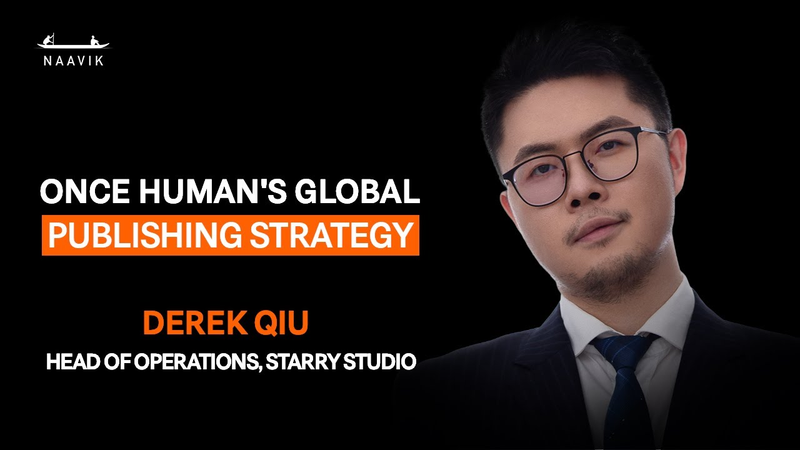
reputations pose real risk to your business. Luckily, there's Neon, the DTOC platform built for games. As a merchant of record with customizable web shops optimized for conversion and modern APIs that let you use your existing live ops tools, Neon is trusted by some of the biggest names in gaming to help you sell direct without the typical overhead. To start selling direct and finally take control over your full player experience, simply head to neonpay.com or check out the link in the show notes. And with that, let's jump into the episode. All right, what's up everyone and welcome to the Navic Gaming podcast. I'm your host Alex and this is the interview and insight segment. Today we're going to do an expose on distribution and go to market in the context of crossber development and deployment. We've seen over the past years a growing prevalence of Chinese gaming companies growing in consumer market share in the west and around the globe. China itself is the largest
domestic market for gaming. First in mobile, but now actually on PC. And Chinese exports have grown in market share. First again on mobile, but now also on PC and console. Our most recent favorite example is of course Blackmith Wukong. And although the majority of sales for this game were within China's borders itself, it's a testament to how, you know, the far-reaching length of Chinese IP in even into the West. A similar but different example is the success of Marvel Rivals which is predominantly made by Netis though it may utilize um a western IP. So today we're going to have a discussion about China's evolving game market but more specifically as Chinese mobile developers now capture around 50% of the global gaming market discussing publishing owned and operated Chinese IP in the west. And to do that we're going to talk about Netis and specifically Once Human. Once Human is a PC survival game developed by Star Studio, a subsidiary of Netis that launched in July 2024 into early access on Steam to fairly acclaimed success as a free-to-play live service game. It hit an all-time peak CCU of 231K and on
average as the time of writing. Um, and it hit around 20 to 30K CCU for rolling 30-day averages um about one week ago once Human launched a mobile version on iOS and Android. And this version is also crossplatform and cross region. And so I'm delighted to welcome my guest today to talk about all of this. Um my guest is Derek Hugh. Um head of operations at the overseas market at NEIS. Um he spent four years at Garina before joining Netis where he focused on North America and US deployment of Netis properties. I'll have him tell a little bit um more about himself uh later. But Derek, welcome to the show. Hi. Thank you. Hi Alex. Hi everyone. Hello. Um it's amazing to have you in the studio today. I love that I got connected to you and then I happened to be traveling in out in Orange County and then I actually met you in person when you were I think it was your first week stationed at the Netty's office in line. So, how is um how has it been? How has Orange County been treating you these past few
months? My life is treating me well actually. There's nothing to to complain about. Uh I mean the sunshine in California is amazing and I'm I'm really a beach person. So I I enjoy my life here and uh the work here is amazing as well. I have amazing colleagues and also the team in China is very supportive to my job. So yeah, it's just a lot a lot of things is rolling and um uh especially when we when we we were trying to prepare our mobile uh mobile launch. So many things happened but uh since we we we just launched our mobile version. So life is going to be hopefully life's going to going to treat me better. Okay. Yeah, I figure it's probably been a really hectic time for you. Um and that's exactly what we're going to you know talk about today. But I'd love for you to share a little bit about um yourself. Uh you know, where are you originally from and what makes you passionate about video games? Sure. So, I I actually grew up with um I grew up um as a gamer
myself. So, I'm a very I consider myself to be a very hardcore gamer. Uh and especially when I was very young, when I was around 7 years old at that time back in China to uh to purchase computer is a very difficult thing. But I have a very amazing family to support me. So I started my journey back back when I was 7 years old and then uh along the way computer computer games all all kind of games are my soulmates I would say. M and um uh what I'm currently doing is um so I'm leading uh a global publishing and and and overseas strategy for West Human um at Star Studio and it's uh um it's by byes and then uh over the past of a few years I've been also deeply involved in the global globalization of the Chinese developer games. Uh so for for this
title is once human and then my previous title was in gina which is uh called free fire. It's also a t uh a Chinese develop the game but publishing overseas. Um so uh I think my goal of life or like my my my duty of my life is to um to bring original IPs with strong development uh capabilities to players to players worldwide. And that game is developed by, you know, a by a Chinese team and that's where where I come from. So I'm really excited to be here today to talk about our journey with one human and the challenges and breakthroughs in global publishing and how we're building a truly intern uh international uh player community. That's amazing. Well, first of all, I have never heard the phrase duty of my life, but I love that phrase, the duty of my life, and I am going to start saying that all the time. Um, so I love that the duty I I love
that. Um, but okay. Uh, once human, right? Um, yes, you know, I gave a little bit of open overview. Uh, you know, again, it was a PC title first, etc. But I would love for you to tell the audience about what Once Human is in a nutshell. tell us a little bit about the game. What do players do? What genre is it? Um, I'll leave it to you. Sure. So, West is a supernatural open world survival game. Uh, and it's set in the post apocalyptic uh world contam uh contaminated by stardust. Uh, so as a player, you can explore diverse um biomes, team up for combat, and build their um own bases and choose your preferred play style. So we have both PvE or PVP through our flexible scenario systems and um our our game we aim to combine new weird uh aesthetics with immersive survival gameplay to create a living evolving universe that resonates
with players around the globe. Okay. And so basically so it's supernatural. You're playing in there. It's a shooter, right? Um that's right. Yeah. And the PC version came out in July of 2024. And you know, I guess I kind of want to and maybe this is maybe a bit um for my own observation, but Inborder Eastern titles are usually built mobile first and then they're adapted to Steam. So, can you talk a little bit about the decision-m here? Um, you know, this was a PC game and then you recently launched the mobile version. Why was it developed for Steam first instead of mobile? H so we choose a PC first. It's um so the intention was to refine our core survival mechanics uh combat systems and and high quality visuals. Uh so PC players are very engaged in survival games and can provide immediate and in-depth feedback. So that's that's the reason uh the initial reason why we
developed our PC game first. and also our initial graphic uh graphical fidelity and hardware requirements were better suited for PC players in the in the early stage. Um so so yeah and uh fortunately uh on Steam we reached over two 200,000 concurrent uh players and tens of millions of downloads which also validated the goal appeal of West Human style. I see. Okay. So, a lot of this was driven by, hey, we have this ambition to make this game. We think this will actually run better on this hardware. Um, and this kind of genre of game we see being done on this on on a on the PC first before moving it to mobile. Um, and I guess that's kind of leading me to my next question is, you know, when you initially glance at this game, um, and again, this is again from observation. I'm a huge JRPG player. I I love um games like Persona or Metaphor, right? But when you look at Once Human immediately, it doesn't strike you as it's made for an eastern audience
immediately. Um, so I'm curious, was the intention to always make this game for the West first or was this game initially on PC successful in China? So actually uh to answer this question, it's kind of like um very hard in general general question to answer. Uh so survival game is actually or originated from the western mark uh from the western market and then um so so so that's that's the reason why of your observation like uh why we are launching um this game is it is it because uh we're targeting uh western users uh no I wish I would say the western users they have better knowledge than the eastern users when it comes to uh survival game but the reason why we are developing this game is because uh most of our core designers they are very hardcore survival game play players and users and that's the that's the uh the core motivation behind the scene that why we
developed this title so yes okay so you have a bunch of people who have grown up playing survival games and so they themselves want to build a survival game because that's what they love but I guess Why select um the art style that was selected? Um you know, it definitely resonates as obviously like you said, but it's, you know, but maybe militaristic sci-fi um why not, you know, stylize it in a way that might be initially more appealing to the eastern audience? Well, to be very honest with you, it's also because of the um the preference from the our core designers because um well me personally, I'm a part of the you know um the the core designer team. So also we have a similar art preferences. So we want to build a survival survival game. So that's the very clear direction, right? So when it
comes to our preferences, what we what we want to bring to the to to to to the players is a very unique playing experience that you can't um get elsewhere other than once human. So when we were discussing and brainstorming what kind of directions we should go, it just pop up to to our mind and then that that that was the only uh option that we want to we want to we want to pursue with. So So here it goes. All right. Um and then so the game is out right now as you mentioned it reached over 200k um you know peak concurrent users. Was the predominant username for user base for that game in the west or in the east? I think how would you kind of break it up at a high level DAU split? Uh so in the very early stage of our PC release our player base was mainly concentrated in three uh maj major re regions. So, East Asia, uh, North
America and Europe. After launching the mobile version, uh, we saw a big wave of new users join the game. So, while our core markets are still East Asia, North America, and Europe, uh, we've started to see a really in strong interest coming from Southeast Asia and South America as well. So, right now, um, PC users, they they they still show higher engagement and retention overall. Uh, but the mobile player base is growing quickly. So, we're starting to see uh a more balanced platform distribution as mobile picks up the speed globally. I see. Um and yeah, and obviously it's only been out for like a week or something. So, uh only expected to to kind of grow from here, but you know, before we move on to discussing, you know, the mobile launch of of Once Human, um I'm curious about what was good enough about the PC about the PC version to warrant making a mobile version, right? We talked about some of the numbers, right? But I guess from the net's perspective um by what rules and performance do you guys decide that you
know this thing warranted um a mobile port? Okay. So we have a very systematic and and rational uh evaluation on this uh decision making. Uh so when we evaluated whether to develop uh more version or not, we mainly look at uh early uh user retention, engagement, community feedback and overall social bus. Uh during the PC phase once human had really strong community activity and very positive feedback globally which gives us a lot of uh confidence to move forward with a mobile version. And since our uh very first review, we've seen a strong demand from players worldwide asking for a mobile release. So after we stabilize the PC content and performance, uh we we immediately started our mobile development and worked very hard to tackle all of the adoptions challenges to bring human to mobile players as soon as possible. I see. Okay. So from a high level, it's
it's three things for you guys. The first was retention. Um, rather than necessarily DAU, installs, etc. It's just looking at retention versus maybe top ofunnel audience. The second for you is actually um kind of community behavior. Um, so people legitimately asking in a forum or asking on Reddit or asking on Tik Tok, you know, for an actual mobile version of this game. And um the third one was you know generally like strong I guess review reception. That's right. All right. That's the systematic approach. And do you think that that applies for um how the kind of the gradient that once human was evaluated against or is that more like the this is the rudimentary approach for all games? Um if if you would want to bring them either mobile to PC or PC to mobile. Wow. I can only I I can only answer this question on behalf of of of one's human
or D studio, right? So I think the uh the the the model of the of how to come up with decision should be always very systematic and and rational. So as long as the decision making is legit and valid, I think it doesn't matter what kind of model you're evaluating. But that's the that's the one we are implementing and using from our side. Okay, I see. Yeah, that probably very dependent upon product studio. Um, all right. So, we've got some grounding for what one's human is on the PC side, its performance, you know, the rationale for why it was brought to um, you know, the or I guess the decision-m process by which it was green lit to be mobile. Um, but I guess you know you had some and you kind of answered one of my upcoming questions, right, which was people were asking for a mobile version, but now we're going to shift to the mobile launch of Once Human, but why did you bring this game to mobile versus
something like console is the only reason that people were asking for it? Um, so why did you think product market fit on mobile over console? All right, so we have a lot of experience with mobile game development. So which really help us to move quickly and efficiently uh when building mobile version of once human uh but when it comes to console it's it's a bit different uh we want to make sure console players get the best possible gameplay experience ever right so but so right now our team is still uh building up the the technical foundation needed for that um and we we already are working closely with several console platforms on the on tech side and once be truly ready would definitely speed uh speed up the the console production process. I see. Okay. So, you guys have potentially intentions to go to console as well to truly be the kind of triumvirate mobile PC console crossplatform. Yes. Okay. Awesome. Um
All right. So, I'd love to start talking about the mobile launch of Once Human. You know, it's been one week. Um and so we'll talk a little bit about how it's going. It seems like it's going very well so far. But the first thing that I wanted to say is, you know, what changed about the game to bring it to mobile. I'm sure there were a bunch of things that needed to be done differently. Um, from in-game monetization to controls. So, I'd love for you to walk me through how you guys thought about adapting the title from PC to to mobile. Mhm. So, uh, so firstly, it's uh, we designed a completely um, uh, custom UI uh, custom UI and simplified the control logic specifically for touchscreens. So if you in intrusive and very easy to play on mobile. Uh secondly, we kept a strong focus on localized monetization. We we stick very firmly to uh no pay to- win philosophy. Meaning all purchases are cosmetic only uh convenient and totally there's no pay to win um factors.
And uh players they they they can compete based on their skill but not how much they spend. And and certainly we paid a lot of attention to cultural sensitivity. We may we make sure to adjust certain visual elements and um event name to better fit local cultures and social norm in different regions. And um I would say lastly but not the least we set up uh dedicated servers in the US and and Europe to help reduce uh lag issue and uh support community management in each language region. Okay, got it. So, obviously some of the basics, right? First, establish servers. Second, you know, change the control scheme to for touchscreen. Um, make sure that it's, you know, appropriately localized by territory. But I think the most interesting change that I'd love to spend some time on here or potentially the lack of change um is no really big differences in the business model on the
monstation side. So, normally when things go to mobile, there's often sometimes where you're switching to be a bit more pay to win. Um, walk me a bit further through like why the the PC skew is, you know, and the mobile skew still are this freeto-play cosmetic only economy, you know, I think how are you guys thinking from thinking about that from the business perspective given the state of mobile today, the high cost per install, um, and you know, having to balance that out with a player with that, you know, hopefully has high LTV. I think it's really related to uh the n the the nature of the product. So by nature this is a survival open world game. Mhm. So by implementing any page win factors will sabotage the player experience. So that's from our side. So the the the very intention from the very beginning is not to to bring any negative feedbacks to the players while they are playing game because we want to build the game for fun not just for monetization. I mean monetization is
important because it will support our long-term operation foundation but it's just where we come from. So we a bunch of the you know I would say um a bunch of cube believer and true gamer who want to craft a game to to bring to um uh uh a wider uh a wider uh user groups all over the world. And then uh we want to have fun um from you you know from building uh the this game it's not purely because of uh we want to make money for survival right so that's that's where where it comes from uh so while we while we were uh evaluating the monetition monetization model actually I was one of the u core monetization designer behind the behind of this we had a very um solid uh calculation model. So,
so we could get uh a an idea like how many users we need to get and how how much they need to pay to make sure that our game can be uh profitable. So based on our cosmetic only like mutation model our game can have a positive cash flow. Mhm. So with this evaluation so we we are very competent to proceed with this direction and and when it comes from uh mobile version uh comes from PC version to mobile version we definitely cannot break our our vow right so we want to bring the very genuine um experience from was human PC to mobile so the question you you asking yes a lot of mobile games they're quite high AR PPPU centric. So they're pushing players to buy a lot of like expensive stuff and they want to compete with their others with like pay to-wing
factors. That's not what we want to do. Yeah. I mean I think this is a it's a really interesting tactic because I think some of the challenges that western studios have had going to the east is almost the opposite, right? Like a lot of people derive a lot of fun from deep vertical spend economies. Um, and western a western audience or western developer doesn't think like that because they don't want to do pay to win and they don't know and then when they bring their business model over or they bring their game over it just doesn't pick up and you guys have almost done the reverse of that but but well right you understand the western audience and you understand what they're looking for and so you didn't really adapt the game to being any any different. Um and you obviously did that that that calculus um about you know being cash flow positive and the relationship between DAO and ARPDO. Obviously direct purchase economies typically have lower DAOU um than a loot box economy but um if you guys have felt confident in basically that scale of the business then it would
you know it would justify the type the type of business model. Um, and so I wanted to ask a little bit about, you know, what changed about the game to specifically bring it to the US territories, and this was probably one of them. But, um, I know that you guys don't have a a western partner. Um, you guys are distributing this yourself. Um, yes. In in the West, uh, when you were talking about those changes that you made to the game to localize it, um, how did who did you work with to kind of figure out, you know, what what is it? um you know what street should should this be called given that maybe the team who developed it wasn't from the local area. Um so just to uh just to clarify the the question is it uh like uh well when we try when we are trying to publish our game without working with other uh western partners uh what do we do or why yeah sort of like how did you do the on the ground research to figure out um the best way
to localize this game for someone in Brazil versus someone in America versus someone in all right the EU. Okay. Uh if you didn't have a local partner to tell you those things, for example. Yeah, I see. So that's exactly what I'm what my team was uh meant to contribute to the to to the product. So yeah, my my my team can be considered as a partner um as you're referring here. And then um so when back to the test phase like the the closed beta phase I was um not just me my my team is uh deeply involved into um this uh designing faces and me personally because I've worked uh well I gained a lot of experience working um in America the the whole
continent back in So I was the major like pusher behind of this like how should we design the monetization model and then um on top of that we also have an international user research team based uh b uh based in North America. So that team also provides a very profound uh local perspectives on how should we make the the changes not just related to monetization but also gameplay as well. And then uh apart from that uh when we did the closed beta test, we also get a lot of uh feedbacks and we we we got a lot of um uh user research surveys from our players or from our test participants. They also provided um a tons of uh invaluable um suggestions to our player to to to our product. So that's so to combine all
of the information all together. So that's how uh that's how we decide like kind of like the direction that we should uh customize uh to yeah to fit the the local market. Awesome. Yeah. Okay, that makes sense. I think um yeah, as a lot of that research might be held in the distribution partner, but instead you guys were doing that internally and it sounds like you did some very early testing with the with the correct markets to get feedback and to be able to adapt the game from those early wave of consumers. Um and so I want to talk a little bit about, you know, performance. Um how is the game how is the game doing? You know, you launched it about a week ago. Um my first question is, is this the outcome that you guys expected? I wish it I would say we dreamed about it and then but it's not an actual actual goal but overall that we very proud of uh that what we have achieved. Okay. Um I guess in in that in that in
that regard I'm sure that there's some sort of total downloads target there's some sort of arpow target. Um and uh I'm obviously not necessarily going to ask you to necessarily share. We can all check app we can all chat check app Annie um or data.ai AI and and find figure it out. But I want to spend more time and maybe talking about what surprised you about the past week and and what are you learning right now? You know, given that it's one week into the launch um and and what are you basically going to do next given what has happened so far? I see. So I would say I we definitely need a lot of more time to to analyze user behaviors because the mobile user behavior they are very different from the PC user user behavior and also the monetization patterns engagement matrix to have a very truly objective picture of how the mobile version is performing. Um so that is that we're still at a very early stage uh of to to to to get the result. Um what surprises
me is actually um well that's within my expectation but uh when I see that we reached the number one download charts across uh 166 countries and regions which is a huge milestone especially for Saba game genre that is very surprising that's awesome that's traditionally you know it's more niche right so From our perspective, we believe and we we we we think it's a it's a very strong start. So what what will come next is uh we're going to have a lot of like future update plans and for for was human. So firstly we we will keep releasing regular content updates like new uh new game zones, new monsters, new dungeons and of course uh more a lot more uh new scenarios. Um so for example that in in May we will
introducing a new major um seasonal effect called visional um wheel and in July we will launch uh uh a brand new PV PVE experience that will that will be around our anniversary time. Mhm. And then uh on top of the content we're also planning some very exciting IP collaborations but I I can't give you a lot of Don't tell me. Yeah. Thank you. uh but we will we will re we will relieve uh uh review the information later and uh we will also continuously working on gameplay and quality of life improvements based on the the player feedback. So since things like server optimization, inventory enhancement uh so a lot of things will be closely uh related to the product performance but a lot of them they come from uh the player feedback and the observation that we see like what's the pinpoint but from from the users when they're playing the game, right?
Okay. Um well I mean that is amazing. I think again survival is not the um I guess it wouldn't you wouldn't call it probably like a juggernaut genre. Um it's definitely a smaller and more niche and so that's that's a huge congrats to you guys in the team for um hitting those top charts in in in that many countries. Um I'd be curious if you guys have any insights between you know one first where where are the majority of your players coming from and also the overlap between the PC version and mobile. You had said in the beginning of the podcast that you know a lot of people had made comments from the PC community that they wanted a mobile version. So do you feel like you are having the same audience from PC that's on mobile now or is it completely and uniquely different? So I would say it's still a very early stage. Um but what when the when when we see from the PC most of players came from the the East Asia, North America and Europe, right? So after launching the mobile version, we we saw rapid growth from Southeast
Asia and South America as well. But it's it's still very hard to uh identify like what's a what's a portion of uh of landscape and uh versus uh the uh the platform. Um it I I think it's too hard to say. Uh and also the retention rate, engagement rate, they're they're quite different from the PC users and and the mobile users. And then it will varies differently across regions to be honest. So it's a very complex like uh uh analysis model behind this. So to in order to give you a a very accurate um um uh statement I would say it will take a longer time for us to to to analyze it. uh but from the very uh initial understanding that I'm seeing uh from the backend operation data I would say still uh the PC players their
retention rate and engagement rate is higher than mobile version and then um we so we will keep polishing we will keep polishing our uh our uh PC user gaming experience for sure. So that's a that's a foundation of our game and then uh in the meanwhile we will polish and and and and uh improve the the the mobile adoption for our mobile users but yeah this this is a very dynamic and and and content development plan. I see. Um and uh both are obviously being done by by Stari. Um how would you say um is it split? Is the majority of the P is it like 5050 supporting mobile versus PC or are there are there you think more of the studios working on one or the other? I think we'll want to do both um at the same time. Uh that's what we that's what we are trying to you know to to pursue and that's why we are expanding our team here. So I would I wouldn't say 50/50. I
think that the the important level is would be the same because they are all our uh streamer players. So, okay. I see. All right. So, that was talking a little bit about staffing and studio structure and I actually want to, you know, switch gears a little bit to talking about, you know, navigating publishing in the west and structure and how you guys got it done. Um, and we talked a little bit about, you know, how you got the research about how to localize this thing the right way. Um, you told me a little bit about the big beats for the game in the upcoming months. You know, you might do some IP partnerships. You're going to have regular updates. Um, but I want to steer this more towards, you know, doing this overseas versus doing this in China. Um, how is the live ops plan different? How have you designed it differently than what it potentially would look like if this game was primary target audience was in China? So, uh, we've noticed that Western players, uh, really care about community communications. So uh we stay very active on platforms like Reddit and
Discord to stay you know close to them. And when it come to live events uh the culture alignment super important. For example in the west uh we prioritize things like Black Friday and Christmas while in Asia we will focus more on holidays like Chinese New Year and and mid mid-autumn festival. So it's it's it's not just about branding events. It's about making them real feel really relevant. uh we also take a more uh restrained approach to to monetization in in western market. So the idea is to avoid anything that feels too aggressive. Instead we focus on enhancing the experience with co cosmetic items and the fear engagement driven systems. Um and I would say uh one big difference is how quickly western players give feedback. Um it's it it's often fast and very direct. So to handle that, you're the worst.
No, you're the you're the I would say you're the the most honest one. So it's it's it's very valuable when it comes to, you know, the product improvement. So we need that sharp feedback. So, so to handle that we set up a a very um rapid internal response mechanism so we can sync our feedback and react quickly both within the team and the and within the community. That's the I think that that's the major differences between the live ops um in eastern and western markets. Okay. Got it. Yeah. All right. That's that's definitely some good context. And yes, in the west I think uh gamers are a very brutal community. Um and they will absolutely tell you exactly what they think. Um and they will be disparaging about it which I think I guess from the perspective of improving the product is very is very very useful. Um I would love to learn a
little bit about the you know that you're running this onore team here um uh in in Orange County I guess. um and the organizational structure at NEIS that you know how you guys were staffed for this once human launch you know what the teams were doing working towards distribution and and and what were they doing um it sounds like there's obviously a lot of parties um and so I would love for you to tell me a little bit about you know those teams and how they're structured and even pre-launch and now post-launch given that people are like ready to ingest feedback and they're ready to make changes um um so the project is led and and developed by our core team at Studio Star Studio in China and at the same time we have over my overseas team handling local operations including marketing, community management and customer support across regions like uh the US and and and Europe. So we've actually built a global operation hub with the team members based in different
parts of the world and this structure uh really help us to combine the deep local insights from regional teams uh with execution speed and efficiency of our China based development team. Uh both so both sides work very very closely together and remotely. So we have a pretty clear and efficient communication framework to keep everything running smoothly. uh dayto-day. Okay. Um can you tell me I guess a little bit about that communication framework? I mean I guess it's like you know I'm imagining there are so many parties. You have the studio back home and um you're like here we are. This is how it's happening. This is what this community person said. Here's a bug ticket. Um how do we get that feedback? And so how did you guys structure that to be kind of like this fastmoving welloiled machine? because I think this is often where so many teams begin to break down when they start becoming overwhelmed with like the the feedback tsunami about the game. Mhm. So I would say different job uh job functions for example either it's
community or it's Martin or it's K should have their own very specific working SOPs whether it's using uh the the the product management tools or using uh internal communication uh platforms uh it's always good to have the to have the tools behind this but uh the most important thing I think is to really design a system that can make everyone work um clearly within the organization. So that's uh what my what I what I was trying to build uh internally. So so different functions will have different uh SOPs and then different SOPs will involve different uh coordinate coordinators will have different rules. So uh really to well organize and to to to streamline um everything all together and to come up with uh uh like in
integrated uh hub model is uh is the is the key behind this. I mean there's a lot of like details explanations I what they I'll say it's maybe like too too much for our audience and and for for today's uh discussion but the main idea is to to to really uh understand uh the the the the internal working SOP and and work environment uh in in both sides from both sides. So you can come up with a very reasonable working SOPs for everyone to to to work together. Yeah. Got it. I mean in summation it's how would you like to be communicated with? How would you like to communicate and then we come to some conclusion and we tailor it by each perspective discipline. Um, you know, I just think that that's an important architectural foundation to lay prior to the launch so that when the launch happens, you know,
you have those and those those conduits are are are working. Um, but you know, so you talked a little bit about how the live ops plan would be different if this was going to be distributed in the West versus China. Um I'd love for you to tell me from the publishing perspective maybe you know some of the some of the differences um you know maybe your top three differences and go to market approaches for distribution in the west versus the east. So what so when it comes to go to market market strategy uh there are pretty um clear differences between uh you know the eastern market and and the western market. So uh for example for uh for media channels in China we mainly focus on platforms like Tik Tok, Billy Billy and Tapt. Not sure if you heard of it. Uh but in but um in in the US um it's a it's a very different landscape. So we will prioritize YouTube, Twitch, Reddit to reach players more or organically. And
it's not just for for us but for the western market. uh when we when we were studying our players play players like uh uh day-to-day um user behaviors they also they also use use those streamline platforms and the messenger style is also quite different. So in China the marketing tren the the the marking tends to emp emphasize the visual impact and technical highlights kind of like showcasing what's cool and what is cutting edge. Um but for western players uh it's more about player experience and an immersive storytelling. They want to feel uh to be part of the world not just see you know flashy features. And then uh when we talk about the pre-launch strategy the difference is even bigger. Uh in China we focus heavily on pre pre-registration number and tight pacing control. uh but in in the western market it's
about how to build a seed communities early and and generate organic bus through ks or our uh core players. So interesting okay um yeah it is just so interesting to see like kind of what resonates and um the um can you do you mind defining what what is a k oh key opinion leader? Oh key opinion leader. Okay, got it. There we go. We just call those influencers. Yeah. Okay. The key. I love that. Duty duty of my life and key and K key opinion leader. Um Okay, I see. Yeah. And that that was really helpful and I think um you know a very good and um concrete way of kind of delineating the differences. Um and sort of before we move on to you know our final topic um I want to ask sort of one more final question which is um you know for obviously you guys decided that you
wanted to be the onore distributor um yes but did you consider partnering with someone and why did you decide to come and do it yourself versus you know maybe working with a local operator? We've thought about it, but um uh our our one of our our goal key goal is to keep it very direct connection with our players whether it it's about our brand content or just you know building trust. That's actually why we choose to go with global self-publishing for for our product. It's a pretty bold move to be honest but also also very exciting one because it gives us the full control over the entire process from launch to operations, right? And most important thing is it that allows us to to to react to feedback much faster and make product adjustment more more flexibly. So, so we can really stay close to uh what our players want instead of just
waiting for decisions to go through a bunch of layers. H okay. Yeah. I mean it seems extremely logical, right? Like it's obviously would be preferential to it's easier if everything is kept internal. You maintain the relationship with the player. You own the relationship with the player. Um and obviously, you know, you obviously already did the PC launch. Um, and on the mobile side, you don't really have there's not a robust quote like scene for mobile publishing just given the way that the you're it's just the ease of development and the ease of publishing through, you know, the iOS or the Android store. And so, you kind of don't have the same kind of publishing gatekeepers that you might have especially for console where you almost need that distribution partner to even get onto the platform. Um, but I was just curious how you guys were thinking about it because it's definitely, you know, a foray of into the um into the West for Netis. Um, and I guess pending I guess maybe you don't speak from speak for obviously all of NIS, but um do you guys think that you would continue to do
this with with other with other titles as well? Um yes we will uh with a valid uh um like uh product product outcome proof to support our um thinking behind this. I think uh right now we are quite um confident on our overseas publishing capability even though it's still at a very early stage but we do see that from long-term run it'll be very sustainable and very beneficial to to to the whole studio. Yes. So, yes. I see. All right. Um, so I'd love to move on to our our final topic, which is kind of about, you know, China's evolving game market obviously from the the once human perspective, but um, you know, we talked a little bit about how Chinese games are, you know, that sorry, we talked a little bit about that Chinese games are going global, but why do you think why do you think that is? So from our perspective right still D start studio we see tremendous
opportunities in the global gaming market um because we've observed that no matter where players are from they share the same fundamental desire for fun creativity and meaningful gameplay experiences. So for us, global publishing is is not just an innovative experiment. It's actually a strategically improvement pro uh move. Our vision for uh any titles uh not just limited to once human is to grow it into a globally recognized original IP. So not just a single game, but a brand with long-term creative and and and cultural value. So that's the reason behind this I see. Um yeah and and I guess you know I think that um you know from the star studio perspective um what do you think is um maybe China's development strength that you guys are trying to bring and like how does once human you know embody
maybe that that development strength. Um obviously there are some regions that are better at making mobile games and some regions that are better at making PC console. um what's uh what's your perspective on China's development strength and how that applied to once human? So we ourself we leverage our team's experience in in in fast iteration system uh systemized production and efficient execution to deliver high quality development uh at a at a strong pace. So those three are the key pillars behind this. At the same time, we remained highly open to global best practices like uh immersive storytelling, community, engagement, and innovative uh gameplay design and actively integrated uh them into our development process. So, it's really about combining uh execution uh ex execution efficiency with creative flexibility and that's been a big part of our success so far. Interesting. Yeah, I think the perspective on iteration is also very critical, right?
It's like how to iterate fast um and how to make those changes um very very quickly. Um I think that that's definitely something that um in the west um there are some AAA studios that are you know struggle to do that. Won't name many names but there are some people that move a little slower than others um and uh obviously have don't have the same kind of community integration with feedback loops. Um and so you know I think uh it's very interesting to hear you know and see different styles of production being done all across the world. It's obviously all games but different routes to success. um you know given your experience from this from once human on the PC side and the mobile side do you have a recommendation I would say for our audience for effective collaboration between the east and the west you know what is like the definitely don't do and definitely do do um best practices so so the goal is to make sure that uh
the the game can be um published like successfully in both eastern market and western market, right? Mhm. Yeah. And like how you can collaborate and coordinate between the two the two. So those suggestions there are for the uh the the the the western um audience, right? Yeah. Okay. So I think the first one is to um the doodoo is to actually to build up um uh a international hub that you that they can fully understand what's the type like what what's the culture differences between uh eastern market and and western market. Uh that hub is not just for you know um uh user research like providing user insight but also it's very important to have a communication bridge between those those two teams because the working style might be a little bit different uh and when it come to uh daily communication uh it it it might be different. So to to
have a in uh very international open-minded um uh team implemented into the whole uh the whole big organization. It's very important. So that's definitely a dood do. No do is um I'm not sure if I can say this but don't be too stubborn. Um so I mean uh look at the gaming industry right now. there's a um something that we can learn from the eastern market and then something that we can learn from the western market. Right? So the very important thing is that when we trying to build out the the production road map um always consider the the the the advantage from both sides not because uh me personally I know a lot of like uh game producers they are very used to um how western market they're they're
they're producing a game and then because they have a very successful um track record before. But um when it comes to uh when it comes to gas game uh when it comes to like uh crossplatform games, it's very important like to combine uh the the most cutting edge um like product uh project management skill and also the technical skill um all together like to to and to customize it to um to to fit the pro to fit the product. Um, very well. I think I think that's uh that's a no do. Um, yeah, that's the biggest do and no do that I can think of right now. Yeah. Well, they're rather actually very complimentary. One of them is about, you know, understanding and doing your research and, you know, knowing what other knowing what players want in XYZ
region. And the other is about, well, don't be too stubborn to do things the only way that you've done them before. um and be open-minded to having a different perspective or building something different which I love. Um I guess one of my my my final question here will be um is a lot of today we've focused on you know the the approach for once human you know on PC to mobile um I would love just kind of a final perspective on like where do you think growth is going to come from in the gaming market in general um right so just across the board you know games obviously right now there's some parts of games that are very much struggling um and how is sort of your perspective on just gaming the market in general general informing the once human strategy. So okay so uh let me answer the the the last part of question. So what so how does uh how does the that inform the the ones strategy? So seeing the global response uh reinforces our belief in in
content-driven development and community first operations and uh we continue to you know to invest in world building regular content updates and and and deep communication management across different regions. Um and looking forward we also ex exploring crossplatform in in integration and uh console version so we can meet players uh where they are um and deliver the the the best possible experience across different platforms and ultimately our strategy is simple to to keep creating uh great content stay close to players and build build ones human into a longlasting global IP. So that also answer your first question like uh where is the growth coming from? I think uh right now the gaming the the gaming industry is segmented into into different categories. So for for games like us we are survival uh we have different tags we have your survival
game shooting game uh we are open world we sandbox game. So you can find a very niche market and to to have a vertical like like a growth to attract your core uh users. I think that's that's very important. So you you got to you got to figure out what is really your product about and where are your uh key users because right now on the market I don't I don't I don't believe that when you're publishing a very po very well polished game and it's very fun super fun you you will be like uh worry about your your your users it will not happen as long as your game play is valid as long as your game like quality is valid. You just need to understand like and you just need to figure out who will be your target audience and how to how to retain them and how to how to um improve the product
in a in a long-term run uh based on how to like uh listening to their feedbacks. So this is this is a whole loop, right? Yeah. So so that's where the growth come from. I I think it will come from a more segmented and more vertical um categories. So yeah, just don't don't don't be too ambitious like I I want those players, I want that players, I want everyone. And then in the end when you're trying to do like product improvement, you have no idea like which direction we should go. Yeah. No, I think that that makes sense. And I think we've seen a um a trend, right? Um I think what you're also speaking to is just a trend of hyper localization and hyper segmentation of creating something very unique for maybe just a segment of the audience, right? And then from the that tiny little segment then potentially you can grow um versus going for this big global game all everything everywhere all at once. Um and so I think that that perspective is is really
valid and appreciate it. But thank you Derek. We're kind of coming to the end of our episode here but just wanted to thank you so much. Um this has been awesome. uh learned so much about kind of the approach and the experience that you guys have learned from you know navigating publishing on PC and navigating publishing in on on mobile in the west. Um any final words before before we sign off today? I would say I'm I'm still very confident on the down the future game industry and thank you so much for you know spending time with us and um highly appreciation to to you Alex to you know to invite me here. Yeah, of course. Um, well, thank you so much. Um, everybody, um, this was a pleasure. Um, it's amazing. And, uh, as always, friends, if you have feedback or ideas, hit me up at alexandavoc.co. I'm always open. And with that, that's our episode. Um, see you next time. Bye, everybody. Bye. [Music] If you enjoyed today's episode, whether
on YouTube or your favorite podcast app, make sure to like, subscribe, comment, or give a fivestar review. And if you want to reach out or provide feedback, shoot us a note at [email protected] or find us on Twitter and LinkedIn. Plus, if you want to learn more about what Navic has to offer, make sure to check out our website, www.navic.co. There you can sign up for the number one games industry newsletter, Navic Digest, or contact us to learn about our wide-ranging consulting and advisory services. Again, that is www.navic.co. [Music] Thanks for listening and we'll catch you in the next episode.
Auto-generated captions from YouTube — names and numbers may be misheard.
















Comments