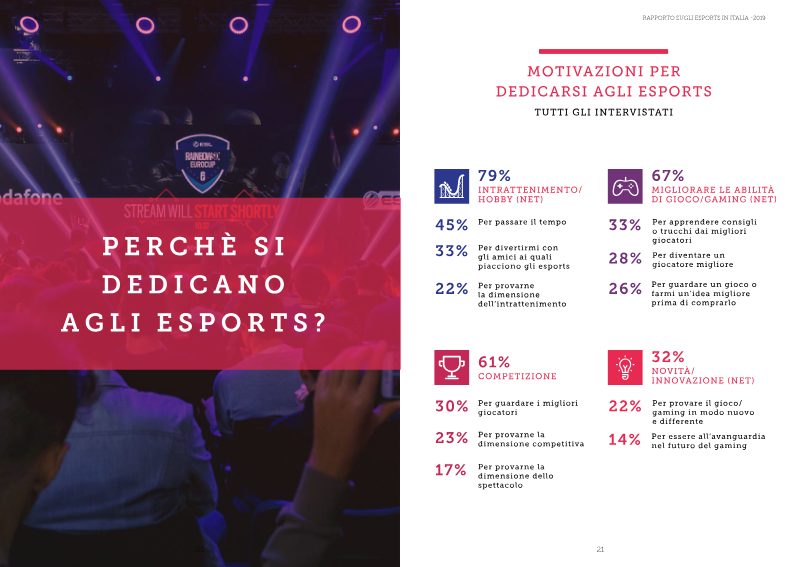
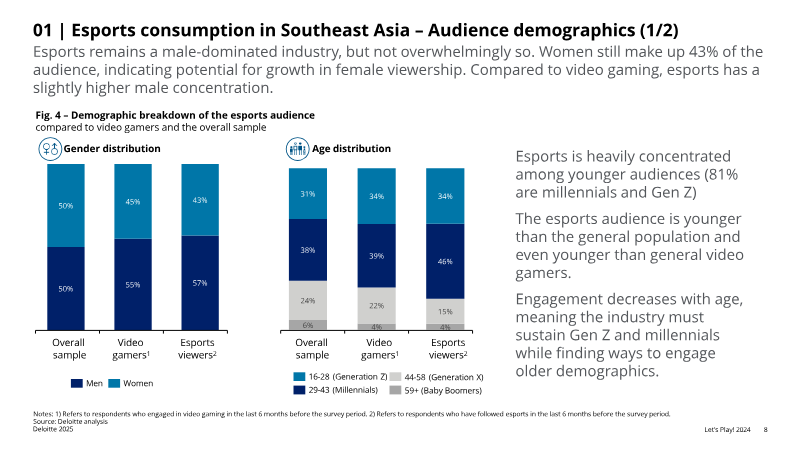
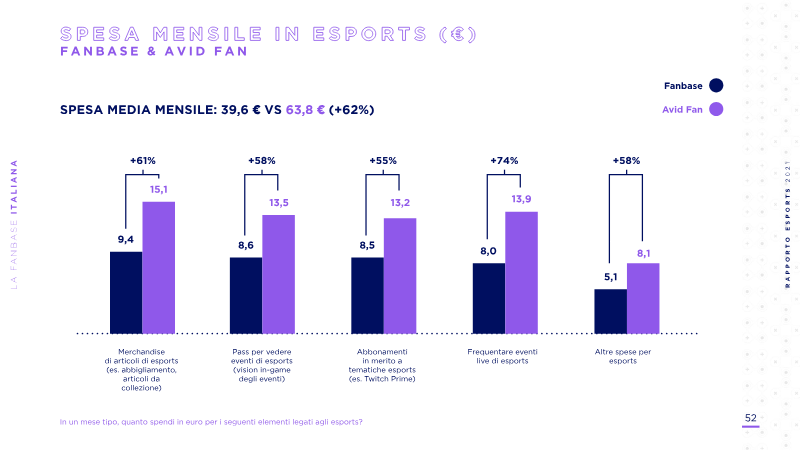
The Italian esports landscape in 2018 represents a burgeoning ecosystem characterized by rapid digital engagement and significant untapped commercial potential. With a total fanbase reaching one million people, including a core group of 260,000 avid fans, the sector is primarily driven by a demographic of males aged 16 to 30, with the highest concentrations of activity located in the Lombardy and Lazio regions. Sports-themed titles, particularly the FIFA franchise, currently dominate both competitive play and online discourse, serving as the primary entry point for the majority of the audience.
The industry is currently transitioning toward greater professionalization, fueled by the integration of non-endemic brand sponsorships that resonate positively with gaming audiences. These partnerships are essential for scaling the market, as fans demonstrate a high affinity for brands that integrate naturally into the competitive experience. However, the sector faces structural impediments that hinder its maturation. Inadequate digital infrastructure, a lack of comprehensive regulatory frameworks, and a shortage of specialized professional skills remain critical barriers to sustained growth.
To capitalize on this momentum, the industry requires a unified strategic approach and increased institutional dialogue. The path toward long-term viability depends on improving physical event infrastructure and formalizing professional roles within the ecosystem. By addressing these systemic challenges, stakeholders can better convert skeptical brands and solidify the position of esports within the broader Italian entertainment and sports landscape. The current trajectory suggests that while the foundation is firmly established, the sector must prioritize professional standardization and infrastructure investment to transition from a niche interest into a fully integrated commercial industry.