Key insights
Distilling the key insights…
Distilling the key insights…
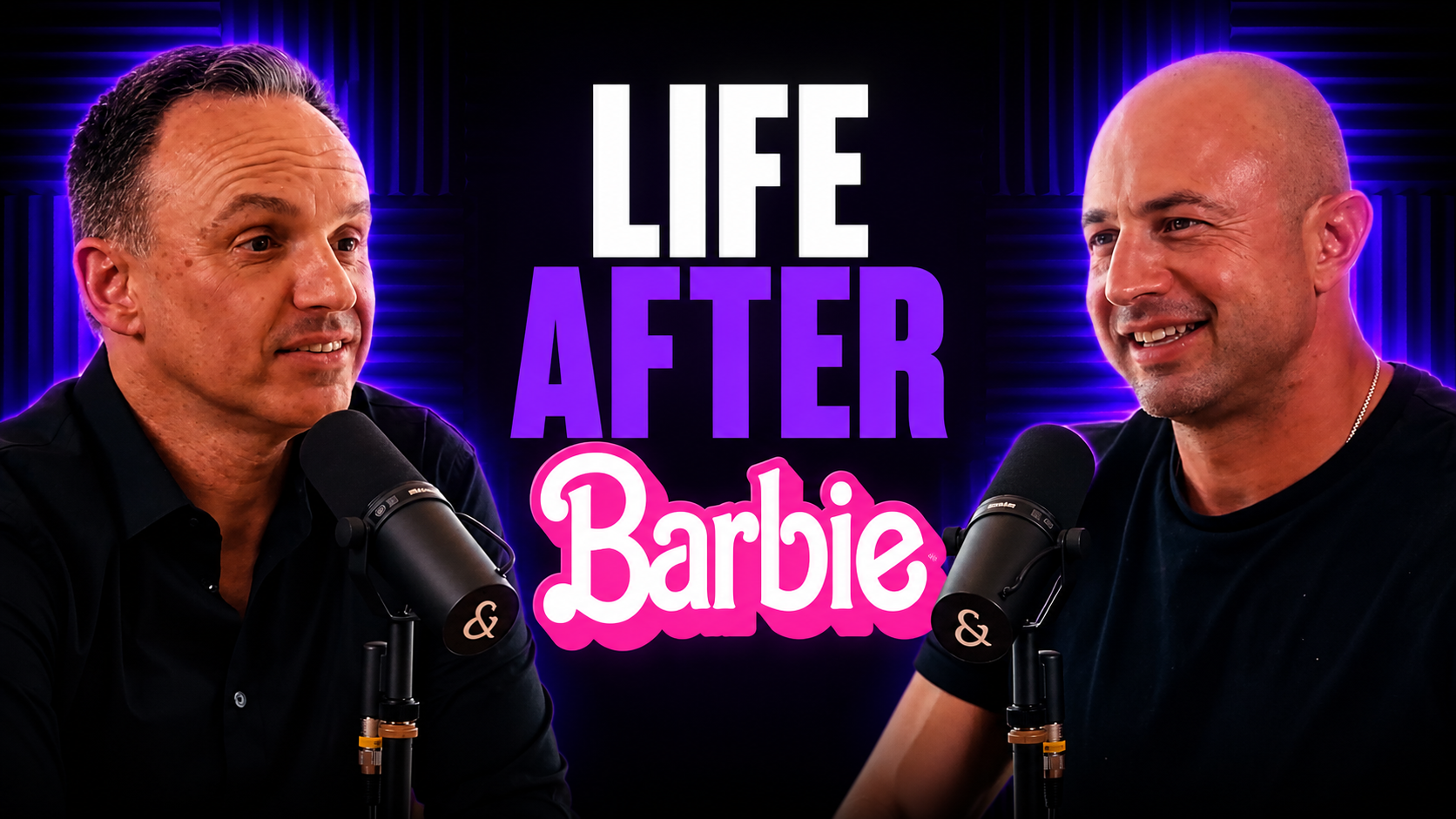
Mattel’s digital strategy centers on a shift toward high-risk, high-reward creative partnerships, moving away from the industry-standard preference for safe, predictable licensed titles. The primary thesis is that successful licensing deals require studios to pitch concepts that challenge the brand’s status quo, provided those concepts are backed by polished execution and a clear understanding of specific audience segments. Currently, only a small fraction of the company's fifty-plus active development partners are effectively pushing these creative boundaries.
Key findings indicate that Mattel prioritizes "uncomfortable" pitches that demonstrate cultural relevance, citing the success of the Barbie film as a benchmark for creative risk-taking. The company emphasizes that intellectual property does not replace the need for a strong core gameplay loop; rather, it serves to lower user acquisition costs and improve conversion. Furthermore, Mattel has evolved its operational model to include self-publishing, acquisitions, and streamlined approval processes, such as the Roblox License Manager, which allows for faster creative velocity by setting guardrails rather than requiring per-asset sign-offs.
The scope of these insights covers the global mobile and digital gaming industry as of August 2026. The analysis is derived from expert interviews with Mattel’s leadership, specifically focusing on the company's portfolio of over eight hundred brands, including Hot Wheels, Barbie, and Uno. The findings suggest that studios often miscalculate by focusing on demographics rather than LTV curves and by failing to identify whether they are targeting specific cohorts, such as casual players versus adult collectors. Ultimately, the most significant opportunities for studios lie in leveraging dormant intellectual property, which offers lower entry barriers and greater creative flexibility compared to marquee franchises.
Deconstructor of Fun · 2026
Deconstructor of Fun · 2026
Deconstructor of Fun · 2026
Deconstructor of Fun · 2026

Deconstructor of Fun · 2026
Deconstructor of Fun · 2026
Deconstructor of Fun · 2026

Deconstructor of Fun · 2026
Deconstructor of Fun · 2026
Deconstructor of Fun · 2026

Deconstructor of Fun · 2026
Deconstructor of Fun · 2026
GREE

Koei Tecmo
IGN Entertainment · 2026
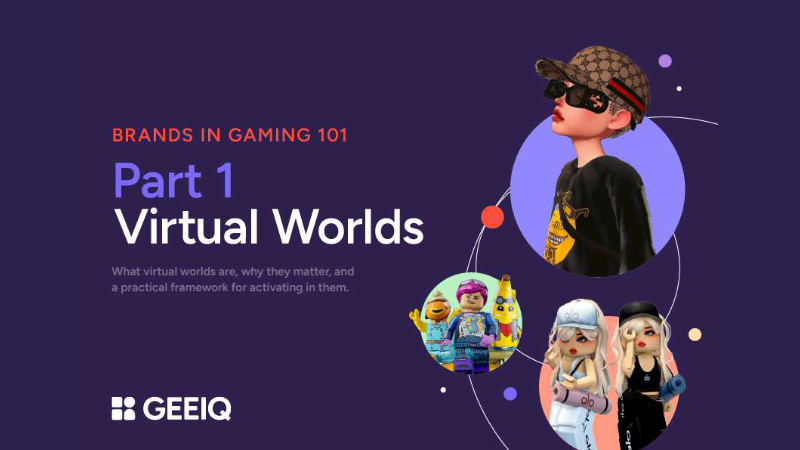
GEEIQ · 2026

Almedia · 2026
Gamesight · 2026

InvestGame · 2026

SocialPeta · 2026
SocialPeta · 2026
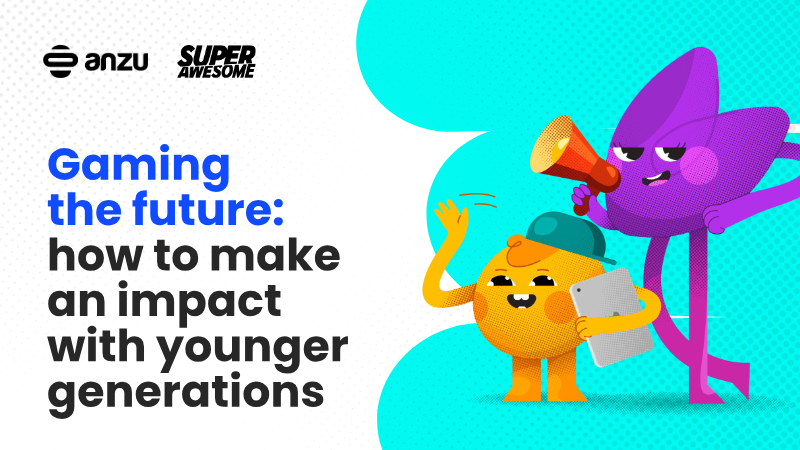
Anzu · 2026
SocialPeta · 2026
tinyBuild · 2026