1 free read left. Create a free account for unlimited reading + AI research.
Create free accountWhitepaper DiGRA
1 free read left. Create a free account for unlimited reading + AI research.
Create free accountWhitepaperDiGRA
Researchers surveyed computer science students and MBA business students about motivation in game play. The goal was to inform the design of educational games and activities.
This study examines motivational factors in game play among two university populations, computer science students and MBA business students at Dalhousie University, with the goal of informing the design of educational games and activities. The authors surveyed 111 business students (43% female, median age 26) and 59 computer science students (17% female, median age 22) using a 55-question instrument administered electronically over a two-week period. The questionnaire was organized around a framework of four motivational factors drawn from psychological literature: control, context, competency, and engagement.
The two groups differed markedly in their gaming profiles. Computer science students ranked electronic games as their second most favorite activity, played roughly six different titles, and engaged in frequent, often daily, online and multiplayer play with people they did not know. Business students ranked gaming sixth of seven activities, played about two titles, favored infrequent play with acquaintances in the same room, and most often chose board and card games. Both groups, however, shared similar preferences for autonomy-supporting choices, appreciated challenge, relied on self-directed and peer-based learning, and reported nearly identical average session lengths (96 and 87 minutes).
The authors conclude that engagement and social factors diverged most between groups, which they attribute largely to differences in technology exposure. A validation sample of seventeen high school students resembled the computer science group more closely, supporting this interpretation. Design recommendations include offering meaningful choices, providing synchronous communication, enabling personalization, maintaining a high level of challenge, and supporting both solitary and collaborative learning. The authors note that the role of storyline and characters remained unclear, warranting further investigation.



DiGRA · 2016



DiGRA · 2016



DiGRA · 2016



DiGRA · 2016



DiGRA · 2016



DiGRA · 2016

DiGRA · 2015



DiGRA · 2015



DiGRA · 2015
DiGRA · 2015
DiGRA · 2015
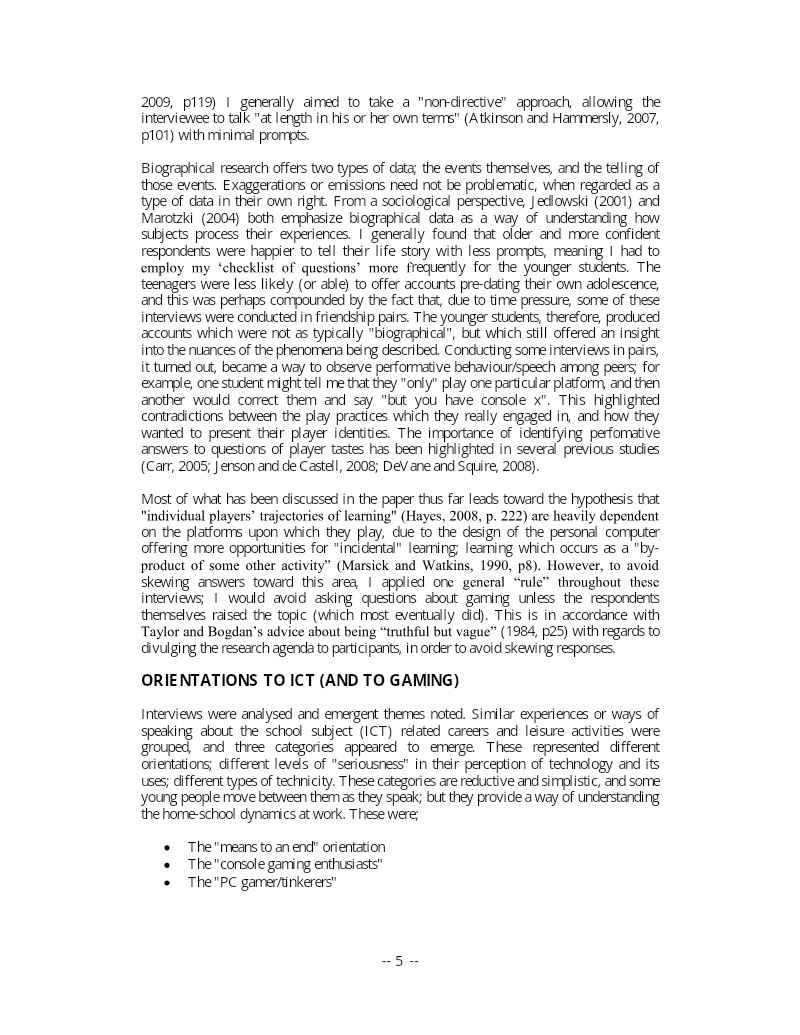
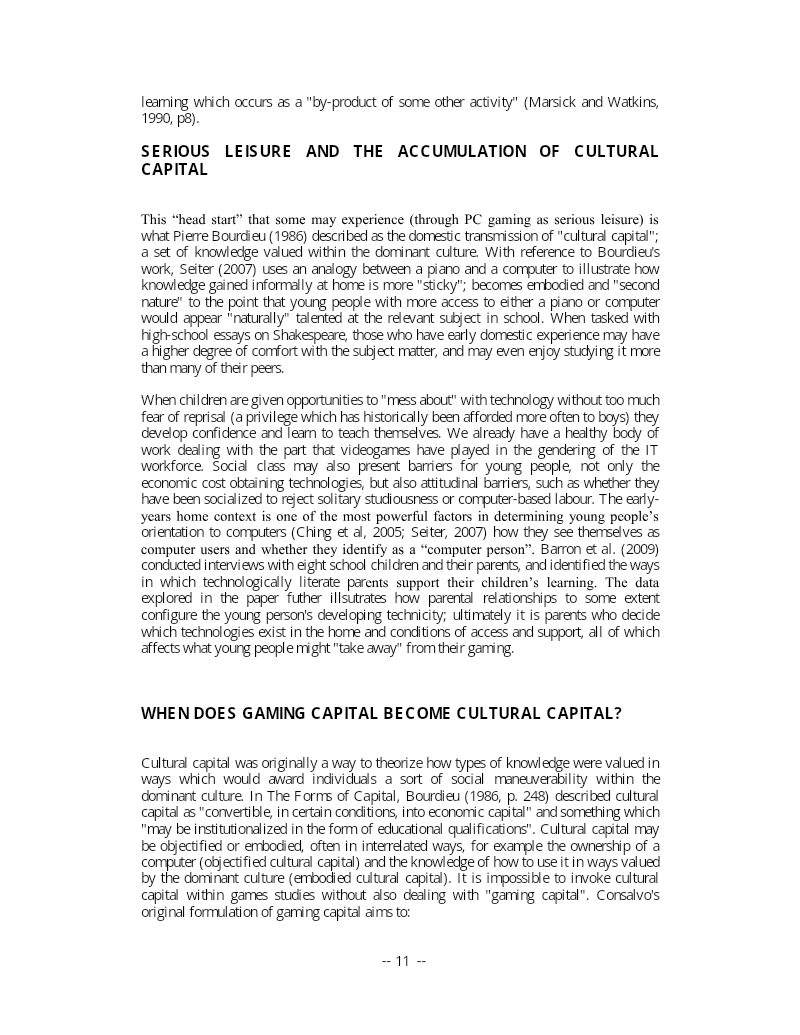
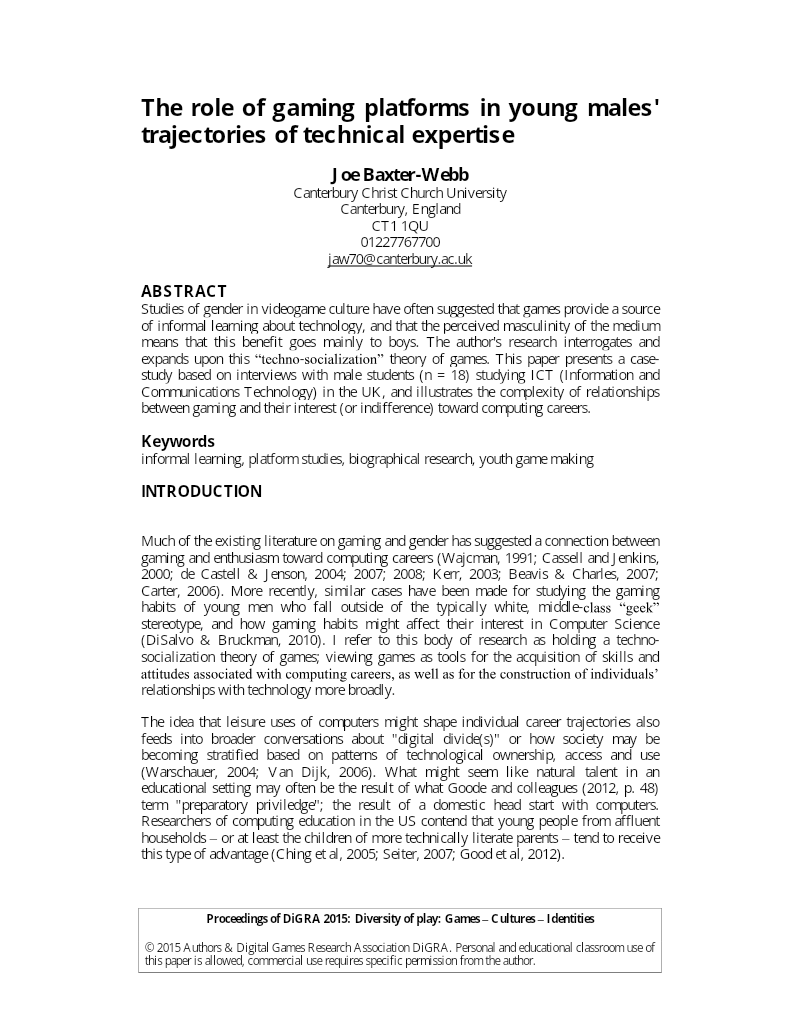
DiGRA · 2015
Extra Credits · 2021