1 free read left. Create a free account for unlimited reading + AI research.
Create free accountWhitepaper European Conference on Games Based Learning (ECGBL)
1 free read left. Create a free account for unlimited reading + AI research.
Create free accountWhitepaperEuropean Conference on Games Based Learning (ECGBL)
Pocket Flow covers income, compulsory expenses, saving, consumption, and financial shocks. It was developed as a low-cost analogue tool for financial decision-making education.
Pocket Flow, a physical board-game simulation of an annual financial cycle encompassing income, compulsory expenses, saving, consumption, and financial shocks, was developed to examine whether low-cost analogue play can support financial decision-making education. Its authors refined the game through three iterative Design-Based Research cycles involving 62 participants, primarily university students alongside some professionals, with the aim of establishing it as an accessible complement to conventional financial literacy instruction, particularly in higher education and resource-constrained settings.
The most consistent findings concern engagement and design quality. Participants actively pursued simulated financial choices, revised their strategies after setbacks, and reported high perceived gains in financial knowledge and saving awareness, each rated positively by 94.4% of the 18 valid post-game surveys drawn from 40 participants. Motivation received a lower, though still favourable, rating of 72.2%. Gameplay observations documented recurring behavioural patterns, including planning, impulsive spending, and risk-taking, while structural redesigns produced substantial gains in clarity and usability. Notably, even participants with prior finance exposure sometimes struggled to apply concepts during dynamic decisions.
These conclusions carry clear limits. The evidence rests on self-reported perceptions from a single institutional context, a modest sample, and an exploratory design without pre- and post-testing, so the study does not establish objective learning gains or durable real-world transfer. The authors position Pocket Flow as a promising complement to traditional financial education and call for broader populations, controlled assessment of learning outcomes, and longitudinal follow-up of behavioural change.
European Conference on Games Based Learning (ECGBL) · 2026



European Conference on Games Based Learning (ECGBL) · 2026
European Conference on Games Based Learning (ECGBL) · 2026



European Conference on Games Based Learning (ECGBL) · 2026



European Conference on Games Based Learning (ECGBL) · 2026



European Conference on Games Based Learning (ECGBL) · 2026



European Conference on Games Based Learning (ECGBL) · 2026



European Conference on Games Based Learning (ECGBL) · 2026



European Conference on Games Based Learning (ECGBL) · 2026



European Conference on Games Based Learning (ECGBL) · 2026



European Conference on Games Based Learning (ECGBL) · 2026
European Conference on Games Based Learning (ECGBL) · 2026



European Conference on Games Based Learning (ECGBL) · 2026
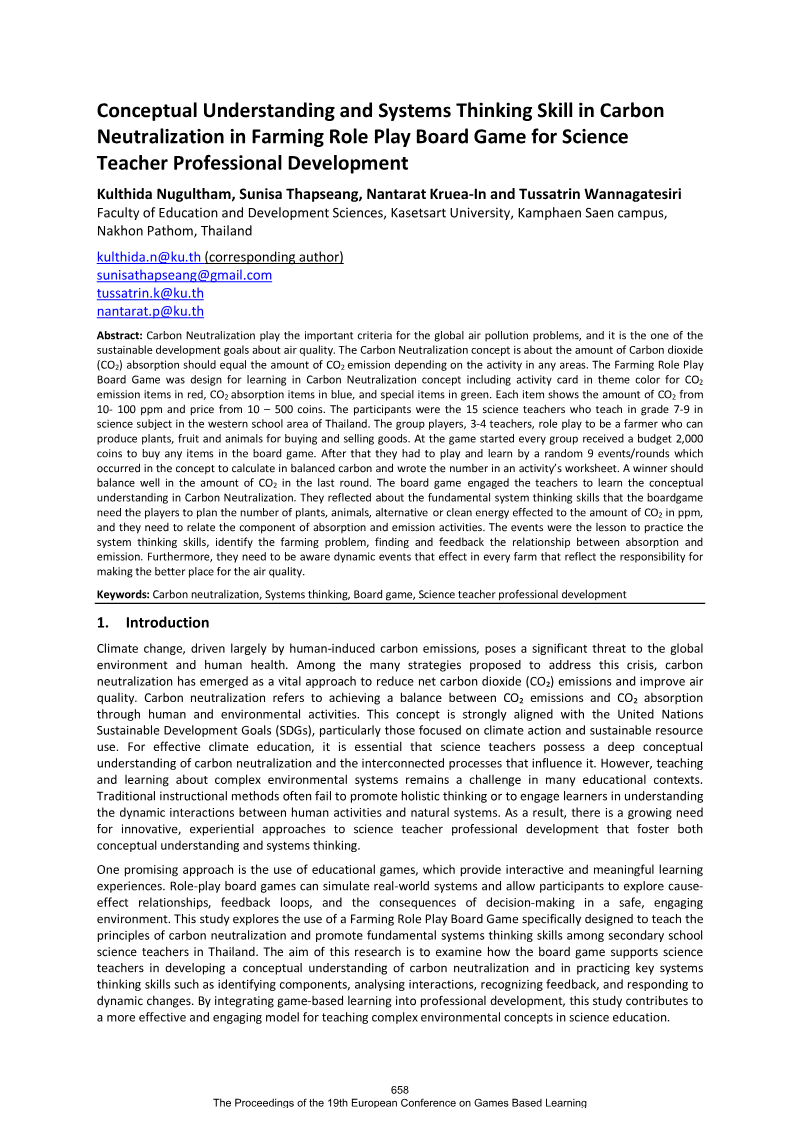
European Conference on Games Based Learning (ECGBL) · 2025
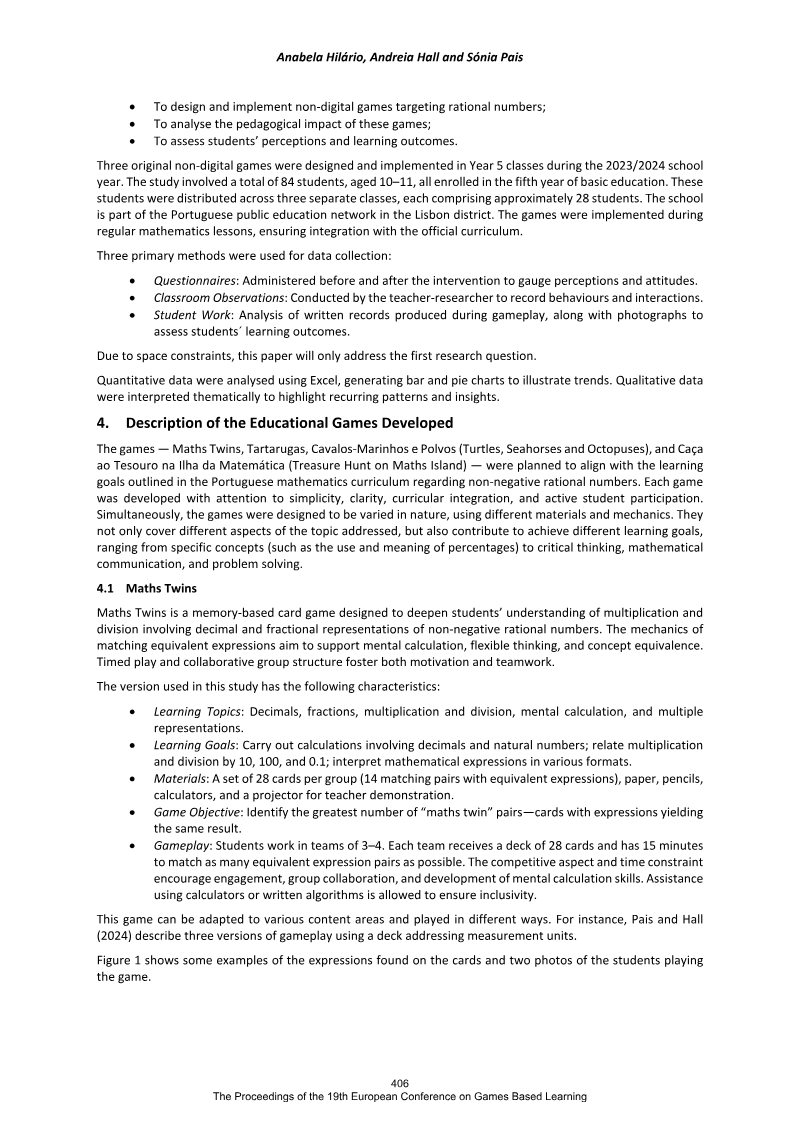
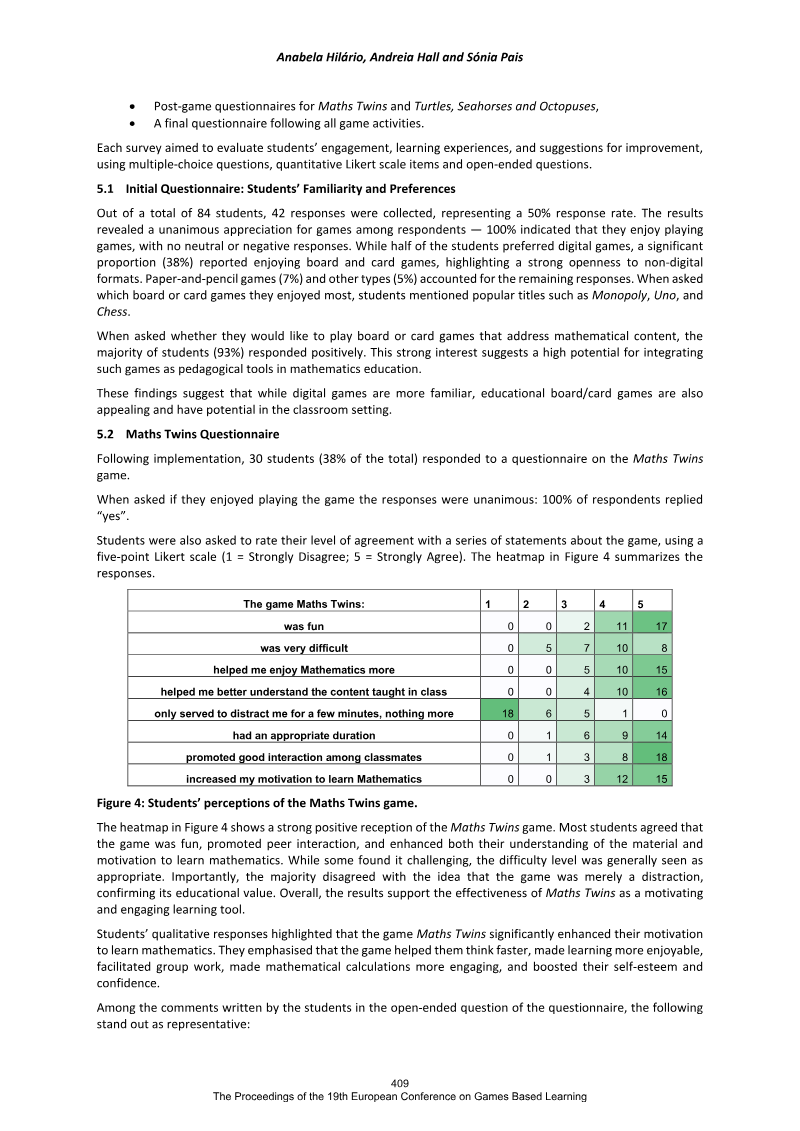
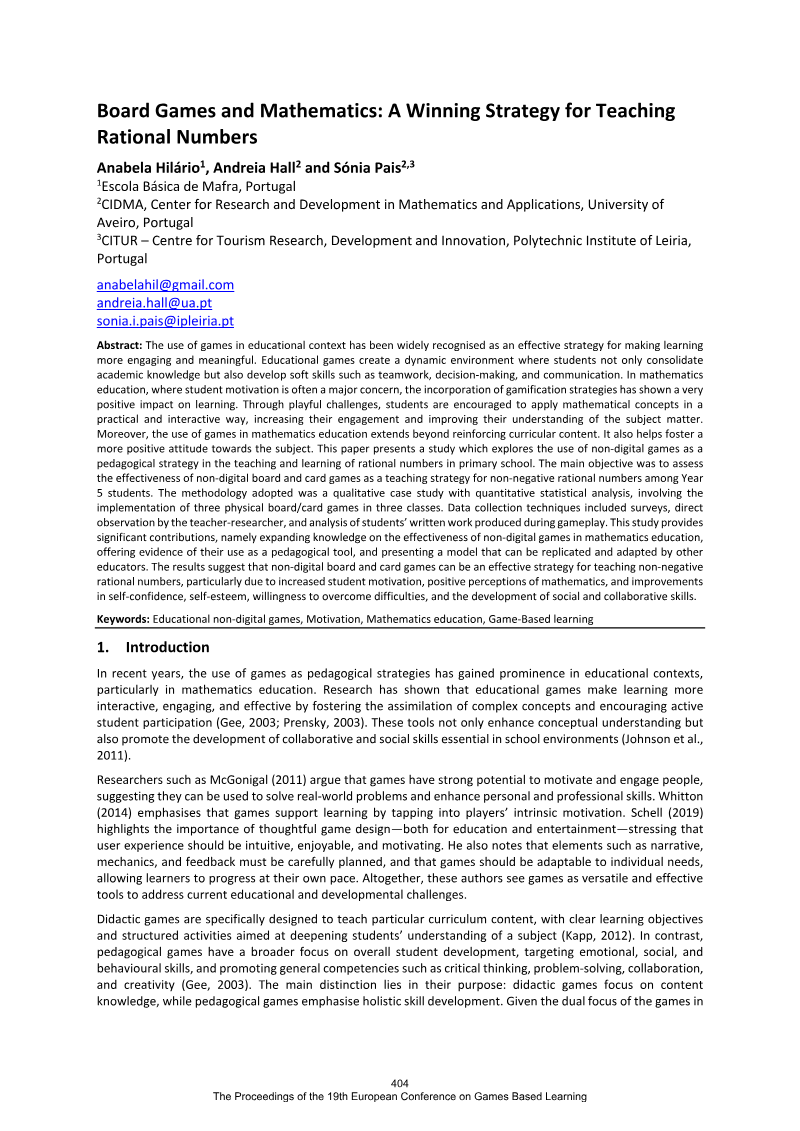
European Conference on Games Based Learning (ECGBL) · 2025