1 free read left. Create a free account for unlimited reading + AI research.
Create free account
Monetizer: GREE's Dragon Realms
Key insights
7 takeaways- 01GREE’s Dragon Realms utilizes a hybrid genre approach by combining Western-style city-building mechanics with Asian-market card-based combat systems.
- 02The project serves as a strategic case study for GREE’s attempt to adapt Japanese card-battle mechanics for Western audiences, with a heavy emphasis on optimizing tutorial completion and early-game retention.
- 03The game implements time-limited offers and starter bundles specifically designed to convert new users into paying players early in the user journey.
- 04To drive revenue, the game utilizes transaction bands ranging from $2 to $100, incorporating a discount currency ratio to incentivize larger real-money purchases.
- 05The monetization model employs a dual-currency system where gold manages resource progression and gems facilitate premium actions like speed-ups and summons.
- 06The inclusion of 'honor,' a non-purchasable currency earned exclusively through PvP, creates a barrier for 'time-poor, money-rich' players by preventing the direct purchase of certain high-tier items.
- 07Despite utilizing standard retention mechanics like daily rewards and quest-driven progression, the title faces competitive disadvantages due to lower graphical polish compared to native mobile games.
Ask AI about this video
Transcript
hello and welcome to pocketgamer.busy's monetizer feature this is where we uh look at free to play games we play the first five minutes or so and look at the monetization techniques and the user interface and kind of the user experience and that sort of thing so the game we're looking at today is a dragon around from greece let's start the stopwatch okay so my bug bear is here so this game would like to see me push notifications before i've even experienced the game i think that's just completely rude a game should just not do that at all this is something that happens post tutorial there's no question i mean just don't do this i think it's kind of i think games in a year's time won't do this anyway but anyway um so i am actually going to allow this in most cases i wouldn't allow this but obviously i i want to see kind of what push notifications going to send me um but i think most most game players wouldn't would at this point go not allowed because not experience the game now this is interesting so the first
splash screen i see is a complete tutorial and receive these rewards now i don't really know what these rewards are at the moment because i haven't played the game obviously but um you know this is quite good retailing from greece 13 value of goods so i mean that kind of sounds like the kind of thing a game player would want to get 13 free effectively um and obviously retention particularly one day retention which effectively for most people is is completely the tutorial is something um developers increasingly focus on it even more so i think the monetization i think the feeling at the moment is if you can get players coming back day after day or at least week after week monetization can be kind of sorted out later along the line um so anyway we'll begin tutorial and see uh see if it works no music let's try some music okay it was good to have a have a hero so i can have a night templar a forest sentinel or a harbinger so
so we've got a night a kind of elf thing and a eagle undead thing so um so i've got a rock paper scissors type thing this one gives 10 damage against that they get 10 damage against the feudal order they are okay um section here is not assigned to a faction okay let's get the evil one come on okay all about dragons by look at it tap on a dragon to defeat it that's how you tap on dragons apparently that's how you defeat dragons you tap on them okay so so this is my dragon i'm going to get some rewards it requires five so obviously we've got a fuel system here let's get a minute five energy i've killed him there we go that's easy you will need powerful heroes to become to be the champion tap on the loot okay so i've received a grave right uh okay so we're getting an idea i'm going to be collecting kind of different units i'm going to be leveling them up it's going to be evolving them as well so
it's all pretty standard okay let's see on our lead quest ledger to see my quests defeat the demon king it's always a good start isn't it and obviously i'm not gonna kill the moment but kills are an important part of retention okay that's it okay let's go off and do that tap the demon king to defeat him tap again oh so the first the first tap shows me um what i'm gonna get for doing it now which is gonna cost me energy-wise great work number two i love the words i received summons demon king left behind a magical summons okay that's what we just picked up so the summons is uh she's gonna let me summon another hero okay there we go oh there we go so i've got a warrior of the damned
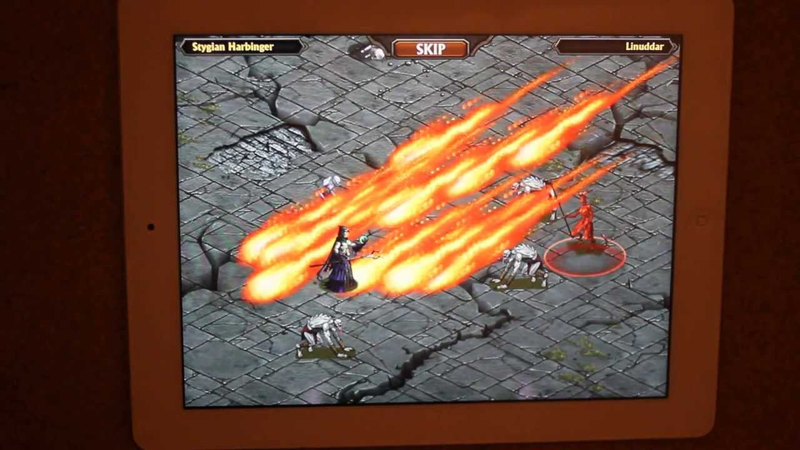
select select in party okay if you want the other one in this realm attack your enemies to enjoy your strength to the battle list so i'm going to attack this rival i wonder might be a real player more likely to be an ai character i guess so yeah so there we go and skip this i'm not most interactive with battles although i can skip it the wind i won there we go it's good stuff and what i won tap one way around back to my round okay so we've got some city building
academy and probably going to speed it up for me finished now so i'm going to use what looks like the hard currency what's my name champion well don't give me one name for champion okay so i've learned the uh tutorial i've done a tutorial i guess do i get my reward there we go well that wasn't so that was it so i've got two summons i've got some gold some stamina and some energy some more quests okay so this is something i'm kind of seeing a lot of now in the early stages of games seeing a kind of time dependent limited time offer i don't know what's going to do that's if i've got eight so if i've got a referral code off someone you can enter there for a hero summons
i guess this is my next quest level three constructor cottage so you can see what kind of what kind of game we're getting here so we're getting uh the kind of city building element that uh we all know and love from backyard monsters clash of clans all that kind of kind of stuff um yeah so that's going to provide some kind of resource type situation then we've got the battle thing sure we can see it looks more like a car battle type thing um kind of interesting actually i've been playing certainly from the battling so i've been playing uh kabams um heroes of camelot which has a very similar kind of collecting cards evolving them up enhancing them kind of building effectively decks and then when you have a battle it's just a battle it's just you're not doing anything in the battle it's just the attributes we don't lose um kind of seeing a lot of those obviously car battery games have been pretty popular and we've seen different ways i think of kind of
giving them a more western user experience i think today a lot of those games have been so um japanese in particular but asian in kind of a gameplay characteristics obviously that's where they originated from and when they'd be most successful so um obviously being a japanese japanese company knows all about this kind of stuff so the other thing we'd like to look at in monetizer is um effectively to look at the kind of um kind of how games are looking to monetize so we've had kind of had an idea through the tutorial but no excuse me very important man phantom ring um so um so we've also got this this uh energy here energy is full i've got i'm not sure what that is i think it's my stamina that's my level i guess yeah um and then we've got so we've got gold so presumably let's have a quick if i build something if i build i've got i don't know a bit of cottage i can build a cottage
that's just using up my gold um it's going to give me gold as well and then this is the gems is the hard currency here so again um i mean i kind of i'm coming to the conclusion that um actually while the majority of players probably don't pay kind of early in the game experience i think it's a good thing for developers to have a kind of a a a kind of a option and sorry an option um for people who do kind of kind of want to because often that i've find the the first bit of game particularly in the game in city building it's pretty dull you've got nothing there and you're just waiting and it's a bit tedious so um i'm kind of coming to the conclusion that all games should have a pretty you know kind of a low price so this is uh three pounds
which is uh six dollars so it's not that cheap but if you have a really good kind of um initial retail item package often bundle of different things um i think this is kind of something that one even if people don't use it it's kind of show it's limited so you have a time limitation that's kind of counting down so it's always good to get people you know sale ends today kind of series of things another thing i also also think if you if you if you actually um i think this opportunity for you to kind of give people who do spend money early a bit of a kind of a kind of an advantage almost so you can you can kind of really load up that in that initial pack because once you've got the whole thing is once you've got people buying in your game they're more likely to spend again so um that's kind of interesting anyway um i'm waffling a bit so we can see here we've got so actually gold and gems are both hard currency and the value of them is exactly the same so we've got the typical a bit higher than normal so starting
price there is let me say that was i said sorry now so 299 is five dollars so the cheapest option we can buy is two dollars then we've got um so we've got one two three four so we've got five five um transaction bands the most expensive one is 99.99 or 69 pounds 69 p um again it's something i kind of look at like look at what i call the discount currencies ratio which is basically how much extra i get for buying the not the cheapest one so this is telling me here if i buy these gems obviously you can see i'm getting a 500 for five dollars here but for uh nine dollars i'm getting one thousand one hundred something getting one hundred extra so this is this ten extra so um uh that's not too bad so i get fifty percent i mean often first kind of for most games it's under two um so you
you for most games you get about um 50 67 extra for a few games i mean some of the ea games you get uh 200 extra that's quite different but i think it's an interesting thing to have there i wonder whether it's interesting that um just in terms of the ui here to have to put these things together i think it's a better way of doing it i mean you see most games you'll see it would have it as gems and then you'd slide across to get gold and i think it's also quite interesting um it's kind of like retail psychology that you have gems and gold exactly the same price um often you'll see um even if you have two hard currencies you'll have one hard currency will be um will be unit wise much um much kind of more expensive so you say generally so you might get 500 gems for five dollars but you might get 50 000 gold and just to kind of show how those currencies are being used once it's kind of softer or harder than the other one but anyway i mean gree know what they're doing are they a good company so um so that's what they've got
there um so here we go sorry about that camera just uh i went crazy um so what we're seeing here is is that is uh for buildings buildings are all about um using up your gold so it boosts and props again so this is all using gold um things you're using in the in the battle part of the game uh is this is gem using gems currency and speeding up buildings typically as we've seen city boarding games it's all about gems as well and summons so we get one free summons a day um that's going to get me another character i can add to my um kind of band or or add my group or use within my group to enhance another card um or we can start buying these kind of packs so we get different
kind of rare cards and also we've got this one this is h's um honor okay so this is another in-game currency but not one that can be bought so this is kind of a um obviously for any game involving some sort of pvp play versus player multiplayer mechanics obviously it's good to you want most players are quite competitive in these games anyway and they want to go out and show their status by beating other players but also it's kind of good it's encouraging i guess to be able to build a economic system into this as well so obviously to get the battle summons i'm going to need to win 50 50 wasn't it okay so maybe i'll win more depending on who i fight um well i guess it's always interesting to to have things that can't be i mean i think it's always interesting discussion now for game developers where because maybe i do want to buy some of these maybe you want to buy some some some honors um and if i'm time poor and money rich so
they don't really want to try and play through to get them and so having a direct way you're losing you're losing kind of direct monetization by not being able to spend real money buying the buying the ages uh the honors but um there's nothing to get tweaked and yes that's kind of a so um that's about it then so uh interesting um obviously there's everything you say about griez obviously very big in japan has kind of kind of struggled a little bit to launch a new game since it brought fanzio um the u.s company fungi's games they've been successful is they're still going very strongly the great up to this point hasn't launched anything new um and uh yeah we'll uh we'll kind of see how this this one goes obviously one thing i would say it's kind of graphically it's not it's not really um that strong is it one of these kind of games whether historically car based games have obviously been running on html5 and tended not to have the same level of um just kind of like graphical polish and and presentation polish as um
as native games something japanese market was for a long time based around html5 um so i don't quite know if this one is um running an html5 probably a combination of two really anyway okay right that's enough of um of that we shall uh be uh writing it up in our monetizer column and seeing how it does in the charts maybe we'll write a chart about it
Summary
Dragon Realms, a city-building card-based RPG developed by GREE for Western markets, serves as a case study for analyzing free-to-play monetization strategies and user experience. The game integrates traditional city-building mechanics—similar to titles like Clash of Clans—with card-based combat systems common in Asian markets. The core gameplay loop involves collecting, evolving, and enhancing hero cards, managing energy and stamina resources, and constructing buildings to generate gold.
The monetization model relies on a dual-currency system consisting of gold and gems. While both function as hard currencies with identical real-world cash values, they serve different roles: gold is primarily used for building and resource management, while gems facilitate speed-ups, summons, and premium items. The game employs standard transaction bands ranging from approximately two dollars to one hundred dollars, utilizing a discount currency ratio that incentivizes larger purchases. Additionally, the game features time-limited offers and starter bundles designed to convert new players into spenders early in the user journey.
A notable design choice is the inclusion of "honor," a non-purchasable currency earned through player-versus-player competition. This creates a distinction between items that can be bought and those that must be earned, potentially limiting monetization opportunities for time-poor, money-rich players. The analysis highlights that while the game utilizes proven retention mechanics, such as daily rewards and quest-driven progression, it faces challenges regarding graphical polish compared to native mobile titles. The overall strategy reflects GREE’s attempt to adapt successful Japanese card-battle mechanics for a Western audience, emphasizing the importance of tutorial completion and early-game retention in the competitive free-to-play landscape.

















Comments