Transcript
[Music] welcome to the novic gaming podcast where it is our mission to explore the business and future of video games we bring together the industry's brightest Builders investors and thinkers to keep a pulse on current events dissect emerging Trends and games share Lessons Learned and have a great time this podcast is also part of novic growing ecosystem which ranges from free and premium research to Consulting and AD advisory services for more information visit [Music] www.nic.edu overwolf is the guild for in-game creators whether you're a gamer Creator or game studio overwolf is the ultimate destination for integrating ugc in games
for Game Studios overwolf offers curse Forge for Studios a white label solution that lets game makers and Publishers easily integrate mods safely and seamlessly into their games both existing and new at zero cost it's battle tested by triaa Studios and games including Maxis with the Sims 4 Studio wild card with Arc take to interactive and others for creators overwolf is the all-in-one platform that enables creators to build distribute and monetize in-game apps mods and Game servers in 2022 overwolf paid over $160 million to in-game creators proving that they truly value the talents and contributions of The Gaming Community you can check out everything over wolf has to offer at overwolf decom or check out the details in the show notes and with that let's jump into the episode all right hello hello everyone welcome back to the Nova gaming podcast I'm your host Alex aay and this is interviews
so games have always spanned a Litany of input design from mouse and keyboard to controllers to touchs screens to specific physical Hardware design from the ground up to be a controller so think Guitar Hero or DDR or honestly throw back to the late 90s and for an early 2000s kids like Bop It um in game design uh 101 you can theoretically make anything an input control an electronic cutting board and knife for example could be an input control for a video game but today we're actually going to go a little bit more aristic and back into the past and we're going to talk about one of Man's first input controls our voice um everyone here has probably played Marco Polo but it's an example of one of the most primitive forms of call and response games voice games have had a quiet history so far with very few Mass identified games like song quiz and have definitely yet to erupt on the scene as true breakout hits however that could be changing um just like nvidia's graphics cards supercharged 3D storytelling and better haptics and receiver feedback for motion capture
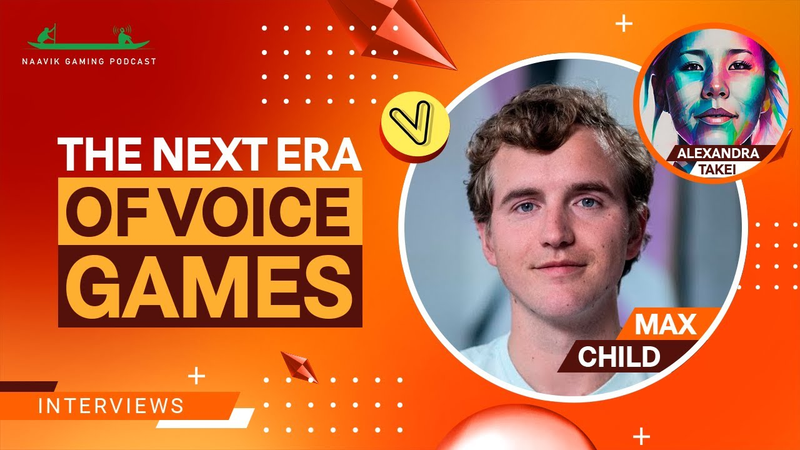
enabled motion based input games AI is powering voice and language models in a way that's getting my guests who I'm about to introduce really excited about the future of voice gaming and so it's my pleasure to welcome on Max child CEO and co-founder of vol uh Max is cooler than being a fellow alumnist of Stanford GSB he's a GSB Dropout aka the biggest Flex uh he started volley back in 2016 uh we chatted for a long time at a poker Knight at GDC and I got pretty inspired by what he's building so welcome to the air thank you excited to be here uh that was the highlight of my life dropping out of GSP so it's been all downhill from there no truly it is it's the it is the biggest flags um but uh I know that I just gave you a mini intro but uh tell us a little bit more about yourself and how you came to found volley and what Voli actually is yeah absolutely um well my co-founder James and I uh about 10 years ago uh like like many people in sort of
corporate jobs uh got kind of disenchanted with the creativity uh we didn't feel like we were getting to build a product every day um and like many folks who go into gaming I think what we always enjoyed building was games and entertainment uh and so yeah he uh he quit his corporate job at the time and Consulting I I dropped out of GSB as you noted and we decided to teach ourselves to code and we figured hey if we could build this stuff ourselves it would go a lot faster you know we wouldn't have to find uh mythical technical co-founder we could we could go be the technical co-founders ourselves um so I taught myself to be a mobile engineer uh he taught himself to be a back-end web engineer and uh we started making uh mobile apps uh mostly games and entertainment for a while and we built we built a trivia game we built um and we we especially got obsessed with this idea of like natural language based gaming um and this was back in 2015 2016 when that meant essentially chat-based gaming or chat chat Bots um
it was sort of the first wave of chat Bots which probably everyone has forgotten since chat GPT came out but in 2015 2016 a lot of people us included got excited about the idea of texting as an interface for using computers um and so we started building chat based games that you could play on your phone via text or Facebook Messenger um we built a virtual pet like a tamagachi typee thing that you could text with we built um a couple more trivia ideas we built some storytelling based games um we were very f F by this idea of chat as an interface um and you know we never got more than I don't know a couple thousand users so it wasn't like setting the world on fire but we thought it was a cool as an interface and we thought it was kind of a novel approach to gaming and entertainment more generally um and then you know the big moment the kind of big uh turning point for the company was uh the introduction of Alexa and these sort of smart speaker AI platforms um I got an Alexa uh for my birthday one year year and James my co-founder and I
realized hey we can actually code these games that we've built for chat uh for these voice spased uh devices as well and you know the curve at the time for smart speakers was sort of up and to the right and we launched a couple game ideas on that platform and like the third one got I think like 5,000 users in the first week or something with with you know no marketing no you know no spent nothing so we were like okay that's basically the most popular thing we've ever built uh on a platform that you know nobody's paying any attention to like we should really double down on this and and see where it goes and so we started launching more titles we started getting kind of smarter about voice and conversationally based interfaces and really kind of I think getting better at building entertaining games within the limitations of that platform um and since then kind of fast forwarding the company has expanded a lot we have a lot more game titles um most of our gameplay actually happens on screen devices today so it happens on uh both Alexa devices
with screens you know these little kind of 5 to 10 inch screens that sit on your kitchen counter or you know in your office or in your bedroom or something um and also on Smart TVs uh which is actually the fastest growing part of the company where you can play our games on a Roku or a Fire TV it's a nice big screen experience and um you still control it with your voice just by speaking into uh the microphone on the remote control got it well I'm super excited to T dive into all of that um specifically we're going to talk about the history of VO voice games in the current market you kind of gave us this little progression of volley but we're also going to match that against what's been going on in the voice games Market um and talk about platforms and talk about where they're played um but before we kick off um I know that uh we've got a couple of exciting announcements to make um that will help guide our discussion for today and I'm not trying to seal your thunder here but Voli has just announced that it's receiving a $55 million series C co-led by Lightspeed and Microsoft so major congratulations
um thank you yeah yeah very very definitely definitely exciting uh been a lot of work and a great foundation for what we're trying to build going forward awesome and we'll be talking also about the Strategic value there from the investor side as well the later part of this episode um but before that I also know that you've got a game announcement yeah um well I in the spirit of sort of you you brought it back to the history of uh voice controlled interfaces and talking about Marco Polo uh somewhere between Marco Polo and today uh I think one of the great voice control games in history is uh you sort of alluded to it but I played a lot of rock band uh on consoles back in the day and one of the fun parts of rock band is the sort of singing based interface where you can sing along to popular music and it tries to match the pitch of your voice uh and you sort of get points based on how accurate you're singing the song and um I'm excited to announce that we're sort of taking that idea and bringing that to uh Smart TVs like you know Roku and Fire
TV and so we're launching a karaoke game uh this week where you can sing along to um I think 30 popular songs today and sort of do that pitch matching karaoke type experience and uh in the next couple months we're going to add actually hundreds of additional tracks um and I think it's it's a great you know voice-based experience um it's pretty cool because we can actually offer something that you needed a console for you know three five 10 years ago um on these very kind of low underpowered uh Smart TV devices today and it all works on the hardware that comes with your TV so you can sing right into that remote control that you know you get for free when you buy a new device um so I think it's a lot of fun we've been demoing a lot in the office um it definitely helps if you have a couple drinks beforehand but not a not a necessary part of the experience and uh we get to see who at volley is the best at uh best of karaoke yeah I was about to say it sounds like you're just bringing a bunch of karaoke bars into people's homes so I suspect that for
everybody that has yeah um you don't even need to leave the house to to to do karaoke night um so there'll be a lot of uh family family singing um but that's awesome so congratulations on those things and I think that's a perfect segue to start talking about the history of voice games and the current market um you know you're talking about your launch today karaoke you're seeing that as the ambition for and of the new genre of the thing that you're you're targeting but I'd love to kind of like rewind back the clock um you talked a little bit about what made you guys get into the business you were super interested in this chat interace and you're super interested in like Linguistics and the power of language to fuel inputs for games but um I would love for you to tell me a little bit about the history of voice video games maybe that are in Bali right um my research I found a game called shout to jump um can you tell us a little bit more about like question of the day which are some of question of the day and shouts to jump for our audience are some of the bigger voice games that have appeared on the scene um decade yeah
it's interesting I feel like historically voice games um there's sort of a couple different eras you know one is sort of before speech recognition got good and then there's when speech recognition got kind of decent and you could start building more complex games around that and then today we're sort of moving in and I'm sure we'll talk more about this to this era where with large language models and the sort of advances in AI you can really do amazing kind of speech-based interfaces um that change what we can do going forward but going back to the the era of maybe speech recognition isn't that good but like what's a fun voice-based game um you mentioned shout to jump I think there's another one called like shout ninja or something like that but they're essentially platformer games or like endless Runner kind of combined with platformer games where they're sidescrolling and you the way you make your character jump you know unlike in Mario where you you know press a button on your controller you scream at your phone um and it's it's it's very it's
very viral as a sort of distribution angle for a game because anyone who's playing this game is sort of by definition like literally screaming at their phone um and so I you can go on YouTube and you can see all these videos of like uh you know Gamers and influencers playing these games there was like a Jimmy Fallon bit where they had everyone play the game and so on and so um I still think that interface is pretty fun actually I think that there's like something there uh about just like how loud you shout being a contr mechanism um but that's probably like I don't know the first like very viral voice game um you know I think it was huge in China one of those variations of those where there was like a couple you know there's tens of millions of downloads and you know millions of diu at one point or another um so I I think the point of the history there is that there is really something Primal about using your voice or you know shouting and using that as a method to play a game or just to interact with computers in general um you know I have a
two-year-old daughter today and she talks better than she can do any other type of interaction with the world right you know she's not she can't really play games on her iPad yet but she can talk to her mom and I and tells us what to do quite a lot um and so I think there's like a kind of like hierarchy of of how intuitive and how sort of like um how sort of Base human instinctual different levels of interfaces are and I think that vo as an interface or um you know shouting in this case is sort of like almost at like the lowest level of like truly you know evolutionarily like uh the most instinctual way to communicate right and so I think the shouting kind of unlock that to some degree and then you mentioned kind of fast forwarding to some of the more modern games you know question of the day being one of the more popular games which is essentially just a daily trivia game it's sort of like wal for trivia um and again it it's based on very simple voice interface you
know multiple choice ABCD um but you know and ended up having sort of millions and millions of users um on Alexa and some other platforms and um we actually uh ended up uh acquiring question of the day so that's actually part of the volley portfolio today um but there is something even with a very very basic type of game where the interface is very simple there's still something sort of joyful and natural about using your voice to control it and I think that that's what we've always believed volley from day one is that even if you take the same types of games that we've been playing for decades or even you know whatever centuries in some cases there there is that emotional element of using your voice to control it that's very very powerful and I think you know unlocked even more going for some of the modern uh large language model Technologies yeah that's fascinating I'm just picturing someone sitting there with like a a basket of like lenes just screaming at their phone I would I would I would need that yeah but maybe it's like professional
voice actors who can do it yeah um so we talked a little about shout to jump which is on your phone and question of the day which is a trivia game can you talk a little bit about in the past um though the input is voice what is the predominant platform as the receiver so let's think about car games voice games on a computer voice games on a smartphone now you mentioned earlier voice games on a smart TV um where have these games been played in the past yeah I mean the interesting thing about voice games is it's not so much about the device um because almost any piece of Hardware we have today has a microphone and a CPU and an internet connection what's actually really important for voice games is um the essentially the embarrassment factor of playing them in different contexts right um like mobile essentially unlocked that like that you know the bus stop or the Starbucks line or the you know the break time at work as the sort of like oh my God there's all these like unfilled voids in
people's lives in which they could be playing you know five to 10 minutes of a game and you know that's how Candy Crush and Words with Friends and everything you know really took off right um that sort of short session time throughout your day and voice is basically the opposite of that where in like none of those contexts would you want to play games or you want to shout at your games right you don't really want to be at the bus stop or in the Starbucks line playing shout to jumper or or any voice game really you just kind of look like a bit of a weirdo um but where voice games really make sense is is essentially you know at home and and to some degree in the car um but I think you know the average American spends whatever 8 to 10 hours a day at home um and while I'm sure a lot of the folks who listen to this podcast are are Gamers and have consoles and such um you know a lot of folks don't or they're just more casual gamers um you know maybe their parents maybe the only time they get to play games is through board games or family game night type experience or if they all have their friends over to play a party game you know once a month or something like that and voice games
really unlock a lot of that sort of at home time as a more like casual gaming space um and you can do that it can either be casual in the sense that hey like you know I turn on my Smart TV and I I just want to play something a little like easier and lower friction to get started on than you know uh loading up uh whatever you know hardcore game I'm into on my console at that moment um and then there's also this sort of unused time around the home um where people may not think it as an opportunity game but you know it could be like um you know you're cooking or you're doing the dishes or something and you want to play you know one of our games is called song quiz which is a guest the song game and you can play that in the background like while you're cooking like I've done that and you can do it on an Alexa device right and so I think like the inside for voice is that you can sort of unlock both these sort of I don't know adjacent pieces of time that people are at home um and I think you can also unlock casual gaming at home in a way that um has not happened yet because I think you
know most gaming at home is is console or PC driven and tends to Trend towards the sort of midcore Hardcore um player and you know I love a lot of those games myself but I I think there's a lot of casual gamers that you know maybe are the sort of bingo orward with friends or or Candy Crush player but they don't really game at home at all other than on their phone and we think there's a lot of new opportunities there with the the low friction enabled by voice got it yeah and I guess we talked a little bit about like the challenges you mentioned it's actually less about the receiver platform but you know where can you play it where it's quiet right I suppose it would be kind of challenging to play Shout to jump on the subway um it doesn't it doesn't even have to be quiet like it could be loud at your house and you can play the game but it has to be not embarrassing right it has to be not you know there's that social pressure to not seem like a crazy person and the home you know enables that ability to to talk to Computing devices more broadly gotcha have there been any other challenges besides Maybe that like level of embarrass and where you play in the
past for voice um I mean there's a ton of technical challenges that are just starting to get solved um I would say speech recognition quality is still something that you know is improving I think that the best-in-class models today are like Gemini Ultra from Google which is still only a it's a 95% accuracy rate on transcription so you're getting 5% wrong or you know one out of 20 words you're transcribing wrong um so you know it' be like if you're playing a a console game and like you know one out of 20 times you you press the the a button or whatever and it just doesn't click you know you'd be like this game sucks and so like voic is a little bit like that where like one out of 20 times in sort of a best case scenario clicking the sort of standard interface or using the standard interface is not going to work um you can improve that with context you can you can tell the model hey like I'm listening for you know in a trivia context ABCD or in karaoke I'm listening for musical notes or and so you can improve that from 95 to you know 96 97 98 or whatever but you know if you
touch something on your phone and it just didn't respond you get frustrated pretty quickly even at like a couple percent error rate and so that's that's one of the core issues with speech recognition um thankfully the modern era of the sort of yeah you know new software new hardware is really improving fast there I mean it's really improving fast which is exciting and then you know another big issue is um if even if you do recognize what the person's saying people say things in all different kinds of ways you can phrase even a standard request you know like you turn on the lights or something you know in like a thousand different ways or thousands of different ways and that's always been one of the core challenges of natural language processing is figuring out you know what's a thousand different ways that people can say the same idea and how do I actually pull the intent out of what they're saying and that's getting closer to a solve problem especially with large language models where like they're pretty good at pulling what you mean out of that thousand different ways you could say that same phrase um and then there's sort of like the kind of um game
design questions that are really interesting which is like how do you how do you make something interesting but still sort of like on Rails to some degree right because you want to guide people to what they can say to the game like you don't want them to be able to ask any question you know you don't want them to be able to ask about politics or news or Sports in the middle of your you know your your music game for example right um and so how do you guide people to like what they can say making it interesting and fun but also like clear enough that they say something that we're expecting and that the model is ready for um and that's always that that's sort of a central game design Challenge on any platform right like how do you allow for some level of exploration and creativity and and sort of you know user generated experience without without you know just letting them do literally anything in the game um although you know some of the more modern Zelda games it feels like you can almost do anything right um but I think those are are all challenges luckily I think for certain types of audiences the
value of being able to use voice as the control mechanism is 10 times better than using touch or using a controller and so you can kind of overcome some of those issues by just like making it really low friction making it really social and and making it um just super intuitive to play for kind of all ages which is is quite different than other game uh categories yeah all right awesome so those are definitely a great summary of some of the challenges around you know where people play you know speech recognition determining intention um but obviously you think and obviously Microsoft and lvsp also thinks that those headwinds are going to get mtig mitigated by something um and one of those things and we alluded to this in our intro is the advancements in Ai and open AI announced their voice advancements in May 2024 that you seem pretty excited about um can you give us the 101 here uh like what's the rundown of what was said and what's the inflection point going to be for voice here um why is this important to voice
games yeah I would say I mean we we sort of alluded in in that last discussion of some of the core issues with voice interfaces and to sort of move away from gaming um I think like the the biggest issues with with voice interfaces have always been you know we talked about recognition quality like does it understand what you want to do um speed is another one that I didn't really talk about but that is a huge problem because if I say something to a game or my phone or a smart TV or whatever and it takes five seconds every time I say something to sort of round trip and respond to me it's just a really frustrating experience I mean when you and I are talking there's probably a you know a couple tents of a second behind between each other or maybe there's a we can often interrupt each other we can actually talk over each other right um and it just feels very unnatural if you have a very slow voice interface and then the last piece is like can it do stuff that I care about right you know
even if it does understand what I'm saying can it do enough of that and um open AI announced their new model chat gbt 40 the O stands for I think Omni model uh which this maybe not very catchy but it essentially means that instead of the previous version of chat gbt where it's text in text out you know you type in a box and text comes out of the box right the Omni model element means it's not just text into the model it's also audio into the model and it's also video or pictures into the model and on the other side of what the model spits out and you know it's not just text anymore but it can also be audio I.E speech or music in some cases that sound effects so on and it can also spit out um visuals you know whether that's AI generated art or um you know something that requires a a picture and response that kind of thing um and the biggest kind of techn logical Leap Forward is they essentially actually
trained the model on these different types of inputs and outputs uh rather than previous models which were always just trained on text in and text out and and you know what that means is essentially what was previously a three-step process which is take the audio turn it to text run the text through the large language model and then synthesize some sort of audio output you know three-step process maybe each of those takes a half second it's a one and a half second response now they combine them all into one step they trained it on audio in and it can produce audio out natively so maybe the whole thing is a half second so it's literally three times as fast maybe even five times as fast in in sort of core use cases so if you get it down to you know 2.3.4 seconds of latency you start being able to have a really natural conversation with the the sort of voice interface so I'm sure you saw their like somewhat maligned like Scarlet Johansson esque you know heard that heard demos before there was a big frr about
whether or not they took Scarlet janson's voice it was a pretty cool demo um it speaks very quickly you can actually interrupt it in a fairly natural way which is pretty revolutionary for voice based models um being able to talk over them right very different from alexir Siri today where you have to wait essentially or say say alexar Siri um and so you can start really having this very natural conversation with the computer and then the large language models are also improving a lot so they can just do a lot more stuff for you right so you know I can I can ask them to carry out increasingly complex tasks and they can you know carry them out and I think they say like gb4 is like a smart college student and gb5 is going to be a PhD student or something so that um change where voice interfaces are now under a half second and you can interrupt with them um in addition to the models just getting smarter and smarter I think is like kind of an iPhone is moment where all of a sudden like touchcreen started working like you know I'm sure you remember roughly similar ages but like
going to the ATM machine and like trying to like tap in your pin on like a touchcreen and like 1997 you know was like really really slow or like but all a sudden you on an iPhone you're like oh my God touch screens are amazing like you know they they actually work right and I think we kind of hit that Turning Point with the recent open AI announcements where all of a sudden like oh instead of the sort of like poking at the thing and waiting now it just you talk and it works naturally um and you know we're very early on that process I mean it got announced literally a month ago but I think that you're starting to see the early kind of signs of the downstream impact of that like apple just announced that you know they're redoing Siri and all these various iPhone AI features um all buils around those kind of models where hey like I say something and Siri actually does it correctly and in under half a second right which is like you know 10 times better than current Siri or maybe a 100 times better than current Siri right so so you know Siri has gotten a lot of crap justifiably but if Siri's you know
10 times faster and a 100 times better at doing what you ask it to do you can see a world in which people are using Siri a heck of a lot more and and I think that that's kind of like we're we're we're on the cusp of that happening you know right now as it's starting to get rolled out into these devices yeah as someone who always turns Siri off um I'm waiting for Siri to be a little bit better but I find this pretty interesting right because um and we talked about this a little bit in our kickoff because sometimes adoption is kind of hinder by the inability to make an experience of High Fidelity due to those technical limitations um I remember uh of course the original motion sensor games that were cool in theory but kind of flopped on the input side given the fact that the motion to input translation kind of sucked um didn't work yeah yeah the connect for Xbox as well as if anybody remembers the ey toy for Sony um I remember China being super excited to play the PS2 ey toy uh skate game uh antigrav uh huge throwback for anybody but it was just basically a disaster right like it was
so was so much more of a novelty right um and fast forward a couple years the Wii explodes because someone at Nintendo figures out that motion is best if there's a hardware receiver in someone's hand um and I think it's interesting that we talk about those things because with with voice you know you're gonna you're going to be supercharged by these advancements that will allow you to create that um compelling experience um yeah yeah I think I yeah I mean I think the whole history of technology is like usually someone has a a reasonably good idea you know 10 to 20 years early but the execution is mediocre and so everyone thinks the idea is sort of fundamentally bad and then you know 10 to 15 years later with like correct execution the idea like changes the world right um I mean you could take like the Apple Newton you know from the 90s essentially being a prototype of the iPhone in many ways right and like everyone thought the Newton sucked it was like a huge flop you know they fired the CEO and all this stuff but like I think I I I I mean obviously I'm you know talking my own book here so you know use your own judgment but I think
that we're we're really at that moment where you know just the pure quality of speech recognition has gotten you know 10 20 times better in the last five years and then the ability of the computers to do the stuff that you want them to do with voice interfaces has gotten like a hundred times better a thousand times better with large language models so it's just hard to see that that combination isn't the kind of beginning of a turning point for for speech driven interfaces in General and and the last point I would make here is that like you know we're talking right now because it is in the end the most natural way to do things the average person talks like three times faster than they type um I think myself included and so if you could just even if you could just type three times faster by talking like a lot of people would do that you know you we see a lot more of those phone boosts that are soundproof in offices because all of a sudden I can like interface with the computer three times faster right so that's it's hard to see a world in which when voice starts working that it doesn't take over quite a lot of the
ways we use computers and and gaming yeah and I think the other interesting call out here is when you think about the equivalent install base about what voice games would be you're not talking about PlayStation 5es or high-end gaming rigs but you're talking about Alexa cars home audio systems like Sonos or smart TVs right and Amazon has sold over 500 million Alexa enabled devices and in the US approximately 60 to 70% of us households own and use a Smart TV for streaming according to my research but I that's an interesting kind of proposition in the sense that like you're you're you have a very high IB to tackle with this kind of game genre or inut genre yeah yeah I mean Smart TV is like I think it's you know it sort of depends what research you look at it but there might be more smart TVs in the US than there are smartphones or at least it's like close like they're in the universe of each other which is sort of mindblowing and like and the and the other thing that sort of blows people Minds who work in technology is that the average American watch is like between four and five hours of TV a day um and
they also game for you know another 45 minutes to an hour on average and so the average American spending like five to six hours in front of a television per day um or at least the T TV is on creating some kind of entertainment experience for them five to six hours a day and so you know it is still the most important entertainment device in most people's lives and even if you're like hey like okay of those five hours that are just watching TV maybe like you know 30 minutes that would could be you know casual gaming and obviously I believe that you know voice enables a new type of casual gaming like that's just such a massive entertainment Market compared to you know a lot of things where you're ending up on just a a device that most people don't have yet or you know you're you're relying on Hardware that maybe five to 10 years from now you're hoping people will have like you know I think VR would be like a canonical example of that right whereas like you know 67 people already have a smart TV essentially every new smart TV is every new TV is a smart TV right and so you're
you're going to see it you know 80 90 100% in a few more years got it all right well I think this is also an excellent segue to start talking about Voli and volle's portfolio and what it's building and then again after that shifting to the business of voice um but let's start talking about Vol okay so you just about to release this karaoke game you mentioned that you acquired uh song quiz um what's kind of our question of the day sorry um what is what does the volley portfolio consist of today yeah I mean I would say there's like three categories of games that have been working really well for volley um and it's been it's been pretty consistent over the last you know four or five years even though the the quality of those games I think is improved a lot in that time frame um one is you know sort of trivia driven games um so that would be you know your question of the day which you know is sort of what it sounds like but it's you know Wordle for trivia it's you get you get one trivia question per day or you get a couple more if you want it um and it's sort of a morning coffee routine um we also have kind of IP game show trivia games so we have
Jeopardy and Wheel of Fortune um so you can play Jeopardy on your smart TV it's pretty cool because we can like put up the big board like you're actually on the game show Jeopardy and you know you can you can you know use your your remote as your buzzer and you you you can call out the questions like you're on the show you can be like you know give me US capitals for $600 you know um and then you be like what is Sacramento right um and so you you can use The Voice remote to sort of naturally participate in that Jeopardy experience um and we also build multiplayer uh which is pretty cool because you can compete against your friends and you can all like you know see who's the best of Jeopardy uh which I think is a super fun experience if you're a trivia nerd um if you're not a trivia nerd Jeopardy is incredibly difficult game actually uh because because we have real questions from the show because we uh we licens the IP there so we have like actual questions um and so Jeopardy is pretty hard actually it turns out um so there's the trivia category is one category another category is sort of music as we
were talking about um uh releasing this karaoke game which we're excited about we also have our music guessing game where we play pop music and you guess the title or the artist you know you hear Britney Spears or whatever and you just shout out the answer to that and that's a super fun kind of Classic Party game family game that experience um and then the last one that's always been kind of fun and interesting and is getting more so with llms is uh kind of Storytelling and and character-driven game um we built a number of kind of Choose Your Own Adventure kind of interactive fiction based games uh we built a medieval kind of Castle Management simulation one called yes sire where you're like running a medieval fom and you make choices and it impacts your influence and wealth and so on and it kind of like you know you get to pretend you're yeah I guess a feudal Lord and see how long you can survive uh running a castle um you know and where working on a couple other sort of Storytelling driven experiences um around large
language models uh so we're we're working on like a kind of virtual pet tamagachi game going back to the roots of volley where you know you adopt a little pet and you can talk to it and given that it's all powered by a large language model you can actually build like a real bond with it it feels like an actual yeah it feels like an actual Persona in your life or like a character in your life in a meaningful way which I'm pretty excited about um and I think with I think one of the big use cases of large language models for gaming is creating these relationships with real characters uh and I think that voice and conversation as an interface for that is kind of the most natural way to do it because it's largely how we build relationships in real life yeah makes sense well sounds like there's there's a lot going on in there um there's a lot a lot of games and so before I want to talk about how much how you guys have been building those games um and how big your team is um I'm curious like how many players are there across all of these titles and is there a significant overlap in player base amongst all the
voice titles or yeah kind of like what's the ma looking like for the volley portfolio yeah it's it's seasonal but we're typically around four to five million uh in monthly active users so um it's a little bit higher around like Christmas time because like everybody everybody's cold on the east coast and they're like playing you know playing games in their home and they're you know at home with their families um but yeah that's basically the range um and pretty consistent and and pretty good growth over the last few years um and you know over the lifetime of volley I think we've had I don't know 20 to 30 million people try out the games over the last um you know five years that we've been building so it's uh yeah it's it's pretty substantial I mean yeah like it's definitely an a corner of gaming where basically you know some I think a lot of people don't think it exists at all and then you know we sort of see the data and we're like H well like I don't know like you know 10% of us households have like played a volley game at some point or so you know I don't know it's like 10 to 15% or something like that right so um so yeah I mean I still think there's
a lot of room to grow and kind of recapture those folks with um new and better experiences as well got it if I could if I could double click on you know like the mystery of people don't think that this is that these games exist um who are these people um like can you just describe maybe some Bal types or like some demos of who they are like they're normal Americans um yeah I mean I think demographically like I think demographically we we you know we like to say it's like Millennial parents is probably like the core demo where it's like you know 30 and 40s uh parents with kids um you know lean slightly female um huge representation of having children you know homeowners playing at home that kind of thing um I think like a little more Midwestern you know maybe a little less like Coastal uh you know techies or whatever um and and yeah it does tend to sort of over AP with that casual audience where like you know maybe the only game they they've
ever played is like Words With Friends or something right but you know they play tons of words with friends and you know they also Play song quiz or Jeopardy or you know hopefully karaoke at some point um so so yeah I think it's um you know again the average American watches like five to six hours of TV a day like how many hours of TV a day do you watch like like uh I don't know maybe like one or two like one it's busy it's busy yeah I think I'm I think I'm I think I'm under one now because I I had a you know I had a daughter two years ago and I just don't have a lot of free time right so I think you sometimes you have to like look introspectively and be like oh actually like I'm like a you know a weirdo like statistically speaking right like you know like I watch under one hour TV a day like I'm way off the left side of the bell curve like in terms of the sort of average American experience and I think that um our audience is sort of normal folks who go to work and come home and want to just like mess around for a few hours like you know play a
game on their TV or play a game on their Alexa or you know bond with their kids or you know learn something in a trivia game that kind of thing so um I just think there's this big like Iceberg of sort of casual game audiences that are are frequently kind of like beneath the surface for uh you know folks who uh you know work really hard and and have have jobs that they you know spend all day on every day and that kind of thing yeah makes sense um okay and so all right so this we learned a little bit about your audience we know that a lot of your games have that visual feedback system they're getting played like on Smart TVs predominantly and on smartphones uh I would love to start switching over to kind of like the business of voice and the way that I want to start with this is before we go to like monetization retention Discovery um you just told me about a bunch of games that you guys have built sure um how big is your team how much does it take how how long does it take to make one of these games like what's the dev team side per game on average yeah um well one point I would make
before I get into that is that you know the the vision for volley and I probably should said this up front is to sort of build one homepage where you can play all of our games right so we want to be you know the Netflix homepage for casual games right we want to be the the Box on your smart TV you know that is next to all the other boxes that play video and you know we want our box to mean hey it's like casual familyfriendly low friction gaming right so we have these games it's not like we have you know six seven eight different games and they're all different apps and you have to switch between them constantly and you have to discover them all individually and you have to remember where they are and you know from our perspective we' have to Market them all and so on we have you know one app the volley app and all of our games are in that app right so every time we launch a new title we like launch it into that app um and so you know we have a kind of different approach I think from development and perspective and and timing and so on um but you know overall we're about 75 people today um and you know it probably
takes six to nine months to launch a new title um it it often kind of depends like how ambitious you want to be on like single versus multiplayer if you want to have those all working on day one um you know it depends on you know sometimes we can build more kind of miname experiences at as as an experiment or you know sometimes we have a more full-fledged ambitious product um but yeah I think you know yeah six to nine months is probably the ballpark range and it probably takes a team of like five to seven people to build a game um and then you know the the blessing and the curse and I'm sure you hear this from a lot of game developers is you sort of have to decide like are we going to do live Ops like are we going to keep adding features like are we going to keep like are we going to try to host events are we going to like add new monetization systems are we going to add metag game progression stuff like you know when do you stop right like you know if you launch a game in nine months does everyone like do high fives and move on to the next thing or do you like spend the next four years
trying to make that game better and I think that that's um something we do not have like a clear answer to but I think it's just very depends on what you're seeing in terms of the metrics and uptake and how excited people are and also just how excited we are internally about what the feature road map would be and and yeah yeah well just also like are hey are we like oh man if we could just do this in this game like you know it would be 10 times cooler right you know how how pumped are we about that um because there's definitely an art in science to all this got it yeah and I think that's a critical distinction because I think one of the things that I was going to ask about is you know how has volley built Discovery for its titles like I imagine it's fairly challenging without a voice specific game store um but it sounds like you're building the app where the store you're building the store and the games inside the store um so and that app basically exists on roku's Alexa phones Etc Fire TV yeah Fire TV got it yeah exactly and and yeah Discovery has um I mean look
it's always challenging to drive Discovery I'm sure you guys talk about it all the time and you know I've read a bunch of your articles about Discovery in Mobile and and so on I think that like the interesting thing is you know in the end Discovery is all just about unit economics right and I and can you you know get in front of customers in a sort of economic way given you know how much you expect to sort of uh monetize based on that right and I think we've actually found that I think because our our games are very broadly appealing and and sort of broadly targeted um you know they may not have that depth of gameplay and monetization that you know a more more you know polished midcore hardcore game might have um you know something like Jeopardy is just not as deep as you know Destiny or whatever right um but because it's broadly appealing and a huge audience you know knows what Jeopardy is or they like know that guess the song games are fun or like hopefully that they think you know karaoke gam sounds like a fun idea um we find that
like getting in front of users on a number of different marketing platforms works pretty well like we've been pretty successful doing um on platform marketing where we buy we buy little ads on the homepage of your Roku saying hey like you know go check out Jeopardy or whatever that works pretty well for us we found social media marketing works pretty well for us especially if there's like a video component where people can watch someone playing the game and they're like hey that looks like pretty fun I should go find that on my Fire TV or whatever right um you know so we we found that not that it's easy to do user acquisition obviously you know there's always challenges but I think that we thankfully kind of like leapfrogged the like hyper targeted like app tracking trans pre-a tracking transparency like you know super deep whale hunting kind of monetization era and we sort of just started with like very broad titles you know we monetize with the subscription which is obviously like a sort of you know lower lifetime value for hardcore players but is also pretty good for
broader monetization and kind of makes sense on a TV and so we found that like probably by luck because we never got smart at all the stuff that everybody got smart at in 201 you know 15 around mobile marketing and so on we kind of like Le frogged a little bit of that um hangover period uh you know post app treking transparency and also just mobile not growing as fast anymore so um yeah and also owning the IPS is something like Jeopardy or having a licensing partnership with something like Jeopardy you're actually yes you're actually totally right you skipped the UA gold mine and because you didn't do it and now you're actually on the clear on the other side right yeah we never yeah we never got addicted to like how awesome Mobile gaming as a business was in like the mid-20s and I know people who did and a lot of them did really well so like I think they're quite happy with their decision- making process but like just basically by pure luck or maybe just lack of skill like we kind of
skipped the whole era where people were getting really really smart at hyper targeted you know mobile game marketing um and you know we never got smart at it so we're sort of like more in the kind of like you know it's it's like I don't know we're in the like broadcast you know TV era where we're trying to be like you know NBC or something and like you know familyfriendly and like everyone can play together and they're very you know broad like sitcom type experience rather than these sort of like super niche super targeted you know focused audience games which is I think where a lot of the industry was you know five years ago and you mentioned subscription so right now I understand that you're saying that volle's whole app is a subscription based model or each game individually is a subscription based model the former yeah so you subscribe to the app and you get all the stuff for that subscription so um I think it aligns with like what people's expectations are on these devices again I think like every other app on your TV is essentially once subscription to get all the stuff in the app so I think it kind of makes sense to people um and
yeah and we've just found historically like makes sense to the customers we can also keep adding games to that portfolio and so we can keep adding kind of value to the subscription and aiming to like improve retention and usage over time by just adding games and making games better and deeper um and I don't think we've we have not as yet hit like an issue where we're like oh well you know we can't capture these crazy whale customers and so business model doesn't work know maybe two years from now we'll find that and we'll have to like rethink it but right now subscription is sort of I think what our customers expect on these devices and also kind of aligns with the types of games we want to make and makes it very easy because you just have to monetize someone one you know convince them to to subscribe one time and you don't have to constantly be thinking about how am I going to you know sell an app purchases you know 9,000 times to people throughout the game yeah um I'm curious actually like what does your what does the ret look like um I presume that if subscription
is the model that youve chose for the volley portfolio I'm not sure if that's the way it always has been in the past um that it must be working yeah I mean I'm not going to tell you like the exact number on that but I would say we comp pretty well with like we look at other consumer subscriptions right as a sort of comp so um there's entertainment ones like you know you look at I don't know the Hulu and the you know Apple TV pluses of the world we're definitely not as good as is Netflix like Netflix is the best you know they're they also spend 10 billion dollar a year on content so so if we like could spend 10 million dollars a year on content I think we'd have better retention uh so just stay tuned um but yeah I think we're in the category of like you know a decent streaming service and then also if you look at things like I don't know outside of gaming like if you look at like a duo lingo or if you look at like um you know meditation you know calm and heads space and stuff I think we're sort of in those categories where you know I think we're a little better than some of those um but we come pretty well to like
yeah I mean dual lingo is an interesting one we come pretty well to dual lingo and they're like a 20 billion dollar public company so we feel like there's a fair amount of room to grow there got it um and yeah I mean again like your time speed for development is super fast the the cost to make games is seemingly cheap and subscription model works when you can pump out content fast and cheap so um it makes it makes sense but I'm I'm curious you you mentioned the whales right and um I'm wondering if we could talk a little bit Pie in the Sky about how you see the mation framework evolving for voice I'd imagine it's challenging because um you know in a place where there's a lot more visual peel um you know there's skins and battle passes you know seems a little weird to be purchasing a battle pass for a voice game but maybe that's something that you thought about but um you know one of the things that I thought was really interesting was the adoption of voice ads um in in games and have you guys thought about like that kind of topend monetization outside of the sub maybe on top of the sub um for for the volley portfolio yeah I think we've
thought about it I don't think we have an answer to like what the right idea is there so you know we'll probably do some experiments over the next couple years um I think that I sort of dispute the idea that you couldn't sell like skins or a battle pass through voice like I I basically think that anything you could sell through clicks of a button like you could sell through voice because we could build you know three years from now we could have a as visually robot a game as as a fortnite or something like that right so like there's no there's no reason you couldn't have a you know an Unreal Engine visual game you know where you're selling Cosmetics or you know currency or battle pass or whatever where voice is the core interface now maybe that's not what people are used to ripping off fortnite and making it a voice game is probably fundamentally a bad idea but there's like there's no like first principles reason you can't like sell people things with voice right it's just if those things are appealing enough right I mean you know you can I don't know walk down the street in a bizaar and people are selling you stuff
with their voice all the time and you know that that seems to work okay you know I go to the convenience store people sell me stuff with the voice you know it seems to be fine so the question is like can you create um you know things that people want to buy and can you create an economy and you know a currency or or just you know Cosmetics or upgrades or whatever it is that sort of progression and so on that lends itself to an inapp purchase driven monetization system you know I think that rightfully so like G you know modern Gamers have pretty high expectations for like how cool the stuff is going to be that they can buy within app purchases and how good it looks and you know how it makes them feel or how it helps them progress in the game and so you know for us I think it's just about building more ambitious titles that have a kind of world model that lends itself to um you know a more complex or or more compelling like uh in a purchase based scheme I mean I think you know no guarantees that we'll do this but I talked about you know our virtual pet game and I think you could
see a world in which you build a really ambitious virtual pet game in which there's you know outfits for your pet and there's you know dog collar and there's like they can go on trips and they can go on play dates and you can buy them fancy food and all the stuff and like I'm not saying this is a good idea specifically but you could see a world in which you could make those things sufficiently compelling to do um in a purchase Bas model you know on top of the sub or I don't know maybe as a standalone thing where you can just start you know make it truly free to play um but you know TBD I think but my general World model is that like if you make the economy and and the the the universe that the person is living in interesting enough that where they want to buy um Cosmetics or or something else in the game that they they'll do it and I don't think voice really makes a big difference versus uh other ways of buying things um and then on the ad side I think I mean I think the key Insight from ads is you you have to show show a lot of ads to make money and like I you
know I don't do a lot of listening in this case yeah yeah it's like I mean there aren't a lot of great ads based businesses first of all like putting aside my own aesthetic distaste for a lot of ads which I'm sure everyone shares where they're like ah like there's just a lot of crappy ads out there which I think is fair um even if you're like okay these are all going to be great really you know good ads highly targeted I actually want the products and so on like the businesses that are really big are like you know Facebook uh you know and Google where you know you literally have billions of daily active users right um and you have a hyper targeted ad system um even in gaming and look I mean you know more about the industry than I do but you know I don't think the I probably the the most successful ad driven companies are these hyper casual companies or or you know like Voodoo or something like that right and even then there's sort of like feels like there's a ceiling there where there's a difference between how how how
far you can get as Voodoo versus how far you could get as as fortnite or something like that right so um I just think that it's really hard to make the math work on ads um it's definitely a bit more like complimentary part of the revenue mix like completely different like CPM model but again it isn't like you know someone literally could just go buy 2,000 to 3,000 worth of gacha cards like and it's yeah yeah and and and the number of AD Impressions you would have to show to you know to to you'd probably have to show I think like a you know 200,000 ad Impressions to to essentially pay off you know 2,000 of gacha cards or whatever so you know either you have 200,000 Ma and you show them all one ad just to pay one person's purchase right or you show one one person I don't know 20,000 ads the right Gem and you're good yeah right all right awesome okay yeah just was super curious to think about how you're thinking about the top end mation there um and so before we uh cuz I want
to close out on asking some questions about the the investment um I did have a question about uh whether or not there are any concerns with the voices that you use to power these games where are the voices coming from and are they potentially subject to some of the backlash that you know a studio like embracer face from using AI voices in their AAA shooter um you know is that do you think the same Dynamic is going to be present for Vol or um that's an interesting question I mean I would say today we're using a pretty narrow set of voices that are like you know they're the AWS voices or they're the Google voices or they the Microsoft Azure voices or whatever you know we um we have started experimenting with um you know using synthesized voices based on voice acting but um it's always someone we're working with where that's you know they know that that's
the deal we say Hey you know we're going to record some audio for you know a few hours in a studio and we're going to pay you XYZ and you know we're going to be able to synthesize um you know a game show host voice based on that I got it okay yeah my intuition is that if you're upfront with people about what the deal is uh and they feel like they're being fairly compensated for their work uh even if you're synthesizing some of what they say in the game that my intuition is if you're upfront about that then some people won't want to do it but some people will want to do it and and you know you won't hopefully have a huge issue um I do think there's a more interesting question around like whatever deep fakes and sort of scraping audio and and or reusing you know voice actors and then synthesizing based on it without their consent which is something we don't do and we don't intend to do so um but I I think it it will be it's going to be a big part of the future I think these discussions not just with voice but I think with Hollywood in general about like you know if whatever
if if George Clooney doesn't want to do another KAS Amigos ad like you know is does he just okay them like synthesizing a version of George Clooney to like you know to do the casamigos ad like obviously if you do it without asking like that's I think illegal if you know it's definitely unethical and I think illegal uh but you know is the future a lot of marketing is is sort of synthesized versions of of famous people or famous voes that kind of thing um yeah I have to imagine yes because I think that a people are like lazy and they're like great now I don't have to do the work and I just get paid and then B there is still a lot of power and celebrity and then C I think AI really enables personalization in a meaningful way where you can make you know uh in this case an ad but in our case you know a game can be very personal based on what you've done to date um you know in that virtual pet example you're building the relationship with a pet and they're talking to you based on your history and their memories with you and so on and so
the future just feels very personalized to me because AI enables generated content in all these areas that we didn't have it before got it yeah I thought I mean one is I think it's supposed to be interest interesting I think that stuff is also like probably covered under like name and likeness and so it's copyright and stuff but um you know you talked a little bit about this uh medieval fantasy roleplaying game I suppose it would be much more uh immersive if the voice was not Siri yes the voice is not the voice is not Siri in that game for the record but it but it is like a you know fully licensed you know yeah exactly voice yeah yeah makes sense um all right so in our final topic I want to talk a little bit about um the Strategic staying power of voice games um and I think the core question comes from this we talked about like the audience and what they're doing and how old they are and where they live but in general you know the home is a place where that really competes for attention I could go play with my I could go play my other video game I could just play Candy Crush on my phone I could talk to
my partner I could talk to my kids I could play with my dog in the car you're competing with podcasts music just general conversations um you've obviously got a great team a great product idea um and I'm GNA kind of ask like what do your investors see um in in this situation to drisk that kind of component of like the home is a competitive place for attention um you know yeah I mean I don't know there's like an art and a science to all these things I think like the science answer which is not very uh you know persuasive is like hey look we have you know 5 million monthly active users and like retention looks pretty solid so you're like okay well like there's something here right uh you don't have to think too much you're just like okay the numbers look fine right and like the the you know the revenue chart seems like it keeps going up so like you know all good right um but I think more interesting is the sort of art side of the question that you're asking um I I again just come back to I think that we have a lot of evidence that casual gaming is this huge opportunity um you
know it's the majority of mobile Revenue today right and and you know 10 12 years ago nobody thought like casual gaming was even a market right um like I played Beed in the browser and there was like no monetization right and then like you know Candy Crush ended up being like arguably like the most successful game of all time in some sense right so like I just think very strongly that you know okay I have a console you know I I play console games at home we obviously have evidence that people like to game at home we have evidence that they like to game on TVs but I think this audience that drives literally the majority of Revenue on mobile like doesn't game at home like and what they do at home is you know they watch TV essentially right um or you know or they do a million of those other things you're describing but I I focus on the TV thing because that four or five hours is just so much entertainment time where you're like there's definitively demand
for entertainment in that period right and I think there's room for more you know interactive entertainment more kind of Joyful engaging experiences out of those four to five hours rather than just watching TV um and I and in the end you know I'm super biased but I think our games are fundamentally more compelling than just like sitting by yourself playing Candy Crush which often feels like a little bit like a sort of Skinner box experience where you're just like you completely turn your brain off like we you know our games are a little more engaging they're a little more active you know it it doesn't necessarily mean you have to like be a trivia genius to play our games but like you're playing karaoke like that's a pretty active experience right um and so I think there's just a lot of unexplored territory for casual gaming in the home and I think that what we've been missing today was sort of the the control mechanism or the interface to to enable that and I think that you know the I think you mentioned was a great example of where they really found that sweet spot of like oh there's all these casual
games that people want to play if you make the interface simple enough and I think that voice as an interface you know could maybe be seen as like a spiritual successor to that which is like actually there's a ton of people who want to play casual games on their TVs but they don't want to learn how to use a controller for every single title right um or just at all right and um and I think one final like point on this front is that our game are have a very broad age range I mean we talked about the core demo but like you know 5-year-olds can like literally play our games right whereas like they probably can't play a console game and you know 90 plus year olds can literally play our games um because the interface is this thing that humans can just do um and so whether or not we're capturing time from other areas of people's lives which I still think we could do there's also people who just literally can't play games like you know at home on using a console right and so there's also that sort of unexplored territory
of you know gaming time that maybe people would would get a lot of value out of but that they can't do it right now so um you know TBD I guess you know we can talk in three five see see if we're right or not but I I just think that like yeah it just seems very straightforward to me that there's this huge casual game gap at home and that uh a simpler lower friction interface is kind of what it takes takes to enable that yeah well I think that's a very inspiring note to end end on um you obviously you believe in this beautiful um growing casual Market but also like I think the messaging around like yeah building for an older demo that no longer can click super fast um or even drag on touch screens and five-year-olds who can say only like a couple words but they can still play um is actually really interesting and beautiful future um and so max it was incredibly uh awesome to have you uh we're unfortunately out of time but I'm gonna ask you just a really cck quick closing question um do you
regret dropping out uh not at all I do not regret at all uh my mom you should have to ask her she might regret it but uh but no I mean I think it's so fun that we both get to work in a creative field and obviously like you made it work uh while going through all of business school but I at that time felt existentially like I needed to like change my life path and and start actually building things myself and I felt like I had to learn a code to do that and whether I was right or wrong or not I don't know it seems like it turned out okay in the end or I'm I'm enjoying my work and I enjoy building these games and I think the company is really fun to work at and um I don't know yeah in the end like you sort of have to like think about what you what you like doing and what you get up excited to work on every day and for for me and I think my co-founder James that was like building creative new entertainment uh that you know makes people's lives a little bit more fun and also taking advantage of these new technologies that we think are really cool so uh no no regrets it's it's been super fun well yeah that's that's
fantastic I think everybody finds their success in their own way um but that's our show guys um max thank you so much for coming on um if anybody in our audience wants to reach out for you reach out to you or check out Vol what's the best way to do that uh yeah I mean our URL is uh Vol games.com so pretty intuitive and uh I'm Max at that URL so feel free to email me there um or you can find me on Twitter I don't know Google whatever it's all pretty easy but um yeah excited to shat with anyone who's interested in the space and thank you so much for having me on the show I really enjoyed it of course yeah and thank and again congratulations on your big news um we'll be really looking forward to potentially singing in my house but yeah I'm gonna send it over I want to get some get some video and we'll use that in an in an ad maybe oh my god um but as as always friends if you got feedback on ideas hit me up at Alexander nov. we're always open and with that um we're out uh I'll see you next time
bye if you enjoyed today's episode whether on YouTube or your favorite podcast app make sure to like subscribe comment or give a fstar review and if you want to reach out or provide feedback shoot us a note at podcast nov. or find us on Twitter and Linkedin plus if you want to learn more about what novic has to offer make sure to check out our website www.nic.edu there you can sign up for the number one games industry newsletter novic digest or contact us to learn about our wide- ranging Consulting and advisory Services again that is www.nic.edu [Music]
Auto-generated captions from YouTube — names and numbers may be misheard.























Comments