1 free read left. Create a free account for unlimited reading + AI research.
Create free accountArticle DiGRA
1 free read left. Create a free account for unlimited reading + AI research.
Create free accountArticleDiGRA
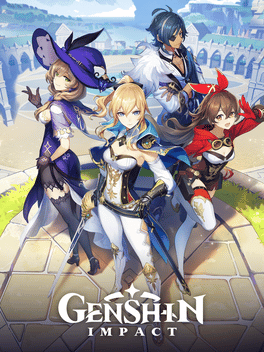
The paper argues that gacha roleplaying games such as Genshin Impact constitute a distinct mythological genre. It is characterised by multi-mythical embroidery, fragmented retelling of myths, hybridised worldbuilding, and devoted fan cultures.
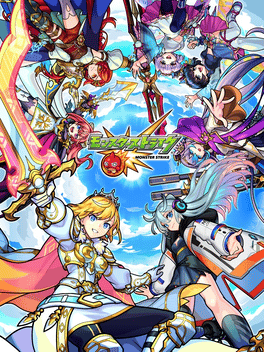
This paper examines how popular mobile gacha roleplaying games, particularly Genshin Impact and its Inazuma region with the submerged civilisation of Enkanomiya, function as digital continuations of the transcultural transmission of myths from the ancient Mediterranean to East Asia. Its central argument is that gacha games have emerged as a distinct mythological genre marked by multi-mythical embroidery, fragmented mythographical retelling, hybridised worldbuilding, and devoted fan cultures. The analysis extends to comparative consideration of Monster Strike and Dislyte, both of which are used to show shared genre tendencies toward remediating and speculating upon global mythologies.
The study's key interpretive claim is that Enkanomiya's narrative deliberately blends Greek sun myths, recalling Helios and his chariot, with Japanese mythology in a way that reflects a plausible historical pattern of cultural exchange. Parallels are drawn to earlier instances of Hellenistic diffusion, including the Uzume and Baubo comparison, the transformation of Heracles into guardian figures in Gandhara Buddhism, and the resemblance between the Orpheus-Eurydice and Izanagi-Izanami narratives, which are traced through Scythian and Korean intermediaries reaching early Japan. The paper frames this blending as a re-enactment of mythic exchange within a digital otherworld, drawing on concepts of eternal return and archetypal recurrence.
The scope of the work is primarily qualitative and interpretive, drawing on a close reading of selected games rather than systematic survey data or a defined player sample. Its methodology relies on comparative analysis informed by reception studies, transcultural art history, and theories of dialogism and convergence media. The temporal frame spans ancient textual sources such as the Kojiki of 712 AD to contemporary mobile titles released between 2013 and 2022, situating recent gacha design within longer histories of mythological transmission.
DiGRA · 2026
DiGRA · 2026