DeNA entered a transformative "Second Founding" phase in FY2024, marked by a significant financial recovery and a strategic pivot toward company-wide AI integration. Revenue reached 164.0 billion yen with a Non-GAAP operating profit of 32.9 billion yen, driven primarily by the global success of Pokémon Trading Card Game Pocket. While the Game Business remains the core profit engine, the organization is diversifying its portfolio across Live Streaming, Healthcare, and a record-performing Sports segment to mitigate the volatility of hit-driven cycles. The company has established a FY2026 Non-GAAP operating profit target of 15.0 billion yen, emphasizing sustainable, structural growth over short-term gains.
Central to this evolution is the "AI-ALL-IN" strategy, which aims to double productivity and launch approximately 10 AI-native products. This transition is supported by a robust human capital framework, including the DeNA AI Readiness Score (DARS) to track employee literacy and a shift toward market-linked, performance-based compensation. To manage development risks, the Game Business has adopted a "soft launch strategy" focused on iterative testing. Meanwhile, the Sports segment achieved 40 billion yen in revenue, and the Healthcare division is pivoting toward medical digital transformation despite facing recent impairment losses.
Governance and sustainability are integrated into this value creation story through a board composed of 50% independent directors and a rigorous risk management framework. DeNA maintains high standards for data security and has committed to a 58.8% reduction in Scope 1 and 2 emissions by FY2033. By balancing aggressive AI adoption with disciplined capital allocation—including strategic share sales and increased dividends—the organization seeks to harmonize social value with long-term profitability across its diverse digital and physical business ecosystems.

GREE
SAKURA internet

Capcom · 2026

Capcom Co. · 2026

Capcom · 2026
Sony Group Corporation · 2026

Square Enix · 2026
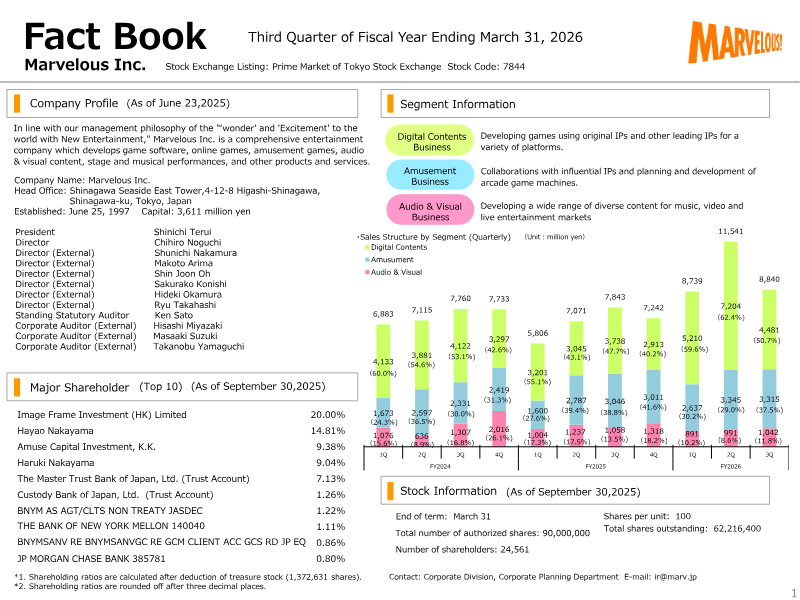
Marvelous · 2026
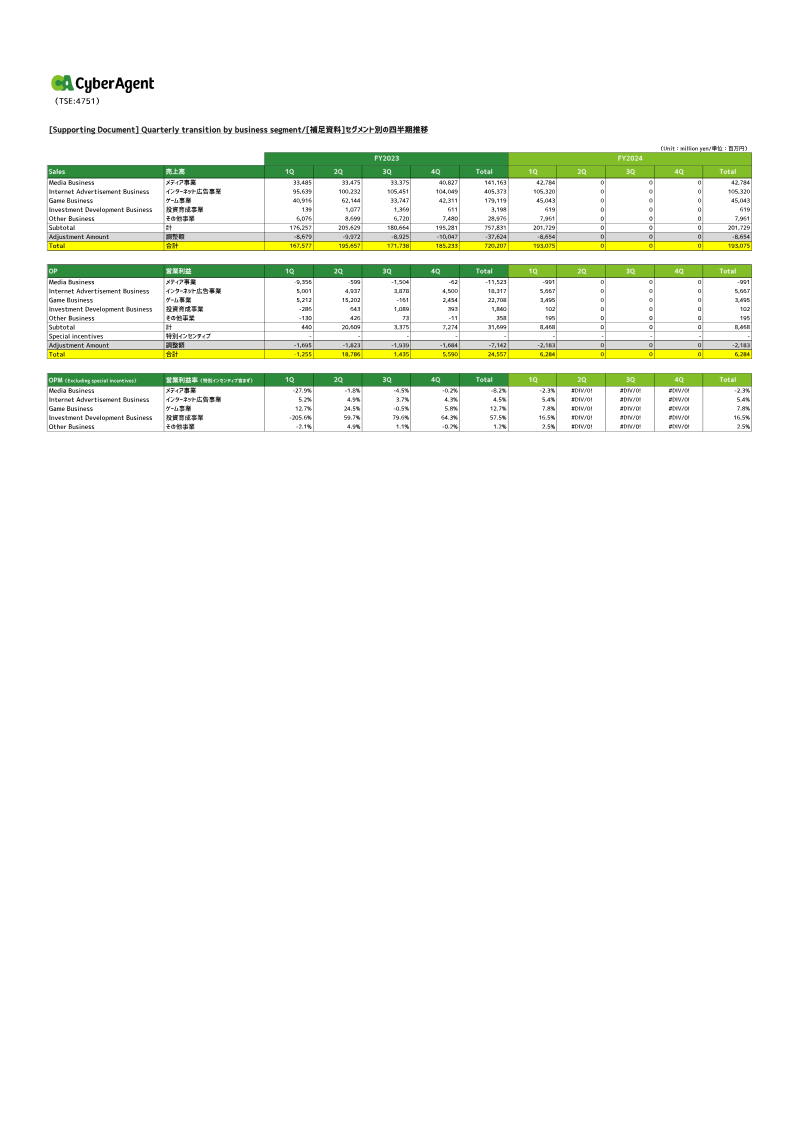
CyberAgent · 2026

Square Enix · 2026
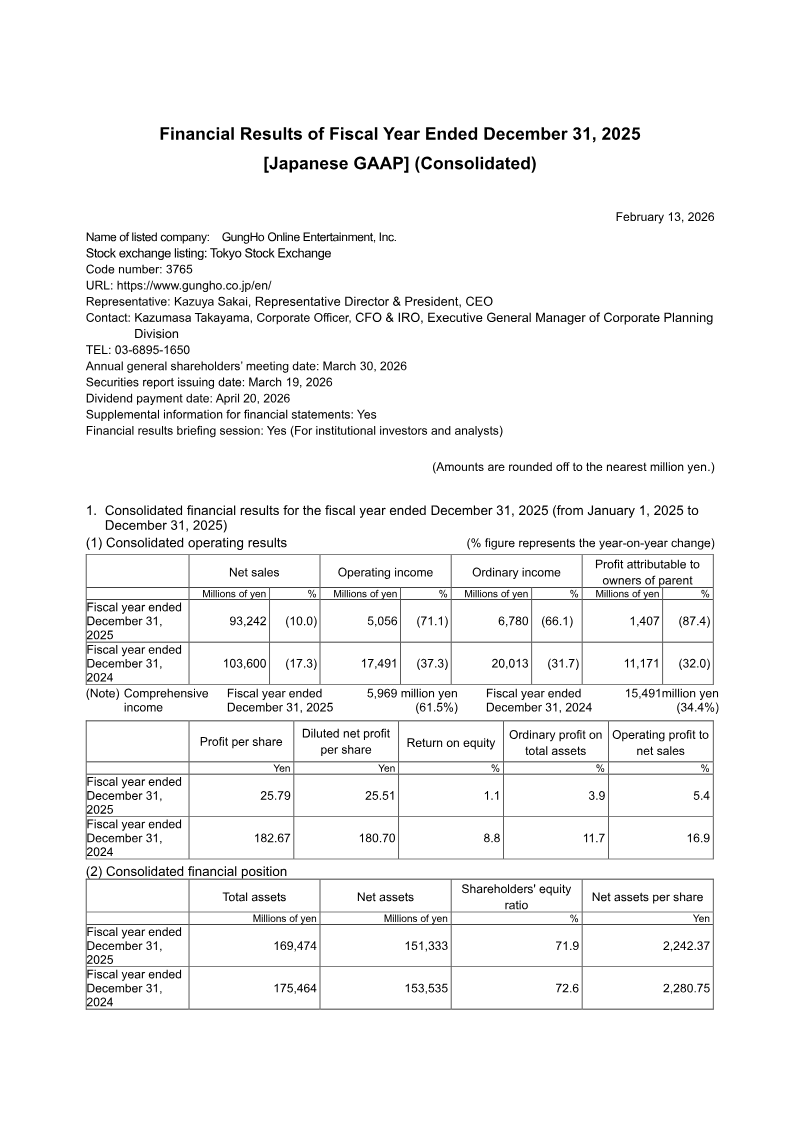
GungHo Online Entertainment · 2026
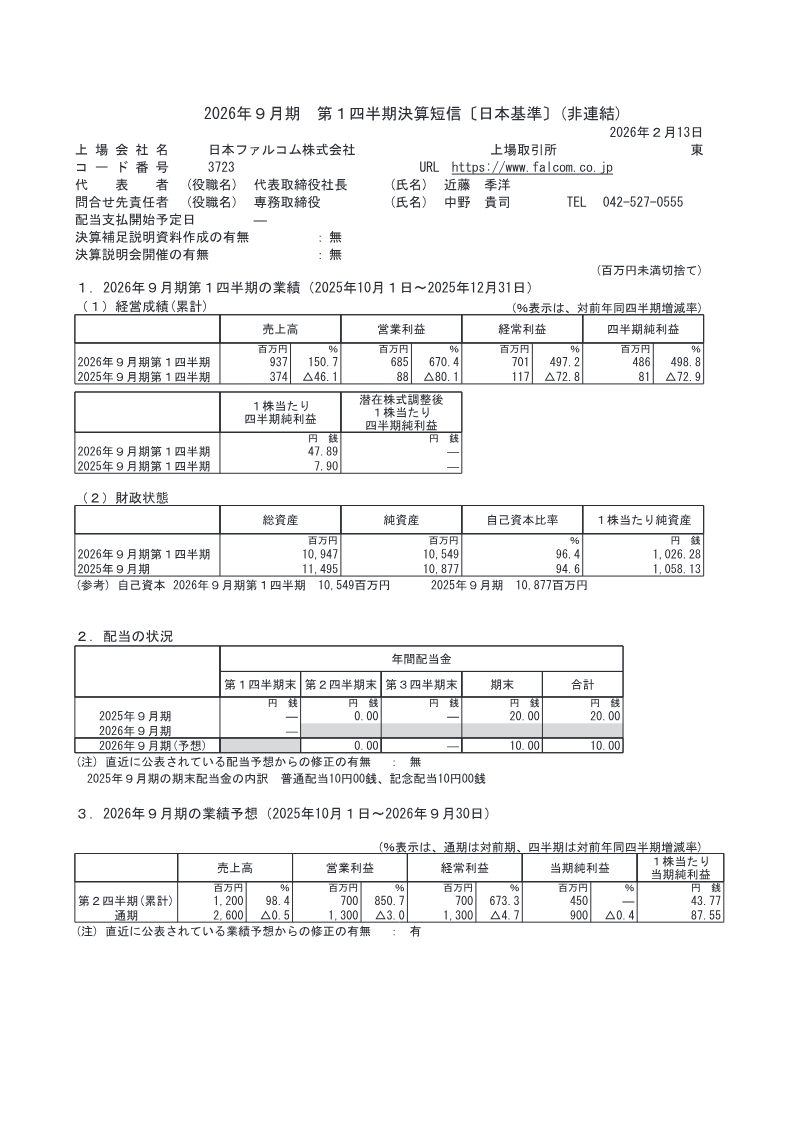
Nihon Falcom Corporation · 2026