1 free read left. Create a free account for unlimited reading + AI research.
Create free accountArticle Alinea Analytics
1 free read left. Create a free account for unlimited reading + AI research.
Create free accountArticleAlinea Analytics
This represents a 14.5% increase over the first half of 2025 and an 8% increase over the second half of 2025.
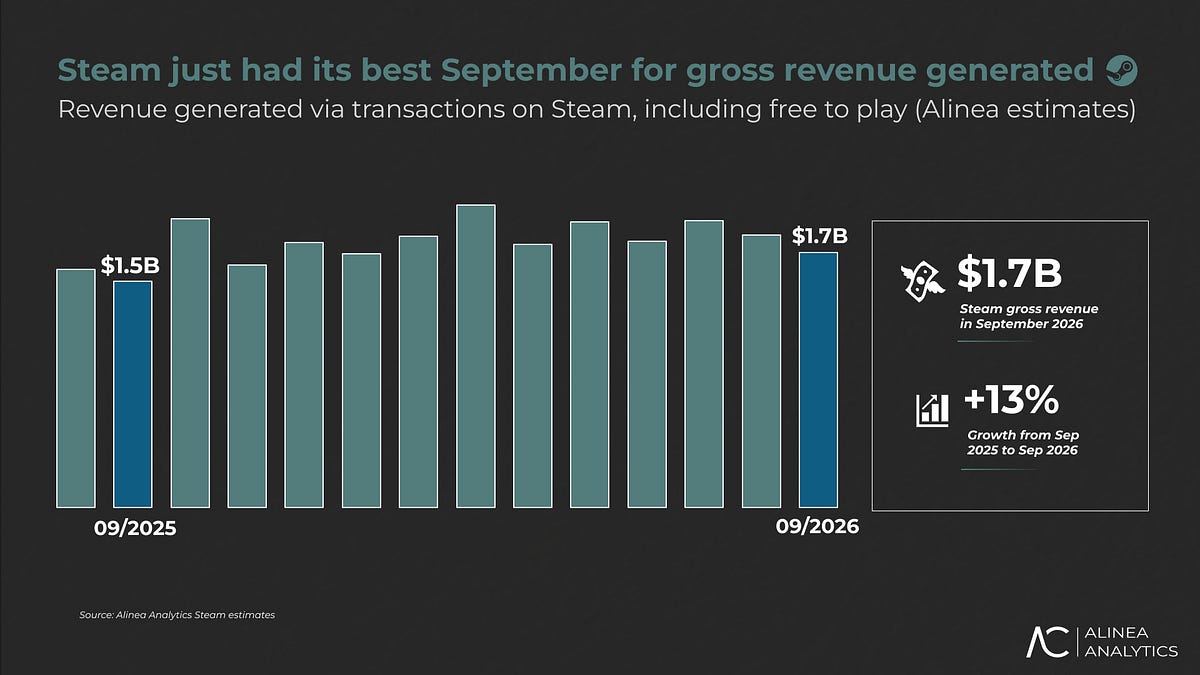
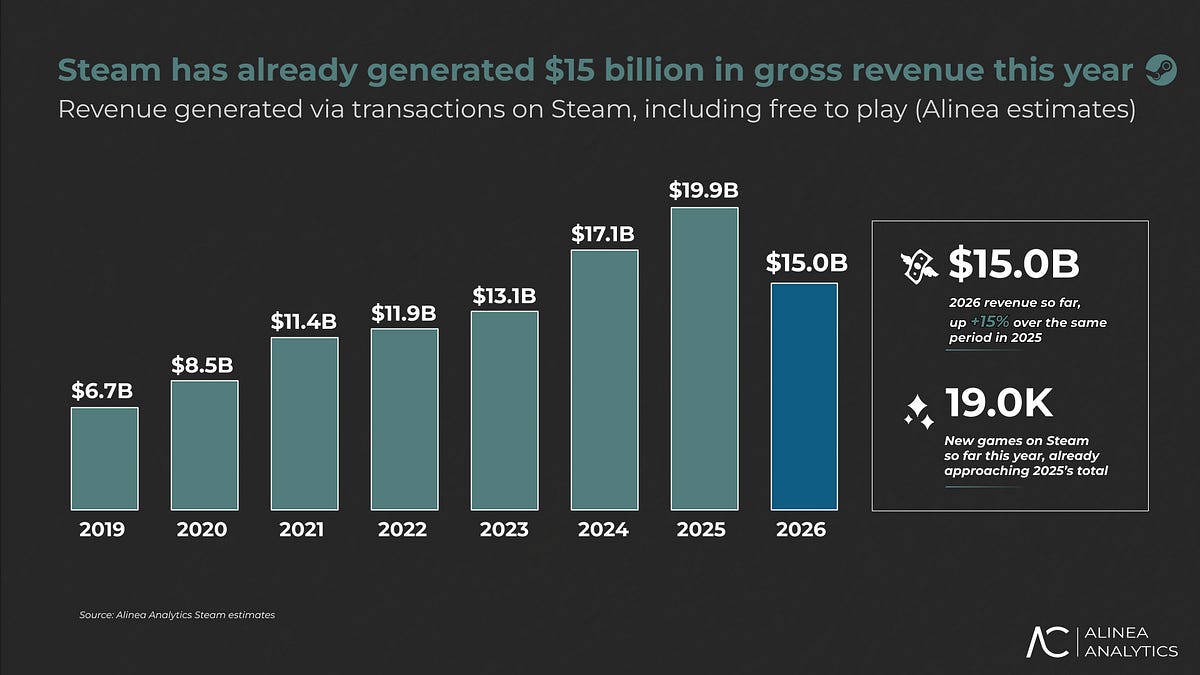
Steam experienced its most successful half-year period in history during the first six months of 2026, generating an estimated $11.1 billion in gross revenue. This figure represents a 14.5% increase over the first half of 2025 and notably exceeds the revenue generated during the second half of 2025, a period typically bolstered by holiday sales. The platform’s growth trajectory remains robust, with current half-year earnings nearly matching the total revenue recorded during the pandemic-peak year of 2021.
The primary drivers of this sustained growth include a significant influx of players from Asian markets, particularly China, alongside the industry-wide trend of higher price points for new releases. Additionally, the platform has benefited from the return of third-party publishers to the Steam ecosystem, the success of viral co-operative titles, and more sophisticated lifecycle management of back-catalogue content. Over the last decade, Steam’s revenue has quintupled, rising from approximately $5.5 billion in 2017 to an estimated $20 billion in 2025.
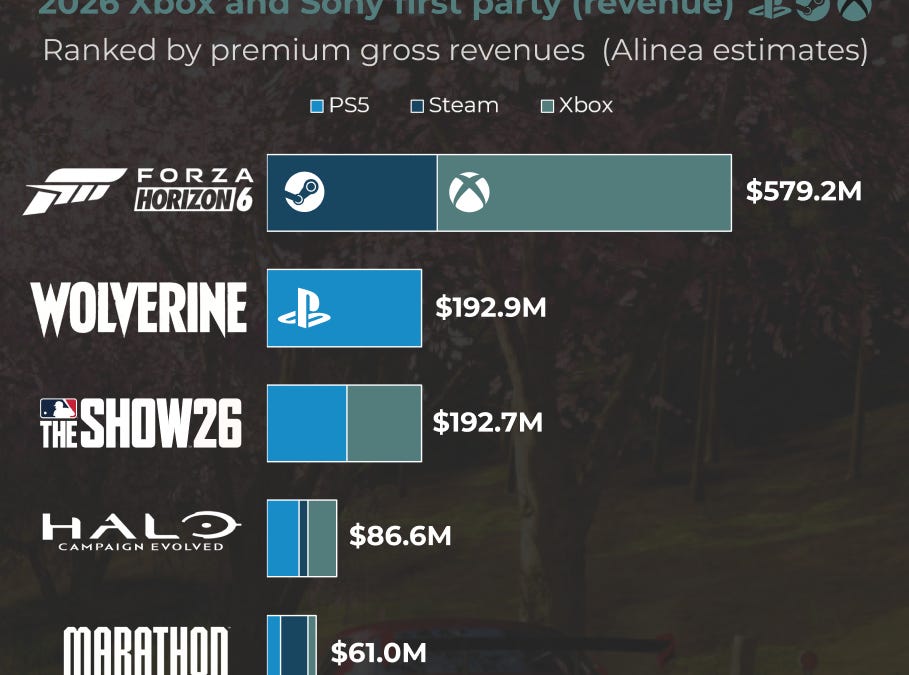
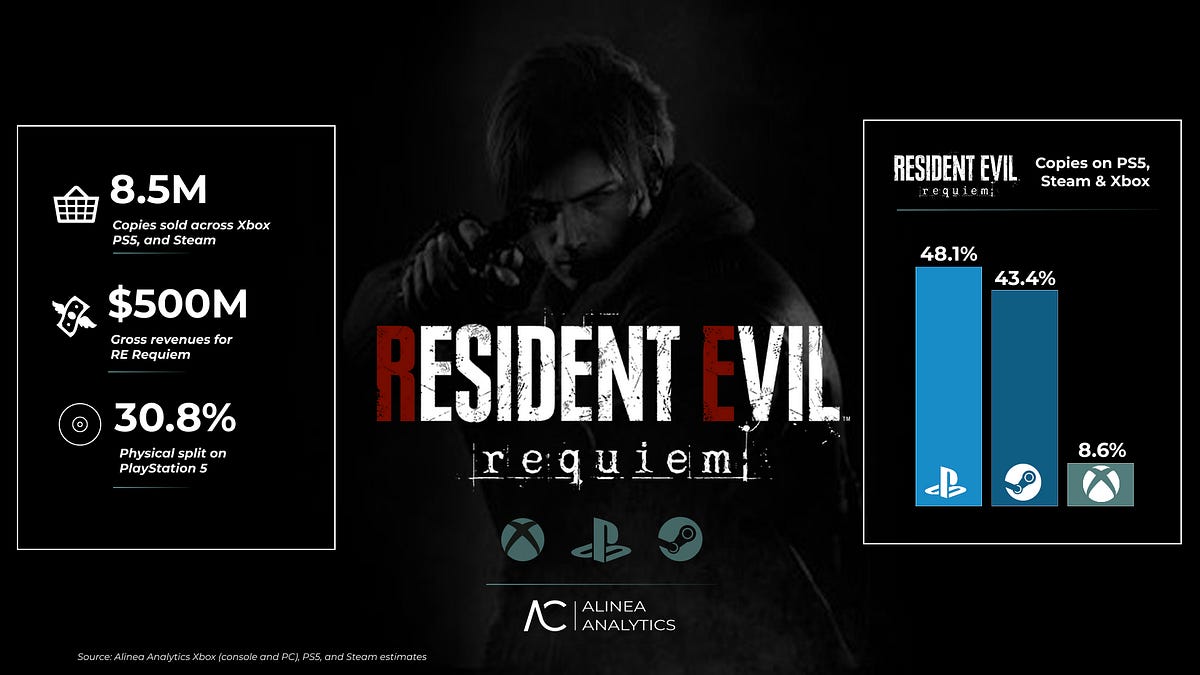
A critical shift in market dynamics is the diminishing contribution of new releases to total revenue. In the first half of 2026, new games accounted for only 21% of total revenue, down from 29% in the same period in 2024. This indicates that 79% of revenue is now derived from the back catalogue, as publishers increasingly rely on discounts, bundles, and long-term sales strategies to compete against a saturated market of established hits. While top-tier titles like Forza Horizon 6 and Resident Evil Requiem continue to perform well, the broader market environment presents significant challenges for new intellectual property, as developers must compete against a decade of high-quality, lower-priced legacy content.
Alinea Analytics · 2026
Alinea Analytics · 2026
Alinea Analytics · 2026
Alinea Analytics · 2026
Alinea Analytics · 2026
Alinea Analytics · 2026
Alinea Analytics · 2026
Alinea Analytics · 2026
Alinea Analytics · 2026
Alinea Analytics · 2026
Alinea Analytics · 2026

Alinea Analytics · 2026
Deconstructor of Fun · 2026