ArticleThe Game Business
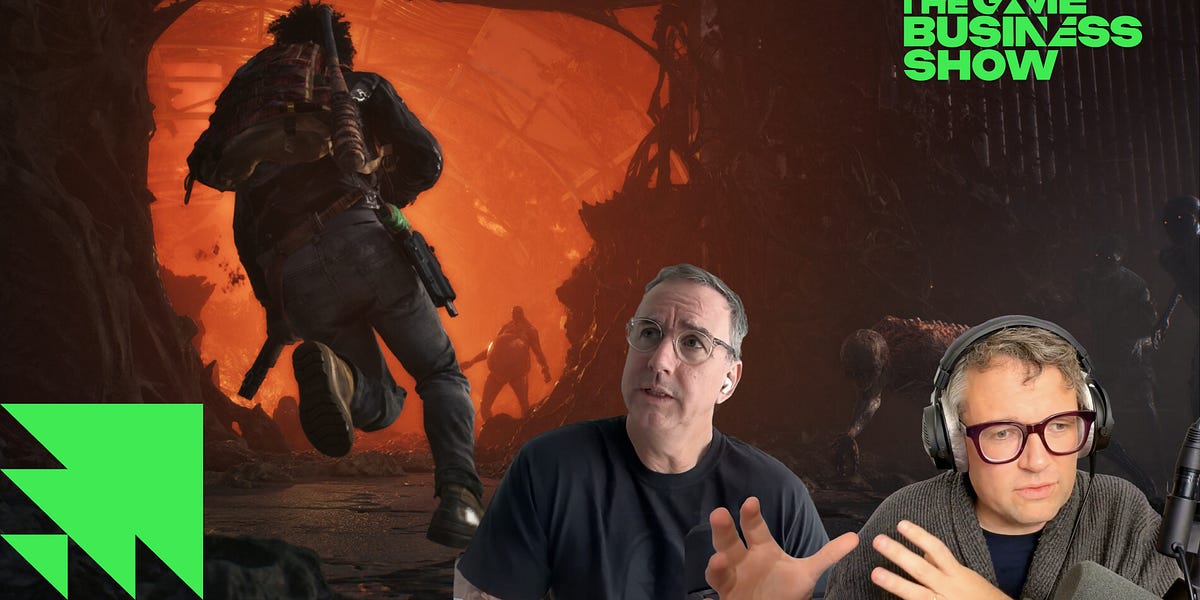
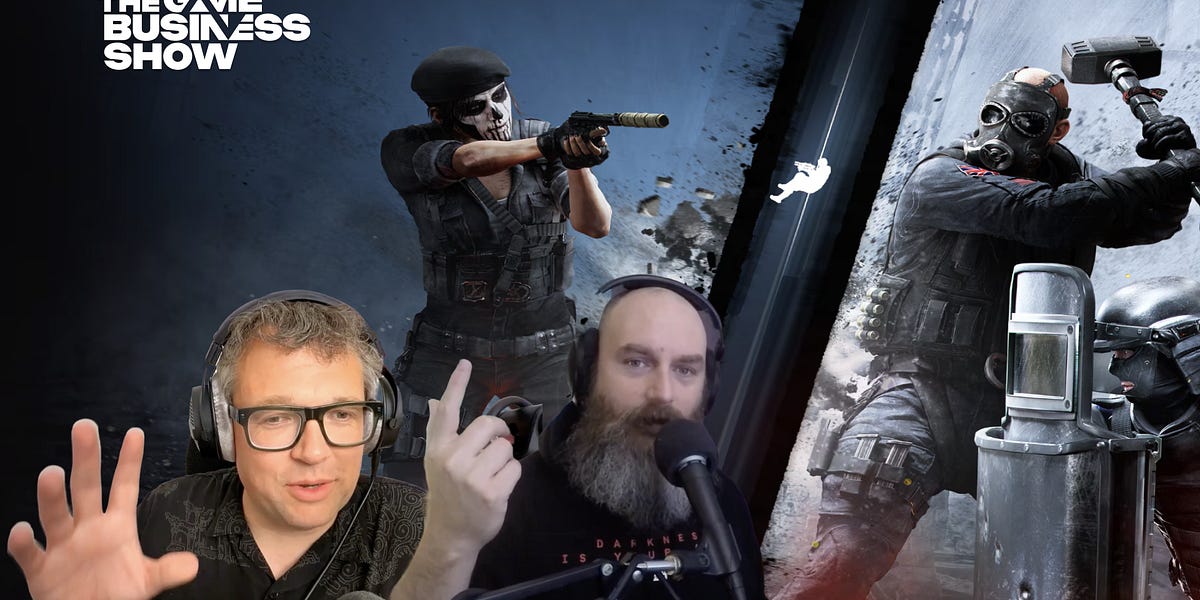
The Shooter That Tencent Abandoned: Wardogs Hits 2m Sales in One Weekend
15 Sept 20261 pages~12 min full read
Key insights
5 slides
The Challenge
Bulkhead faced six years of financial instability and annual redundancies.
The studio experienced annual staff reductions affecting approximately 20% of the company for six years.
The Breakthrough
Wardogs surpassed 2 million sales in its opening weekend.
The tactical shooter significantly exceeded the studio's break-even target of 400,000 units. This performance marks a significant turnaround for Bulkhead.
Impact on Staff
Bulkhead will not conduct layoffs this year due to the game's commercial success.
After six years of annual staff reductions, the studio avoids layoffs for the first time.
Hiring Model
Bulkhead is adopting a 'gig economy' hiring model for scaling operations.
The studio offers remote 12-to-18-month contracts to new hires. High-performing staff can then transition to permanent in-office roles.
Work-Life Balance
Bulkhead maintains a controversial culture that explicitly accepts crunch periods.
The studio justifies crunch by providing significant financial rewards and equity to staff.
It's like a sports team that pushes hard for a championship, but ensures every player gets a big bonus if they win.
1 / 5
Ask AI about this report