1 free read left. Create a free account for unlimited reading + AI research.
Create free accountArticle Breda University of Applied Sciences
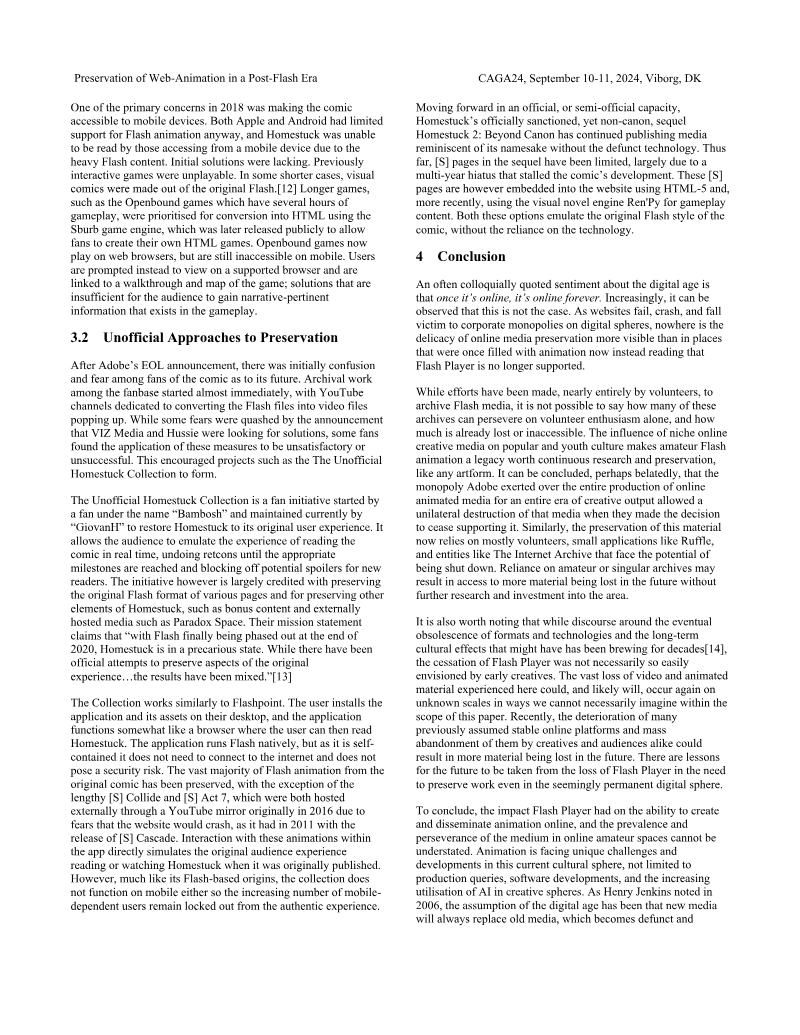
1 free read left. Create a free account for unlimited reading + AI research.
Create free accountArticleBreda University of Applied Sciences
The essay asks how the number of companion characters in a game affects player attention and emotional attachment. It uses Marvel's Midnight Suns as its central case study.
This essay examines how the number of companion characters in a game affects player attention and emotional attachment, using Marvel's Midnight Suns as its central case study. Its core argument draws on Dunbar's Number, the proposed cognitive framework suggesting people maintain a close "support clique" of about five people and a wider "sympathy group" of roughly 10 to 20. The author contends that games should be designed with these social limits in mind, since a roster that exceeds a player's capacity for meaningful engagement dilutes emotional connection to individual characters.
Marvel's Midnight Suns offers 13 fully voiced heroes in its base game and 17 with DLC. The author argues that this total falls within the sympathy group range, but the game lacks a mechanism for players to naturally form a core group of regulars. With a limit of three heroes per combat team and friendship progress gating both legendary abilities and cosmetics, players must either focus narrowly on two or three favorites, forfeiting content, or spread their attention across the entire roster, as the author did, which made building attachment to any single character difficult.
The essay compares three alternative approaches. XCOM imposes a six-slot team limit and a time pressure that encourages a stable core of about six characters plus a reserve. Fire Emblem: Three Houses, despite its 34 playable characters, divides them into three houses of eight, letting players focus on one manageable group, and deploys between nine and twelve units per mission. RimWorld starts players with up to six characters and makes further recruitment difficult, allowing a core group to form organically. The author concludes that roster size should be treated as a deliberate design budget rather than a fixed rule, with designers consciously tuning the final number and adjusting supporting systems to match it.
Each row is a game or company this document names, each column a document, oldest first. A mark means that document names it. Select a row to see those documents.
Breda University of Applied Sciences · 2026
Breda University of Applied Sciences · 2026
Breda University of Applied Sciences · 2026
Game Developers Conference · 2023