1 free read left. Create a free account for unlimited reading + AI research.
Create free accountWhitepaper Breda University of Applied Sciences
1 free read left. Create a free account for unlimited reading + AI research.
Create free accountWhitepaperBreda University of Applied Sciences
None of the 113 surveyed European game art programmes included art history in their curricula.
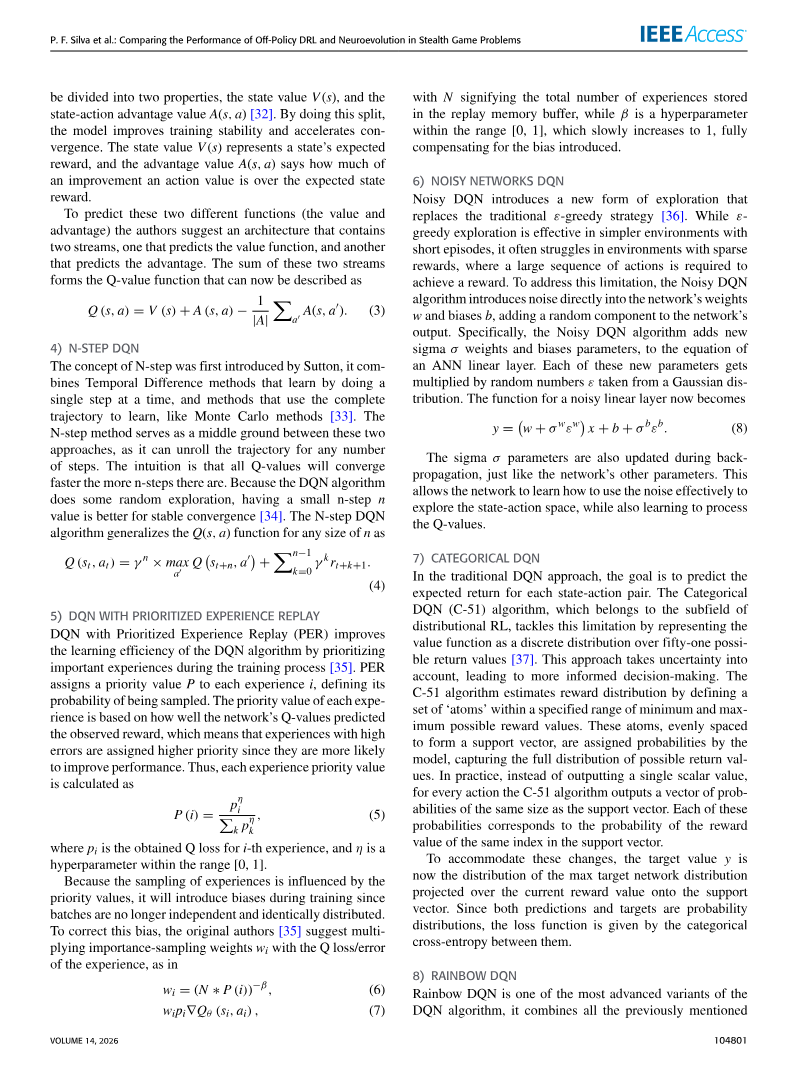
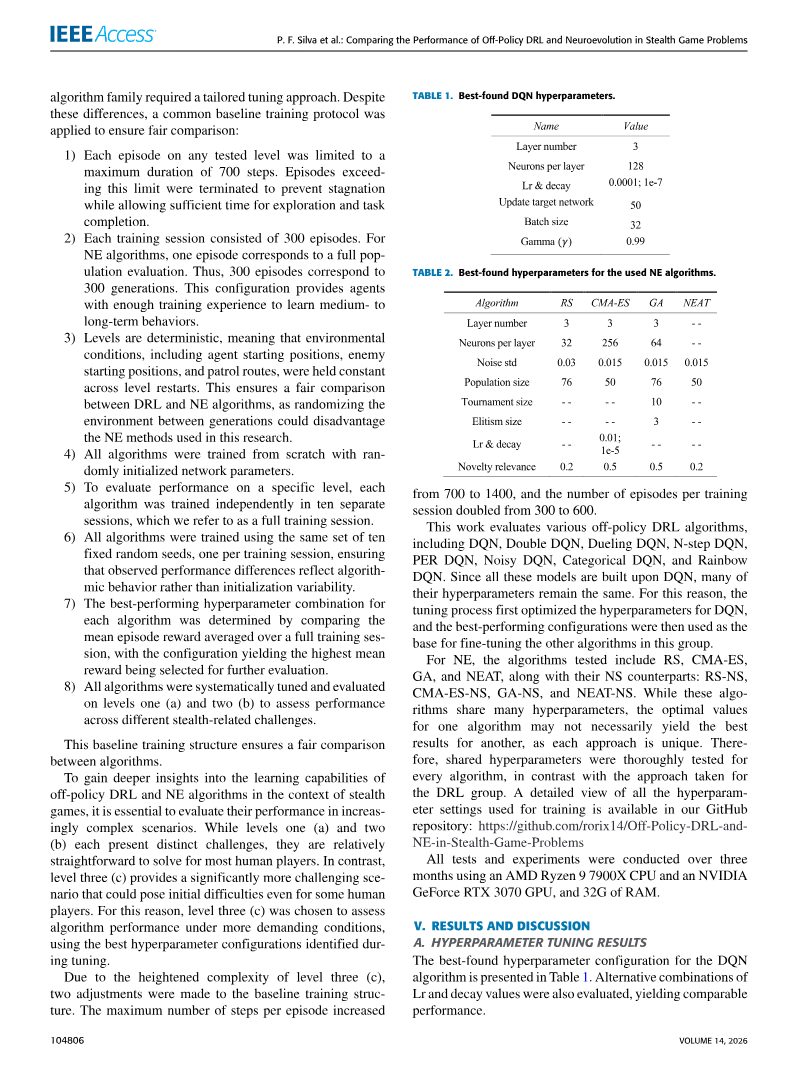
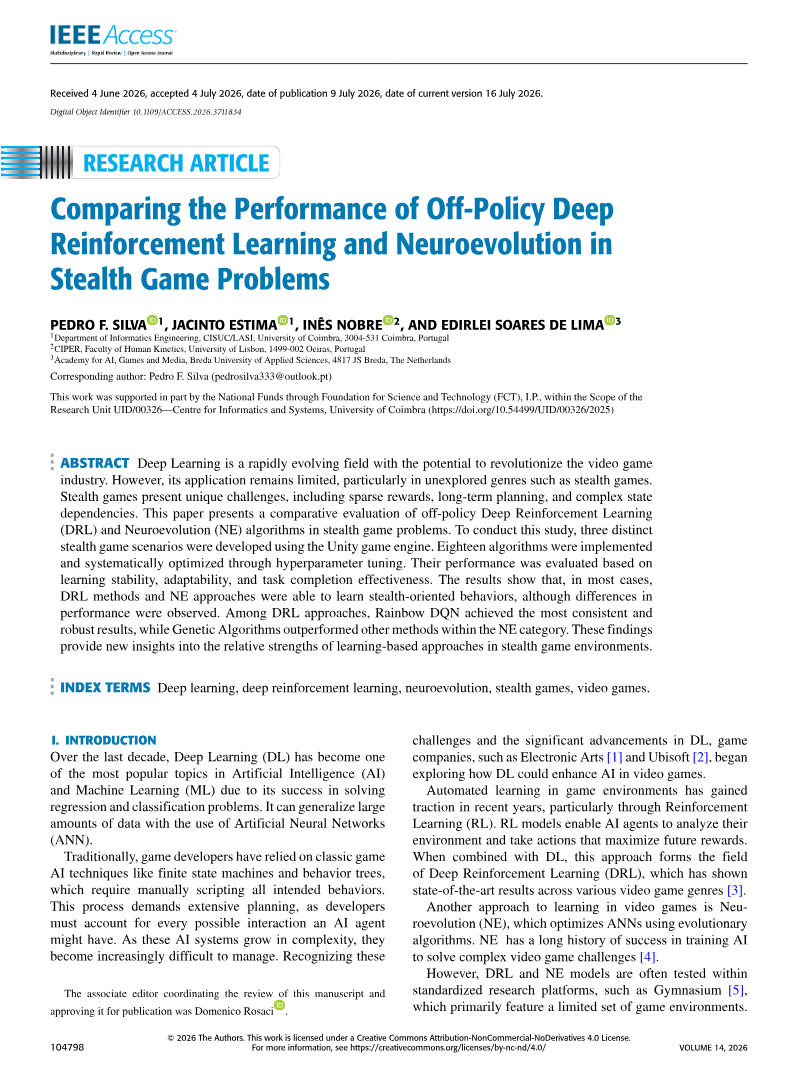
This qualitative study, a 2026 master's thesis by Iza Morel at Breda University of Applied Sciences, investigates whether deliberate encounters with art history shape how game art students perceive and make creative decisions. Motivated by the near-total absence of art history from game art curricula (none of 113 surveyed European programmes included it), the work uses post-impressionism as an exploratory test case, drawing on fifteen semi-structured interviews with eleven students and recent alumni. Visual elicitation with three images by Cézanne, Seurat, and van Gogh, combined with contextual information provided partway through, was analysed through Reflexive Thematic Analysis, yielding themes of identity, engagement, and practical application.
The central finding is that the value of art historical encounters is conditional rather than uniform. Many participants positioned themselves as outsiders to fine art, reserving the term "artist" for emotional, self-directed practice, and some experienced shame about limited art-historical knowledge rooted in negative past education. Engagement depended on prior vocabulary, default attention patterns, and the sustained, structured looking the interviews provided. Where practical connections emerged, they clustered around colour, painterly texture, and historical context, and were often surface-level or mediated by digital intermediary references such as Disco Elysium rather than translated directly from traditional painting.
The study's scope is deliberately narrow: a small, single-institution sample, a single point-in-time design, and a researcher-curated set of three images, with the researcher's own positionality as a game art practitioner acknowledged as part of the analysis. The author frames the results as an early, exploratory mapping of an under-researched territory. Effects were incremental and partial rather than transformative, and the work points toward future research with larger samples, replication, longitudinal testing, and the development of a structured looking-and-discussion pedagogical tool.
Each row is a game or company this document names, each column a document, oldest first. A mark means that document names it. Select a row to see those documents.
Breda University of Applied Sciences · 2026
Breda University of Applied Sciences · 2026
Breda University of Applied Sciences · 2026



Breda University of Applied Sciences · 2026
Breda University of Applied Sciences · 2026



Breda University of Applied Sciences · 2026
Breda University of Applied Sciences · 2026
Breda University of Applied Sciences · 2026
Breda University of Applied Sciences · 2026
Breda University of Applied Sciences · 2026
Breda University of Applied Sciences · 2026
Breda University of Applied Sciences · 2025
The Game Business · 2026