1 free read left. Create a free account for unlimited reading + AI research.
Create free accountReport Breda University of Applied Sciences
1 free read left. Create a free account for unlimited reading + AI research.
Create free accountReportBreda University of Applied Sciences
The proceedings from the CAGA 2024 conference in Viborg, Denmark, argue that generative AI, virtual production, platform obsolescence and systemic inequality are creating innovation and critical engagement.
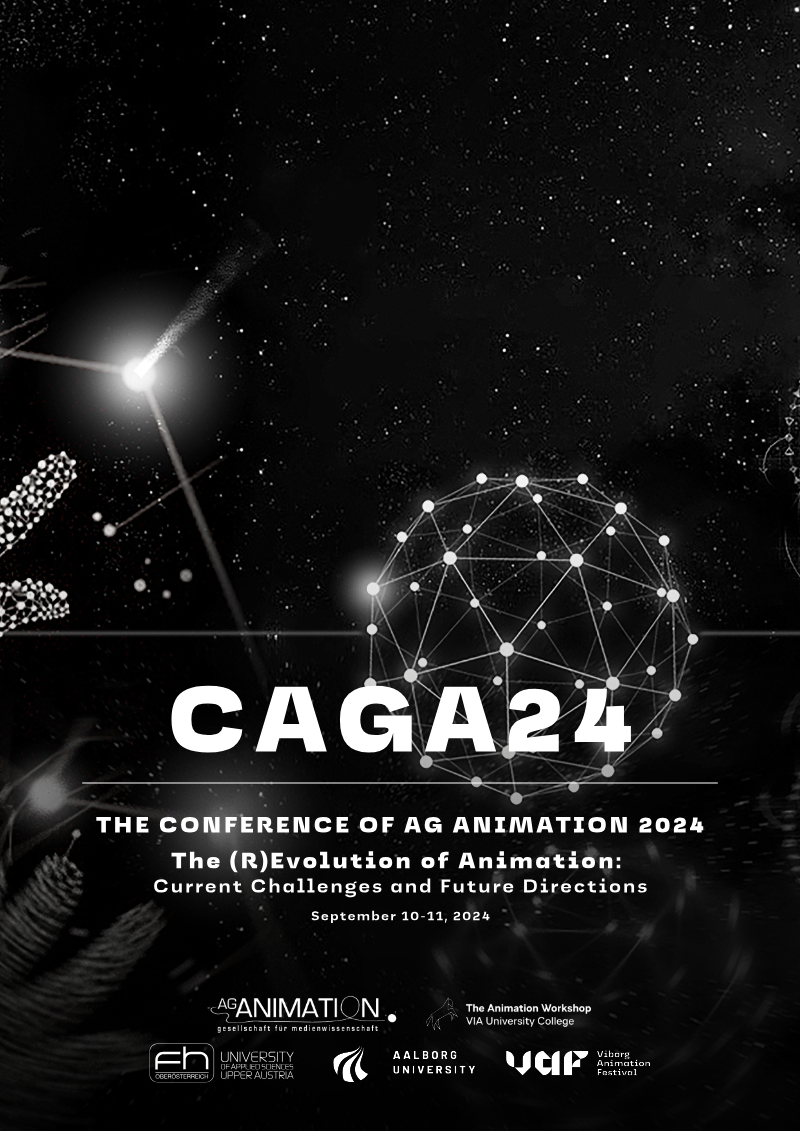
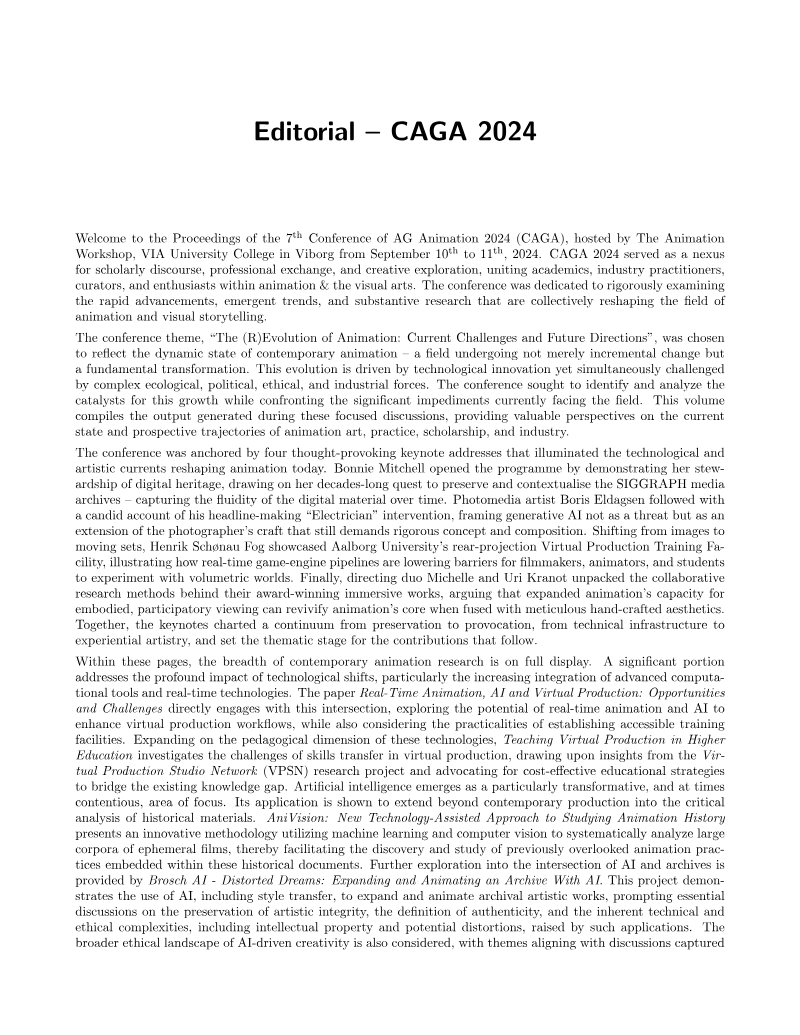
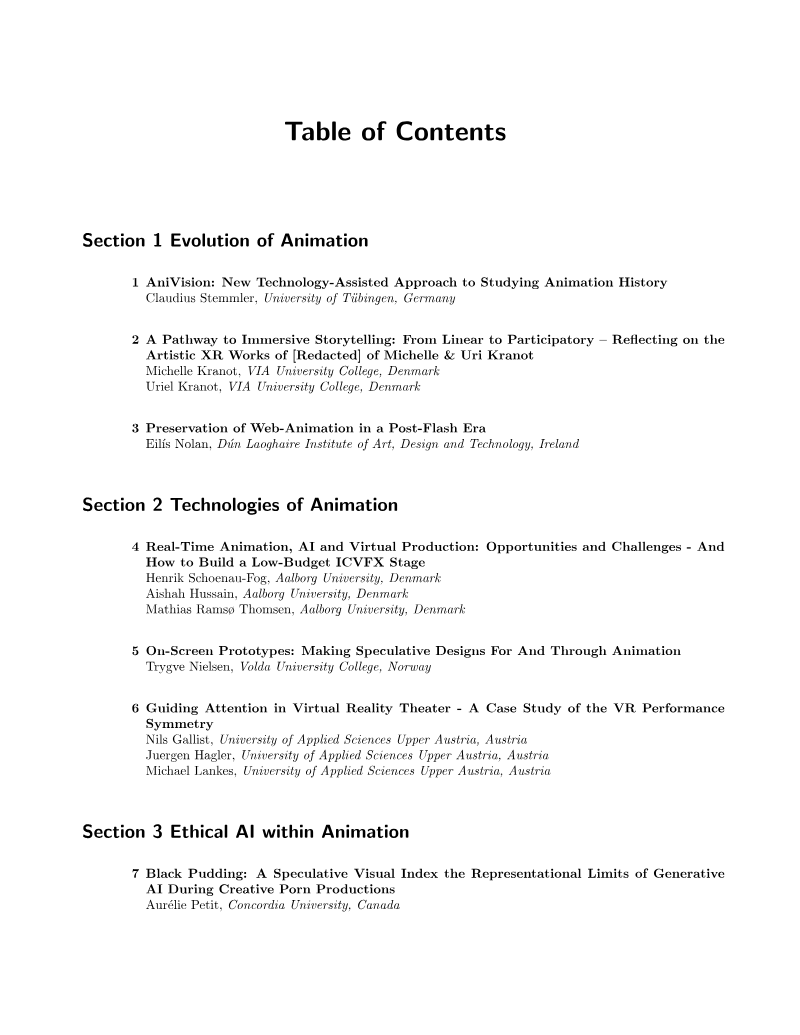
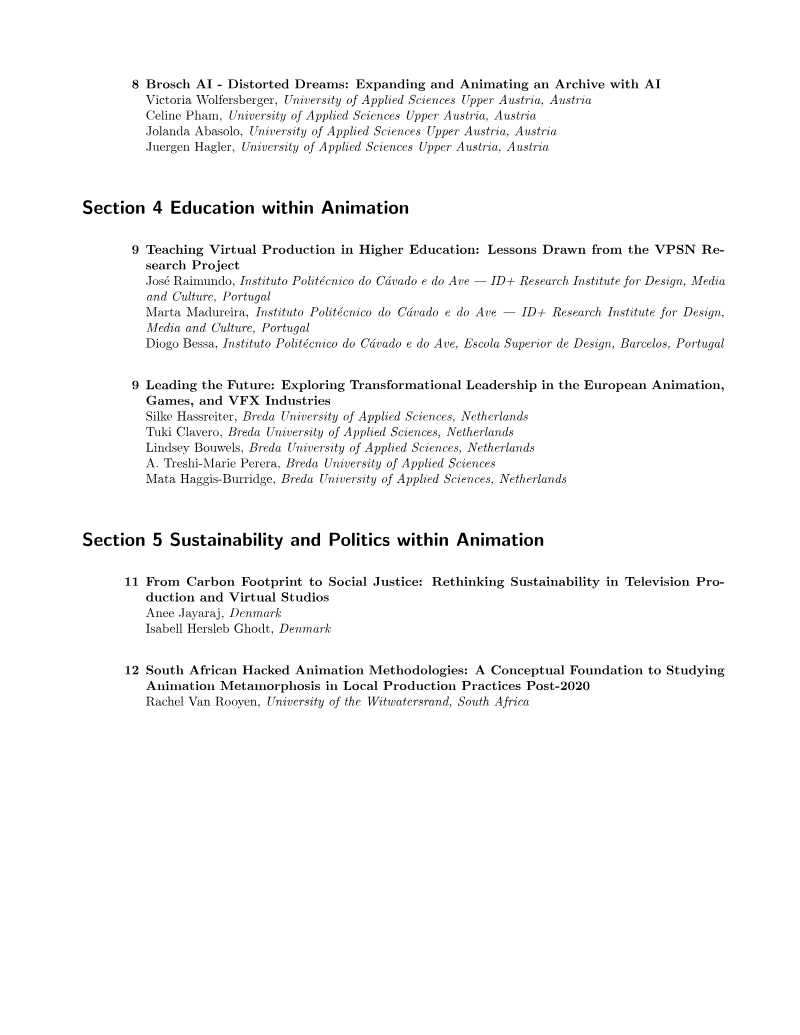
The CAGA 2024 conference proceedings, "The (R)Evolution of Animation: Current Challenges and Future Directions," assemble research presented in Viborg, Denmark, in September 2024, and argue that the field's disruptions, including generative AI, virtual production, platform obsolescence, and systemic inequality, are generating innovation and critical engagement rather than merely obstructing progress. The collection spans animation studies and XR storytelling, with contributions drawn largely from European research institutions and a notable focus on South African and Austrian-German cases.
Several strands of inquiry recur across the proceedings. Research on Cold War ephemeral films through the AniVision project found that animation was far more prevalent in utilitarian West German science films than previously assumed, with roughly 16 of 33 annotated hours containing animation, and that machine learning classifiers reached test-set F1 scores near 95%. Work on preservation shows that Flash-based web animation faces serious loss, with volunteer-run tools such as Ruffle and Flashpoint carrying much of the archival burden. Studies of virtual production highlight energy and cost trade-offs, with a low-budget rear-projection setup consuming about 5 kWh per shooting day against a far costlier LED wall, while also noting that generative AI can compress 3D location building from ten weeks to about twenty minutes. Investigations of immersive and AI-generated work, including Symmetry, Black Pudding, and Brosch AI, emphasize that generative tools offer speed but limited stylistic control, reproduce narrow representational norms, and raise unresolved questions of authorship and labor.
The education and workforce chapters converge on the conclusion that virtual production is valuable only when matched to realistic budgets and skills, and that leadership development in European animation, games, and VFX studios lags behind technical advancement. Sustainability research estimates that a single hour-long drama episode carries about 77 tonnes of CO2e, though validation of virtual production's environmental benefits remains incomplete. A South African case study documents studios that work around thin public funding, which covers only 28% of animation financing, through "hacked" production strategies, while calling for updated scholarship and decolonised definitions of authentic African animation.

Breda University of Applied Sciences · 2026
Breda University of Applied Sciences · 2026
Breda University of Applied Sciences · 2026



Breda University of Applied Sciences · 2026
Breda University of Applied Sciences · 2026
Breda University of Applied Sciences · 2026
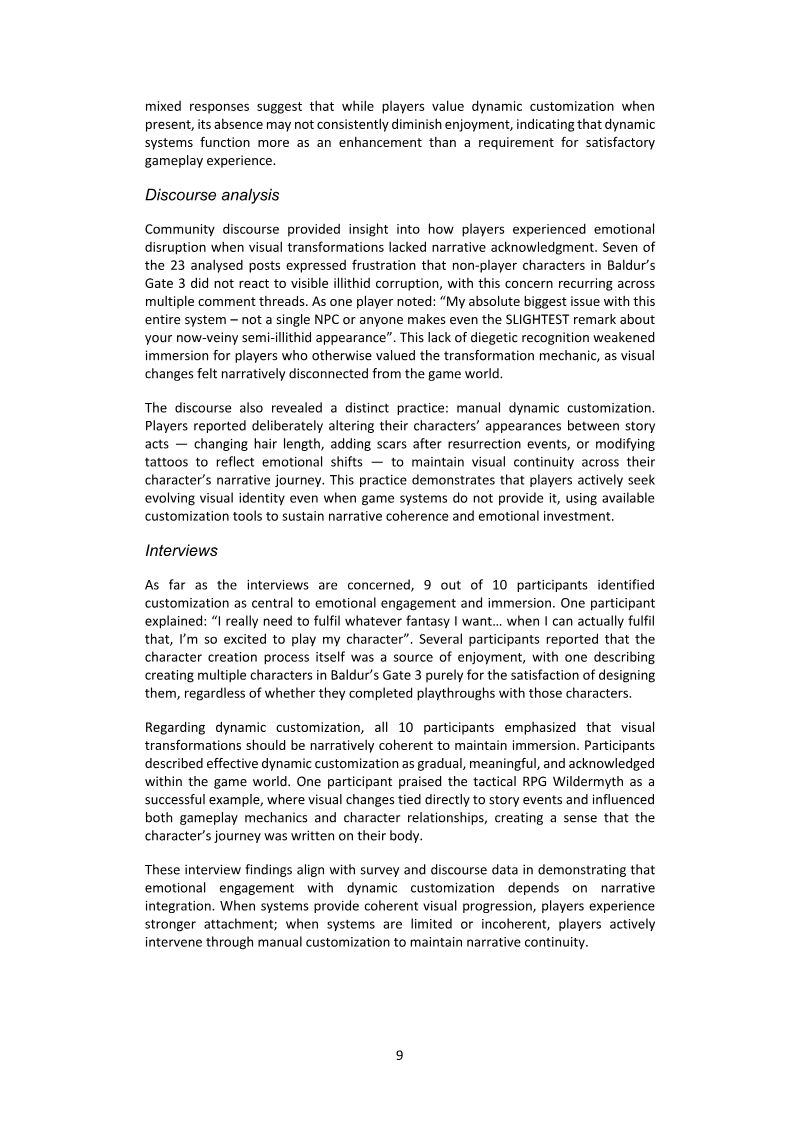
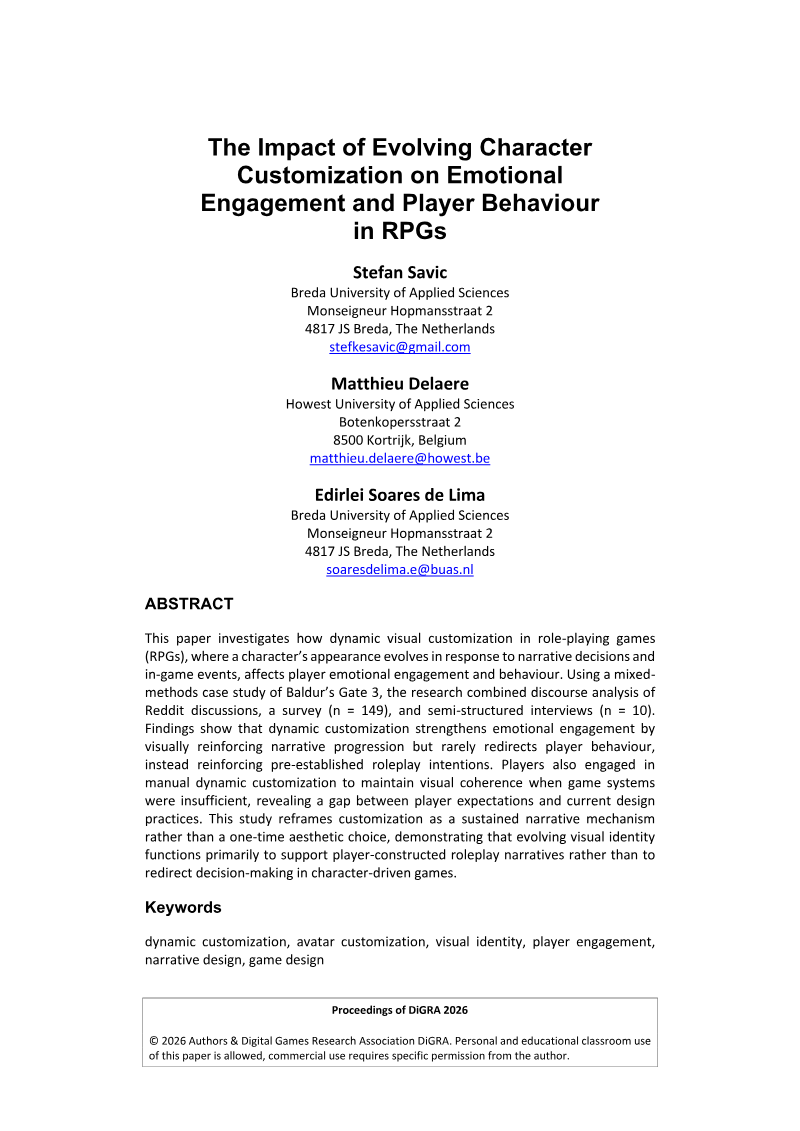
Breda University of Applied Sciences · 2026
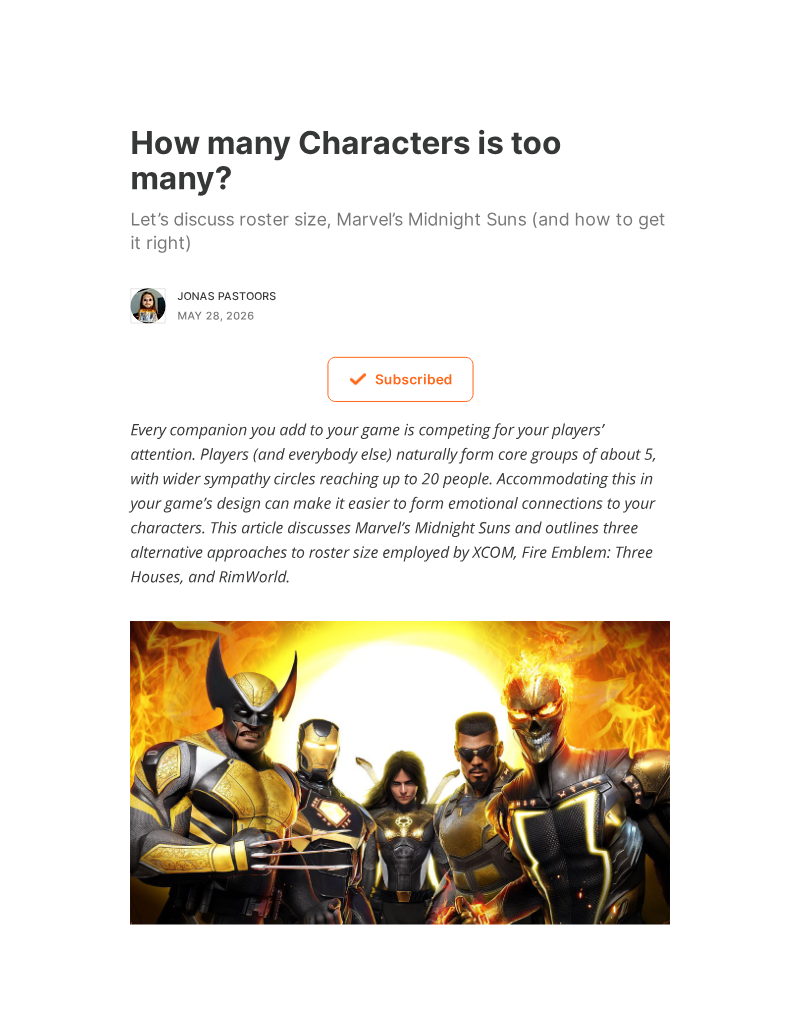
Breda University of Applied Sciences · 2026

Breda University of Applied Sciences · 2026
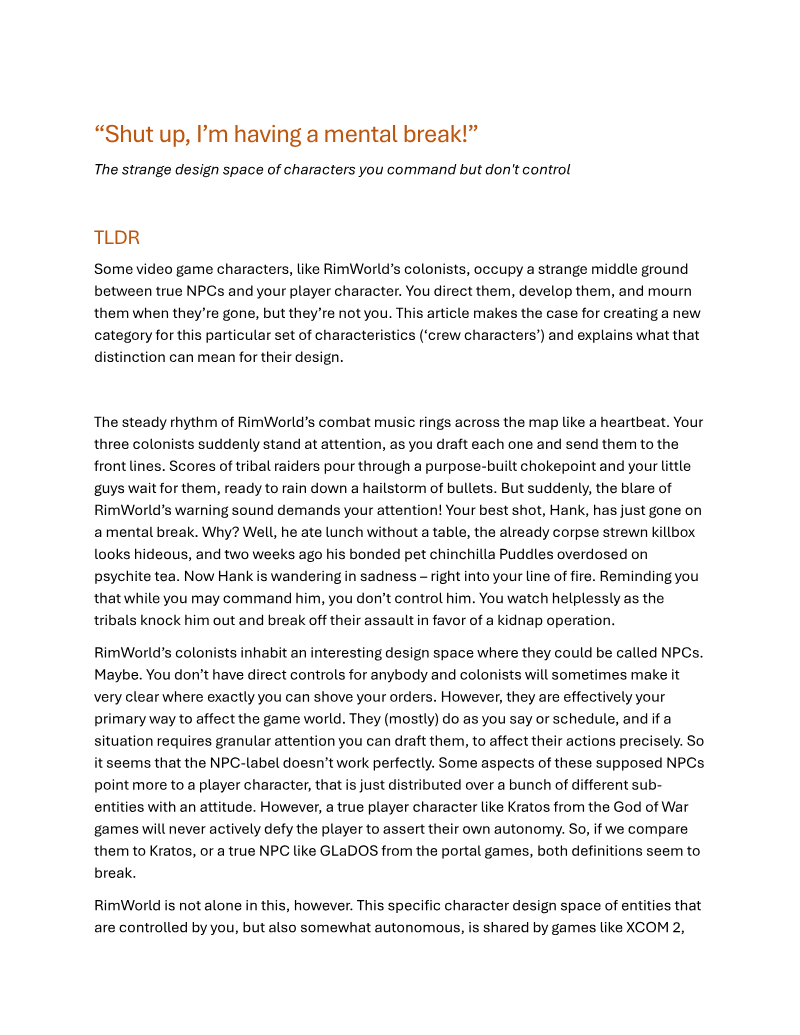
Breda University of Applied Sciences · 2026
Breda University of Applied Sciences · 2026
Breda University of Applied Sciences · 2026

Mobilegamer.biz · 2026