1 free read left. Create a free account for unlimited reading + AI research.
Create free account
How 100 Thieves is Building Beyond Esports
Key insights
6 takeaways- 01100 Thieves is diversifying its revenue streams beyond esports by operating independent business units, including the apparel brand Higround and the energy drink line Juvee.
- 02The company is shifting its business model from aggressive, unchecked growth toward a strategy focused on operational sustainability and strict fiscal discipline.
- 03The organization manages its business units through a decentralized structure where specialized executives are held accountable via rigorous tracking of key performance indicators and profit-and-loss statements.
- 04To ensure long-term viability, 100 Thieves advocates for publishers to spin off esports divisions into independent, third-party operated entities to better align commercial incentives.
- 05100 Thieves utilizes a 'barbell' game development strategy that balances rapid prototyping via Unreal Editor for Fortnite with the long-term production of its standalone competitive title, Project X.
- 06The company prioritizes agile, community-focused design and gameplay engagement over high-fidelity graphics to mitigate the financial risks associated with traditional AAA game development.
Ask AI about this video
Transcript
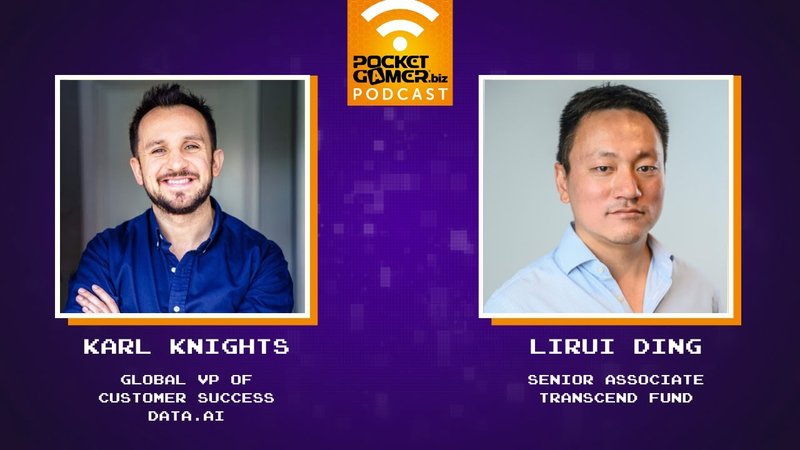
foreign [Music] gaming podcast where it is our mission to explore the business and future of video games we bring together the industry's brightest Builders investors and thinkers to keep a full sun current events dissect emerging Trends and games share Lessons Learned and have a great time this podcast is also part of novik's growing ecosystem which ranges from free and premium research to Consulting and advisory services for more information visit www.navic.com [Music] this episode is brought to you by overwolf with over 1 500 games supported 165 000 creators and 38 million monthly active users overwolf is the guild for in-game creators whether you're a gamer Creator or game studio overwolf is the ultimate destination for integrating ugc in games for Game Studios overwolf
offers curse forged for Studios a white label solution that lets game makers and Publishers easily integrate mods safely and seamlessly into their games both existing and new at zero cost it's battle tested by AAA Studios and games including Maxis with the Sims 4 Studio wildcard with Arc take to interactive and others for creators overwolf is the all-in-one platform that enables creators to build distribute and monetize in-game apps mods and Game servers in 2022 overwolf paid over 160 million dollars to in-game creators proving that they truly value the talents and contributions of The Gaming Community you can check out everything overwolf has to offer at overwolf.com or check out the details in the show notes and with that let's jump into the episode hi everyone I'm your host Aaron Bush and I'm genuinely so excited for today's episode one topic that we've covered off and on over the past many
months on this podcast has been Esports a fun competitive corner of the gaming world that continues to undergo profound changes of course not all Esports or Esports organizations are created equally and this conversation will center around what I so far see as the most interesting Esports organization out there that would be 100 thieves and for those who don't know 100 thieves was founded in 2017 by Matthew Hague otherwise known as nadeshot and has since gone on to win championships in Call of Duty valorant and League of Legends and has grown far beyond Esports into a pair girls game accessories energy drinks and now they even make video games so clearly there is a lot going on here and that's why I'm thrilled to be joined today by John Robinson who oversees all of these business lines as president and CEO of the company Sir John thank you so much for hopping on today Aaron thanks for having me and uh thanks
for the uh thanks for the kind words awesome so obviously 100 thieves does a lot so there's a bunch of stuff that we'll we'll try to tackle today but before we dive into the business details I'd love for our audience to learn a bit more about you because unlike most Esports Executives you actually have a pretty deep background in the games industry so could you just take a couple moments just to share your your journey in the games industry prior to joining 100 thieves sure um I guess to take it to take it all the way back uh one of my first jobs was working for the Cincinnati Reds as a data analyst um to date myself this is this is pre-pre-moneyball um so I think initially I thought I wanted to I wanted to be like a pro sports GM that was that was like kind of My First Love is you know competition in sports um but then yeah my uh my vision for my career changed pretty quickly after college when I get when I got a call from Electronic Arts and uh so I moved
uh moved to California uh joined them was it was it EA for about four years uh it was like an incredible formative experience for me had an opportunity to work with some amazing guys uh it was actually Owen Mahoney who uh was on your podcast just a few weeks ago who hired me at EA so I had a chance to work for him and John riccatello and Frank Dubois now CEO of Zenga so just like a number of like really really amazing you know industry leaders Laramie Ellie who's now pres you know president of EA so that was a really it was just like a perfect first opportunity to like learn the games industry to be working Ada during that era it's kind of like the PlayStation 2 Xbox 360 era um and then after that I went back to business school while I was there started my first game Studio making mobile games this is the app store which is coming out I saw that as a really interesting opportunity um after that I actually followed Owen to Nexon and I ran their mobile games group for for a number of years
um and then in between Nexon and 100 thieves I took a year off investment Adventure partners to uh to kind of help help them look at the games industry and really write a road map for them and that gave me a great opportunity to kind of look at everything in the space Not Just developers and Publishers but you know non-traditional opportunities and I've been an Esports fan for a long time and I was watching what was happening and I was introduced to nadeshot and we kind of hit it off from there and that's that's how it all started and under these awesome well it's exciting to hear about your your well-rounded background there but I have to ask when you joined 100 thieves did you foresee it becoming the business of businesses that it is today or was there something more specific about that opportunity that you were attracted to I'm just curious why you made that specific leap you know I think I think at the time when I was at when I was at Bessemer um I mean that was about 50 different
Esports organizations around the world and it gave me a really good perspective on what a lot of organizations were doing and I think the majority of them looked at the opportunity very similar to traditional Sports and they're running kind of like the same sort of business model and I always felt like that was underselling the opportunity you know like their traditional Sports has like a lot of rules and regulations around like what you can and cannot do um and it's really about like out executing your competitors right and in Esports it's it's like kind of the exact opposite it's like an entrepreneur's Dream It's like there are no rules there are no regulations the space is like it's kind of the Wild West um and I think when I met nadshot for the first time it was very clear that he understood and he saw that and was ready to like attack that opportunity in a very very different approach so like right from the start it was I want to build a brand that Gamers can be really proud of but also that doesn't like
scream gaming you know like and I also am really competitive and so I want to win championships but I also know that building a community is about entertainment and content and it was the first time I'd really heard such a such a broad Vision around creating a new a new business and so it was certainly a riskier proposition than maybe some of the other more traditional like we're gonna play Esports like traditional Sports But ultimately part of it was just like I think this guy might be a little crazy but I love his enthusiasm and I love this I love this concept but also the like without you know without risk there isn't as much upside and so I think we're both excited to take a big swing that's true well I guess I'm just to dig a bit deeper into that I'm curious like how much of what 100 thieves today was like written on some secret road map that only you and Matt knew five years ago versus you know came you know one step at a time as you
sort of figure out the space figure out what you're good at the industry evolves how much of it was predestined I guess you could say a verse more uh think it up as you go it's been a little bit of both I mean we've definitely that's a really hard balance to find you know like starting with apparel Esports and entertainment was probably two businesses more than most other companies were starting with and so we weren't looking to expand that in the first few years it really was all about like okay this is already a lot for us to to execute on let's make sure these three things are all like have like a stable Foundation before we think about anything else um but the founding story and how you present yourself to the community for the first time is so important and so crucial and I think by introducing hundred thieves to the community as kind of like this multi-faceted business or brand I think gave us license to then move on and expand into a variety of other
things um whereas you know if the Yankees for example like wanted to launch their own like fashion apparel brand it would it would seem in congress with like everything that they've done for the last hundred years right but because we started as a multi-faceted business adding new elements to that over time I think uh was something that our community was really comfortable with and we were comfortable with as operators and I guess before we move on maybe we should clarify what exactly is 100 thieves you do so much how do you even view your own business um like uh you know you're an Esports company but you're also way more than an Esports company you're an apparel company but you also do all these other areas how how do you now present your your company or classify it to yourself yeah I think we never we never wanted to be pigeonholed as in as a Esports work so from the beginning I think we prefer to to call ourselves a gaming Lifestyle brand in the sense that we're trying to
be at the Forefront of gaming culture and move gaming culture forward and that can take on a you know a variety of of fronts or variety of elements and that's that's going to be kind of like an ever-changing platform for us but Lifestyle brand feels like a good a good name for for what we're trying to build buys out more organizations um in this realm do what you do uh why are you all able to be more ambitious and go in more directions that others either don't want to do or haven't figured out how to do I got to give a lot of credit to Matt on this one like I think Matt has a you know a decade-long history with the Gaming Community they've grown up with him as a Esports athlete and as a content creator and as an entrepreneur and I think he provides like The credibility to actually be able to to go into all of these different businesses like I think
if um like I was saying in my example before it's like if if you're known it's just kind of like a pro sports org or an Esports organ then you try to make like a very distinct business shift I think the community just just is kind of like oh that doesn't make sense or I don't really understand where that came from or like why do these guys think they're going to be successful there where I think given mats Ever Changing you know like Evolution as a athlete Creator entrepreneur I think we now have like the support and the license to try a lot of different things um and so that's like a uh I'd say like a very unique asset that 100 thieves has in in Matt being the face and the Strategic leader behind the company you know yeah it also sounds more fun even as a leader to run something that um you know is starting all these new interesting business lines you're just always are faced with a new A new challenge and new opportunities to to build around and we'll talk about the the main pieces and more depth
throughout the rest of this episode but before we do that um I just want to ask how do you actually manage this organization like can you maybe just walk us through how 100 thieves is just generally structured how do decisions get made and as the company has grown like what have you learned and changed along the way sure um is the businesses expanded you know like we run five or six different unique operations in like in pretty different Industries um that require totally different skill sets so for me and and Matt like it is like a management challenge to stay on top of all those things so we've actually had to introduce like uh I would say our business process has changed pretty significantly over the last few years um but the easiest way to describe this and this is not like the it's not the sexiest part of the conversation but we can run we run pretty rigorous monthly business
reviews with each of our businesses that's our Esports and entertainment business our apparel business High Ground Juve and video games where we closely track you know about about a dozen kpis and then the P L's for each of those individual businesses and every month we meet with the leaders of those and we discuss what's what's going well and what our focus is going to be moving forward uh so I think the first half of that is building process but the second half and the most important part is I think we've hired some great leaders to run each of those businesses because Matt and I just don't have the time to be effectively you know like the CEO and CEO of each of those so the VPS c-level execs that we have running each of those businesses are really tasked with delivering results and making those individual parts of our businesses the best that they can be so yeah that's the part that I really enjoy is finding great leaders and setting them
up to succeed and helping them refine their strategy and then giving them the resources they need to really to really like make the business the best the best it can so it's like a general manager model um essentially and you just help Empower each of the the leaders in orgs that's correct I mean hundred thieves is definitely not a not like a holding company I'm not a portfolio manager right Matt and I are very much you know in the weeds and we understand each of our businesses but at the end of the day we really try to empower those leaders uh yeah I thought you were going to say like you have Esports Monday you got juvie Tuesday and you know every day of the week for for a different business model but what you say makes a lot more a lot more sense um no the reality is like that's one of the most fun parts of the job is like there are times when you know over the last month it's been way over indexed I probably spent 50 percent of my time thinking about um what we're doing in in game development right we have the launch of the the fortnite game we're doing a lot of stuff
on Project X right now as we're entering you know the Esports offseason so in the last 60 days way over indexed on game development and Esports um what that looks like in the next 60 days is going to be totally different um so we kind of keep this like regular Cadence of checking in with every business but then we really try to you know uh shift towards where where our impact can be greatest or when the businesses need need our feedback or advice okay let's go ahead and jump in to the individual business segments and let's start with with Esports which is probably where most people uh affiliate most with uh 100 thieves and it's I guess I'll start with in a recent YouTube video you you talked about how during the 2018 to 2021 era money was pouring into Esports investors were demanding growth but over the past two to three years the market has flipped and it started demanding profitability overgrowth which naturally has profound
implications for how you think about running that side of of the business but I'm curious to hear your view on what that path to sustainability and profitability ultimately entails at an operational level for 100 thieves specifically but also maybe more the industry more broadly yeah I think I think unfortunately like there was a lot that was probably wrong with Esports in like 2018 to call like 2021 I think investor expectations were probably outsized for maybe a little bit too optimistic or aggressive um I also think a lot of like the structural structural like I mentioned it was kind of like the Wild Wild West and I think a lot of the like there was a there was a real lack of structure I think there were a lot of Brands just coming in space for the first time um there was just it was just like a very
it was very early in the industry's development and I think there's a lot that we can learn from that period And there's a lot that's changed since then and I think we're all now having to react to that so like make make no doubt about it it's definitely like a tough moment in Esports and some people call it Esports winner and we're we're okay with that because we're long-term Believers in Esports and that opportunity yeah um but for us to for us to like turn the narrative around a little bit I think we need to show that we can run an Esports business profitably and that there are real healthy economic sustainable economics behind this business and we're on our way to we're on our way to getting there but it's gonna take some time and take some patience and and that's okay like Esports is not overnight gonna compete with the NBA or beat the NBA um but that's a timeline that we're comfortable with it's going to take it's going to take years yeah and I know I think in that video you mentioned that over the the past season uh your Call of Duty organization
lost two and a half million dollars you can correct me if I'm wrong while being um becoming you know world champions at the sport and obviously you create a ton of value by being great and you know building brand Equity Building building fans um Etc um but running that way isn't sustainable and so you know as an example you're having to to kind of rethink how you build that team and maybe it's affecting how you're building other teams um as well but now that you're operating under you know different circumstances I know you still have the same drive to win even though the circumstances have changed and maybe this is more of a like a Money Ball analytics question especially due to your your early you know career thoughts about you know being a GM um in in traditional Sports I'm curious to hear your take on like how viable Moneyball and analytics are in modern
day Esports and whether you can really get advantages there or just like how you think about winning while operating under different circumstances um as we think about the future under these Esports I would definitely say that like our commitment to Winning is certainly a one that is not diminished diminished at all um but there are there are two goals like one is one is winning championships but the other is helping the companies succeed and helping the company stay alive for decades to come right and if we spend all of our money on Esports teams like I said like losing millions of dollars a year across multiple titles like we're not gonna we're not going to be able we're not going to be a sustainable business right like we're not going to be around for a long time and so I think we feel Matt and I feel like a tremendous responsibility to all the hundred thieves fans out there and the community more broadly to like be a business that stays alive in a business that that is like a positive example that that like you can
this is an interesting business and this is a growth opportunity and more people should be excited about Esports and we want to see this year around to be successful for a long time um so yeah that's that's kind of how we think about it and so for us right now it's like yeah we are we're trying to help grow Esports Revenue we're trying to work closely with the Publishers where we can we're trying to be thoughtful about how much we're spending on this um again to be uh what is hopefully a positive example of like what a great Esports business can look like yeah and I think you're also being a positive example just for transparency around um being clear with the community about what's going on what it means um Etc so that's been that was a really that was a really that was a really formative lesson that I learned from from Matt was you know people aren't always going to agree with us but it's much better to explain how you're thinking and provide that transparency because I think we've all been frustrated by the traditional sports teams that make you know changes
or decisions that you don't understand and they don't explain it at all so we just yeah we went for kind of like a maximum transparency model and I think that that's been you know in good times and at that like that's been really helpful for us in building that relationship with our with our fans in our community yeah and I think um more people should probably you know realize or come to learn that you're not alone and that being a reality you have to operate in not just in Esports but if you look at the entire games industry right um and even Tech more broadly you know we're sort of in an age of efficiency but that doesn't necessarily efficiency doesn't necessarily mean worse a lot of times teams can perform you know better faster when their leaner decisions get made um in in faster ways and so um I'm I'm curious I'm excited to watch this next I appreciate that perspective you know like just because just because one restaurant goes out of business doesn't mean that the restaurant business is terrible um and I think the uh I think the
headlines of like the Esports business being uh a bad industry overall or like greatly exaggerated and I think the next few years are going to kind of uh prove that out well let's talk about the next few years for a couple minutes then so um a couple months ago maybe we interviewed Evil Geniuses CEO Nicole Lapointe Jameson and when we asked if there was one realistic change in the world of Esports that would make your life a lot easier what would it be she said I wish leagues could figure out media rights and I think part of that comment was about accessibility part of it was about just like you know creating consistency in this wild west era and probably a few more you know sub points to that too but I'm curious um you know if I were to ask that question to you if there was one realistic change in the world of Esports that can make your life a lot easier what would it be would you agree with her answer or would you have a different answer
um both I agree with Nicole but I also have a different answer um meteorites is one part of the puzzle that we need to solve but there's meteorites there's sponsorships there's microtransactions on the revenue side um there's also like major cost issues that we need to fix as an industry as well both for Publishers and for the teams um my my one big change would actually be I think I'm not I'm not sure if the current structure of Esports makes the most sense for Publishers and for teams I would actually love to see one of the Publishers actually spin out their Esports business I ultimately think that that would result in a healthier ecosystem for Publishers for teams for players and for fans I think for example like having an owner
like you know Liberty Media is the is a huge sports and entertainment conglomerate that owns F1 and has helped F1 grow you know 10x since they acquired it a little bit less than like a decade ago I think it would be incredible if we had an external partner come in and work with one of the Publishers and actually like buy the rights to to an esport because currently I think the the Publishers still look at Esports as a marketing tool for their games and I think that that's um under leveraging the opportunity that we have in front of us to grow an amazing an amazing ecosystem I think we can drive more viewership I think we can bring in more fans I think we can make more money for the Publishers uh for the players for the teams um with a kind of like an objective third-party business owner whose goal is to grow this you know like grow this league and grow this Sport and grow this
industry so ultimately I would I would hope that a publisher gives that gives that opportunity or getting I don't know explores that opportunity or gives us that gives us that chance because I'd be pretty bullish on that that's an interesting idea I've never heard anyone throw that out before um but I guess just to make sure I fully understand what you're saying you're basically saying at the core of it if you change the incentives of uh and change the structure to change the incentives you'll just naturally come to a different outcome if you align the incentives of whatever dedicated organization with the rest of the people um in in the ecosystem is that generally what your getting at you you nailed it I mean I think one of the best things about traditional Sports is everyone is aligned you know the in the NFL for example like the the commissioner and the owners and the
players and the networks ESPN the brand Partners you know like the biggest sponsors you know the like the Fords of the world Budweisers of the world like they are all hugely incentivized to grow that business every single year and for the NFL to be the biggest and best business that it possibly could be in terms of delivering for fans and delivering as a business and right now I just don't think all those I don't think we're aligned on a shared set of goals or incentives um with uh with the current structure and uh and I hope that that changes in the next in the next few years if you had to call out one esport to be the first mover to do that who would you who would you call out uh I think that I think the opportunities there like there are a number of like great healthy Esports that could be a good guinea pig but for for what it's worth this is already the case like I would argue that Counter-Strike is a pretty pretty healthy esport valve has been
largely hands off with that and is worked with the ESL group is kind of like the third party operator and I think they've done a good job of creating like a healthy independent ecosystem um but even but I think we could probably take it take it one step further but yeah the opportunity is there for a publisher that is looking to offload this cost and offload this responsibility and see if there if a new model might might make more sense than what we've been doing today okay well last question about Esports before we move on um how just how do you think Esports organizations will work and operate differently five years from now we talked about maybe cost structures have to change maybe the structure of of Esports and leagues themselves change is there anything else big picture that you wouldn't be surprised to see change across these organizations I think it's actually the ecosystem that's going to change more than Esports seems Maybe
I would say the the relationship between teams and Publishers and and players I think is the is the part that's still there's the most flexibility or there's the most opportunity and I think that that is that's the piece of the industry that's probably going to change the most in the next few years okay interesting well let's go ahead and and move on and talk about um how 100 thieves is entering game development uh which you're doing in two ways one on uafn um Unreal Engine for fortnite um and second with Project X which is a AAA FPS as I understand it and we'll discuss both but before we dive into the details I'm curious why make games at all especially with everything else you have going on all right I got a little bit of a longer answer for this one um hit me given my background in in development and Publishing it was always like one of the first questions that I got from our investors or Partners or prospective
investors whoever they'd be like oh why aren't you making games and it's like when we started in 20 2018 if you wanted to make a game it was you know you needed a couple hundred people and 100 million dollars of development you know like 100 million dollars to develop a game and 100 million dollars to Market a game it was like prohibitively expensive to develop like a triple a title um and I think over the course of the last four or five years that landscape has changed dramatically right like I think the major Publishers are going to continue to make huge investments into development and marketing but that's on one end of like a a barbell strategy and on the other end of a barbell strategy we now have some amazing tool sets with what's happening in Roblox and what's happening in in fortnite and kind of in the middle of that you also have some really unique tools and platforms like Unreal Engine
and unity um that are democratizing game development in a way that you know we couldn't really see or couldn't anticipate five years ago and so I think that's presented an amazing opportunity not just for 100 thieves but for a lot of non-traditional developers whether that's individuals or hobbyists or small teams or Indie teams or mid-sized devs uh I think the playing field is just like totally shifted and I think Publishers and you know people investing 100 million dollars in games are still going to have a ton of success but now all of a sudden there's there's this huge new opportunity open for uh other types of game developers as well the business opportunity and the platform shift is half of this the other half of 100 thieves is developing games is we have some amazing creators in Esports pros and insights so kind of like over the last few years as Matt and I were going around and talking with some of our creators in Esports Pros like the way that they talk about video games is similar to who some of the best game designers and
product managers I've ever worked with like these people understand like the deepest nuances of features uh like an incredible an incredible level they're just like really really thoughtful about this whether they're like oh here's here's what I love about you know like war zone 2 or here's what they changed that I really really don't like in terms of like uh time to kill or the weapons tuning or the balance of a game or the new season updates or their monetization model you know like the Esports Pros have very very strong perspective on competitive balance of uh of the games they play the creators have really really strong opinions on the content updates and the monetization and the seasonal you know like strategy of a lot of free to play games and so just listening and learning from those two groups over the over those like three years it was like wait we have this wealth of product uh feedback and input
and intuition at our disposal that we would love to apply to game development ourselves because like all the time we had Publishers and developers coming can we get feedback from your Pros can we get feedback from your creators and we were like why don't we actually just leverage this ourselves and so one part was the industry was evolving another part was we felt like we had a lot of core insights ourselves um and then the last part was just like me and Matt really wanted to make a game yeah I can imagine especially with your Game Dev background well I guess a third pillar to all of that too is the community that you have which you know wants to support you probably in most anything you want to do and is willing to you know be patient and give feedback how do you view the role of your community in the process of game development that maybe is also a unique Advantage if if you view it that way for sure like I said you you know if five years ago you needed a hundred million dollars to spend on development at 100 million dollars to spend on
marketing the development costs totally changed with the rise of some of these new platforms and tools marketing is still a huge challenge for any small or mid-sized game company but thanks to the reach that we have right the brand that we've built the community that we have we feel like if we build a great game word is going to get out people are going to see that we've built something that they should play and the onus is still like we absolutely have to build a great game like there's no like the hurdle is is very high but we do know that if we build a great game people are going to see it and people are gonna people are gonna play it okay well let's let's take the the two parts of the barbell one by one and let's start with uafn um maybe you can just start by telling us why you decided to build on uafn what you've built so far and how that's going can I take it the other way around actually please so Project X started um
we realized like we didn't need a huge team to make a lot of progress so we hired a couple great engineers and a couple great artists and it's a very it's a very small team made a lot of progress very very quickly in terms of building out a like FPS kind of uh like prototype I guess uh it's basically just like a Sandbox that we could play in because we still have a lot of work to do to decide like exactly what the game is going to be um but we felt really strongly about like what we need it at the networking layer and what we wanted the Gunplay and the movement to feel like so we kind of like really worked on those three things for uh for a few months and got to a place where we're like okay got an amazing prototype that we can play around with um we've been thinking about how to fundraise and develop that game in the most in the smartest way possible and so as we were going about that we were continuing the
development and then GDC happened and uefn was announced and we started this little this little side quest yeah because one one question I was going to ask is you're on two sides of the barbell and I was going to ask are you on two sides of the barbell with two different strategies or is the purpose of building on uafn more to just get smarter about what to do for Project X and so I'm curious maybe you could kind of talk about really what the intention is with uafn and you did one project maybe you can tell us a bit about that but maybe it kind of connects how you view that project ongoing projects with Project X sure I mean one part of the beauty of Hunter thieves is like we can just be opportunistic right when cool things come up and we want to do an experiment like we basically just said like let's take let's take a couple people and try to build something and see if this platform is like worth our time let's explore from a technical perspective and a product perspective and see like how
the community reacts so we looked at what was happening inside of fortnite a lot of what was working were the same type of game some clones from some traditional PC games and we said like we I think this platform is ripe for some Innovation and something like a little bit better so we went for something a little bit more strategic that relies on more uh like team play basically and came up with this concept of uh like a uh bank heist because we knew that that would be like a popular theme but uh it also is is basically like round based strategic gameplay as opposed to a more like ridiculous fortnite style creative experience right and so we just wanted to do something like a little bit different I mean so uh that that was kind of like the initial strategy we just wanted to see how it would do um and so far we've been really really pleased with the results and um we've learned a tremendous amount and like what the fortnite community is looking for it's definitely very different than like what the Steam
Community or Competitive Gaming Community is looking for but it's been really fun to learn a new platform and learn a new community and see see what this will become so are you still committed to building more on uafn or what how does ufn fit in your your strategy going forward uh I'll give you the pros and cons so the pros are you know we were able to develop a pretty a pretty cool product that was differentiated and was a lot of fun and got great feedback and I think we were you know like we're top 30 Maps inside of fortnite over 5000 ccus like really really proud of that like the best parts are it's easy to develop for you can get a game on pretty quickly um they handle you know like a lot of like the harder technical infrastructure and scalability like issues um and they have 60 million monthly active users right so pretty incredible pretty
incredible Pawn to go fish in per se um the flip side is I think the platform's still like super super early so I guess that's both downside and upside is like it's going to continue developing I think the platform's gonna get like a whole lot better over the coming year or so um but the other I'd say the other part that's a little bit of an unknown is monetization so you know we don't sell I iip like that is wholly up to Epic and how we monetize is a little bit of a black box like we won't know how much money we've made from bank heist for another 30 days at least so it's really hard for us to build a business around that yeah just yet but I would say like early results are we had a great time building the game super positive response from the community really optimistic that this could be something big in the future and now we'll see what the economics look like okay well I'm excited to see
um where where it takes you I totally agree it's so early it's hard to to build any kind of plan that you can rely on when you don't know what exactly you're going to earn or how the platform will shake out or how Discovery will work in the future but from like a game design product standpoint and a team culture standpoint it's just like an amazing platform right like if we just kept developing Project X like we would have shipped our first game whatever a year or two from now and it would have been like our first launch like now we've got we've shipped something we've iterated we've updated you know dozens of times already like building that culture and building that like flywheel of getting feedback and improving things is like a great a great thing to do um so I'm glad we got to do that and also just gives us an opportunity to put some of our design ideas out there for the community and get some feedback like yeah hey we've got this idea for a future that that might end up inside of uh Project X like let's try it out
inside of uefn um let's get let's give this a spin and see how people react to get some early feedback um and yeah I mean I can't say that like any parts of Bank house I don't want people to think that like that Ben case is just going to become Project X um or the features you see and they are going to end up in Project X but I think moving forward um there will definitely be like a really symbiotic relationship between what we're developing in uefn and what ends up going into uh Project X awesome well I'd love to hear that you all are satisfied with the results so far even if it's just part of it is just how it affects your process and way of working that's exciting and personally I have super bullish on on uefn over the next you know three to five years let's call it I think it's a pretty powerful platform um in the making so I think we we have a lot to look forward to um more specifically about Project X um I know you said that you know you're still narrowing in on exactly how you want that game to be what what exact type of game it is
um but could you maybe even just look at a bigger picture you know just share more about like where you see a gap in the market here because the shooter Market is Big you know you're competing against IPS that have been around for 20 plus years with massive audiences or companies like Riot that you know have enormous teams um behind them you know building games that can be huge hits out of the gate like valorant um so I'm curious like where you where do you see Project X really fitting into this this ecosystem where is the opportunity that you're chasing and what would a success look like to you I guess I could just share some of the things that we really that we believe in really strongly and because we don't we don't know exactly what we're gonna make yet we do know what we believe in and kind of like what opportunity we're chasing um I would say like we Matt and I and Pete Ollies leading our our game development efforts and leading the
studio and building all that and really responsible for all this um we really believe in some of the games from the gold generation of like competitive Halo and competitive Call of Duty and I don't mean the Esports side I mean ranked playlists you know like we really really love shooters and we really love competing in in game and not in unranked or skill based matchmaking or like hidden matchmaking but like logging on knowing that you're going to play ranked and you're going to find out how good you are and you're going to challenge yourself to get better and you love playing on an even playing field and you love to compete against your friends and other other people on the internet and so I think in a lot of ways like a lot of Publishers have moved away from that in the last few years maybe Riot is one of the only ones that has really embraced like ranked competitive ranked
um and I think that that's something that we love but is something that could be applied to a variety of different games or game types um and so yeah I think like at our core like the the gun play and the movement and the rank play that we want it's all like we kind of have an idea for for what what that will be but that actual game design itself or the the rule set I think is one that we're going to be experimenting the most with um the last thing I would say is just like you know we definitely love the Battle Royale genre and think that that's right for additional Innovation um and so I think we'll probably start somewhere in that space and those are those are kind of like the the threads that we're pulling on right now as we think about like what what do we want to try inside this sandbox okay that sounds exciting yeah I totally agree that Battle Royale is due for some
type of extra Innovation and I'm also not surprised to hear your comments about ranked given I feel like every time I hear Nat talk about Call of Duty it's always it's always you know there's some inner rage about um you know not having ranks like they used to um but okay that sounds good I mean like I I don't know like how how good you are like Matt is it a very different level than I am but like I get as much satisfaction and joy at a gold level as Matt does it you know like Immortal you know and I think that that's like the beauty of of ranked plays like I'm really proud when I level up or when I rank up in the same way that that he is even though like our lobbies would never never overlap um and I think that's a lot more fun like I've played I've played Valerian against our Valor pros and I played fortnite against my fortnite pros and the experience sucks like that's not fun that's not it's just like not fun at all you know like it's not it's not well maybe it's fun for
them but it's not fun for me and so yeah we really we really believe in ranked plan I think that's going to be a Cornerstone of anything that we anything that we build great well I'll probably be right there around gold with you um one other question I have about this is just how are you making these games um you mentioned um I think his name was Pete who's leading up the studio but is it like an actual internal Studio are you relying on co-development uh how did you how is this being built and how are you deciding to kind of scale it up as you go we thought about doing code development we talked to a number of great co-development partners in maybe it was like 20 maybe like 2021 and then they all got bought by the major Publishers there's just there's just been so much industry consolidation that like any good Studio that we wanted to work with ended up getting bought by a
combination of like you know Activision Riot 10 cent EA like etc etc embracer so um it wasn't super obvious that we could build a game with a co-development partner that would be the quality that we wanted so we decided we'd we'd go the the riskier route of actually building it ourselves and so Pete Hawley is our chief product officer and he leads the game development efforts I've known Pete since we were at EA together um P was really early and uh and like building games like Fable and uh he was a executive producer on Burnout Paradise which is one of my favorite games at EA was leading the Criterion Studio went on and was very successful a number of other big game companies and shared a love for Shooters and building great games and so we got him to come over and since then we've been uh our team is a mix of people who have like very strong big company AAA
experience combined with a number of people that have like very unique more like community-based skill sets um and so yeah we have some real like huge Firepower industry veterans combined with some people that are like very early in their careers in the industry um and that's provided us with like a great culture and two different perspectives on what we want to build exciting um I won't Grill you on on timelines obviously but for those who are curious about learning more about this game um what are the next Milestones that um everyone should be looking forward to here uh I think you'll continue to see us making games in uefn I think on Project X um the game continues in development but I think the most important thing for us is uh setting that up from like a resources and funding perspective to make sure that we can see this one all the way through okay cool well we have about 10 more minutes together um and so I do want to move on and maybe
we can kind of more quickly hit on a few other areas of the business maybe just one one question per per area or something like that um and so one question I have is just about creators um and you know if you look back over the past few years there have been you know very much times where attracting and sponsoring and bringing together creators was a major race in the Esports world and I know it still is important um but if we look over you know those past five years or so of those efforts I'm curious what you or the broader industry over or underrated about the role of creators and online content creation for helping build these gaming lifestyle businesses um yeah it's great it's a great question I think similar to Esports it's like there isn't a defined structure for how to work with content creators as a gaming or Esports organization and I think that the model has definitely evolved a lot in the last few years
um the way that hundred thieves approaches it is um as we as we say we're looking for entrepreneurs not influencers so if people want to work with us to help build their business and our business like that is a great opportunity that um we would love to pursue if people are just looking at us as like uh uh paycheck or I I don't know like we're trying to avoid like a super transactional relationship like we've we've been very fortunate to have like obviously like founded by creators co-owned by creators with Valkyrie and courage so you know like it's it's core to what we do 100 thieves and now we're really trying to help move the model move the model forward and provide more value for them and figure out ways that it works for 100 thieves too gotcha makes a lot of sense um for apparel 100 thieves manages
apparel from what I can tell out of more Elite level than other organizations um could you share what in the company's DNA structure Talent something else provides real competitive advantages here that have enabled you to stand out from the pack 100 things started as an apparel company you know like before before we had our LCS team we were just you know some people used it as a uh as a you know derogatory term they would call us a hoodie org um I think the Korean hoodie oh yes I actually take a lot of pride in the fact that like we are like a strong Standalone apparel company and if you saw someone walking down the street wearing uh a hundred Thief sweatshirt um you wouldn't necessarily say like oh that's a gaming organization or a gaming brand um I get that all the time you know like our fans got there oh like what's under these like it's pretty cool you know pretty cool hat you know
um so I think that's what we're really trying to go for and that team actually largely comes from the men's apparel and streetwear Industry as opposed to from the games industry you know because like we are we are trying to build like a standalone strong apparel business okay with roots in gaming I don't think we're ever going to get away from that but you know in the same way that Supreme came from skate but is bigger than skate and Jordan came from basketball but it's certainly like bigger than basketball uh I think our hope would be for 100 thieves you know our roots are always going to be in gaming but for us to be a uh an apparel business that's respected as kind of like a standalone brand well tell me about juvie then um it's one of your newest business lines it's an energy drink brand and I can think up a few reasons even though it's not as directly gaming related maybe as some of the other parts of the business why you still might want to do this like I know you have had a bunch of drink sponsors over time maybe you realize it's better just to own the drink uh
maybe you're looking at a company like like Red Bull who makes a lot of money off their drinks then can subsidize all the other crazy stuff um that they want to do um but you can that's just my speculation you can actually share the truth here um why launch an energy drink business what does that do for you and what have you learned about this completely different business line building it up from Ground Zero juvie like a lot of our like a lot of our kind of exploratory Pursuits is one part passion and one part business like there's asymmetric risk here launching an energy drink business is not super expensive and if you're a successful you could make you know like it could be a cash cap eventually right like it could be worth hundreds of millions or billions of dollars right um and it's not super expensive but the idea of launching juvie did not start as like me presenting Matt with a like you know a risk assessment it
started with him saying like you know I've had an energy drink every day for the last 20 years and you know like there are a lot of brands that have been you know Legacy brands that haven't changed very much what if we did it our own way right like what if we did it in the same way that we did apparel and with everything that we learned from high ground and the keyboards like what if we applied all those learnings to the energy drink space and so it was it was a mix of like huge enthusiasm a strategy for how we're going to do things different than the incumbents and this idea that you know we don't have to risk a ton of money to take a to take a shot yeah selling liquids is an amazing business so I I can't blame you for wanting to jump in there I think the margins are okay they're not as good as virtual items but yeah that that's also a good place good place to be but yeah I've read that like Monster Energy it was something like over the past 30 years was like the top performer in the entire stock market up you know tens of
thousands hundreds of thousands of percent so um maybe that could be 100 thieves next um with juvie as a as a Powerhouse cash flow engine um you mentioned High ground and you know taking learnings from High Ground um over sejuvi um obviously also selling physical items but more uh premium keyboards peripherals uh to Gamers I'm curious maybe you can just expand a bit more on what you've learned from high ground but also just what you learn from um acquiring a team and embedding it as a pillar into the broader 100 thieves business sure I mean the The High Ground story is one of my favorite stories from the evolution of 100 thieves because we met a couple of like really young entrepreneurs that were building this business it was just like the two co-founders at the time we met them and they were thinking about raising their next venture round and we just thought that they were really smart and really Scrappy and had like a really compelling vision for the business and
we're getting a lot of they were getting done it's just the two of them and you know we love their attitude and also just like the Core Business premise of like you know what black keyboards are pretty lame like yep because people as people move forward they want like a high performing keyboard but they want something that's cool so these guys walked in and they were like look keyboards keyboards are the new sneakers you know like keyboards or sneakers for the next generation and that really resonated with us because I already had a bunch of keyboards and there were people all over 100 thieves that had you know were like real hardcore keyboard enthusiasts you know we're like we're buying the ones from Japan and you know like customizing their boards with the switches and the base plates and the you know the keycaps and everything and so we were like this is clearly like a uh this is clearly like a trend that is only going to grow and something that we want to get in early on and so when we met two great entrepreneurs that like shared a similar mentality and vision and were doing a great job we're like let's combine forces here and they've had a tremendous
amount of success in the last two years since they joined well I'm happy to hear that uh when I was looking at the products I was like wow these are these are legitimately really great products and I've yet to bite the bullet and buy one but mainly because it's hard to pick one because they're there's so many so many good options options there so um great to hear about that um I think we covered the main parts of of the business with that um one one follow-up question maybe before we we wrap up is one of 100 thieves greatest assets is its brand and the community that forms around it but naturally with the acquisition of High Ground the launch of juvie these aren't directly 100 thieves you know brand slapped on on the product in some way they're they are Standalone brands that operate in your ecosystem so maybe could you just unpack a little bit more like what your general branding strategy is and how that kind of serves your broader ecosystem strategy
sure I think I think one of the learnings after the first two or three years was like 100 thieves is already doing a lot right apparel Esports teams content um I think we felt like that was enough for the brand and if we stretch the brand any further we were risking losing some of that brand value or some of that alignment you know like one example would just be I think virgin started as like record stores but then went into like Cola and Airlines and all this other stuff and I think now like they've lost I don't know what virgin means at this point right like other than Richard Branson right um and so I think for 100 of these we wanted to keep that the things that we really believe in and like the core of our business here's what we do you know that we're not going to change that High Ground leveraged everything we learned from a business perspective and our distribution didn't change right it's like we're still telling the whole
hundred thieves Community about the keyboards that we're making we're just doing it under a different brand but um I think you get the best of both worlds in the sense of like High Ground was able to talk to all the hundred thieves fans and The Gaming Community more broadly but also build their own hardcore Community too and not be held back by being part of 100 thieves that does all these other things and so we found that that worked really well and so we decided to do the same thing with uh with uh with juve2 cool well I look forward to seeing how you balance that uh over time especially if you have extra tricks up your sleeve and more products to watch um in in future years game development will be the hardest one that's the one that's the one that I'm not sure how we're gonna attack that from like a brand standpoint so but if I'm dropping any clues here I would say that one's still like a big open question on whether that will be 100 days or whether that will be a its own unique brand well it seems like you have some time to
to Noodle on it and think it out one one last question before we wrap um and I guess I should start saying I could easily talk another hour with you um about just 100 thieves and all the things you have going on but John I have to ask looking Beyond 100 thieves is there anything that you're particularly excited about in the broader games industry whether it's a game a company a trend what do you have your eye on these days again like the the best part of 100 thieves is we are set up as a platform to go attack those opportunities right like um I tweeted about this a couple weeks ago but what's happening with the democratization of game development is just like an un it's I think it's just like so cool if I weren't if I weren't 100 thieves I would definitely be starting uh I think a uefn studio right now and putting out putting out a lot of games so it's amazing that I have the opportunity to like see something like that and and get get support and and go go jump on those sorts of Trends right
away um but yeah I think these like these small teams building interesting new products is great like the game I'm playing the most right now is Battle bit which I think was developed by like three three guys and it sold uh a couple million copies and I just think that's such a cool story that they were like we're going in the opposite direction of this like super high fidelity like AAA style what really matters is actually like big Team gameplay and like great gun play and like we totally agree like we probably share very very similar values and like they ended up building like an incredible incredible like very polished product that just like didn't need Super High Fidelity Graphics but the gameplay is super super fun so I think um I couldn't be more excited about playing more games like that and seeing that scene develop it's like uh you know I've always been kind of like you know even though I worked at EA and Nexon like oh it's like a little bit of like a supporter of the Indie scene too and I think that that's only going to continue to to thrive here
great well instead of asking what else you are excited about I should have asked is there anything 100 thieves can't do eventually um but that was a good answer um finally if anyone wants to reach out to you personally John or learn more about everything 100 thieves is up to where should they go uh at 100 thieves on all social platforms and we're always looking for great people we're looking for developers so um shoot me an email John huntertheves.com like I love I love getting cold emails it was like I I love sending them when I was earlier in my career I still send them so uh yeah if people want to reach out feel free to shoot me an email awesome well John uh this has been a blast I really enjoyed learning more about 100 thieves getting to know you and I can't wait to continue rooting you on and watching the whole team build out this crazy company so thank you again for joining me today Erin thanks so much
for having me really appreciate it if you enjoyed today's episode whether on YouTube or your favorite podcast app make sure to like subscribe comment or give a five star review and if you want to reach out or provide feedback shoot us a note at podcast navic dot Co or find us on Twitter and Linkedin plus if you want to learn more about what novik has to offer make sure to check out our website www.navic.com there you can sign up for the number one games industry newsletter navic digest or contact us to learn about our wide-ranging Consulting and advisory Services again that is www.navic.com thanks for listening and we'll catch you in the next episode
Summary
100 Thieves functions as a diversified gaming lifestyle brand, deliberately moving beyond the traditional esports model to establish a sustainable, multifaceted business. By integrating apparel, peripherals through Higround, energy drinks via Juvee, and internal game development, the organization mitigates the volatility inherent in single-focus esports operations. This strategy relies on a decentralized management structure where specialized executives oversee individual business units, ensuring operational rigor through consistent tracking of key performance indicators and profit-and-loss statements.
The organization is currently pivoting from a period of aggressive, unchecked growth toward a model defined by operational sustainability and fiscal discipline. This transition reflects a broader industry shift away from viewing esports solely as a publisher-driven marketing expense. To foster long-term viability, the company advocates for a structural evolution where publishers spin off esports divisions to independent third-party operators, thereby aligning incentives between leagues, teams, and commercial partners.
In the realm of game development, the company employs a barbell strategy that balances rapid prototyping with long-term production. By utilizing tools like the Unreal Editor for Fortnite, the studio iterates on community feedback while simultaneously developing Project X, a standalone title focused on competitive, ranked-play experiences. This approach minimizes the financial risks associated with traditional AAA development. By prioritizing engaging gameplay over high-fidelity graphics and maintaining distinct identities for its lifestyle brands, the organization is positioning itself to thrive within an increasingly democratized development landscape, proving that agile, community-focused design is the most effective path toward enduring market relevance.












Comments