1 free read left. Create a free account for unlimited reading + AI research.
Create free accountWhitepaper DiGRA
1 free read left. Create a free account for unlimited reading + AI research.
Create free accountWhitepaperDiGRA
The paper treats "-like" as a linguistic device that players and critics use to group games. Its meaning shifts across the cases it examines.
This paper examines the "-like" suffix in video game discourse as a linguistic device for grouping games by perceived shared features, with a focus on how its meaning shifts across three examples: Roguelike, Soulslike, and the contested "Genshin-like." The author argues that these terms operate differently, denoting formal mechanics in the first case, shared affective experience in the second, and a commercial-aesthetic formula in the third. The central claim is that such suffix-based labels arise retrospectively through player and industry consensus, and that their validation as genres depends less on single innovations than on how recombined mechanics are orchestrated into cohesive design paradigms and felt experiences.
The analysis traces how Roguelike, drawn from the 1980 game Rogue, solidified around procedural generation and permadeath, while Soulslike, emerging from discourse about FromSoftware's titles beginning with Demon's Souls, gained acceptance through a shared "atmospheric assemblage" of tension, patience, and precision. Both categories are presented as recombinations of pre-existing ludic elements, establishing that genre labels can rest on affective experience rather than fixed mechanical lists. The paper then turns to "Genshin-like," which describes games sharing a high-production anime aesthetic, open 3D worlds, expansive storyworlds, and gacha monetization, as exemplified by Genshin Impact and later titles such as Wuthering Waves and Infinity Nikki.
The term's status as a genre is portrayed as disputed. Critics argue that its gameplay derives heavily from predecessors such as The Legend of Zelda: Breath of the Wild, and that its gacha system functions as gamblification and exploitative "playbour" rather than as an innovative mechanic. The author notes, however, that no legal objections have been raised by the intellectual property holders of inspiring titles, and that player discourse now centers on Genshin Impact itself rather than its predecessors. The paper concludes that the widespread adoption of the "-like" suffix signals an attempt to name an emerging atmospheric assemblage, comparable to the processes that validated earlier genres.
 Genshin ImpactGame · HoYoverse · 2020 · 265 documents
 miHoYoCompany · China · founded 2012 · 96 documents
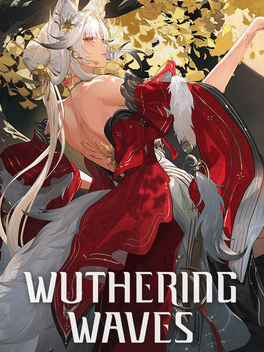 Wuthering WavesGame · Kuro Games · 2024 · 37 documents
 The Legend of Zelda: Breath of the WildGame · Nintendo EPD Production Group No. 3 · 2017 · 42 documents
 FromSoftwareCompany · Japan · founded 1986 · 69 documents
 NintendoCompany · Japan · founded 1889 · 1,628 documents
 The Legend of ZeldaGame · Nintendo R&D4 · 1986 · 121 documents
Each row is a game or company this document names, each column a document, oldest first. A mark means that document names it. Select a row to see those documents.
DiGRA · 2026
Extra Credits · 2025