1 free read left. Create a free account for unlimited reading + AI research.
Create free accountWhitepaper DiGRA
1 free read left. Create a free account for unlimited reading + AI research.
Create free accountWhitepaperDiGRA
The paper argues that the same game exists in countless identical copies. Online functionality can make players aware that their experienced world is one of many.
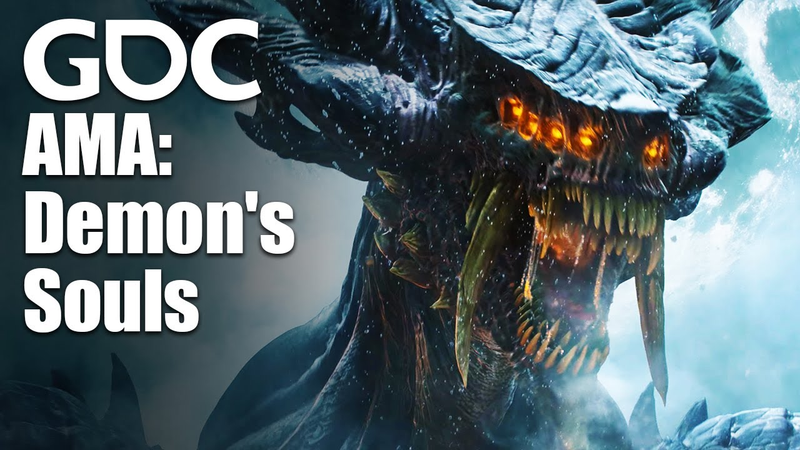
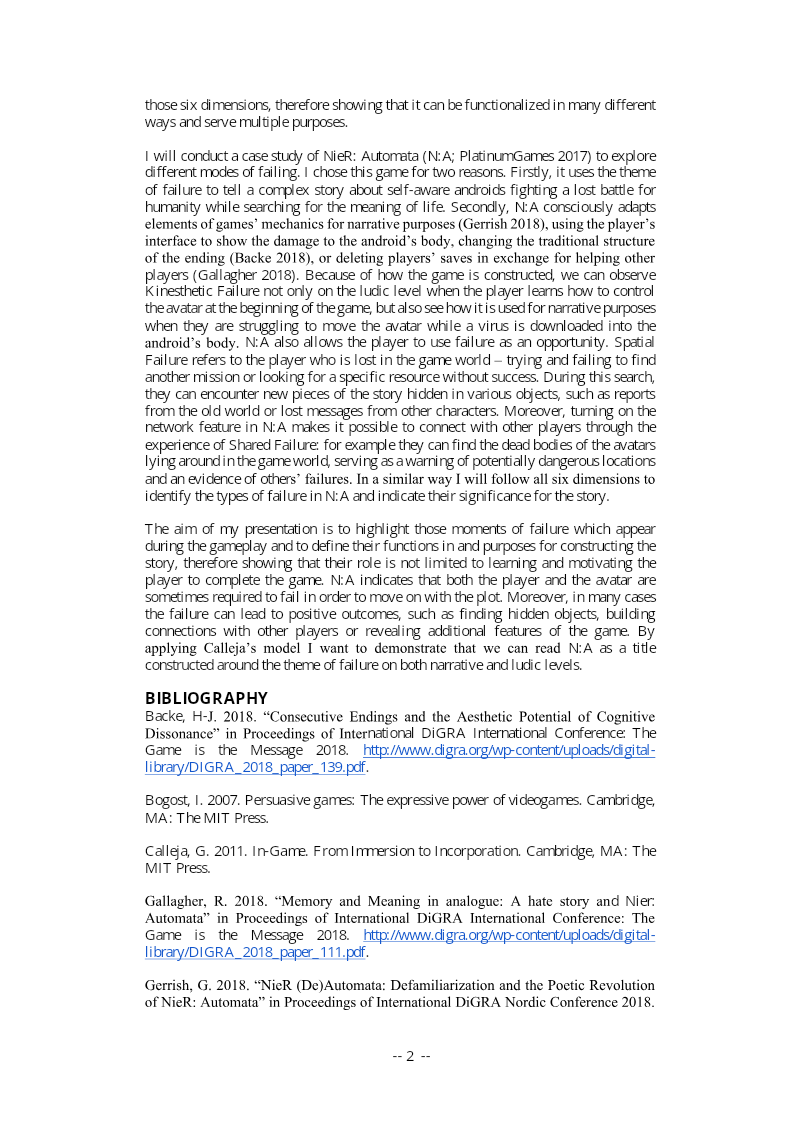
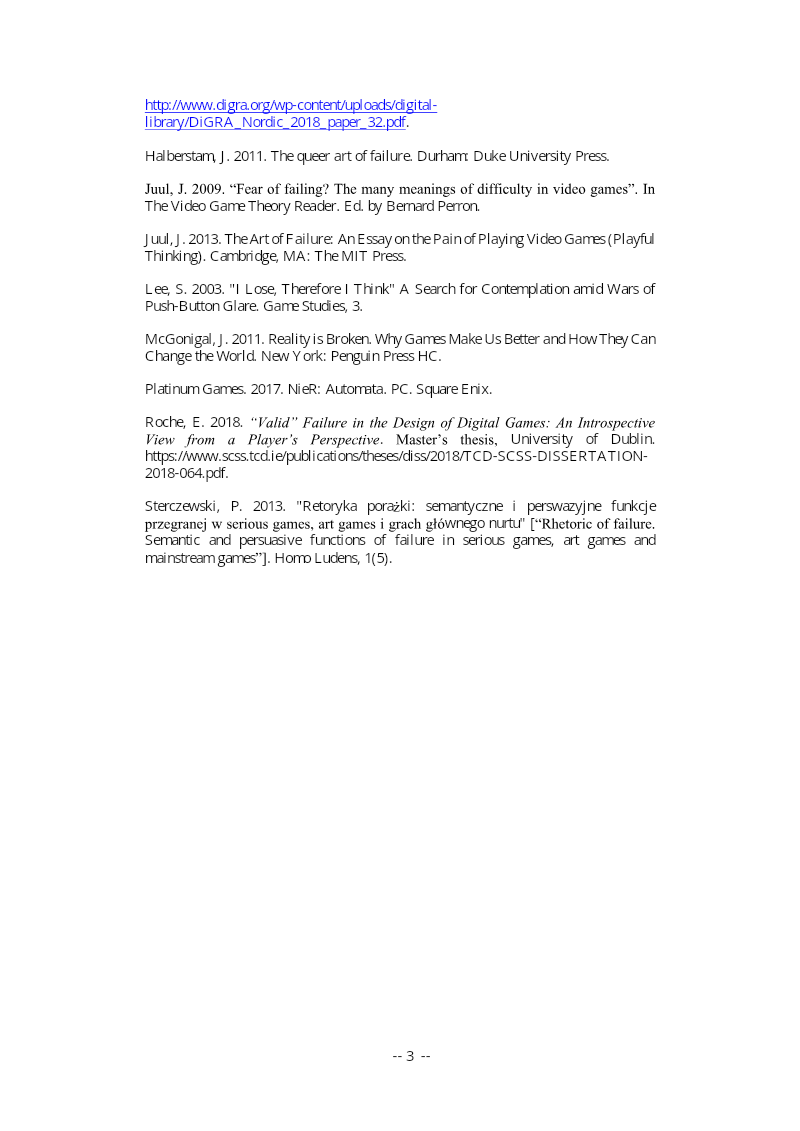
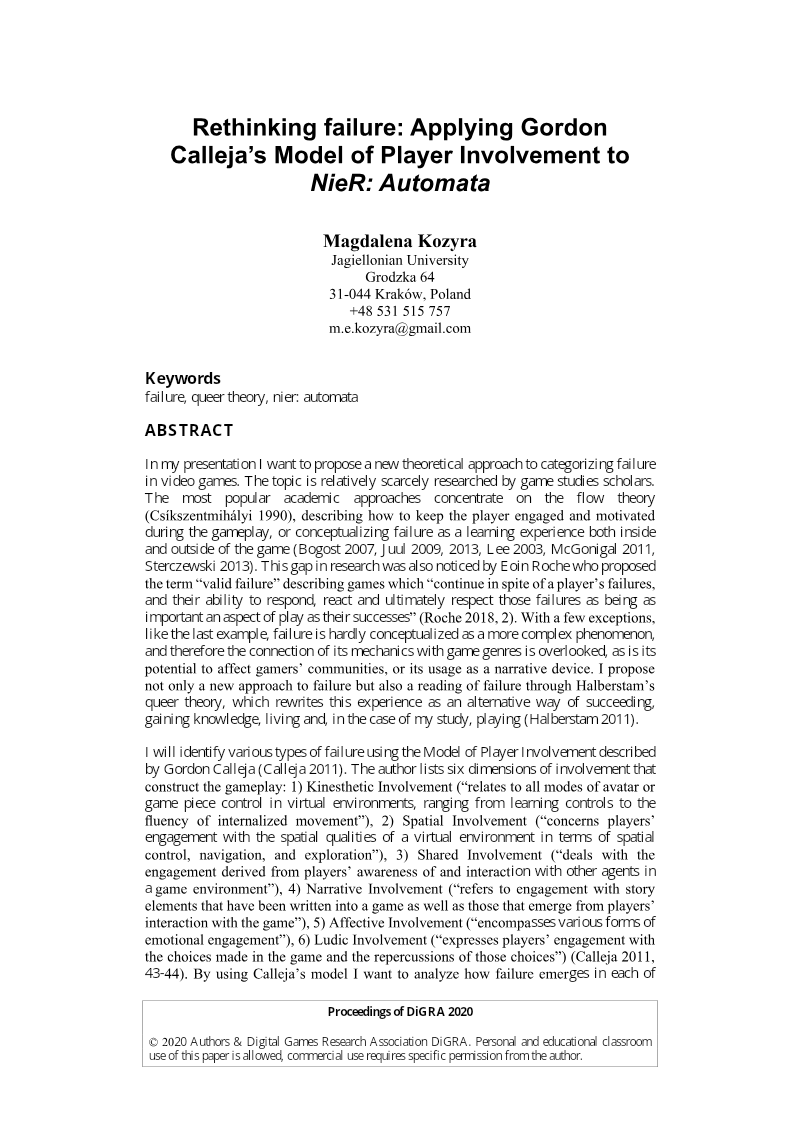
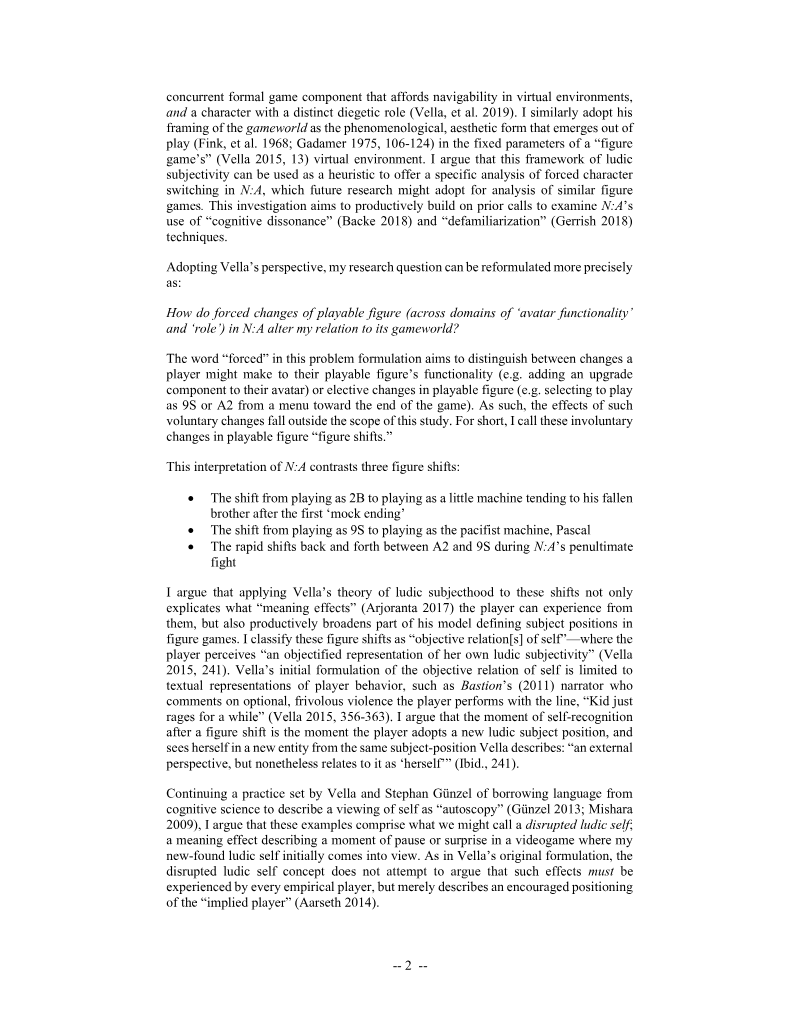
This paper argues that digital games possess an innate multiplicity: the same game exists in countless identical copies, and online functionality can make players aware that their experienced world is one of many. Drawing on Viktor Shklovsky's concept of defamiliarization and Alex Mitchell's work on poetic gameplay, the author contends that emersive design techniques can deliberately or inadvertently shift player attention from the game world itself to the medium's own structure and the player's relationship to it. The paper frames this as a more critical stance toward the artifact, distinct from the immersion-focused design goals that dominate industry discourse.
The analysis centers on two case studies. In Dark Souls 2, the Looking Glass Knight boss summons other players to fight alongside him, and the author suggests this emergent mechanic can fracture the illusion of a unique game world, particularly when summoned players' behavior diverges from NPC expectations or when the framing differs from the narratively justified invasions the game otherwise provides. In Nier: Automata, a credits-sequence shoot-em-up intentionally presents other players as allies who have finished the game and return to assist others, culminating in a choice that requires deleting one's own save file to help a stranger. The author argues this reveals the apparent uniqueness of the game world as a facade and ties the mechanic to the game's central theme of humanity formed through connection.
The paper contrasts the two games' presentation of other players. Dark Souls 2 conceals other players as enemies with minimal information and limited communication through community-interpreted engravings, while Nier: Automata foregrounds them as allies with visible names and messages. The methodology is an interpretive, close-reading approach grounded in theory and in direct play observation of these two titles, without systematic survey data or a broader sample of games. The conclusion is that emersive mechanics can be used purposefully to reinforce a game's core concepts, or, if unintended, can create narrative and experiential inconsistencies.
Each row is a game or company this document names, each column a document, oldest first. A mark means that document names it. Select a row to see those documents.

DiGRA · 2026

DiGRA · 2026



DiGRA · 2026



DiGRA · 2026



DiGRA · 2026



DiGRA · 2026



DiGRA · 2026



DiGRA · 2026

DiGRA · 2026



DiGRA · 2026



DiGRA · 2026

DiGRA · 2026
DiGRA · 2022