1 free read left. Create a free account for unlimited reading + AI research.
Create free accountWhitepaper DiGRA
1 free read left. Create a free account for unlimited reading + AI research.
Create free accountWhitepaperDiGRA
The authors present these experiences as meaningful but carefully bounded in scope, not as substitutes for treatment.
Designing virtual reality games about grief is a topic that brings together game design, psychology, and healthcare practice, and the work examined here argues that VR experiences can support emotional processing when built on established psychological frameworks and developed in consultation with clinicians. The central thesis is that embodied, interactive mechanics can give players a way to engage with loss, but that such designs carry real tradeoffs around emotional safety and therapeutic value, and must be bounded accordingly. Proposals draw on the five stages of grief as a structural model for game progression, and the authors position these experiences as meaningful yet carefully limited rather than as substitutes for treatment.
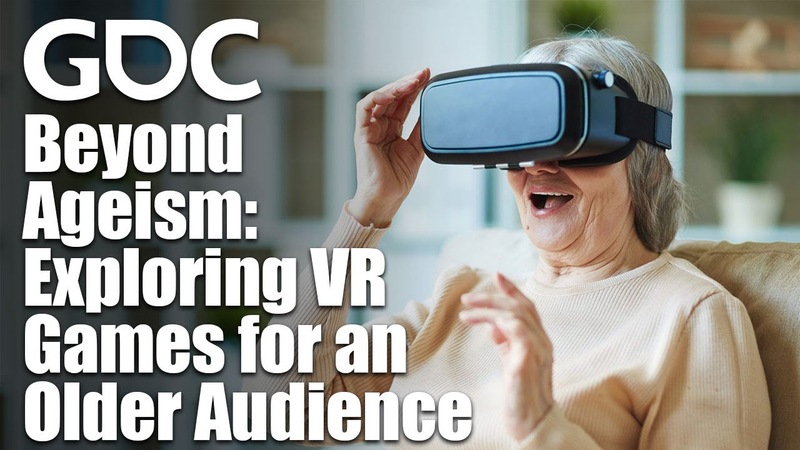
Supporting evidence includes a 2022 study reporting that VR therapy and interactive grief experiences can reduce distress and anxiety and assist emotional processing. The most detailed empirical component comes from post-play Likert surveys with a small sample (N=12) and practitioner interviews. Clinicians consistently viewed VR as a supplement to traditional therapy rather than a replacement. Their principal concerns centered on safety, informed consent, and whether a given individual is suitable for the experience, with particular attention to older adults and clients with sensory disabilities. Participants called for grounding techniques, accessible exit options, and structured debriefs. Ratings were generally favorable, including endorsement of the game's non-linear grief design, though the lowest score, for willingness to recommend the tool to clients (M = 4.54), and an outlier response signaled meaningful individual variability.
Portions of the material could not be reliably verified because of text corruption, so precise figures beyond those noted above should be treated with caution. The reference base spans academic research on grief, VR, and serious games, and cites well-known grief-themed titles, indicating a focus on contemporary digital and interactive media. Taken together, the findings suggest that VR grief games hold promise as clinician-informed supplements to care, provided that designers prioritize safety, consent, and individualized suitability.

DiGRA · 2026

DiGRA · 2026



DiGRA · 2026



DiGRA · 2026



DiGRA · 2026



DiGRA · 2026



DiGRA · 2026



DiGRA · 2026

DiGRA · 2026



DiGRA · 2026



DiGRA · 2026

DiGRA · 2026
DiGRA · 2025