Shadow of the Colossus
7 documents in the library are about Shadow of the Colossus, from writers such as Extra Credits, Game Developers Conference and Game File, the newest from 2026. Each has a summary and key insights with the page they come from.
Documents about Shadow of the Colossus
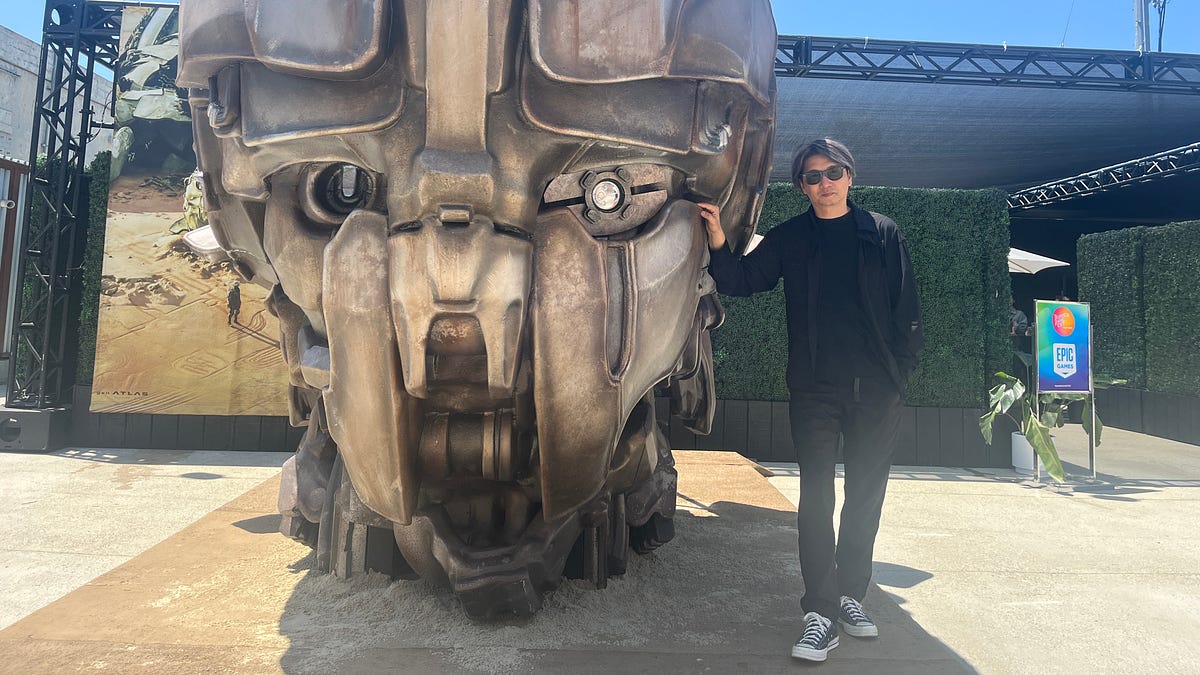
Fumito Ueda: An Interview on Design and Development
The interview reveals that Fumito Ueda, renowned for Ico, Shadow of the Colossus and The Last Guardian, is promoting his latest title, Gen Atlas, at Summer Game Fest in Los Angeles.
- Fumito Ueda's new game, "Gen Atlas," published by Epic Games, features a giant robot head that can fly and connect to a larger robot body, and, for the first time in an Ueda-directed game, includes shooting mechanics, though it is not primarily a shooting game.
- Ueda designed the robot head for "Gen Atlas" early in the game's conception, aiming for a neutral aesthetic that is neither heroic nor dilapidated, with hidden "gimmicks" like ears that flip out for flight.
- Despite the inclusion of guns, Ueda emphasizes that "Gen Atlas" maintains his signature design philosophy of realistic movement and pacing, where characters and robots move with believable limitations rather than superhuman speed, to create an immersive experience.
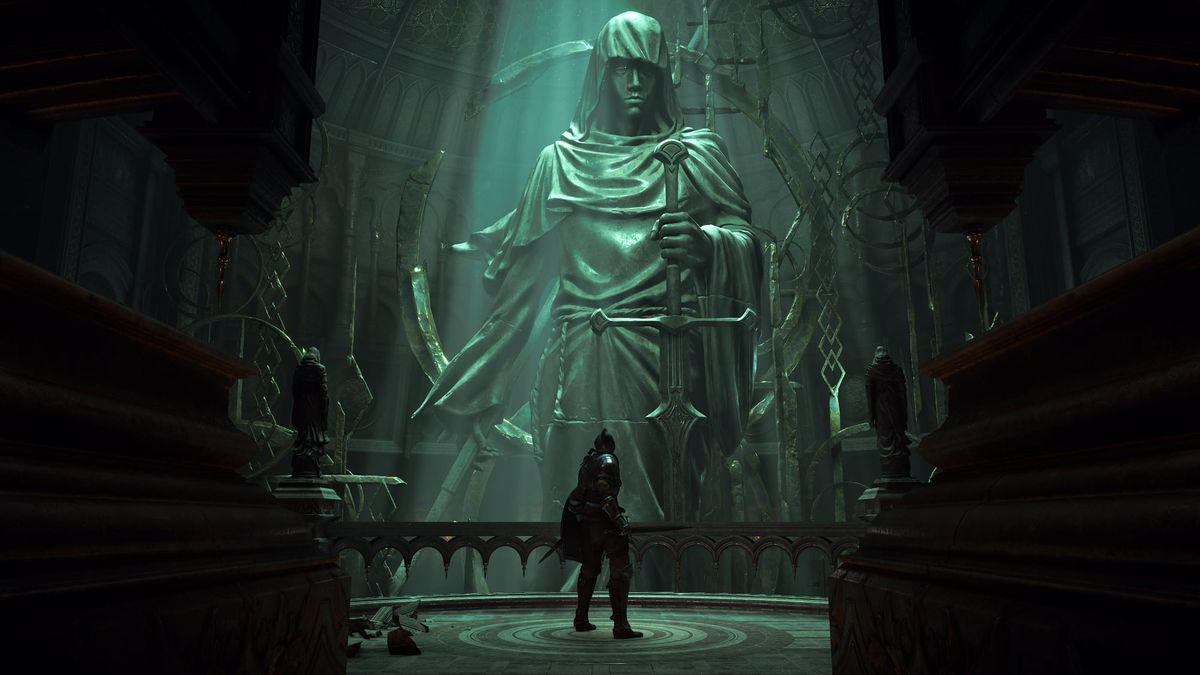
Pointless
The closure of Bluepoint Games by Sony in February 2026 marks the end of a studio widely regarded as the industry leader in remakes and remasters.
- Sony announced the closure of Bluepoint Games, effective March 2026, ending the studio's tenure as a PlayStation subsidiary after its 2021 acquisition.
- Bluepoint Games, which employed approximately 70 staff, released no original titles during its four-and-a-half years under Sony ownership, following the cancellation of a live-service project set in the God of War universe in early 2025.
- The studio's final credits include its 2020 PS5 launch remake of Demon's Souls and a support role on Sony Santa Monica’s God of War: Ragnarok.
The Hardest Thing About Finishing a Game
The process of completing a video game is defined less by the realization of an original vision and more by the necessity of strategic abandonment.
- Game completion is defined by strategic abandonment, requiring developers to aggressively cut mechanics, levels, and narrative elements to meet production deadlines.
- Major industry titles including The Wind Waker, Shadow of the Colossus, and Dark Souls reached completion only after undergoing significant content reductions to satisfy constraints.
- Transitioning from content creation to a rigid content lockdown is essential to pivot resources toward final polish and playtesting.
Beyond the Remake of 'Shadow of the Colossus': A Technical Perspective
Modern game remakes require a delicate balance between preserving the original design intent and leveraging contemporary hardware capabilities.
- Successful remakes require migrating legacy game logic into a unified, proprietary engine architecture to decouple the project from outdated pipelines and enable high-fidelity upgrades.
- Developers should implement a component-based task scheduler that treats original game logic as a thread-safe process to improve CPU saturation and eliminate traditional game loop stalling.
- Transitioning legacy titles to 64-bit environments is best achieved using manual address conversion and dynamic, auto-calibrating texture streaming budgets rather than restrictive third-party libraries.
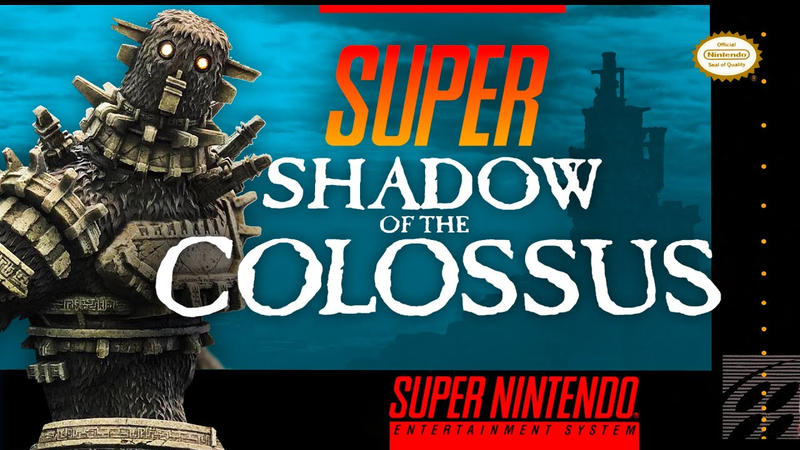
I made Shadow of the Colossus... BUT IT'S 2D
The challenge of translating the atmospheric scale and complex mechanics of Shadow of the Colossus into a 16-bit, 2D Super Nintendo-style experience serves as the primary focus of this development project.
- The project successfully distilled the core emotional experience of the 3D title Shadow of the Colossus into a 2D, 16-bit format through a compressed three-day development sprint.
- To achieve a retro aesthetic, the developer created 4K assets in Photoshop and used nearest-neighbor resampling to downscale them into crisp, pixelated visuals.
- A dynamic orthographic camera system was implemented in Unity to simulate the original game's sense of vast scale by adjusting zoom levels based on player proximity.
Ma, The Space Between - Uncluttered Game Design - Extra Credits
The concept of ma, a Japanese term representing space, rest, or emptiness, serves as a vital design philosophy for creating impactful, uncluttered video games.
- The Japanese concept of 'ma' posits that negative space is not an absence of content, but a vital, inseparable component that allows players to process narrative and emotional beats.
- Modern AAA game design often suffers from a relentless pace that prioritizes constant action, which can prevent players from forming a personal connection with the game world.
- Games like The Witcher 3, Shadow of the Colossus, and God of War demonstrate that quiet moments of traversal and exploration are essential for giving subsequent action-oriented segments greater weight.
Mechanics and Tone - How Does Gameplay Relate to Story? - Extra Credits
The synthesis of gameplay mechanics and narrative is a fundamental pillar of effective game design.
- Gameplay mechanics must be developed as a foundational element of the narrative rather than an afterthought to ensure cohesive, immersive player experiences.
- Disjointed mechanics and narrative cause player disengagement, as users begin to perceive the story as an interruption to the gameplay loop.
- Effective mechanical design functions like literary style or artistic color palettes, grounding the player in the game’s emotional stakes and intended tone.