1 free read left. Create a free account for unlimited reading + AI research.
Create free accountWhitepaper Loading... The Journal of the Canadian Game Studies Association
1 free read left. Create a free account for unlimited reading + AI research.
Create free accountWhitepaperLoading... The Journal of the Canadian Game Studies Association
Distilling the key insights…
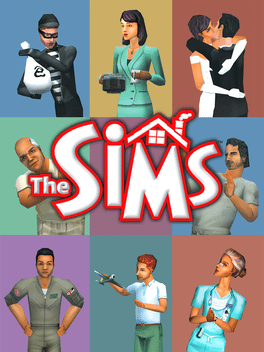
Gaming environments serve as complex, contested spaces where traditional gender norms are simultaneously reinforced and challenged. By applying theories of gender performativity to player experiences in World of Warcraft, The Sims, and Dungeons & Dragons, it becomes clear that avatar selection functions as a hybrid identity project. While gender-swapping offers players a unique opportunity to engage in transgressive performances that subvert binary expectations, these individual acts of exploration frequently collide with the rigid mechanics and deep-seated cultural assumptions embedded within gaming communities.
The industry remains heavily influenced by the male gaze and systemic biases that marginalize female participants and stigmatize non-conforming gender expressions. Despite the potential for virtual worlds to act as laboratories for identity, players often encounter significant normative violence and sexualization. These hostile social dynamics create a persistent tension between the desire for personal empowerment and the reality of systemic harassment, which often forces marginalized players to withdraw from public discourse.
Ultimately, the capacity for gaming to foster genuine gender fluidity is constrained by both programmed limitations and a pervasive, male-dominated culture. While avatar identification provides a platform for personal subversion, these efforts remain inconsistent and vulnerable to broader community pressures. Meaningful progress toward inclusivity requires a fundamental shift in industry-wide standards and social norms, as individual resistance alone is insufficient to overcome the systemic silencing that currently defines the gaming landscape.
Each row is a game or company this document names, each column a document, oldest first. A mark means that document names it. Select a row to see those documents.
Loading... The Journal of the Canadian Game Studies Association · 2018
Loading... The Journal of the Canadian Game Studies Association · 2018
Loading... The Journal of the Canadian Game Studies Association · 2017
Japanese Association for Role-Playing Game Studies (JARPS) · 2024