Key insights
5 slides
Failed critique
Casual game parodies often fail to achieve their critical objectives.
Projects like Cow Clicker and Progress Wars rely on the same addictive feedback loops as their targets. This causes players to engage with them earnestly rather than ironically.
Player reception. Players often engage with casual game parodies earnestly, missing the intended irony.
1 / 5
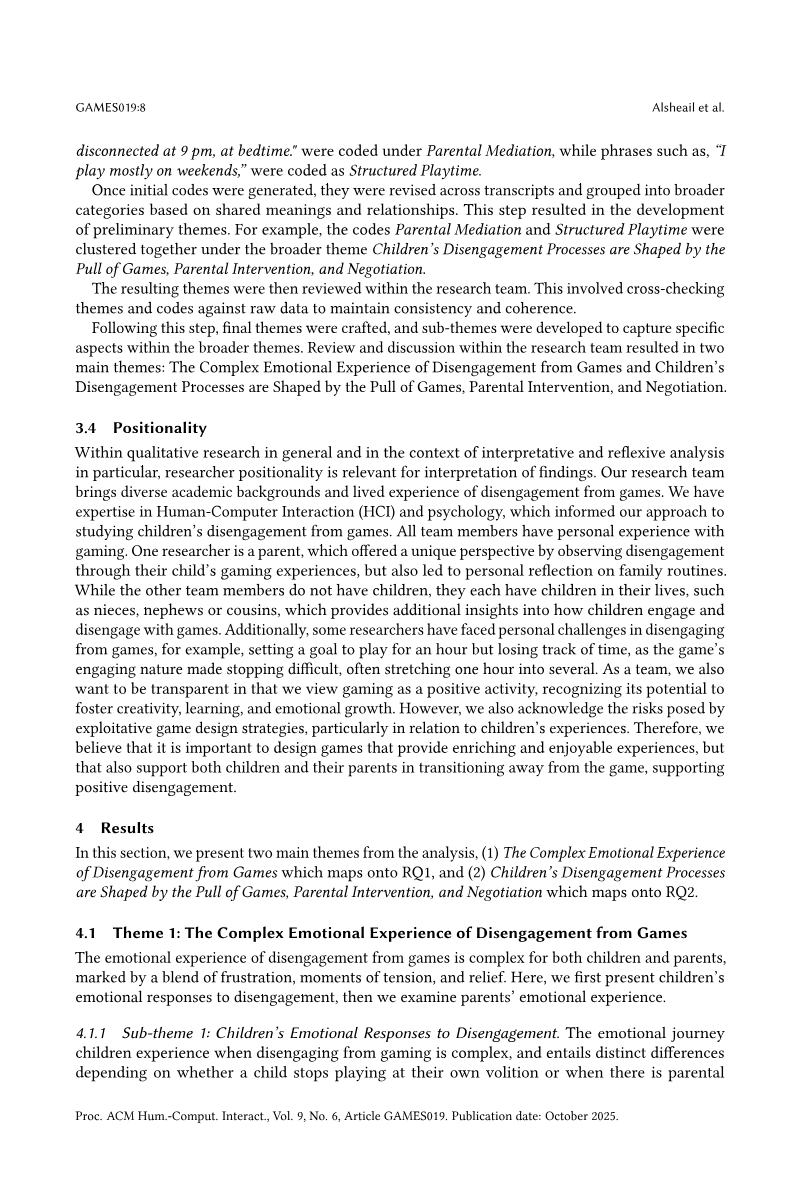
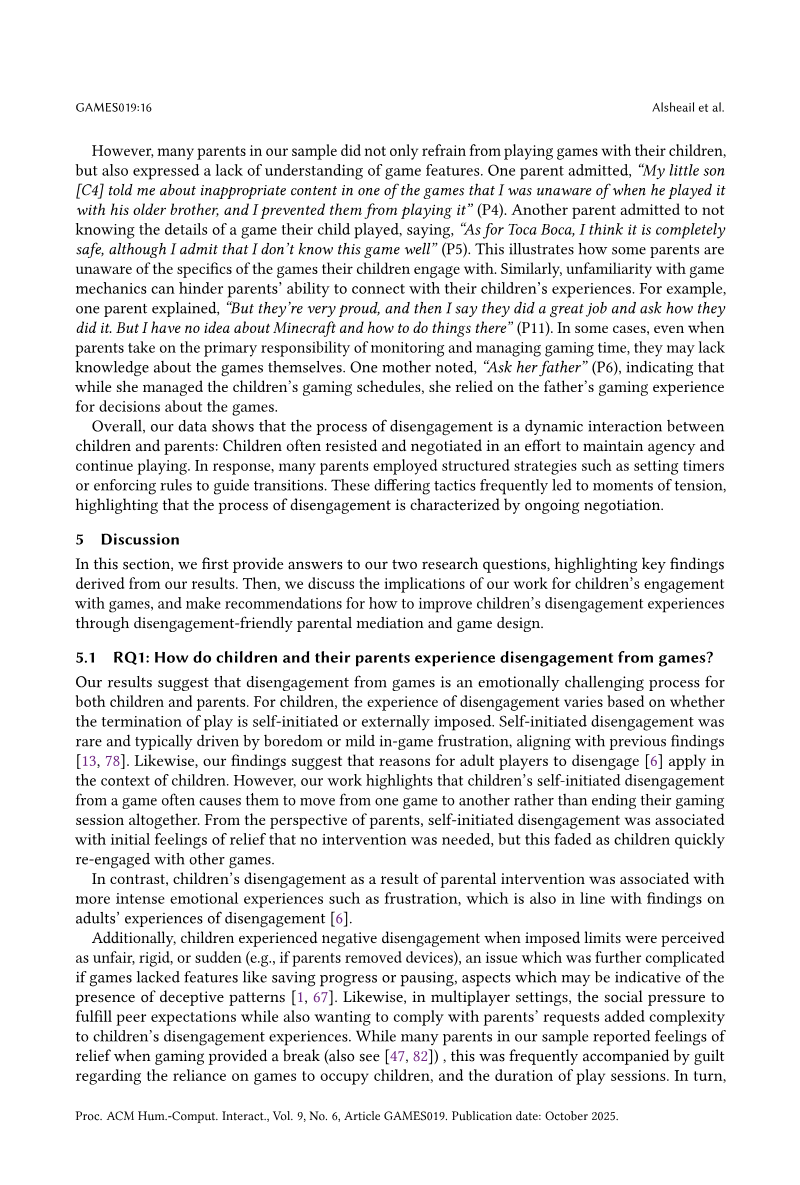
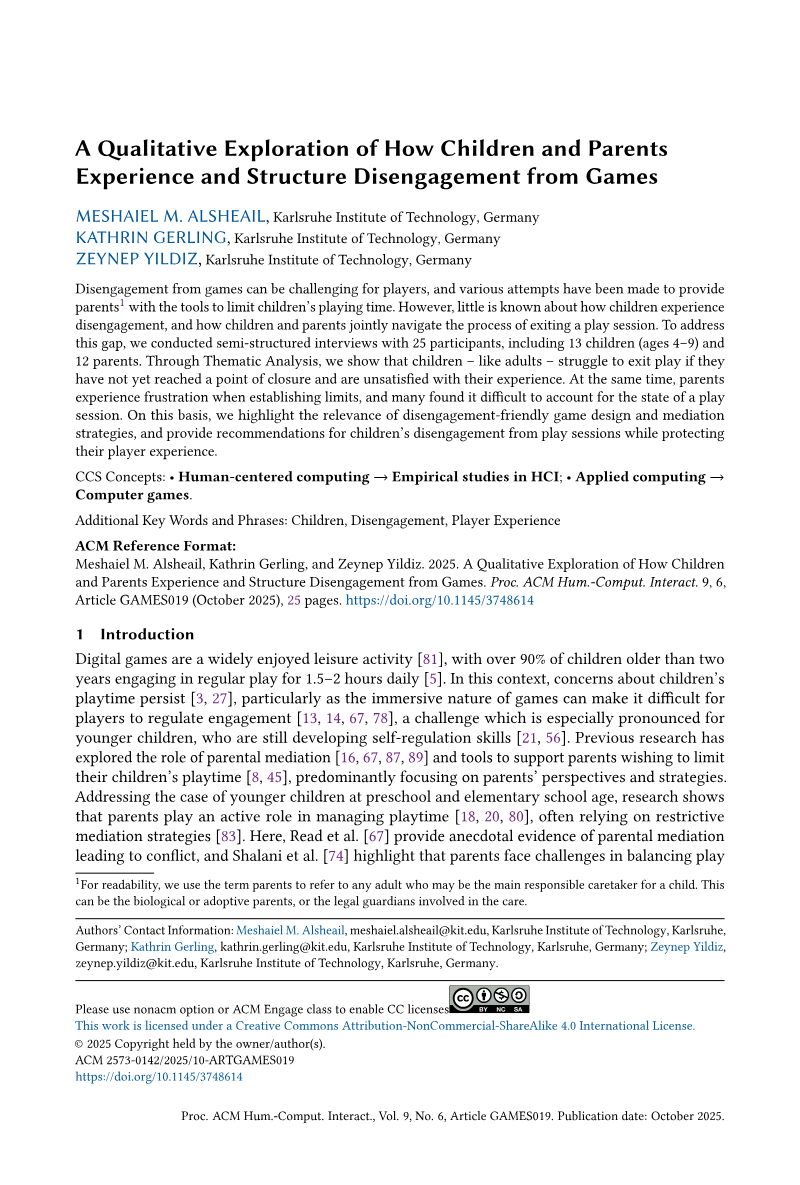
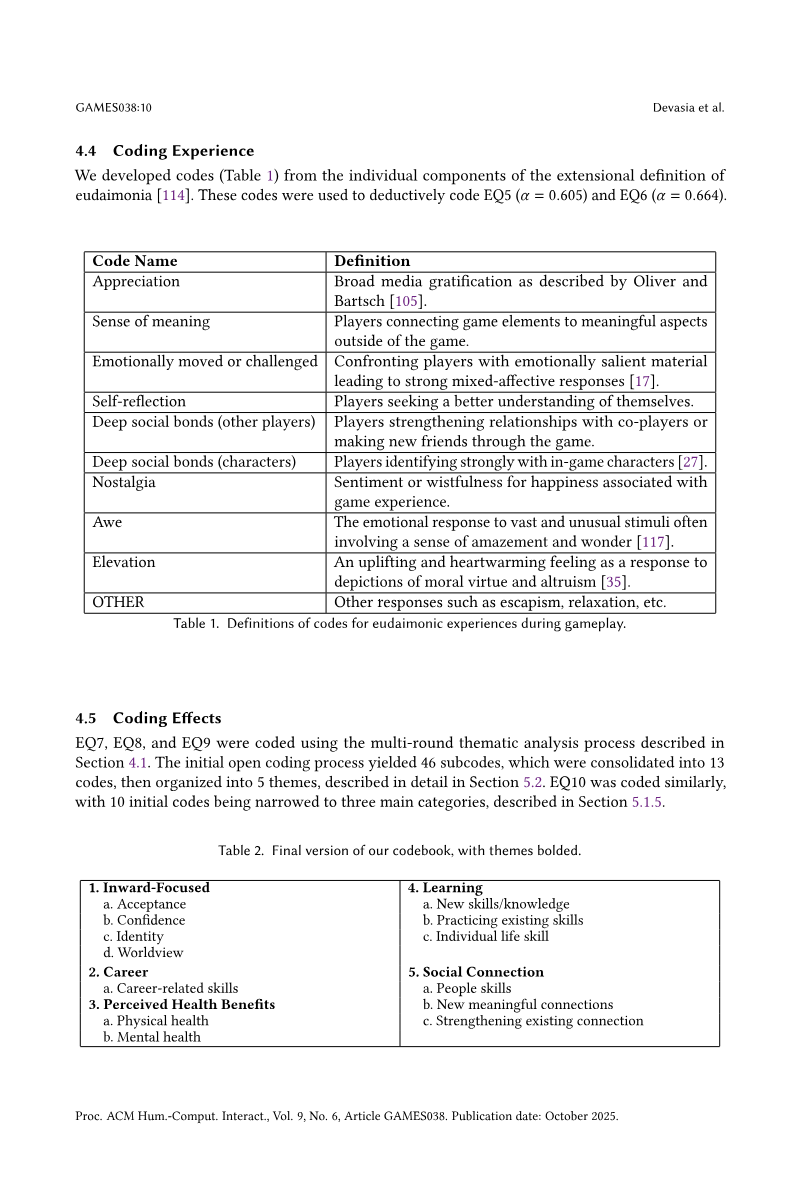
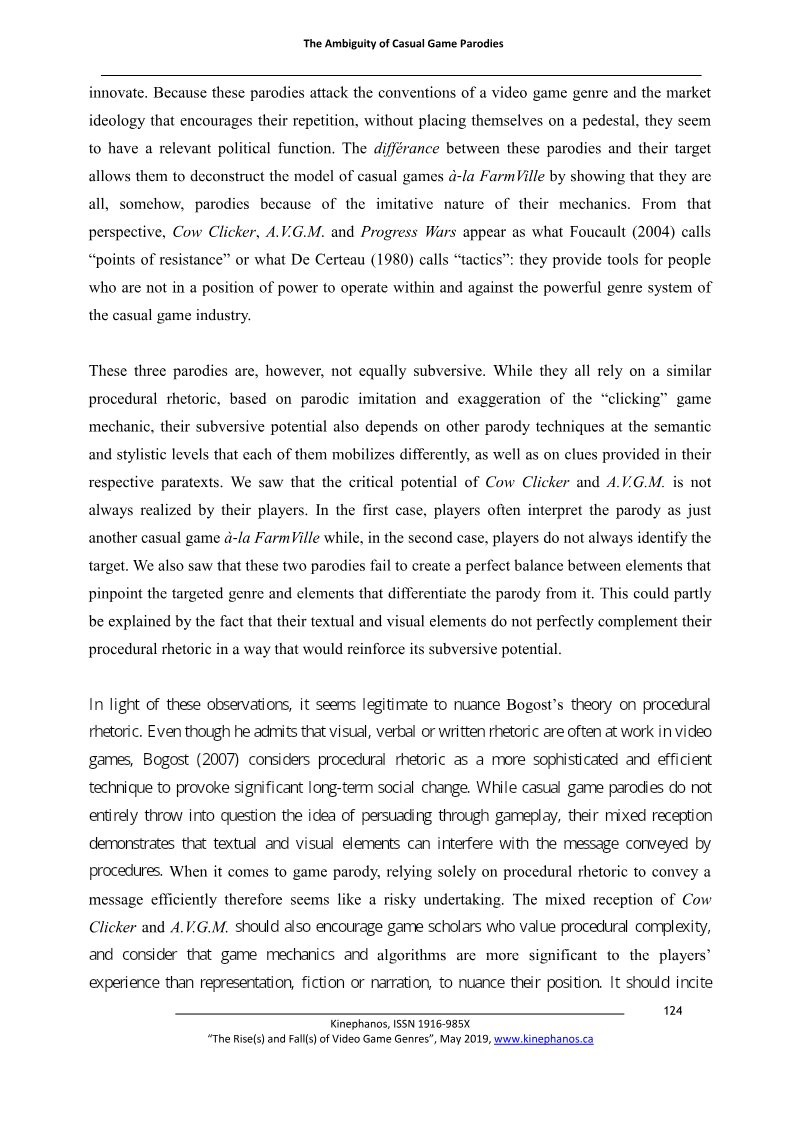
- 01Casual game parodies like Cow Clicker, Progress Wars, and A.V.G.M. failed to achieve their critical objectives because their reliance on the same addictive feedback loops as their targets caused players to engage with them earnestly rather than ironically.See it on page 27
- 02The attempt to satirize casual gaming by stripping away aesthetic fluff inadvertently provided the blueprint for the modern idle and incremental game genres, effectively commercializing the mechanics they intended to critique.See it on page 1
- 03These parodies often fail to communicate irony without explicit paratextual guidance, leading to the unintended normalization of the very monetization strategies and repetitive mechanics they sought to dismantle.See it on page 27
- 04By denigrating the casual gaming sector—a space historically associated with female players—these parodies reinforce problematic industry divisions and deepen the cultural gap between hardcore and casual gamer identities.See it on page 23
- 05Procedural rhetoric alone is insufficient to challenge dominant industry structures, as the imitation of game mechanics often results in the co-option of those mechanics into the commercial landscape rather than their subversion.See it on page 22
- 06The failure of these projects highlights a significant disconnect between artistic intent and player reception, where the critique is absorbed into the object of satire instead of exposing its pointlessness.See it on page 2
Ask AI about this report
Summary
Casual game parodies, exemplified by titles such as Cow Clicker, Progress Wars, and A.V.G.M., frequently fail to achieve their intended critical objectives. While these projects utilize procedural rhetoric to satirize the repetitive mechanics and manipulative monetization strategies of social games, they often struggle to communicate irony effectively. Because these parodies rely heavily on the same addictive feedback loops and social features found in their targets, many players engage with them earnestly rather than critically. Without explicit paratextual guidance or clear textual cues, the distinction between the critique and the object of satire collapses, leading to the unintended normalization of these mechanics.
The evolution of these parodies reveals a significant disconnect between artistic intent and player reception. Rather than dismantling the conventions of casual gaming, many of these titles have been absorbed into the commercial landscape, inadvertently spawning the mainstream idle and incremental game genres. By stripping away the aesthetic fluff of casual games to expose their underlying pointlessness, these parodies ultimately provided a blueprint for a new, self-sustaining category of commercial entertainment. This transition marks the total loss of the subversive edge these projects initially sought to cultivate.
Beyond the failure of their rhetorical strategies, these parodies often reinforce problematic industry divisions. By denigrating the casual gaming space—a sector historically associated with female players—these works risk alienating a significant demographic and deepening the cultural divide between hardcore and casual gamer identities. By failing to account for the labor-related contexts and the cultural significance of the games they target, these parodies often undermine their own critical goals. Ultimately, the attempt to critique the industry through imitation has resulted in the co-option of those very mechanics, proving that procedural rhetoric alone is insufficient to challenge the dominant structures of contemporary game design.