This study examines how leadership emerges and organizational structures form within online gaming groups, challenging the prior literature's reliance on anecdotal evidence and single-game case studies, particularly World of Warcraft. The authors argue that claims that games create the "next generation of CEOs" have been advanced largely through deductive, reductionist frameworks, either neoliberal celebrations of gaming as leadership training or critical condemnations of games as corporate ideology, without sufficient empirical grounding. The paper addresses three questions: which players attain leadership positions in different games, how they become leaders, and what kinds of organizations they build.
The research is based on interviews with 64 leaders of online gaming organizations (guilds, teams, and clans) across four titles: Counter-Strike, League of Legends, Guild Wars 2, and RuneScape. The sample includes 15 Counter-Strike, 17 League of Legends, 16 Guild Wars 2, and 16 RuneScape leaders. Of these, 25 currently hold offline management positions, and 14 have participated in professional esports teams as players or coaches. Notably, the leaders had no formal management education or prior business work experience. Using an inductive approach, the authors develop three ideal-typical organizational structures corresponding to different stages and sizes of these groups, ranging from groups of five to several hundred members.
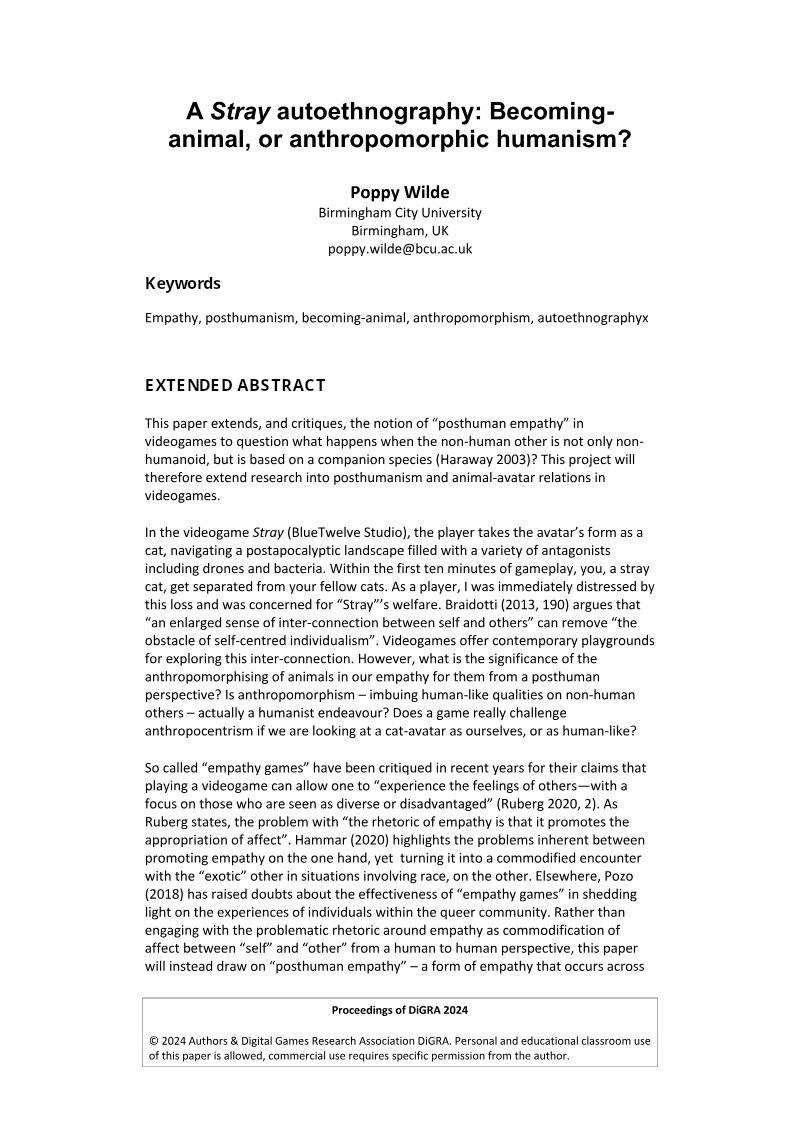
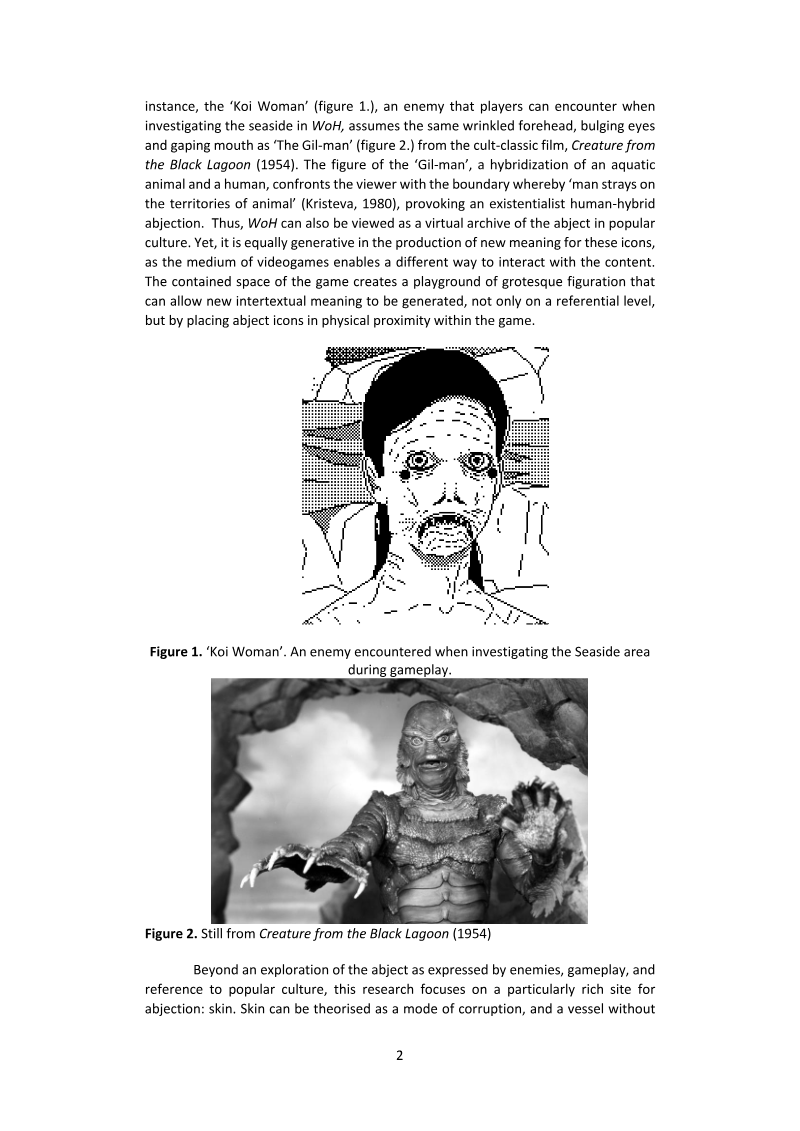
The central findings are that organizational structures in online gaming groups are initially ephemeral, gendered, and charisma-based. The start-up stage relies on the traditional authority of a small core of original leaders who make top-down decisions. Larger, long-standing guilds transition into a corporate phase, which leaders describe as initially resembling parenting and later evolving into elaborate bureaucratic systems and democratic decision-making. The study concludes that serious business-style leadership emerges organically within a playful setting, as players voluntarily adopt professional management practices.
 League of LegendsGame · Riot Games · 2009 · 737 documents
 Counter-StrikeGame · Valve · 2000 · 519 documents
 World of WarcraftGame · Blizzard Entertainment · 2004 · 267 documents
 RuneScapeGame · Jagex · 2001 · 48 documents
 Guild WarsGame · ArenaNet · 2005 · 24 documents
 Guild Wars 2Game · ArenaNet · 2012 · 15 documents