1 free read left. Create a free account for unlimited reading + AI research.
Create free accountWhitepaper Loading... The Journal of the Canadian Game Studies Association
1 free read left. Create a free account for unlimited reading + AI research.
Create free accountWhitepaperLoading... The Journal of the Canadian Game Studies Association
Creature collection serves as a powerful psychological mechanism in modern gaming, transforming the act of gathering into a structured, self-affirming pursuit that transcends simple compulsive hoarding. By analyzing titles such as Pokémon, Ni No Kuni, Shin Megami Tensei, and World of Warcraft, it becomes clear that the genre relies on four core pillars: large-scale collection, strategic battle utility, complex classification systems, and the emotional resonance of creature design. These elements collectively shift the player’s role from a passive consumer to an active curator, fostering deep personal investment through training, management, and tactical decision-making.
While these games employ diverse methodologies—ranging from Pokémon’s transmedia storytelling and Ni No Kuni’s shared mortality mechanics to the intricate fusion systems of Shin Megami Tensei—they all succeed in elevating creatures from disposable tools to essential partners. Even when collection functions as an optional sub-system, as seen in World of Warcraft, the experience remains anchored in the necessity of exploration, the mastery of specialized knowledge, and the utilization of organizational databases. These systems prioritize player-driven mastery, allowing individuals to construct a personal archive of achievements that exists independently of traditional narrative progression.
Ultimately, the digital collection of creatures functions as a modern manifestation of the human desire for symbolic immortality. By streamlining the complexities of traditional collecting into a manageable, rewarding loop, these games satisfy the psychological needs of the contemporary player, who acts as a database-oriented participant in an increasingly fragmented world. This process provides a sense of permanence and order, enabling players to build a meaningful, persistent legacy through their curated digital collections.
Each row is a game or company this document names, each column a document, oldest first. A mark means that document names it. Select a row to see those documents.
Loading... The Journal of the Canadian Game Studies Association · 2018
Loading... The Journal of the Canadian Game Studies Association · 2018
Loading... The Journal of the Canadian Game Studies Association · 2017
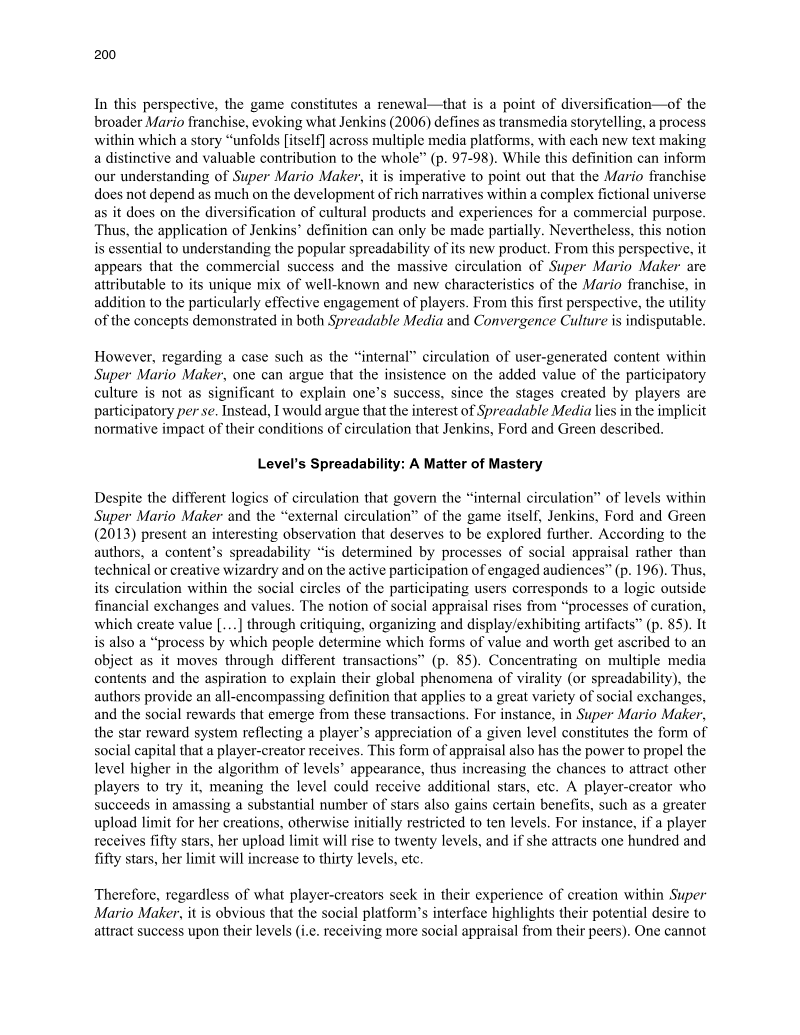
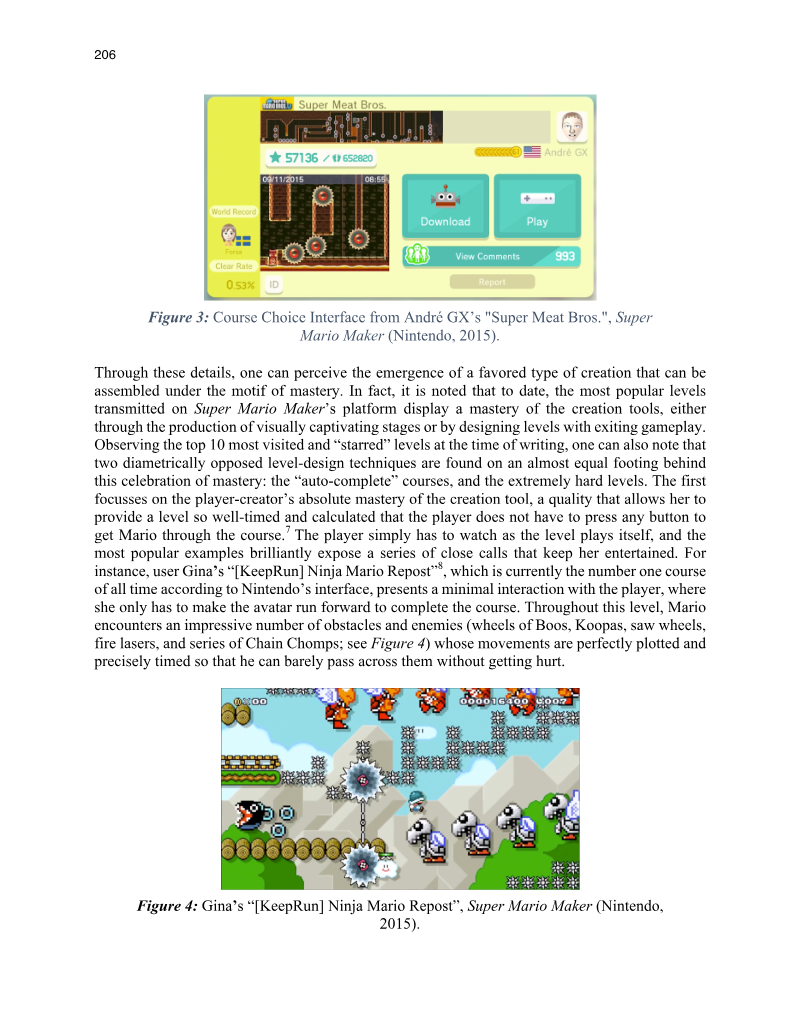
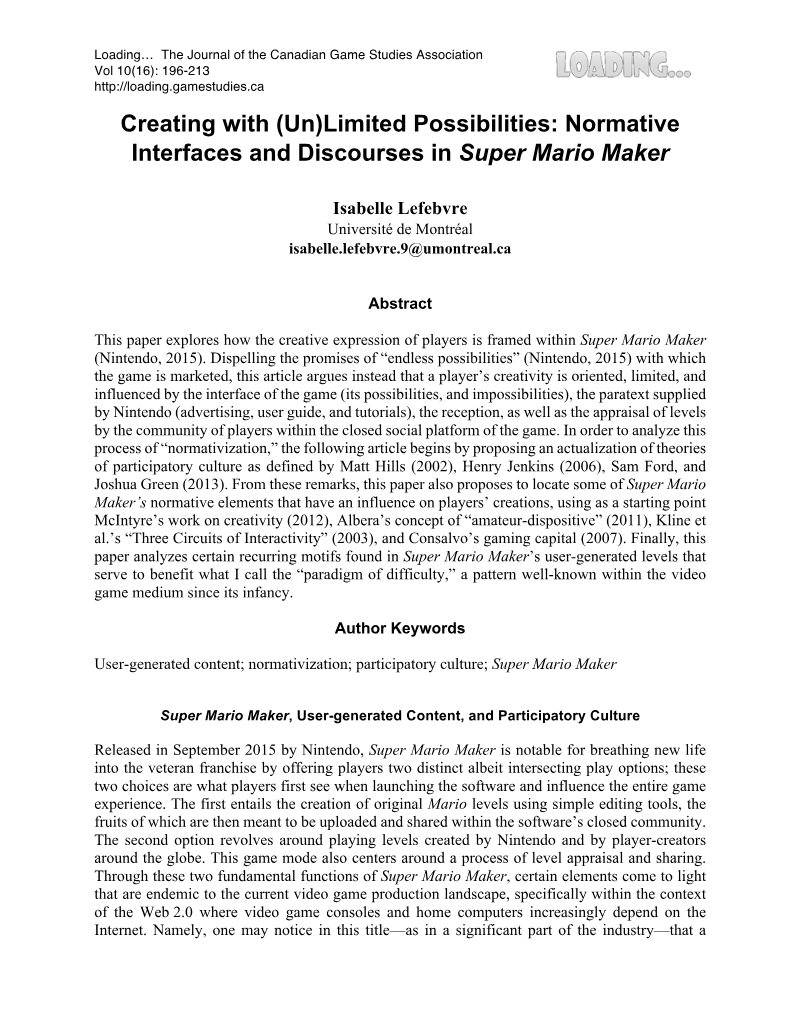
Loading... The Journal of the Canadian Game Studies Association · 2017
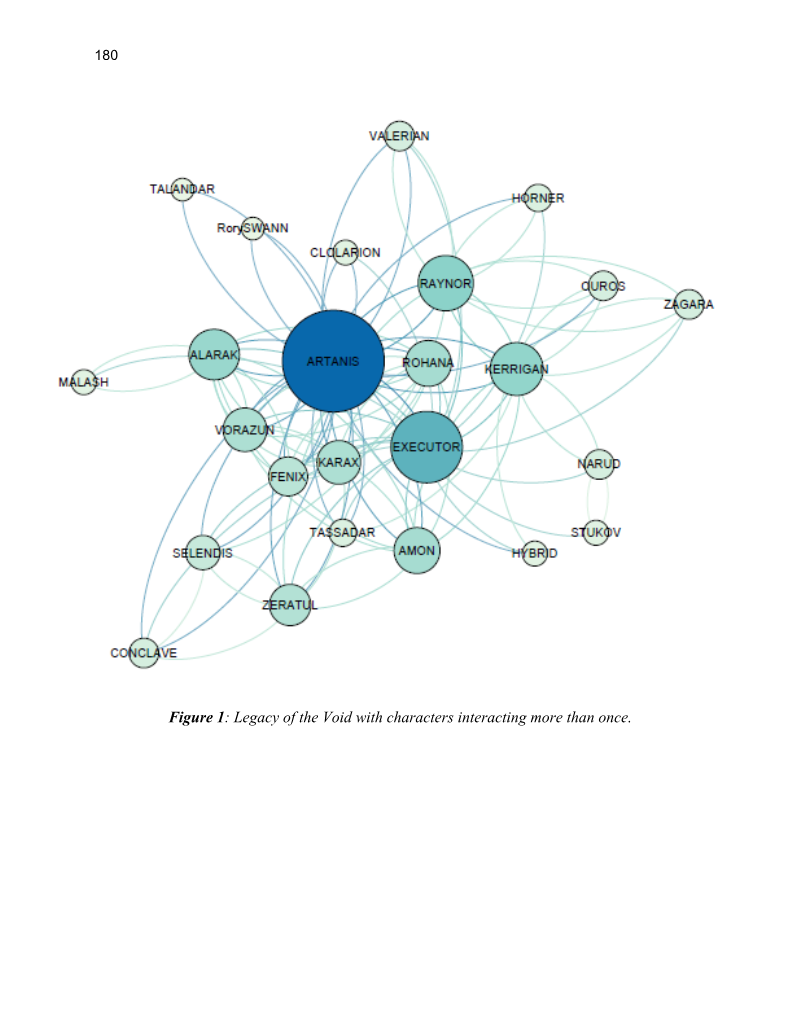
Loading... The Journal of the Canadian Game Studies Association · 2017
Loading... The Journal of the Canadian Game Studies Association · 2017
Loading... The Journal of the Canadian Game Studies Association · 2017
Loading... The Journal of the Canadian Game Studies Association · 2017
Loading... The Journal of the Canadian Game Studies Association · 2017
Loading... The Journal of the Canadian Game Studies Association · 2016
Loading... The Journal of the Canadian Game Studies Association · 2016
Loading... The Journal of the Canadian Game Studies Association · 2016
DiGRA · 2026