1 free read left. Create a free account for unlimited reading + AI research.
Create free accountArticle Loading... The Journal of the Canadian Game Studies Association
1 free read left. Create a free account for unlimited reading + AI research.
Create free accountArticleLoading... The Journal of the Canadian Game Studies Association
The Gorean role-playing communities within Second Life serve as complex transtextual ecosystems where players negotiate the neo-Darwinian doctrine of the Natural Order, a philosophy of male dominance and female submission derived from John Norman’s Chronicles of Gor novels. By integrating exogenous literary texts into the virtual environment, participants transform the game’s procedural and narrative framework into a thetic space. This environment functions as a dynamic storyworld where programmed code and player improvisation converge, allowing for the continuous construction and contestation of social hierarchies.
The core of this interaction lies in the tension between strategic administrative control and individual player tactics. To manage these conflicting interpretations, participants employ seven distinct mechanisms of closure—including hermeneutic, sociotechnic, legal, narrative, and acculturation strategies. These tools allow administrators and players to either enforce a monological reading of the original novels or subvert the doctrine to suit evolving community norms. Through the application of Gérard Genette’s forms of transtextuality, it becomes clear that these virtual spaces prioritize the simulation of Gorean world-building over the original narrative arcs, effectively treating the novels as a foundation for procedural expansion.
Ultimately, these role-playing environments demonstrate how doctrinal texts are embedded into the formal structures of virtual worlds. The community relies on autotextuality, utilizing established lore and past role-play experiences to sustain the diegesis and navigate social conflicts. This analysis underscores the necessity of critical frameworks to evaluate how players actively negotiate and transform virtual spaces, turning them into sites of ideological struggle where the boundaries between original source material and player-driven interpretation are constantly redefined.
Each row is a game or company this document names, each column a document, oldest first. A mark means that document names it. Select a row to see those documents.
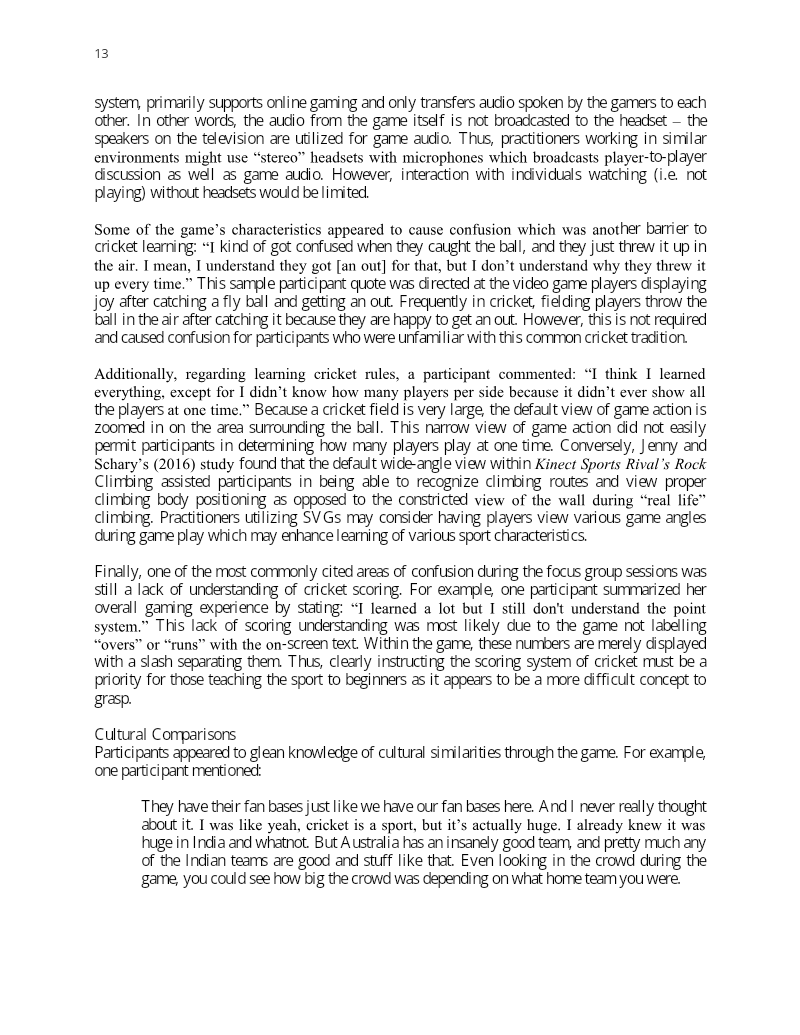
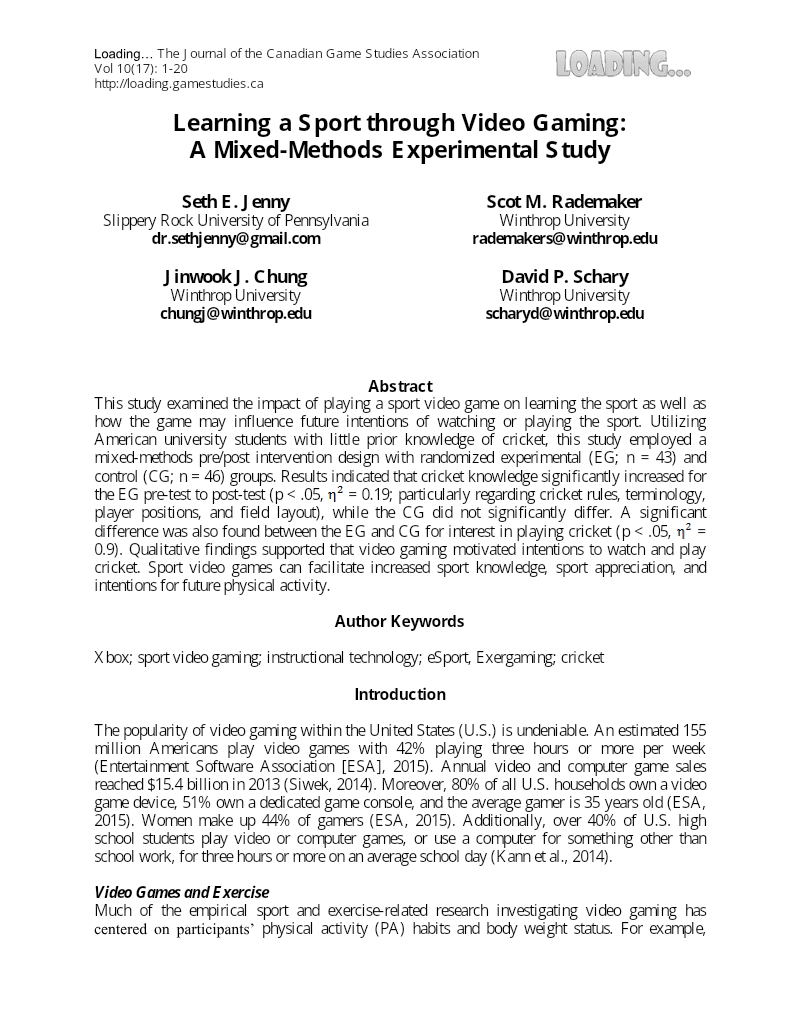
Loading... The Journal of the Canadian Game Studies Association · 2018
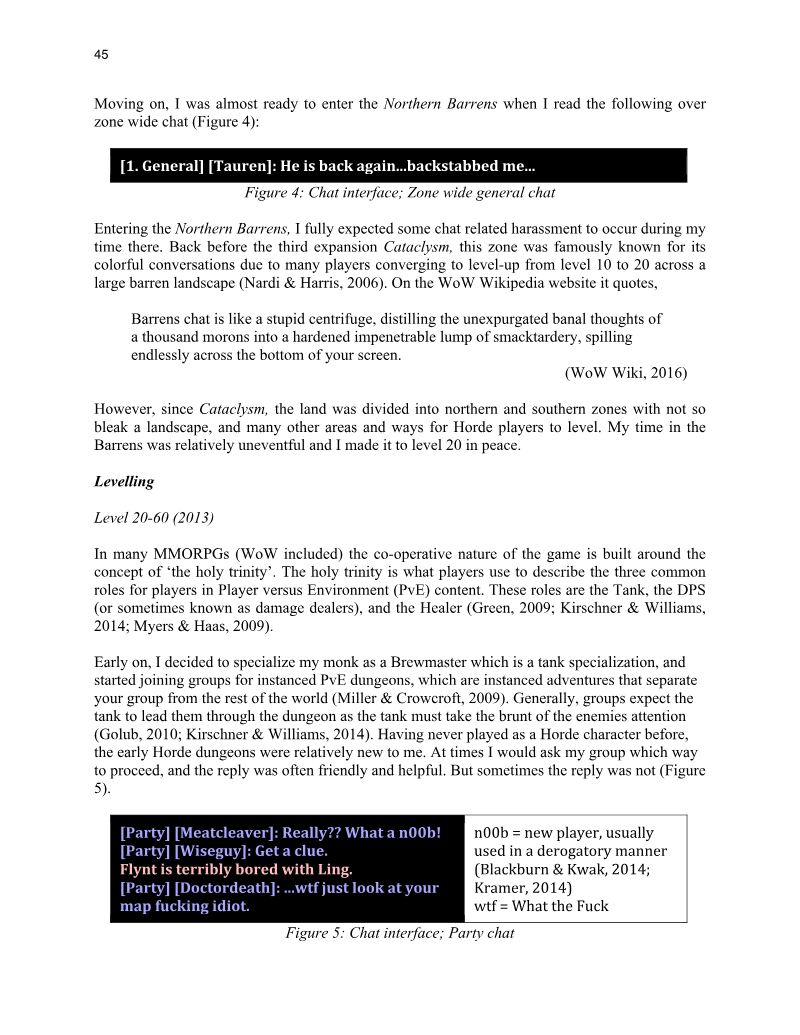
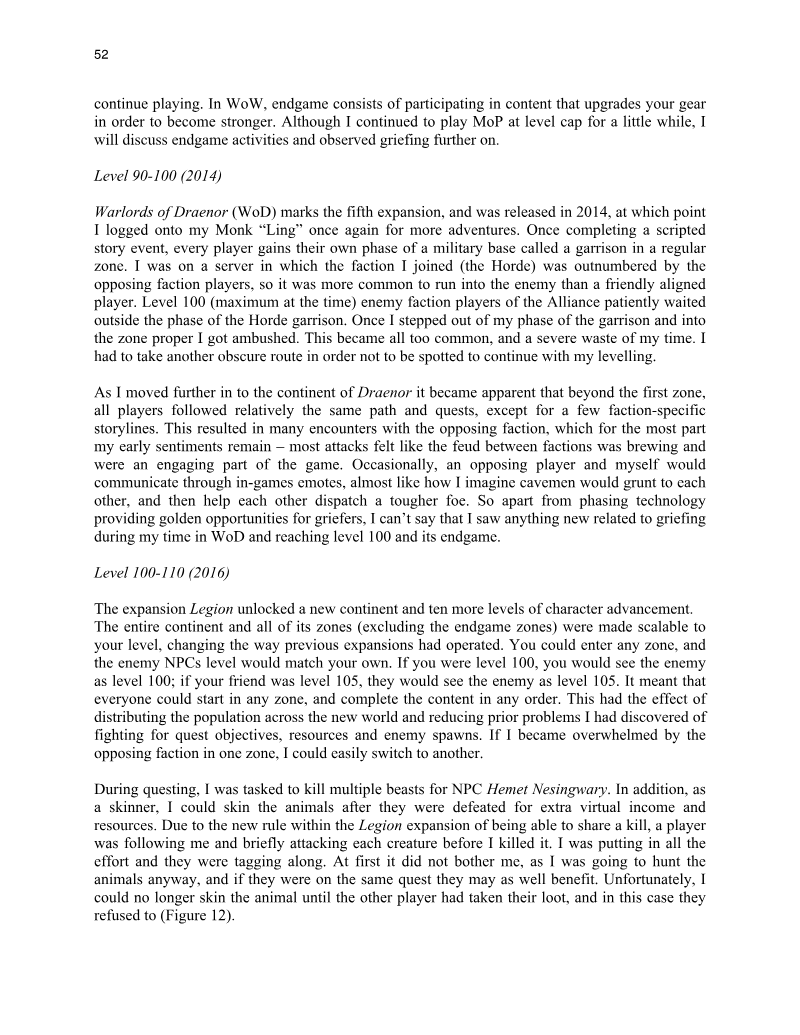
Loading... The Journal of the Canadian Game Studies Association · 2018
Loading... The Journal of the Canadian Game Studies Association · 2017
Loading... The Journal of the Canadian Game Studies Association · 2017
Loading... The Journal of the Canadian Game Studies Association · 2017
Loading... The Journal of the Canadian Game Studies Association · 2017
Loading... The Journal of the Canadian Game Studies Association · 2017
Loading... The Journal of the Canadian Game Studies Association · 2017
Loading... The Journal of the Canadian Game Studies Association · 2017
Loading... The Journal of the Canadian Game Studies Association · 2016
Loading... The Journal of the Canadian Game Studies Association · 2016
Loading... The Journal of the Canadian Game Studies Association · 2016
DiGRA · 2026